
DbcultAccessing Vault...
Recommendations
Senior Film Conservator
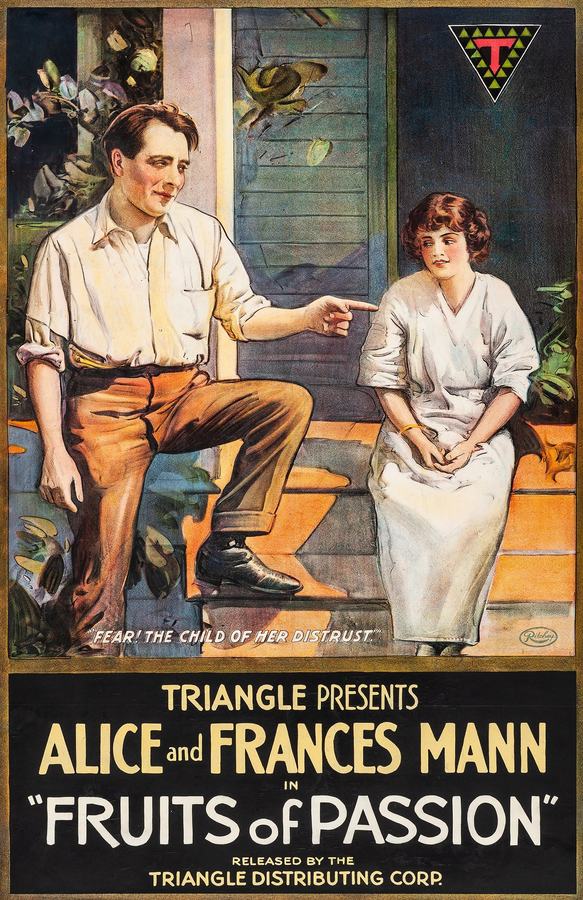
For those who were mesmerized by Fruits of Passion, a true cult masterpiece from 1919, its influence on cult cinema remains a vital reference point for fans today. This list serves as a bridge to other cult experiences that are just as potent.
The legacy of Fruits of Passion is built upon its ability to blend thematic complexity with stunning visual execution.
Based on the unique stylistic flair of Fruits of Passion, our vault has identified these titles as the most compelling follow-up experiences for fans of cult cinema:

Dir: George Ridgwell
A London lady comes to Holmes in curiosity about her newest lodger. After first renting the room, arranging for meals and newspaper to be left at the door, and paying a very high fee, he disappears completely. Or, is it someone else now inside the room?
View Details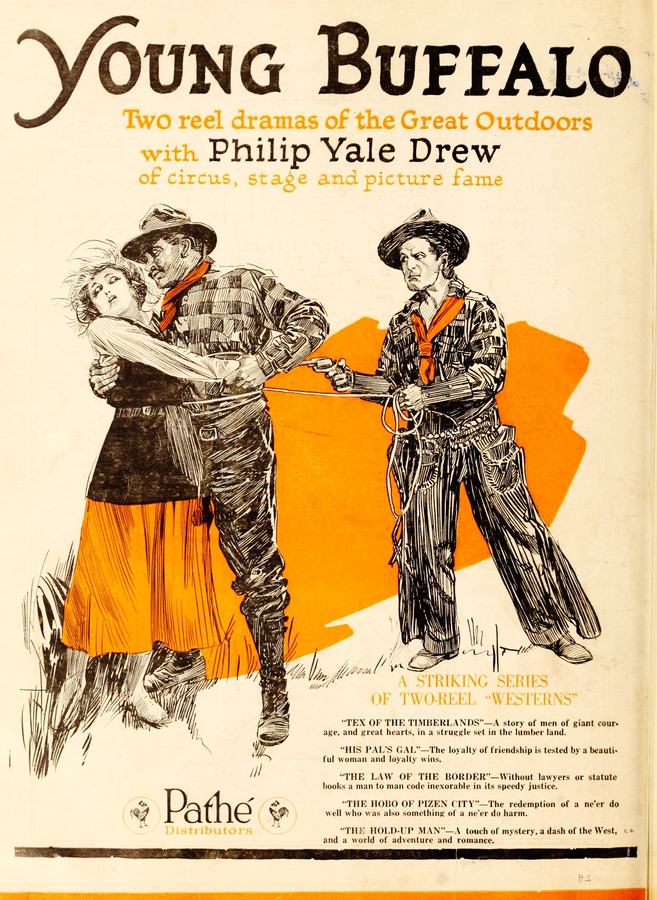
Dir: George Ridgwell
A Secret Service man on the trail of counterfeiters.

Dir: George Ridgwell
A fascinating piece of cinema that shares thematic elements.
View Details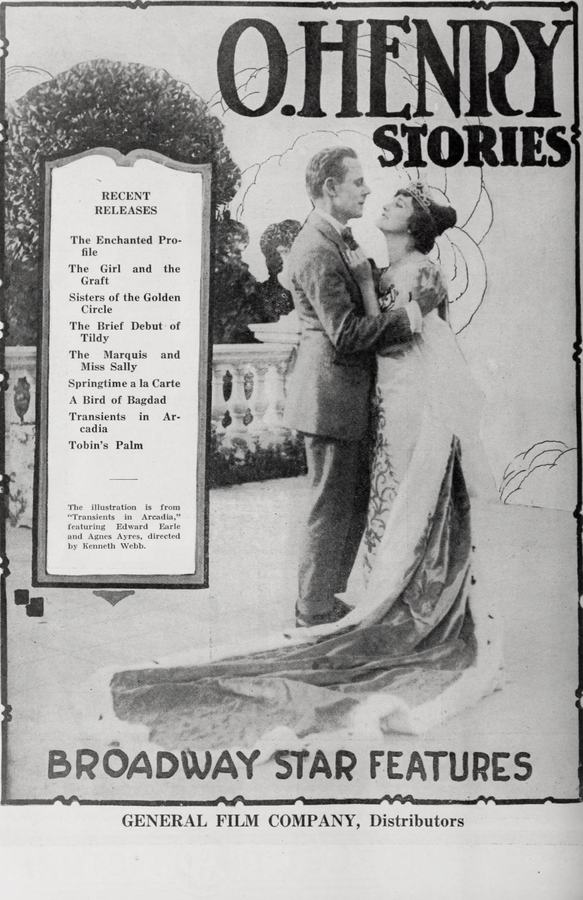
Dir: George Ridgwell
Two women are waitresses in a cheap restaurant. None of the male customers ever look Tildy's way, while Aileen is the recipient of many attentions. One day one of the customers, who has lost his job and imbibed too freely, hugs and kisses Tildy. She is so elated she cannot keep her secret; takes various steps to beautify herself, and sees visions of future happiness. After a lapse of a few days, the customer reappears and apologizes for his disgraceful conduct, and departs leaving the poor waitress almost broken-hearted.

Dir: George Ridgwell
A headstrong but titled suffragette slips into the power of a murderous con artist.
View Details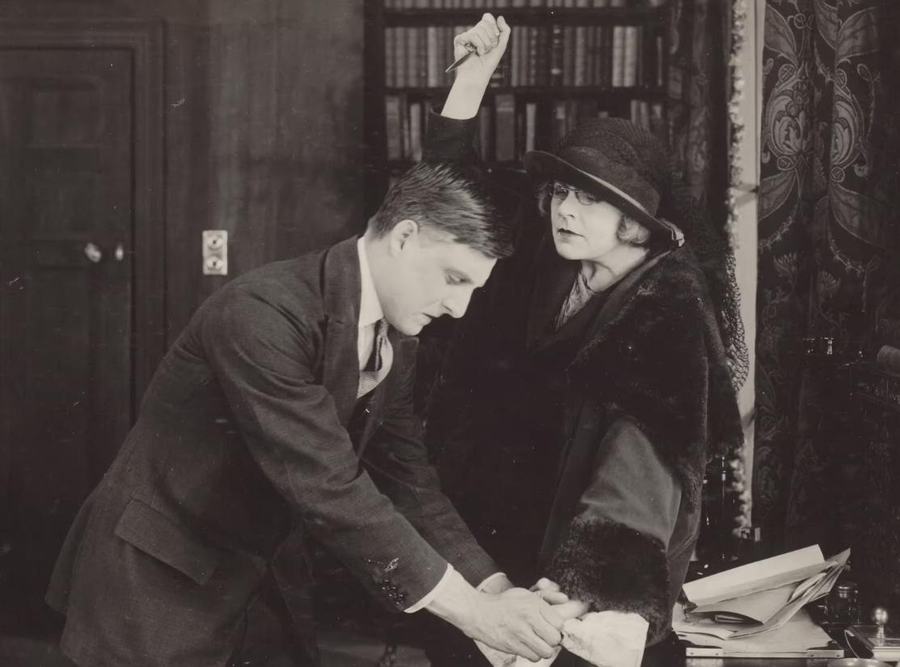
Dir: George Ridgwell
Sherlock Holmes investigates the murder of an amanuensis who clutches a pince-nez and whose last words were, "The professor--it was she."
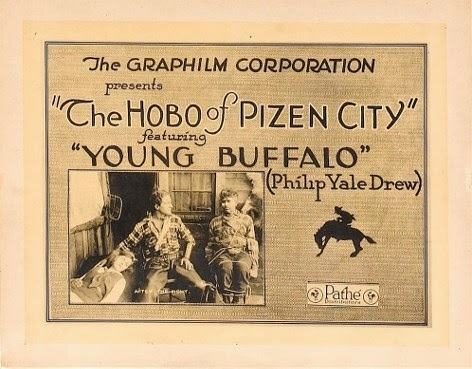
Dir: George Ridgwell
The hero rides into a western town in the garb and appearance of a hobo. The sight of the young school teacher, a newcomer, brings on a speedy change to fancy duds, and he at once begins wooing her.
View Details
Dir: George Ridgwell
An unsavory gang kidnaps a Greek interpreter and forces him to relate their demands to an abductee who knows only the Greek tongue.

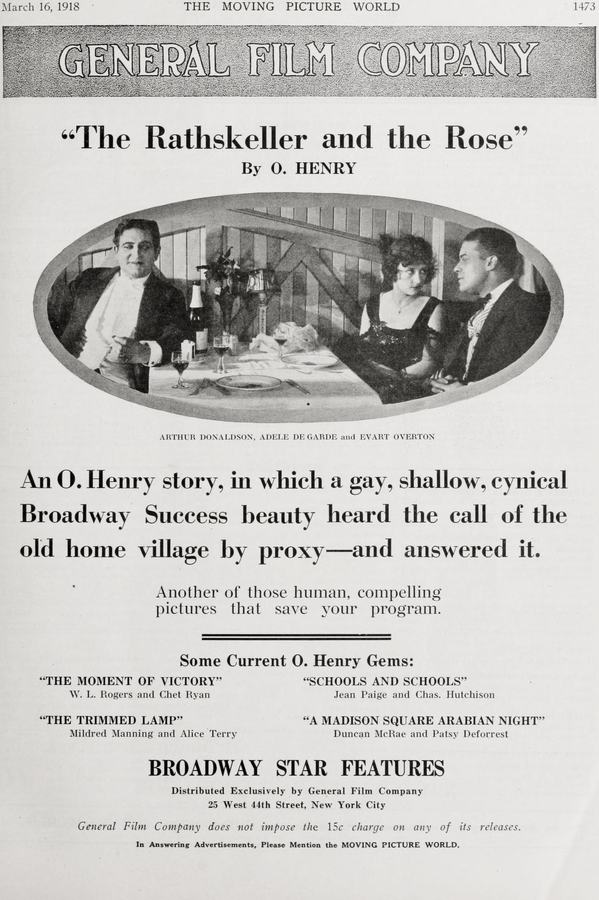
Dir: George Ridgwell
A country girl runs away to town, and achieves success as an actress. A struggling actor desiring a part in her company visits her home town, absorbs local color, and on his return brings a faded rose from the girl's mother, and poses as one of her country neighbors with such success that the girl cancels all engagements and returns home. Then the actor decides to follow her.
View Details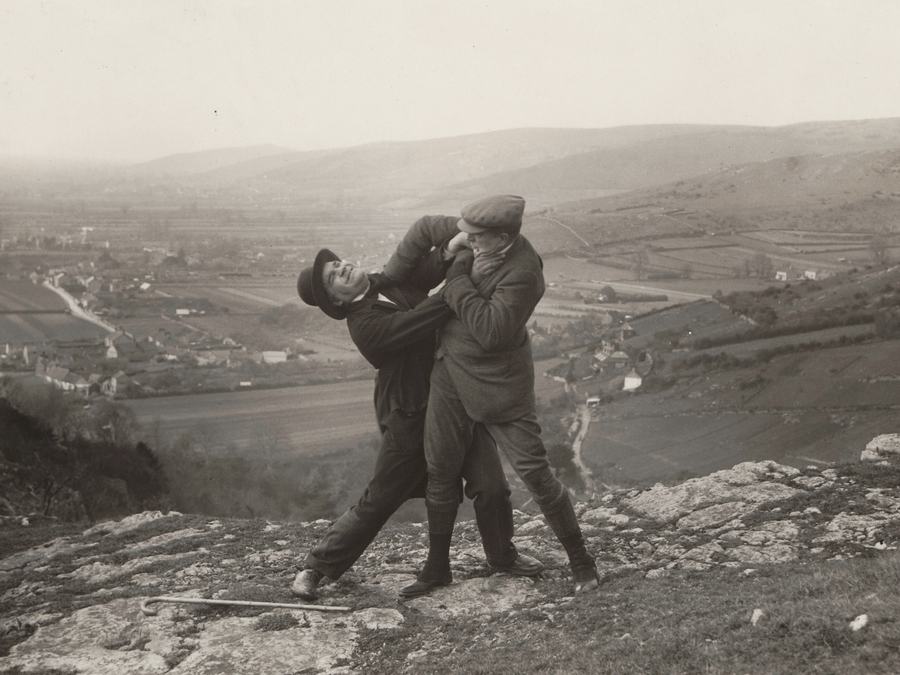
Dir: George Ridgwell
Holmes and Watson travel to Europe to escape Professor Moriarty's vengeance.
View DetailsAnalysis relative to Fruits of Passion
| Film Title | Atmosphere | Complexity | Similarity |
|---|---|---|---|
| The Red Circle | Ethereal | Abstract | 85% Match |
| The Holdup Man | Gritty | Abstract | 85% Match |
| The Last Crusade | Surreal | Layered | 86% Match |
| The Brief Debut of Tildy | Ethereal | High | 96% Match |
| The Disappearance of Lady Frances Carfax | Surreal | High | 94% Match |
This guide was algorithmically generated using the cinematic metadata of George Ridgwell's archive. Last updated: 6/25/2026.
Back to Fruits of Passion Details →