
DbcultAccessing Vault...
Recommendations
Senior Film Conservator
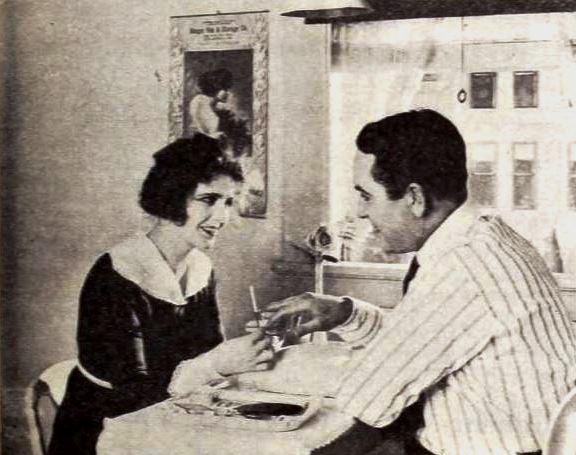
After experiencing the unique vision of Heiress for a Day (1918), you are likely searching for more films that share its specific artistic vision. Unlock a new level of cinematic understanding with these cult alternatives.
This 1918 cult classic stands as a testament to push the boundaries of conventional storytelling.
Working as a manicurist at the Ritz, Helen Thurston, is in love with her wealthy patron, Jack Standring, but the young man's mother wants him to marry a rich debutante. Helen is informed that she has inherited her grandfather's millions, and she proceeds as quickly as possible to acquire expensive clothing and jewelry on credit. Jack, however, is not impressed. Soon Helen learns that she has inherited only $1,000, the remainder of the fortune having gone to her cousin Spindrift. The creditors hound her for their money, and at a grand ball at the Standring home, a detective threatens to arrest her. Touched by her poverty, Jack decides to elope with her. Finally Spindrift violates the conditions of the will, and Helen inherits the entire fortune.
The influence of John Francis Dillon in Heiress for a Day can be felt in the way modern cult films handle unique vision. From the specific lighting choices to the pacing, this 1918 release set a high bar for atmospheric immersion.
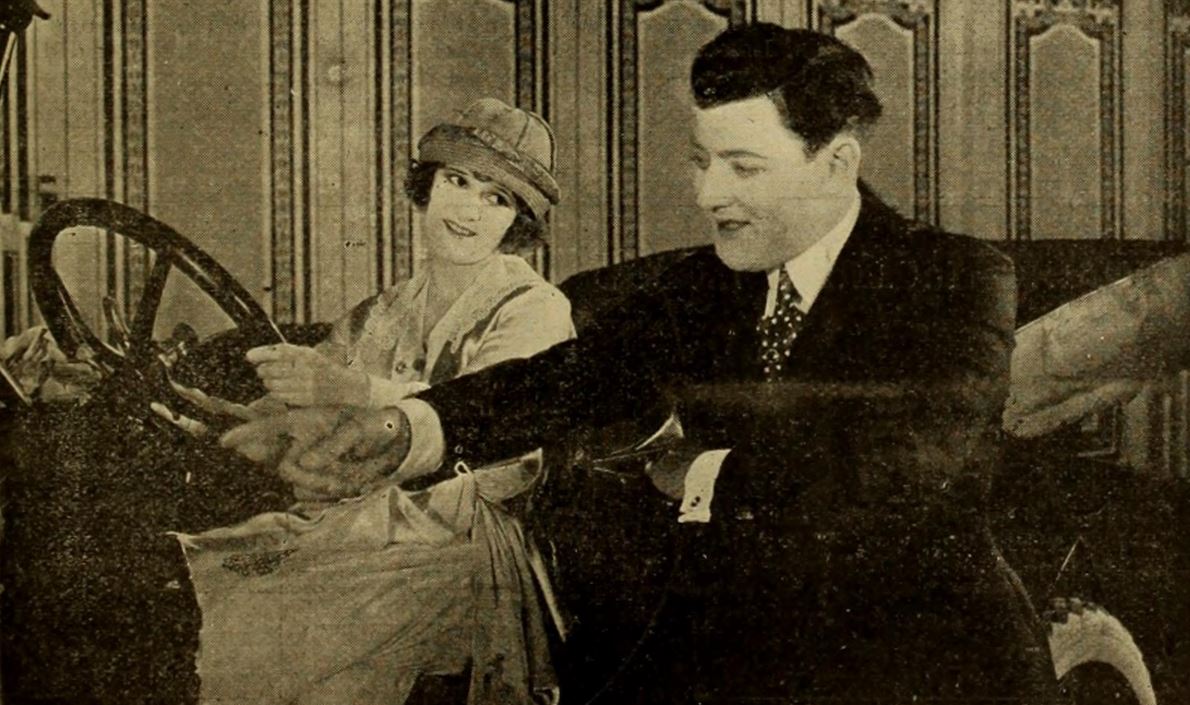
Based on the unique unique vision of Heiress for a Day, our vault has identified these titles as the most compelling follow-up experiences for fans of cult cinema:
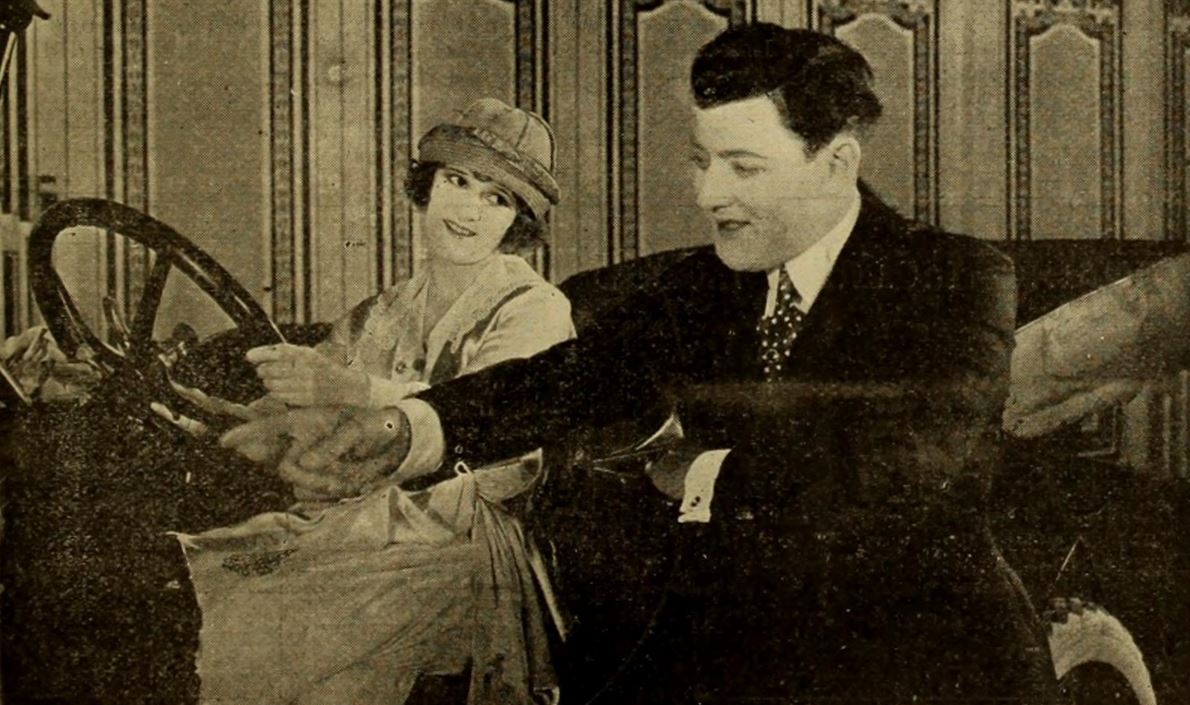
Dir: John Francis Dillon
Diana Rosson, a wealthy and beautiful woman, drives to her country home to escape the unwelcome attentions of her many suitors, particularly Trotwell, her guardian's favorite. Arriving in the middle of a raging storm, Diana rushes into the house only to be attacked by robbers. Passing by the house, Dick Webster hears her cries and rescues her, and the two quickly become friends. Diana falls in love with Dick, but his hatred of the rich prevents him from returning her affections. Anxious to win him, Diana tells Dick that she has a twin sister who insists on earning her own living. Dick agrees to deliver a message to the sister and promptly falls in love with the demure young woman, unaware that she actually is Diana. They marry, but when Horace Sciven falsely accuses Diana of stealing a violin, she is taken to the police station, where her husband discovers her true identity. Realizing that her deception was prompted by love, Dick forgives his young wife.
View Details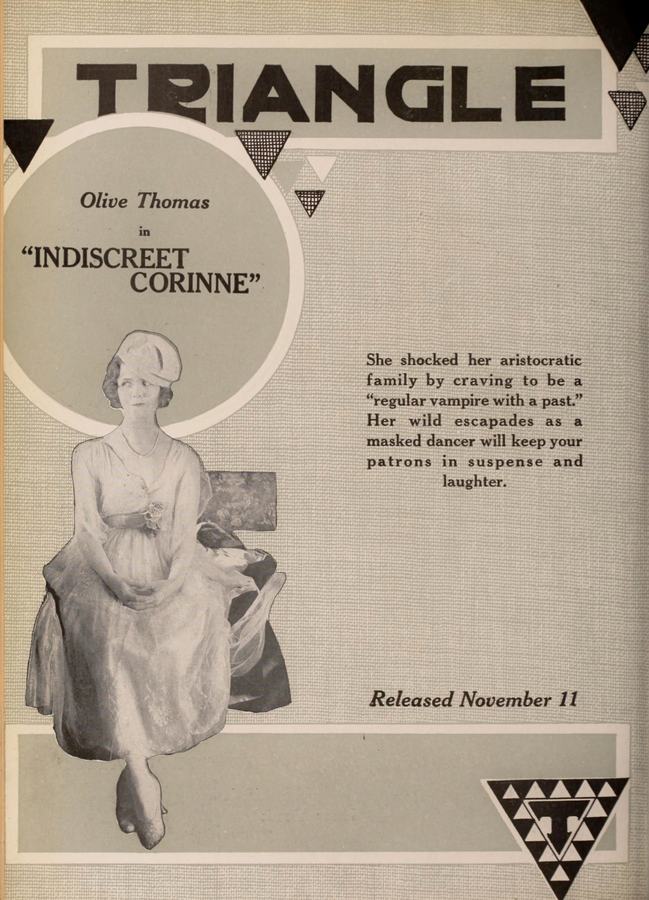
Dir: John Francis Dillon
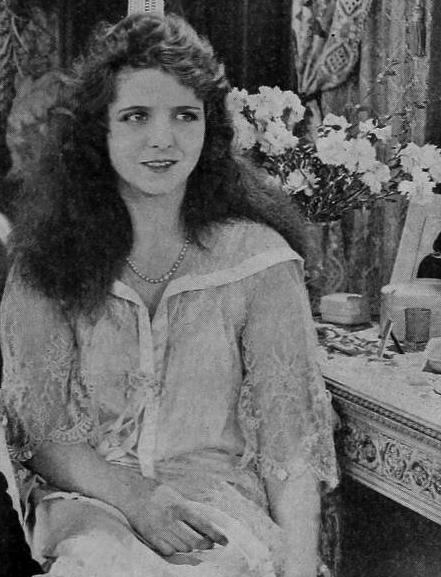
Bored with her life as the daughter of wealthy parents, Corinne Chilvers answers an ad in the paper for a woman with a lurid past. Hired to secure a declaration of marriage from South American millionaire Nicholas Fenwick, Corinne assumes the identity of a masked dancer to attract Fenwick's attention. Competing with Corinne for Fenwick's affections is Pansy Hartley, a woman who actually does have a shady past. After a series of misadventures, Fenwick falls in love with Corinne, whose parents, scandalized by their daughter's escapades, disown her. Reporting to her employers that Fenwick has proposed to her, Corinne discovers that the young man is not a millionaire, but rather the object of a publicity stunt, which is aborted when Corinne and Fenwick really do get married. Fenwick then approaches Corinne's parents and persuades them to forgive their daughter for her scandalous behavior.
View Details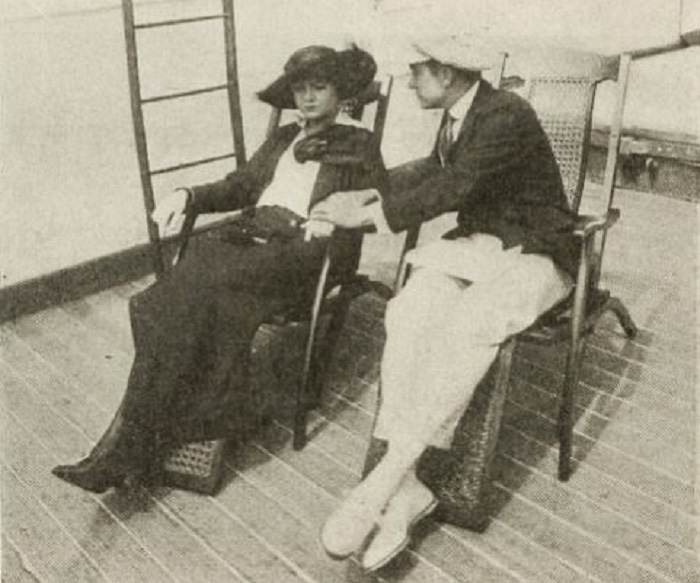
Dir: John Francis Dillon
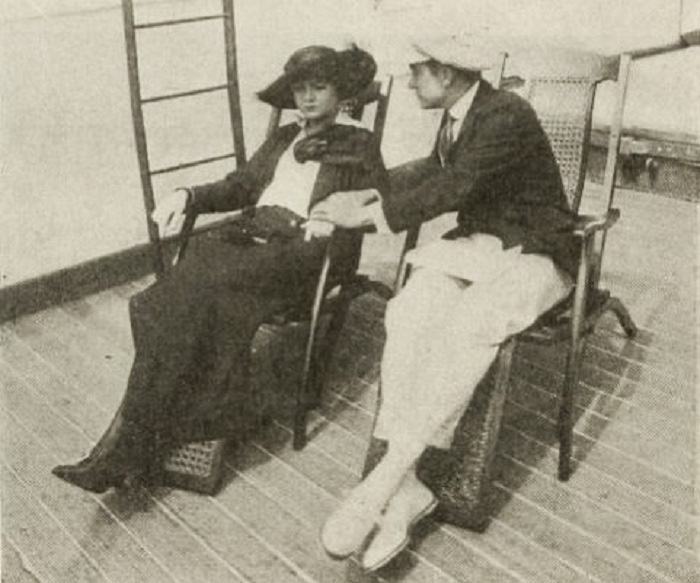
George Carter, a revolutionist in South America, is the exact double of Frederick Marston, a famous artist in Paris. Carter is betrayed by a comrade and is sentenced to be shot. He takes a desperate chance and escapes on board a vessel bound for London. In Paris Marston is stabbed by a model because he does not return her love. The wound incapacitates him from painting, and leaves an ugly scar, and he goes to America on a vacation. Highwaymen attack him, inflicting injuries which cause a total loss of memory. The robbers leave nothing in his pockets but the key to his Paris studio, and Marston adopts the name of Robert Anglo-Saxon. Five years later he falls in love with Duska Filson, a noted beauty, and at a dinner given by her he meets Gen. Robero, a South American ambassador, the man who condemned Carter to death. Robero believes Saxon is Carter and writes Saxon a letter warning him that if he marries Duska he will have Saxon extradited to South America and shot. Robero convinces him that he is Carter and Saxon goes to South America to pay the penalty of the crimes he believes himself guilty of. On the boat he meets Rodman, Carter's betrayer. Duska follows Saxon to South America and learns that Saxon has proven his innocence and departed two days before. She sends him a wireless and he has the ship stopped and lands at Puerto Frio, and learns that the revolution has broken out. In fighting his way through the lines he is shot and is placed on board a vessel bound for France by Rodman. Rodman tells Duska what has occurred and she follows Saxon to France. Saxon's mind clears and through the medium of the key which fits the lock of his house his identity is clearly established. Duska learns that Saxon is the world-renowned artist and his a wife who is very ill. When Saxon reaches his home he finds Duska at the bedside of his wife, who has just died. Duska respects Saxon's grief and departs, with her dream of happiness shattered.
View Details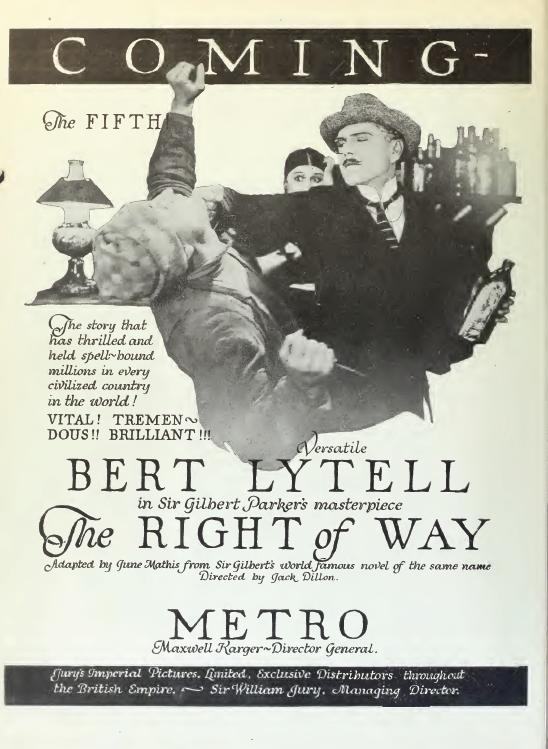
Dir: John Francis Dillon
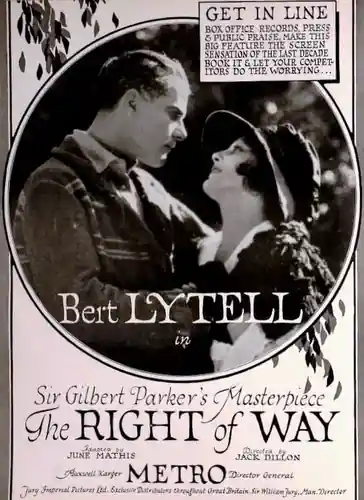
Snobbish attorney Charles 'Beauty' Steele loses his wife due to his drinking and his airs at the same time that his brother-in-law absconds with funds belonging to one of Steele's clients. In search of the thief, Steele is attacked and left for dead. He is rescued by a kind couple, but suffers from amnesia. He starts life afresh and is happy, until the return of his memory sends him back to resolve his old involvements.
View Details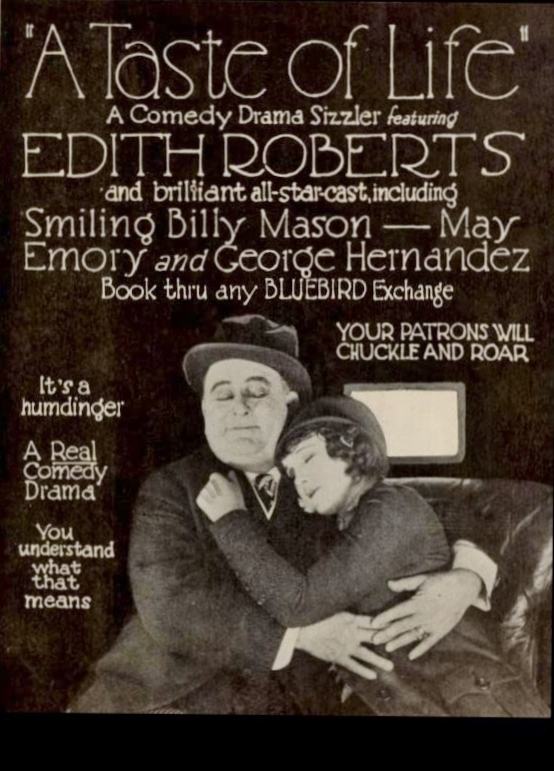
Dir: John Francis Dillon
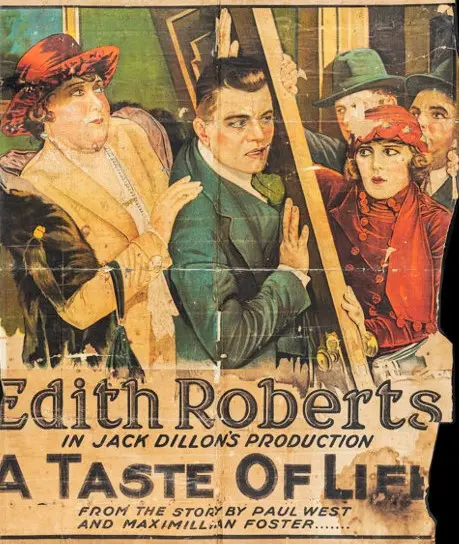
When her husband, struggling lawyer Horace Dillingham, is unable to provide adequate money for her insatiable desire for expensive cherries, Kitty Dillingham goes to work as a stenographer for him. One day while Horace is out of the office, Kitty mistakes Jonas Collamore, a defendant in a divorce suit for whom Horace is acting, for an important client. Kitty agrees to lunch, and, swallowing many maraschino cherries along with their cocktails, becomes drunk. Jonas takes her to a nearby inn where they are followed by Mrs. Collamore's detectives, who then summon Mrs. Collamore and her lawyer Horace. Kitty realizes Jonas is trying to create a compromising situation, and she leaves through the window. When the detectives break in, the only trace of Kitty is her hairpin. Kitty and Jonas then conspire to entrap their spouses. Both couples manage to straighten out their domestic problems at the last minute.
View Details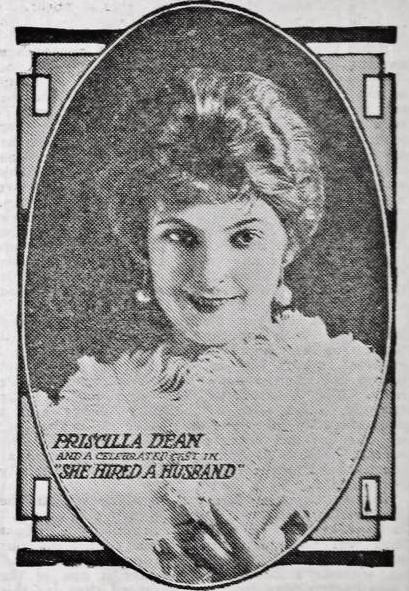
Dir: John Francis Dillon
Daphne Trowbridge, an impulsive and obstinate but nonetheless kindhearted young woman, lives with her aunt and uncle on their country estate. Daphne falls in love with Tom Dunstan, but when she learns that Mrs. Trowbridge favors the young man, she deserts him, whereupon he departs for the woods brokenhearted. Because her aunt dislikes Gerald, Daphne accepts his proposal, but on the day of the wedding, she discovers that Mrs. Trowbridge has liked him from the beginning. Furious at her aunt's scheming, Daphne hires the first man she meets, who happens to be a heavily bearded lumberman, to marry her and then leave. Later, however, her hired husband abducts her to his cabin in the woods, where he eventually succeeds in taming her. After he rescues her from two lecherous lumberjacks, Daphne discovers that her husband is Tom, whom she had loved all along.
View Details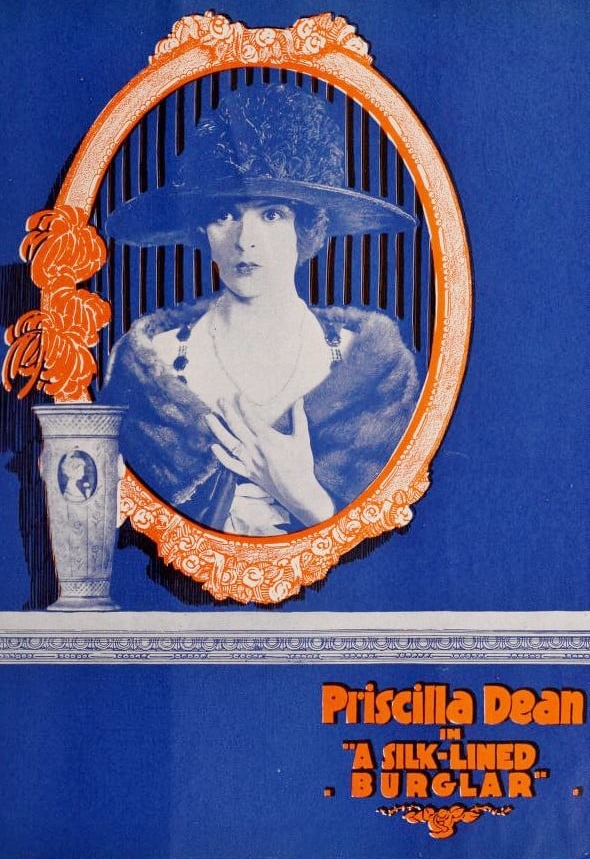
Dir: John Francis Dillon
Gentleman crook Boston Blackie answers a want ad for an expert safe cracker placed by Doris Macon, who claims a moral right to the safe's contents. She hires Blackie, and they break into the house where the safe is kept. Blackie blows up the safe just as owner Captain von Hoffmeier returns home. Doris disappears with papers from inside the safe, while Blackie takes phonograph records, which, when played with a special needle, reveal secrets that implicate von Hoffmeier as a German political spy. Doris is actually the girl friend of a secret service man who has followed them to the house. Blackie's talents are praised, and he goes to work for the government.
View Details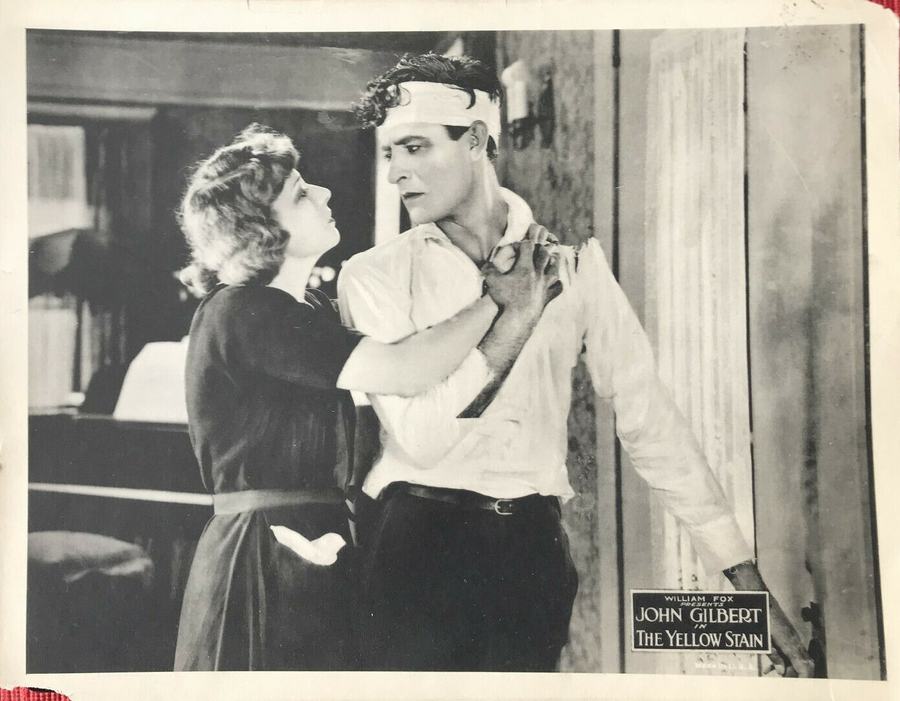
Dir: John Francis Dillon
Donald Keith, a young lawyer who takes up residence in the small town of Owasco, Michigan, finds himself opposed by lumber king Quartus Hembly, feared by all the townspeople. Keith takes up the case of Daniel Kersten against Hembly, who has cheated him out of his property, and during his investigation he discovers that the father of Thora Erickson, whom he loves, conspired with Hembly against Kersten, and at length he obtains a deathbed confession from Erickson. Hembly has Keith wounded on the night before the trial and bribes the jury, but Keith appears, stirs up the town in rebellion against Hembly in spite of his weakened condition, and wins his case.
View Details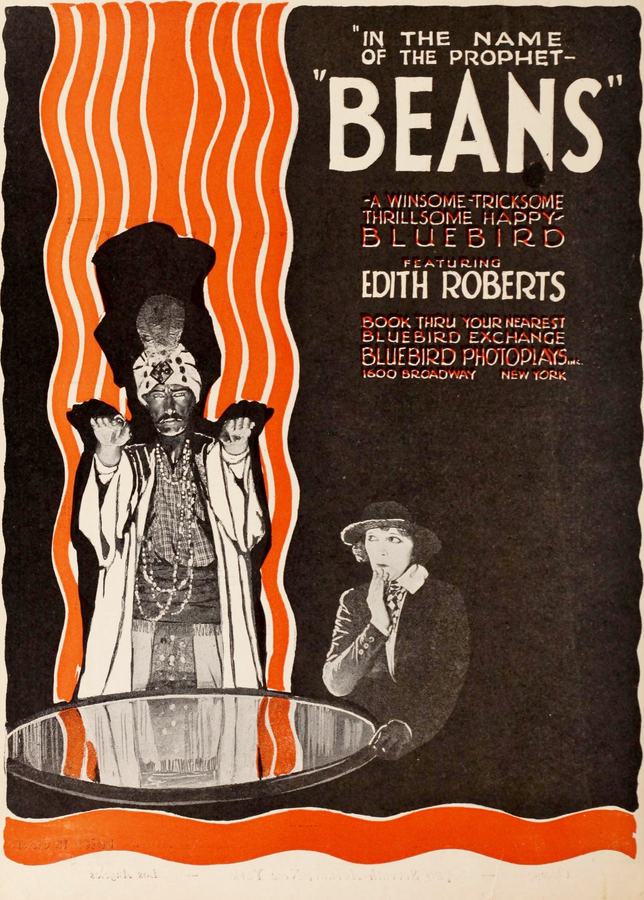
Dir: John Francis Dillon
Brewster, the bean king, has an option of renewal on a certain bean canning plant owned by Ellis. Ellis does not desire to renew and hires Wingate, a shyster lawyer, to help him. Brewster has to send Betty to renew the contract. Later he sends his lawyer to help her and Ellis' man persuades her that he is a plotter. There follows plot and counter-plot, but all-innocently Betty carries the day.
View Details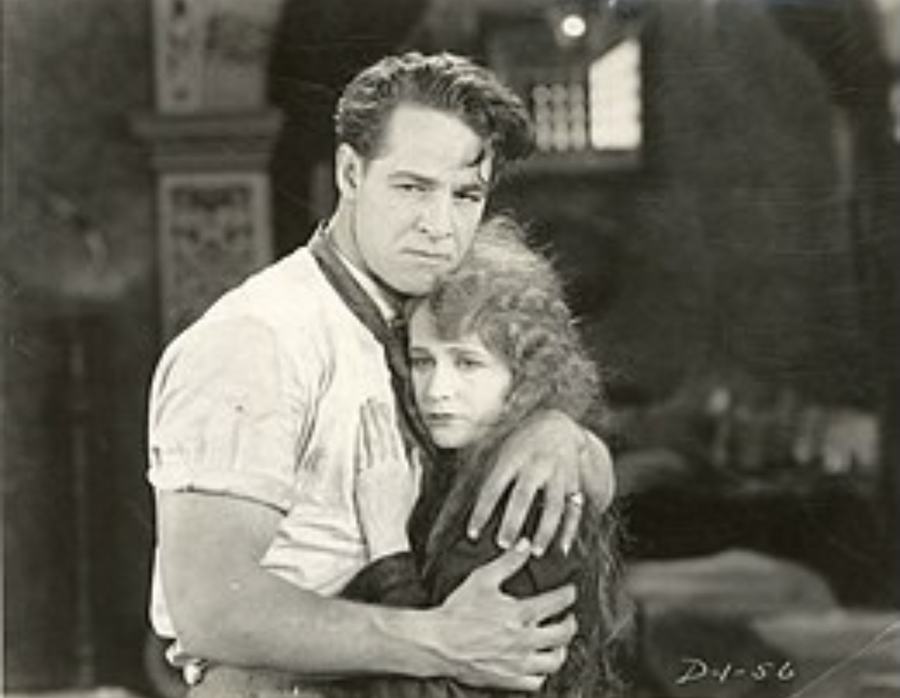
Dir: John Francis Dillon
Jerrold Jarvis Jones, a lowly shipping clerk, falls asleep on his office stool and has a dream: He is an aggressive, carefully groomed man of the world who welcomes adventure when an attractive girl addresses him as Tourvaine and takes him on an automobile ride. He is taken to a meeting of a secret criminal society known as "Children of the Night" and is mistaken for a new leader who was to arrive from abroad, a role he assumes until exposed. In a series of fights with the crooks, he rescues Sylvia (in real life a secretary in his office) and mingles in the world of high society. Awakening from his dream, he is fired with ambition and astonishes everyone by walking out with the stenographer.
View DetailsAnalysis relative to Heiress for a Day
| Film Title | Atmosphere | Complexity | Similarity |
|---|---|---|---|
| The Love Swindle | Gritty | Layered | 95% Match |
| Indiscreet Corinne | Gritty | Dense | 97% Match |
| The Key to Yesterday | Gothic | High | 94% Match |
| The Right of Way | Gothic | Layered | 90% Match |
| A Taste of Life | Tense | High | 86% Match |
This guide was algorithmically generated using the cinematic metadata of John Francis Dillon's archive. Last updated: 6/15/2026.
Back to Heiress for a Day Details →