
DbcultAccessing Vault...
Recommendations
Senior Film Conservator
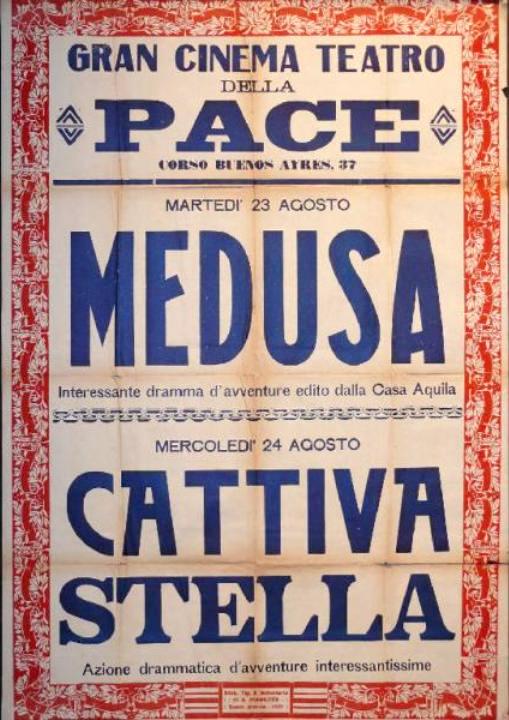
Since its 1916 debut, La cattiva stella has maintained a cinematic excellence status, the legacy of La cattiva stella is a beacon for those seeking the unconventional. Our criteria for this list were simple: only the most cinematic excellence and relevant titles.
The 1916 landscape was forever altered by the arrival of to sustain a sense of mystery that persists after the credits roll.
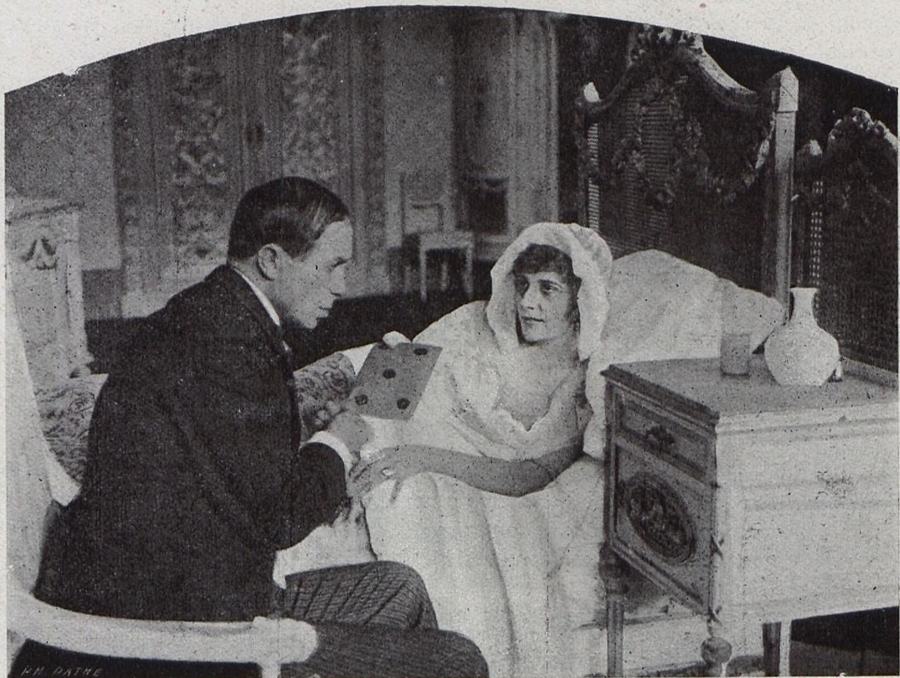
Critics widely regard La cattiva stella as a cult-favorite piece of cult cinema. Its cinematic excellence is frequently cited as its strongest asset, solidifying its place in Italy's film legacy.
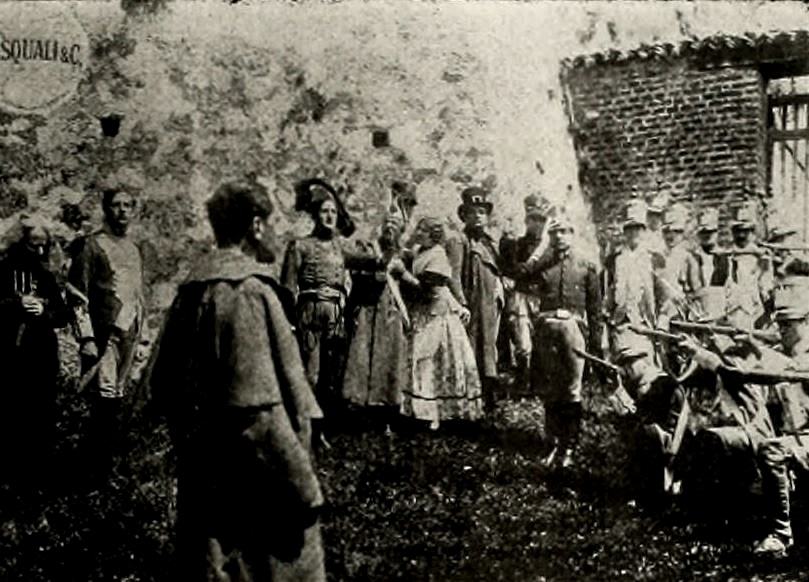
Based on the unique cinematic excellence of La cattiva stella, our vault has identified these titles as the most compelling follow-up experiences for fans of cult cinema:
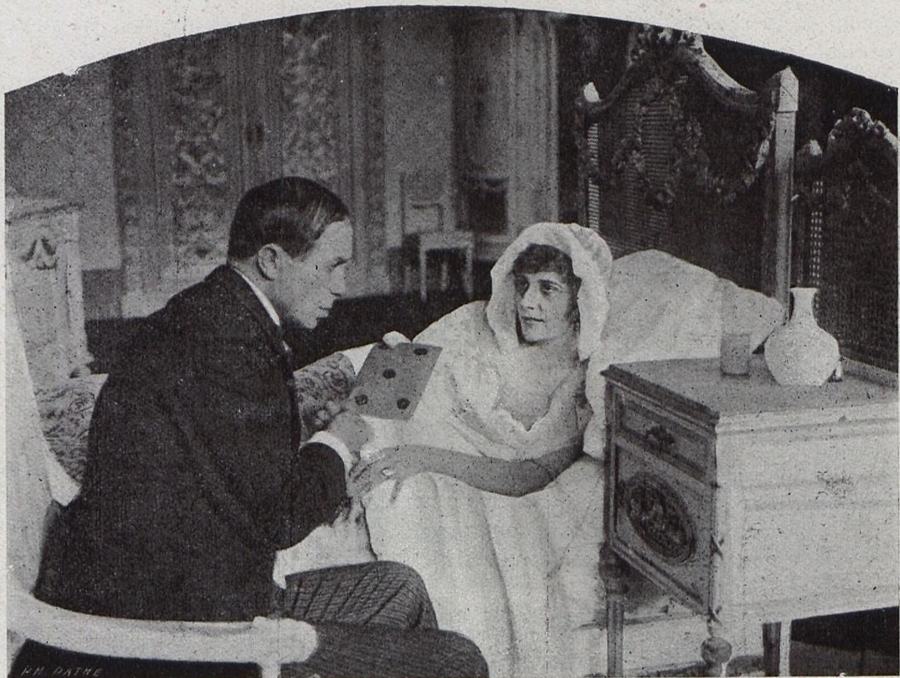
Dir: Eugenio Perego
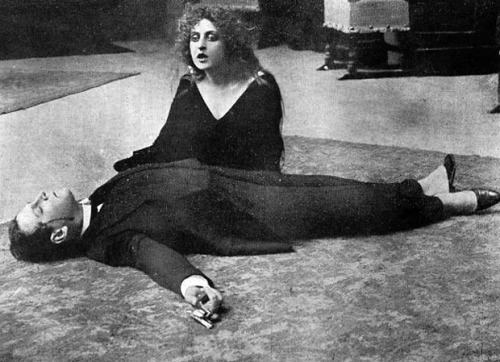
A fascinating piece of cinema that shares thematic elements.
View Details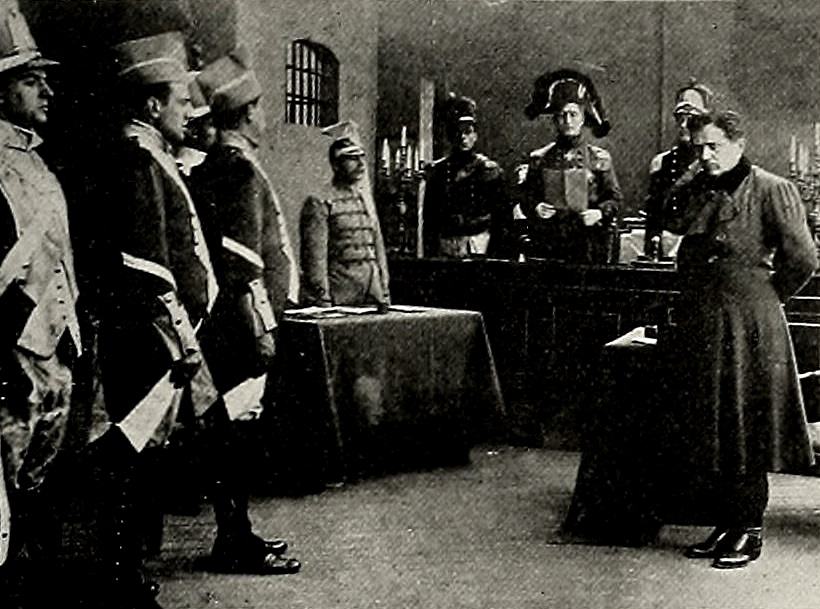
Dir: Eugenio Perego
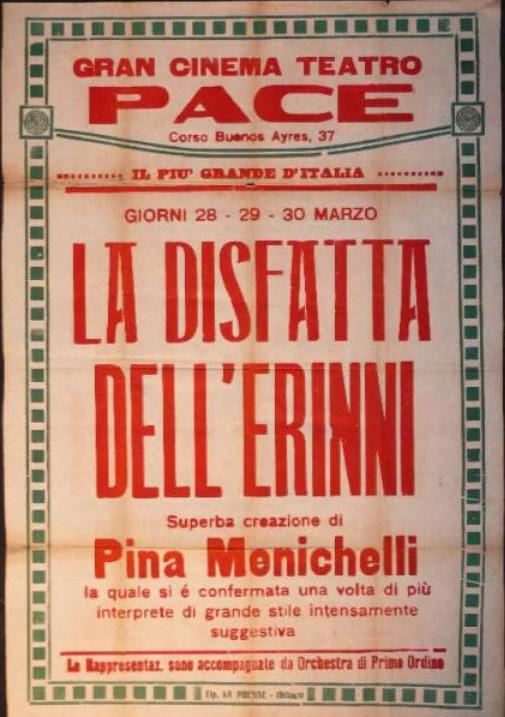
Capt. Derville has occasion to reprove a slovenly soldier at review. This soldier in a spirit of revenge for his humiliation, steals a large part of the funds with which Derville is entrusted. Derville cannot account for the disappearance of the money, and knowing he will be disgraced, he disappears, aided by Tom, his old servant, who supplies him with the clothes of a peasant. Derville is intensely fond of his wife and two children, and the reparation is bitter tor all. In the mountains Derville saves the life of Gustave, a peasant. War breaks out and Derville and Gustave enlist, the former under the assumed name of William. During a fierce battle William (Derville) picks up a bomb and hurls it away as it is about to explode under the feet of a general. For this brave act he is made a sergeant. A warm friendship springs up between him and Sergeant Robert, and the two are inseparable. The plague strikes the town and to prevent its spread strict military quarantine is established. The two sergeants are posted at a gate and refuse to permit anyone to pass. A widow and two children try to get into the gates, and tell a pathetic tale of hunger, adding that they will surely starve to death unless permitted to reach the house of their aunt. The resemblance of the children to Derville's own little ones touches his heart, and the two sergeants allow them to pass. A disgruntled peasant who had been turned back complains to Valmore, the aide-de-camp. This worthy is in love with Laura, the fiancée of Robert, and he takes advantage of the opportunity to rid himself of his rival by denouncing the two sergeants. The general is touched by the pitiful tale, but is compelled to order a court-martial, which finds the two men guilty, but holds that in view of the extenuating circumstances only one man shall he executed, and that lots shall be cast to see which shall die. William and Robert throw dice and William is the unfortunate one. The men are sent back to their cell by the old turnkey, who is the uncle of Laura. While there, William receives a note from a friend, informing him that his wife and children have taken refuge on the island of Rozes, not very far off. Derville, who had not been able to communicate with his family for three years, breaks down, and tells Robert the story of his life. Robert requests the aide-de-camp to permit Derville to go on the dispatch boat, which makes daily trips to the island of Rozes, to kiss his wife and children good-bye, agreeing to stay as a hostage and die in his stead should he not return. The aide-de-camp sees possibilities in this and consents. Gustave, the man Derville saved, is in charge of the dispatch boat, and the aide-de-camp secretly tells Gustave that if he delays the return of William he will. In the meantime, get a pardon for Robert. The simple Gustave believes him. Mrs. Derville and the faithful Tom are living in a cottage on the island. The cannon announces the arrival and departure of the dispatch boat, and every day Tom goes to see, if by chance, word has come from the captain. Tom hears the soldiers talking about a proclamation and recognizes the name of his master. He takes the proclamation and finds it is an acknowledgment by the secretary of war of the innocence of Capt. Derville of the charges against him, the guilty man having confessed before dying. When Derville reaches the island, therefore, he finds himself in the peculiar position of a free man, restored to rank as Capt. Derville, and as Sergeant William he is condemned to death. The meeting between the wife and husband is wonderfully depicted, and very touching. Gustave tells the old servant that if he makes his master miss the boat his life will be saved. Tom, therefore, sets the clock back an hour, and Derville is astounded to hear the booming of the cannon announcing the return of the boat. The weeping wife and children cling to him, but he tears their hands away and dashes to the water's edge. There is only one way to keep his word of honor to swim, and he dives into the water and begins the long journey. The dispatch boat arrives at the fortress without William, and the execution of Robert is ordered. The general is angry when he learns what has been done, but despite the pleadings of Laura and her uncle, he is compelled to carry out the sentence. Robert faces the firing squad, and the commands are given: "Ready. Aim." Before the word "Fire," is said, the old turnkey sees in the distance the swimmer nearing the shore, exhausted. Derville is assisted to land and Robert is saved. Derville makes known his rank to the general, as well as his true name. Laura and her uncle eloquently plead for mercy, and the old general is, in fact, only too glad to have an excuse to stop the unpleasant proceedings, and tells Derville that to make atonement for the great wrong done him, a pardon would be secured for him. Then, indignant at the conspiracy of the aide-de-camp, he removes him from office and orders him under arrest to be himself court-martialed for his vile plotting.
View Details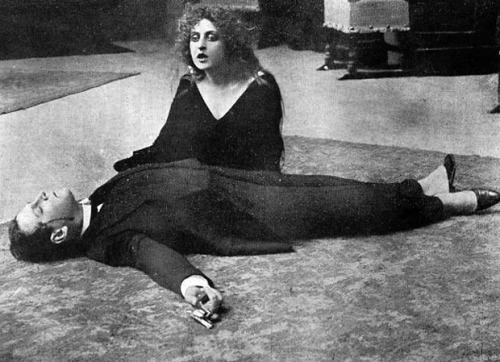
Dir: Eugenio Perego
Situated in the picturesque surroundings of Villabella, the Durest's estate rises stately where Liana and her sister live among the flowers, under the care of their aunt Malvina, to whom the late count had entrusted them. Liana is not enjoying herself between the golden bars of her prison; her spirit asks freedom. Love appears to her in the person of the famous poet-novelist Julian Morris. Music and poetry, their souls unite and love smiles with golden wings at these young people. They marry against Aunt Malvina's wishes, and move into a villa befitting their status. The young spouses plunge passionately into the pleasures of their new state. They enjoy the parties and the life of high society that, because of their supposed status, represents normal life for them. After the initial glow of their passion, Liana and Julian realize that the income from the poet's literary successes does not cover the high costs their lifestyle requires, but he succumbs again and again to the pleasures of the mad life. He starts asking his publishers for advances on the books he promises to write, but his passion continues to occupy every moment of his life. His fame as a writer has reached the government and he receives an official assignment to write a study on two important paintings destined for an exhibition, which are transferred to their villa for that purpose. His lifestyle has forced Julian into huge debts, and the usurer who has contributed to his downfall hands him documents that will expose his true financial condition and expose him to a great scandal. Julian Morris asks for a delay and rashly hands over one of the paintings as collateral. However, Julian's levity is discovered and the painter of the canvas furiously demands reparations for such villainy. Without her husband's knowledge, Liana decides to seek support from Aunt Malvina and asks her for money to save her husband's honor. The lady, driven by the genuine remorse gnawing at her soul, gives Liana an advance on her inheritance and the young woman quickly leaves with what is meant to be the salvation for her beloved. But the scandal has become public knowledge and only death can remove the stain that henceforth indelibly marks Julians name. Without the courage to say goodbye to his beautiful wife, he commits suicide just as she arrives with the money. Excessive strolling through the lush garden of lust had brought him to such a tragic end, the film concludes.
View Details
Analysis relative to La cattiva stella
| Film Title | Atmosphere | Complexity | Similarity |
|---|---|---|---|
| Fiamma simbolica | Tense | Abstract | 87% Match |
| The Two Sergeants | Gritty | Abstract | 87% Match |
| Il giardino incantato | Tense | Dense | 95% Match |
| La disfatta dell'Erinni | Tense | Linear | 89% Match |
This guide was algorithmically generated using the cinematic metadata of Eugenio Perego's archive. Last updated: 6/25/2026.
Back to La cattiva stella Details →