
DbcultAccessing Vault...
Recommendations
Senior Film Conservator
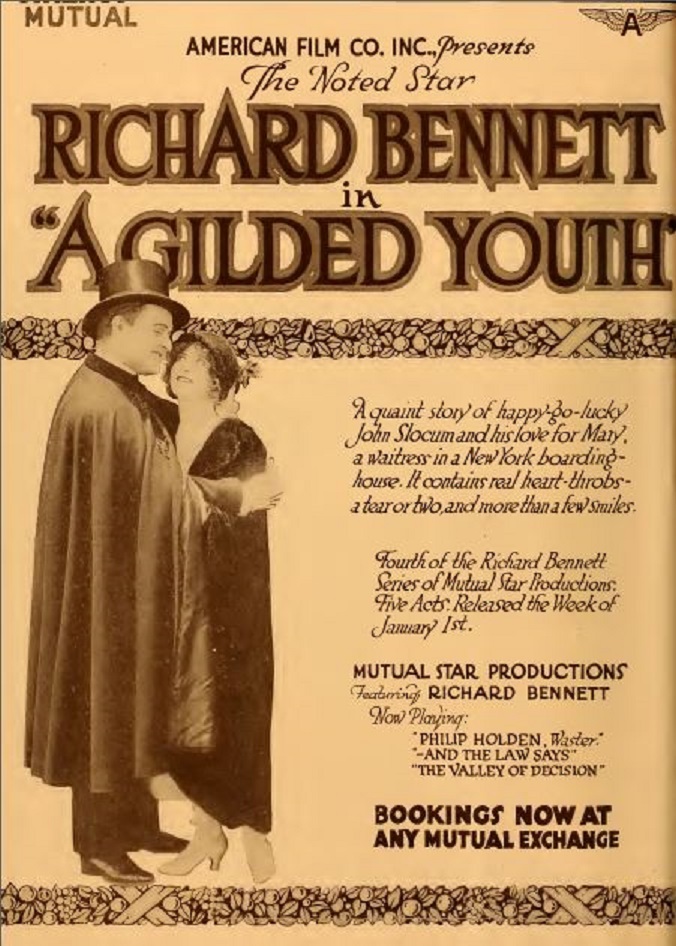
For cinephiles who admire the cinematic excellence within The Gilded Youth, its lasting impact ensures that its spirit lives on in modern recommendations. Each of these movies shares a piece of the cinematic excellence that made The Gilded Youth so special.
At its core, The Gilded Youth is a study in to provoke thought and inspire awe in equal measure.
Mary, the maid in a boardinghouse, falls in love with boarder John Slocum. Planning to marry, the couple jointly opens a savings account. In order to increase the account, John deprives himself of the barest necessities until he realizes that his scraggly appearance is making him the laughingstock of his office. After winning a lottery, John takes his winnings and invests them in fine clothes which allow him entry into exclusive restaurants where he eavesdrops on the brokers for stock tips. Meanwhile, Mary, suspicious of John's new raiment, believes that he is having an affair, but is pleasantly surprised when the tips pay off, making John a millionaire.
Based on the unique cinematic excellence of The Gilded Youth, our vault has identified these titles as the most compelling follow-up experiences for fans of cult cinema:
Dir: George L. Sargent
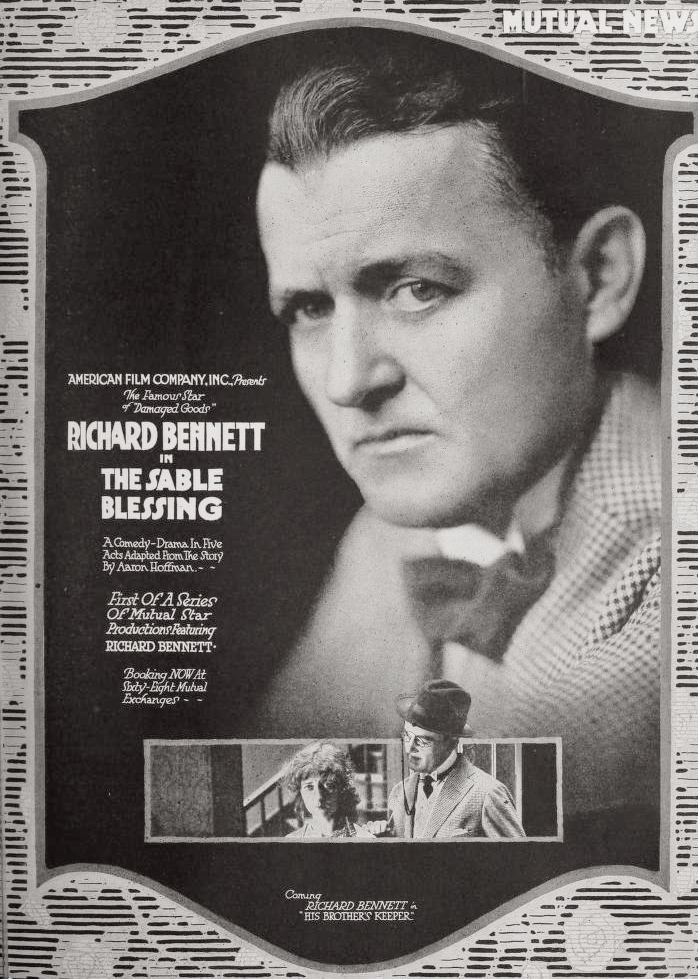
John Slocum has always been a worthy young man. When a boy of twelve his Uncle Henry introduced him to little Bess De Voe, telling them that when they grew up they should marry. John's uncle sends him to the New York manager of a publishing house with instructions to "give him a job at what he is worth, and keep him on until he makes good." John thanks him, but stipulates that he does not intend to marry Bess. As the story opens, John is living in a New York boarding house. There is a waitress and general slavey there, called Little Mary, with whom John is in love. He tells her the "sad" story of his life, makes himself out good for nothing, and then proposes to her. They agree to start a joint bank account and save up to get married. For months they pinch and save. As time goes on Uncle Henry pays a visit to the city. John insists that his uncle shall take lunch with him. John takes Uncle Henry to his room, and the "old boy" is amazed to find that John has pictures of motion picture actresses plastered all over his walls, and that his own favorite and ward, Bess, is the bright particular star of the exhibit. John, however, is unaware of the real identity of the actress, and is still in love with Mary. After lunch Mary is introduced, but the uncle only frowns and carries John away to Bess. Uncle Henry declares that they must marry or he is through with them. Mary finds two tickets for a Belgian Relief Fund raffle, and with John she goes down to see what the ticket has won. To their great surprise he wins a sable overcoat. John puts it on. It feels fine, but he declares they will pawn it next day. John swells up in the coat. Everybody laughs at the contrast between it and his suit and shoes. Finally he gets a suit and shoes to match the coat in elegance, taking the money out of the "hope chest." By this time the joint bank account of John and Mary has ebbed away until the original balance of $381.20 has shrunk to $103.06. At this dark moment John overhears his boss and a friend discussing stocks and predicting that American Airoplanes stock will jump a mile before night, and that a hundred dollars will make a young fortune. John takes the cue and buys American Airoplanes. He watches the market closely, pyramiding his stock, and while Uncle Henry is demanding of Bess that she marry John instantly John is piling up a fortune. The broker hands him his check. Bundles and packages commence to arrive for him at the boarding house. Mary surveys the pile in dismay as she wonders where the joint account has gone. When John comes, Mary tells him to go marry Bess with all her fine clothes. John hands her a fat roll of bills, and tells her to go and buy clothes. John leaves the boarding house and Mary becomes despondent. She determines to dress up and win him back. John has gone to visit Bess in obedience to a request from her. He meets Bess at the tavern, and she takes a large amount of money from him. Mary, finely dressed, appears at the tavern. Crow, the boss of the publishing house, sees her and likes her appearance. It so happens that Bess has prevailed upon John to take her to the Tavern also, and they occupy a booth near to the one in which Crow is trying to ply Mary with wine. Crow contrives to let Mary see John and Bess in their booth. Crow drags Mary away, but John has seen her and dashes after. He locates Crow and Mary in a booth to which Crow has forcibly taken her, and John casts Crow violently aside and embraces Mary. Crow recovers sufficiently to beg Mary's pardon, while Bess departs. Late as is the hour, John finds a minister and marries Mary.
View Details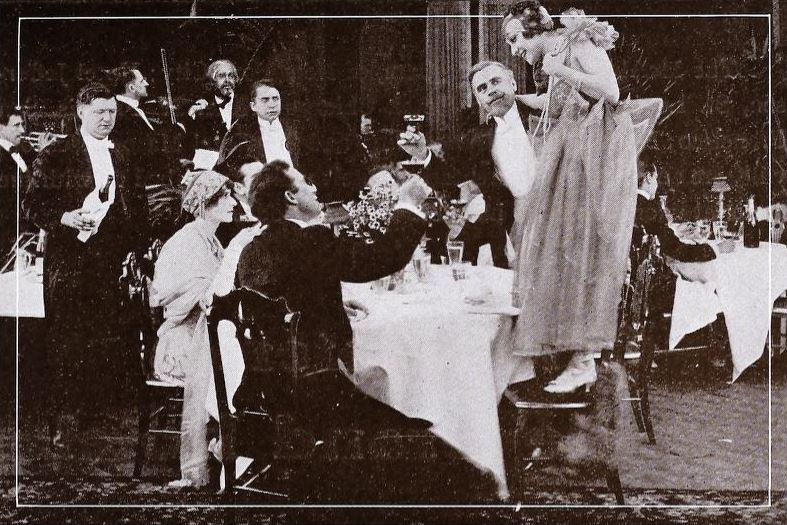
Dir: George L. Sargent
Jim Hall tries to discourage his daughter Natalie's love of dancing, but the girl finds a warm friend in old Carlo, a musician. Natalie's beauty attracts Brace's attention. At the latter's orders, Spud Howell kidnaps the girl. Hall, attempting to interfere, is slain. Marston, assistant district attorney, is ignorant of the fact that his uncle, Fisk, is the head of the vice ring. Marston discovers Natalie's predicament and rescues her. Falling in love with the girl, he obtains a position for her in a friend's office. Natalie resigns when her employer later makes love to her. The girl lands a position in the chorus of a musical comedy company. Her dancing attracts the manager's attention and when the principal falls ill, Natalie takes her place. The girl's wonderful dancing makes her famous. Marston, who had lost track of Natalie, finds her again when he visits the theater. Fisk, madly in love with the girl, invites her to a dinner he is giving. Carlo, employed at the restaurant where this function is held, recognizes in Fisk the man who had blasted his life. When Natalie and Fisk's friends accompany the man to his apartment, Carlo follows. Marston trails the party in an auto. Later, Fisk contrives to get Natalie alone. Marston, hearing the girl's cries for help, batters down the door. He comes in time to see Carlo, who had climbed through a window, shoot the girl's assailant. Brace, in coming to his master's assistance, shoots at Marston but misses and kills Carlo. While the murderer is placed under arrest, Marston takes Natalie in his arms.
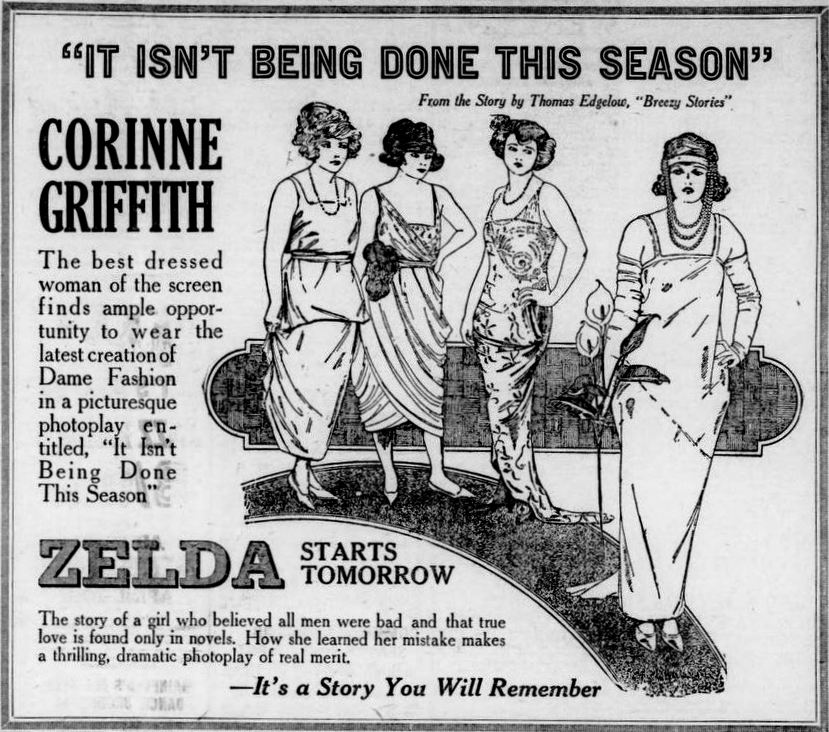
Dir: George L. Sargent
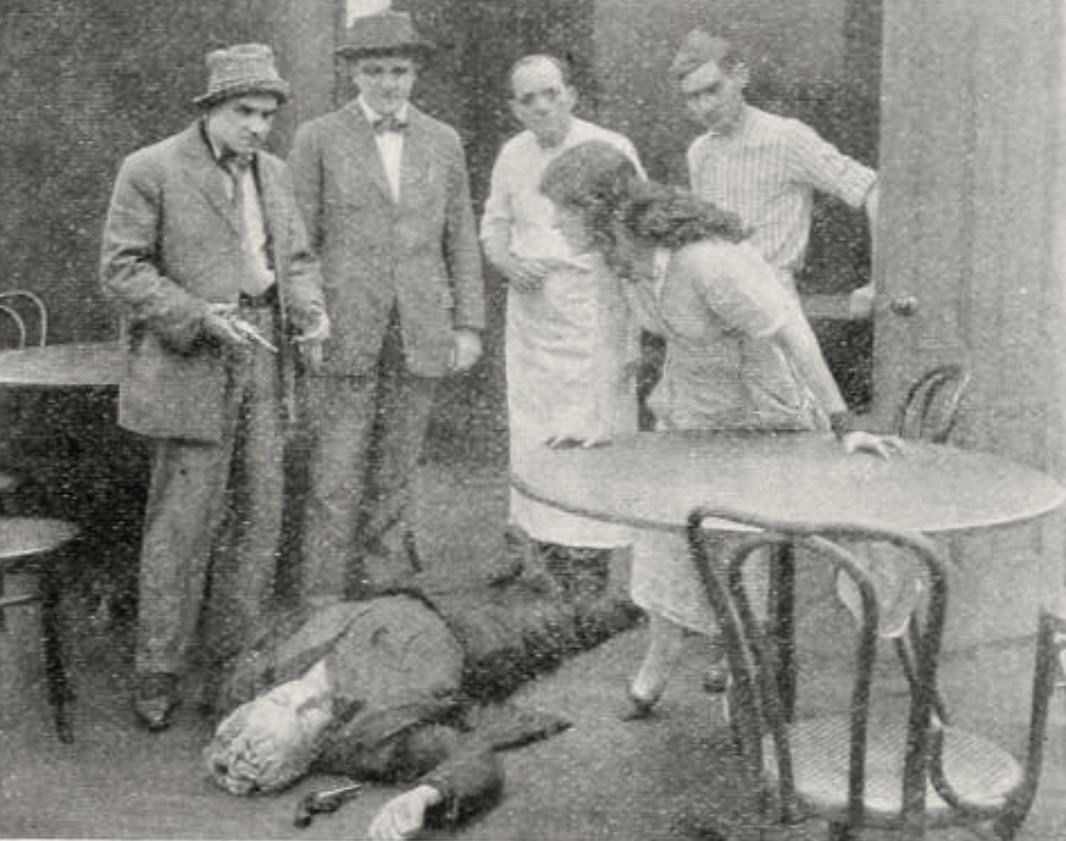
Following her mother's advice to marry for wealth, model Marcia Ventnor turns down the proposal of Oliver Lawton, whom she loves, so as to accept wealthy George Hunt, an importer of oriental rugs. They go to Turkey on their honeymoon, and Hunt enlists her charms to secure a contract from rug maker Afeif Bey, whose infatuation with Marcia provokes her husband's jealousy. The Hunts return home, and following Hunt's death she meets Lawton, who is sent to Turkey on the same mission, and she promises to marry him if he obtains the contract. He also is infuriated and tries to kill her, but with a trick knife. Realizing his seriousness, she is reunited with him, and they are married.
View Details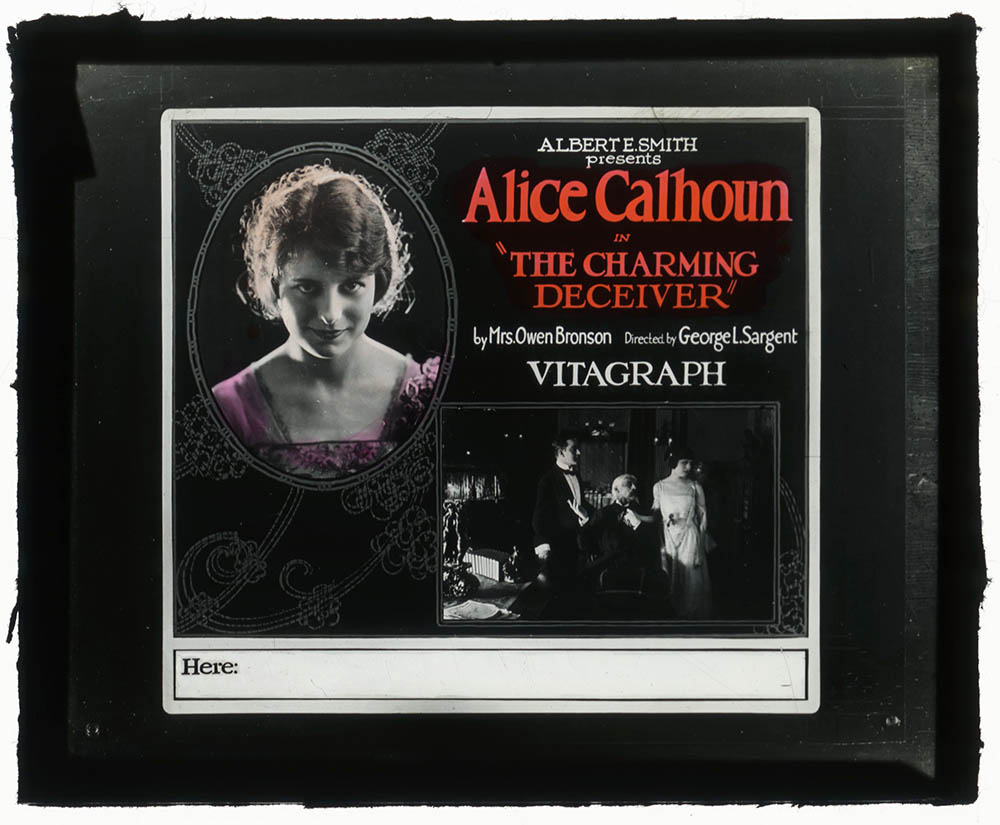
Dir: George L. Sargent
Wealthy and lonely John Stanford sends for Edith Marsden, the child of his disowned daughter, who, unknown to him, has just been evicted from her flat with her husband imprisoned for forgery and her son recovering from war wounds. Edith becomes a favorite of Stanford, who wishes to match her with a neighbor, Walling, who loves her. Meanwhile, Marsden escapes and comes to Edith under the guise of a brother, but in a drunken rage he reveals himself to Walling as her father. When pursued by the police, Marsden falls to his death in a quarry. Edith and Walling are then happily reunited.
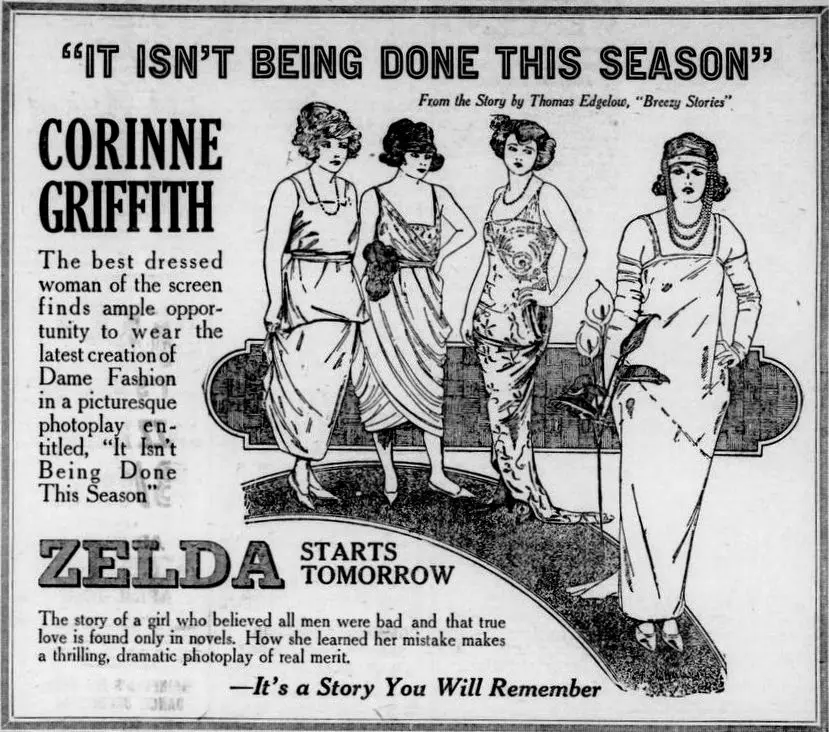

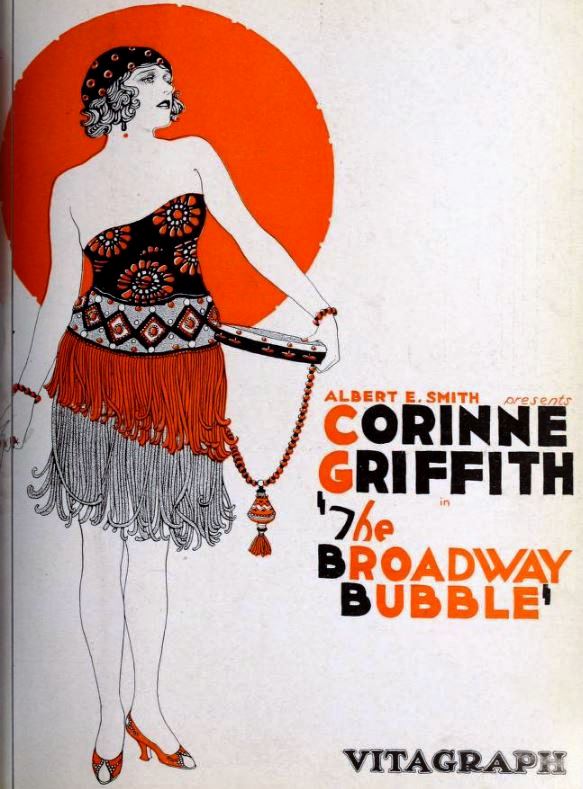
Dir: George L. Sargent
Adrienne Landreth, the wife of Geoffrey Landreth, is dissatisfied with her life of luxury and is estranged from her husband. Because she longs for a footlight career as a musical star, when she is offered an opportunity to star on Broadway by theatrical producer Fred Corliss, she persuades her twin sister Drina Lynn to come to New York and pose as Geoffrey's wife while she herself pursues a career. Drina, less fortunate than her sister, reluctantly agrees and Geoffrey soon notices that his wife has become more compassionate and understanding. Hoping for a reconciliation, Geoffrey persuades his wife to attend the theater, and by chance, selects Adrienne's show. Upon seeing her husband in the audience, Adrienne becomes so disoriented that she stumbles and falls from the top of a flight of stairs, injuring herself fatally. She dies in her dressing room, leaving Drina and Geoffrey to face future happiness.
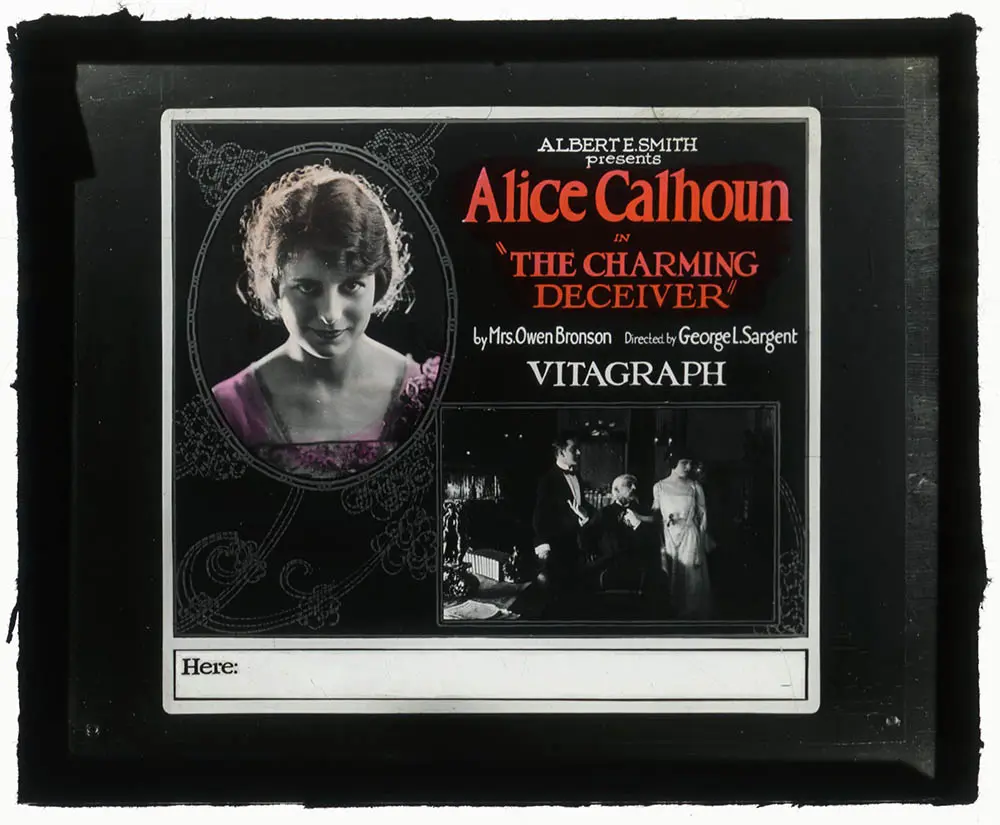

Dir: George L. Sargent
Shye, seated under a tree near the seminary, is not so wrapped in his studies as to fail to see the trim ankle displayed by Tottie as she stoops to tie her shoelace. His eyes stray upward until they rest upon her face. At once Shye forgets all about his studies. The love-sick young man follows Tottie, who happens to be on her way to Maxim's, where she is due to take part in a Saturday matinee performance. Returning home, he suggests to his three friends (much to their amazement) that they make a trip to Maxim's that evening. Anxious to see the girl who has made such an impression upon him, Shye waits for midnight, when the cabaret is due to commence, with extreme impatience. The sight of Tottie in the various numbers fills him with ecstasy. The first part of the performance over, Shye collects the flowers from the holders on the tables and then endeavors to enter Tottie's dressing room. A man guards the door, however, and Shye is compelled to grease his palm before he can gain admittance. Tottie appears glad to meet him and promises to have supper with him after the show. Unknown to Shye, his friends are also smitten with the little blonde and like him, get Tottie's promise to have supper with them. The men hasten around to the rear entrance and the sight of each other waiting for the same girl fills them with ire. A fight is about to take place, when out walks Tottie, clinging to the arm of the individual whom all had to bribe before they could see her. Calmly introducing Tottie to the love-stricken youths as his wife, he and the little blonde walk away.
View Details
Dir: George L. Sargent
Philip, a young dilettante, is a great disappointment to his brother, Miles, in whose home he is living when the story opens. Louise Holden, wife of Miles, labors valiantly to interest her dreamy young brother-in-law in something besides literature, but fails in this until, after great urging, Philip is induced to attend a bridge party given at the house. This marks the turning point in his career, for among the fashionable people in his brother's drawing room, he is presented to Helen Landon, daughter of a wealthy banker. In the moment that Philip looks into Helen's eyes, he loses interest in the book he is trying to write, and falls deeply in love with the girl. But he dares not tell her in so many words of his love, for just a few hours before they met, he was informed that his account is overdrawn at the bank. Miles denounces Philip as a waster, doomed to a miserable end. Helen's father, Robert Landon, is in league with Miles to corner a certain mining stock, D.L. and B. Their intention is to hammer the stock until nobody wants it and then buy into the concern on some inside information they have obtained as to its real value. Pushed to consideration of material matters by the constant urgings of his brother, and by the necessity for bestirring himself if he is ever to meet his beloved Helen on equal terms financially, Philip starts out looking for work. The dabbler in literature announces to the head of a big business concern that he wants a job at $6,000 a year as a starter, making himself ridiculous. The young fellow is turned away wherever he goes, until, entering the office of a mining stock shark, he finds an opportunity to sell stock on commission, taking his commissions in stock, which the promoter himself believes worthless. Philip carries a collection of pictures of the mine location with which to sell stock. He expounds to wealthy women on the beauty of the scenery surrounding the mine property, and with extraordinary good luck, sells the stock like hot cakes. Then comes a surprise; the promoter receives a telegram, which apprises him that large quantities of ore have been uncovered. The stock that Philip has been carrying round in his pocket is now worth a fortune. While trying to talk to his fiancée - for by this time he has proposed to Helen Landon - he overhears a plot between his supercilious banker brother and Landon, Helen's father, to corner the market in D.L. and B. stock. Philip enters the stock market against the two plotters and buys the mining stock as fast as they hammer it down, obtaining it practically at his own figure before Landon and the elder Holden realize that they have been caught short. In this dilemma they discover that much of the stock they have been selling has fallen into the hands of Philip, and Landon telephones in desperation to his putative son-in-law to "come on over." Philip is appealed to by the two market-riggers to let them have enough of his stock to cover their shortage. Copying the superior air of his brother, Philip keeps them on the anxious seat for a time, but finally yields, with the smiling consent of Helen.
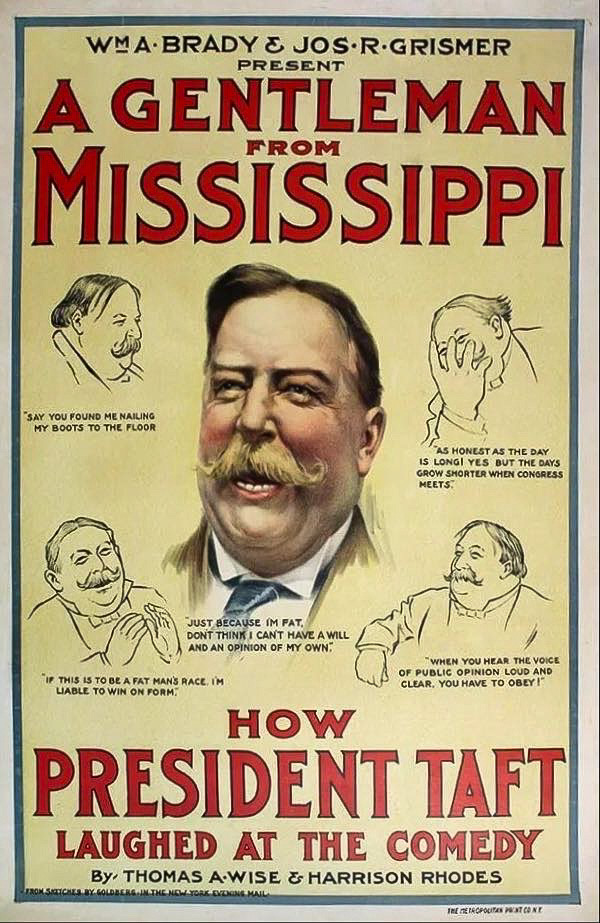
Dir: George L. Sargent
William H. Langdon has been elected senator from Mississippi, and reaches the national capital with the experience in big politics that might be expected of a man who has lived his life on a plantation forty miles from a railroad. With him are his two fair daughters, Carolina and Hope. He has scarcely reached his hotel when he hires "Bud" Haines, a newspaper man, as his secretary. Charles Norton, representative from Mississippi, James Stevens, senior Senator, and Horatio Peabody, senator from Pennsylvania, are interested in a scheme to have a naval station located at Altacola, Miss., and they need the assistance of the new senator. They have purchased all the land in the neighborhood and plan to dispose of it to the government at their own price after the bill is put through. In order to insure his support Norton induces Langdon's son to invest $30,000 in Altacola and also puts in the fortune left the Senator's daughter by her mother. He is the girl's accepted suitor, by the way. Haines, in the meantime, has been a thorn in the side of the crooks, but by reporting to each that the other has played false and invested money in the land project, they bring about an estrangement between him and Langdon, which is set right by Hope Langdon telling Haines, with whom she is in love, of the plot. Langdon and Haines find they have been duped and the man from Mississippi decides to balk the thieves, even if it ruins his family. The story comes to a right ending by Langdon stepping into the Senate to make his maiden speech, denouncing the intended fraud, and declaring that he and the conspirators bought up the land to save the national treasury from being looted after having discovered a conspiracy in another quarter to commit the holdup. Before this important event he has compelled the two rascally senators to come to his way of thinking through fear of exposure. Congressman Norton is sent on his way in disgrace. Haines, again secretary, is engaged to wed Hope.
View Details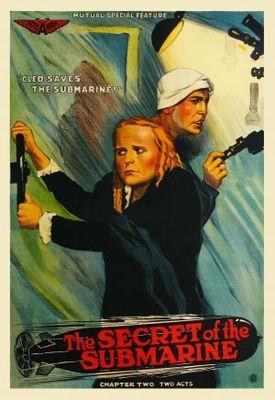
Dir: George L. Sargent
Episode 1: Dr. Ralph Burke, a scientist and inventor, perfects an apparatus enabling submarine craft to remain underwater indefinitely without relying wholly upon compressed air stored in the boat. The discovery is perfected at the opening of the story and has been offered to the United States government. Lieut. Jarvis Hope. U.S.N., is dispatched to witness a practical demonstration of the invention. Arriving in the city where Dr. Burke lives, Lieut. Hope meets an old acquaintance. Hook Barnacle, whose life he once saved. Hook had his right hand bitten off by a shark, and an iron hook being substituted gained for him the odd sobriquet. Hook escorts the lieutenant to the Burke home and relates to Cleo, the doctor's "daughter," how his life had been saved by the young naval officer. Cleo and Hope become mutually interested. Hook is much given to talking and it is not long before the entire village knows the reason for Lieut. Hope's visit. Among those who learn the news are Sextus, a Russian, and Satsuma, a Jap, working under the orders of one Mahlin. The following day is set for the demonstration. Satsuma watching his chance has secreted himself aboard the submarine. Olga Ivanoff, head of the Russian bureau in this country, receives a visit from Sextus, who is commanded by her to obtain the secret of the submarine. Meantime Calvin Montgomery, a wealthy lobbyist, upon advices from influential friends at Washington, sends his nephew, Gerald Morton, an unprincipled rounder, to obtain the secret. Gerald is suspicious of his uncle's interest in Cleo Burke, but fails to learn anything definite before he leaves to see the inventor. On board the submarine the apparatus is being manipulated satisfactorily and Lieut. Hope is much impressed. The party repairs to the salon for lunch, affording opportunity for Satsuma to crawl stealthily from his hiding place. The Jap is examining the mechanism of the invention when he is surprised by Dr. Burke, who gives the alarm. Sailors rush in to overpower the Jap but he is desperate. Shots are fired, one of which disables the Burke apparatus. Satsuma throws over the lever opening the conning tower trap, leaps up the ladder, gains the top and dives off into the sea as the boat quickly sinking is almost lost to view. The water pours down through the open trap. The air machine is broken and with the boat uncontrollable, the inventor and his party battle for life in the watery darkness.
View DetailsAnalysis relative to The Gilded Youth
| Film Title | Atmosphere | Complexity | Similarity |
|---|---|---|---|
| The Sable Blessing | Tense | High | 95% Match |
| The Call of the Dance | Tense | Dense | 98% Match |
| It Isn't Being Done This Season | Gritty | Abstract | 90% Match |
| The Charming Deceiver | Ethereal | Layered | 93% Match |
| Faro Nell, Lookout | Gothic | Layered | 88% Match |
This guide was algorithmically generated using the cinematic metadata of George L. Sargent's archive. Last updated: 6/24/2026.
Back to The Gilded Youth Details →