
DbcultAccessing Vault...
Recommendations
Senior Film Conservator
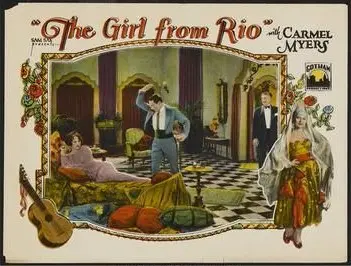
Since its 1927 debut, The Girl from Rio has maintained a poignant storytelling status, you are likely searching for more films that share its specific artistic vision. We have meticulously scanned our vault to find hidden gems that resonate with this work.
The 1927 landscape was forever altered by the arrival of to push the boundaries of conventional storytelling.
Paul Sinclair, engaged to Helen Graham, represents a large coffee concern in Rio de Janeiro and while visiting with the American consul is taken by the beauty of Lola, a cafe dancer.
The influence of Tom Terriss in The Girl from Rio can be felt in the way modern Romance films handle poignant storytelling. From the specific lighting choices to the pacing, this 1927 release set a high bar for atmospheric immersion.
Based on the unique poignant storytelling of The Girl from Rio, our vault has identified these titles as the most compelling follow-up experiences for fans of Romance cinema:
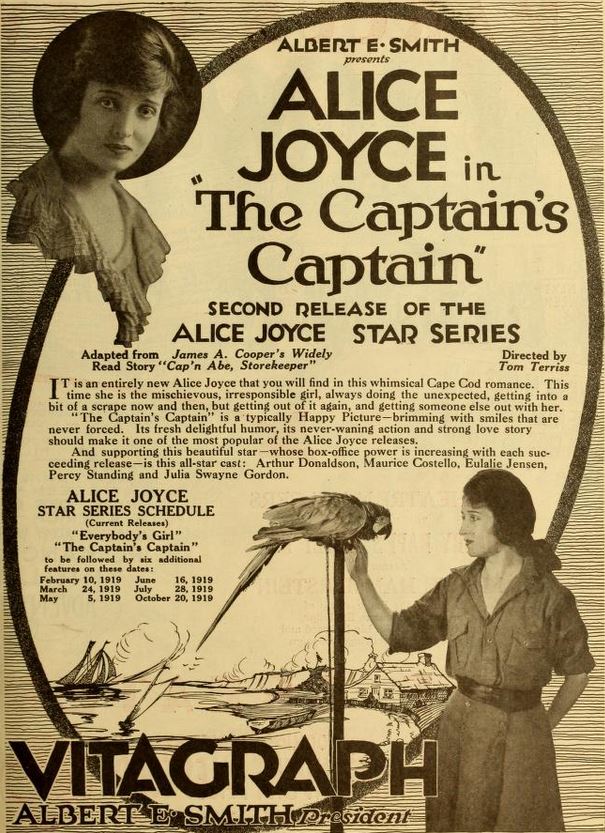
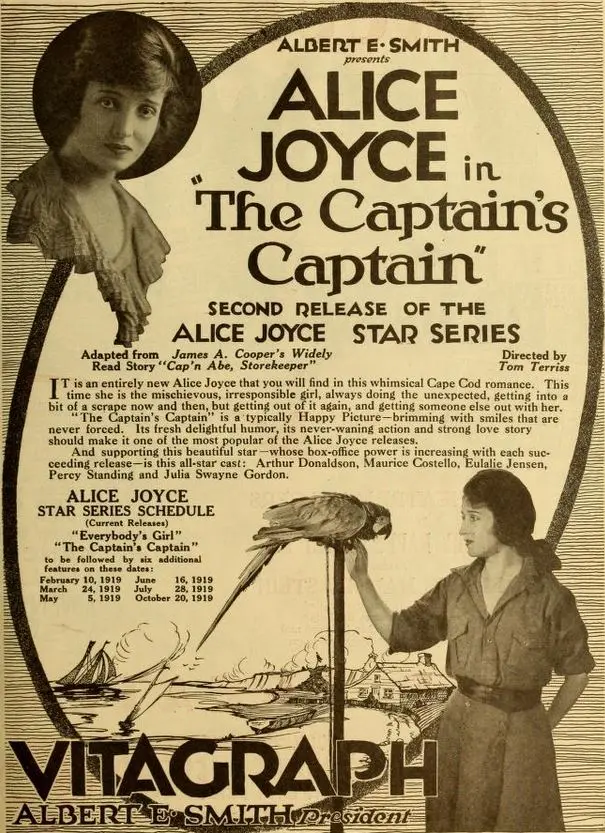
Dir: Tom Terriss
Louise Grayling escapes from a straight-laced aunt on a plea that she wants to visit her uncle, Captain Abe, on Cape Cod. Abe is henpecked by his housekeeper and rather looked down upon by the villagers who haunt his store. To give himself a fictitious glory he invents a fictitious brother, Amzon, who is a composite of all the pirates from Blackbeard to the food profiteers. Louise penetrates the deception and induced Abe to go away and come back as the fictitious brother. She has the time of her life keeping the placid Abe up to the reputation of his fire-eating brother, but all would have gone well had not some shipwrecked East Indians imagined that they recognized him as the desecrator of their Temple. Between them and the town people, who get the idea that Abe has been murdered by Amzon, Louise has her hands full, but Abe is transformed into his proper self, and a supposed fisherman who turns out to be a young millionaire rescues her from the mob and all ends happily after all. - Moving Picture World.
View Details
Dir: Tom Terriss
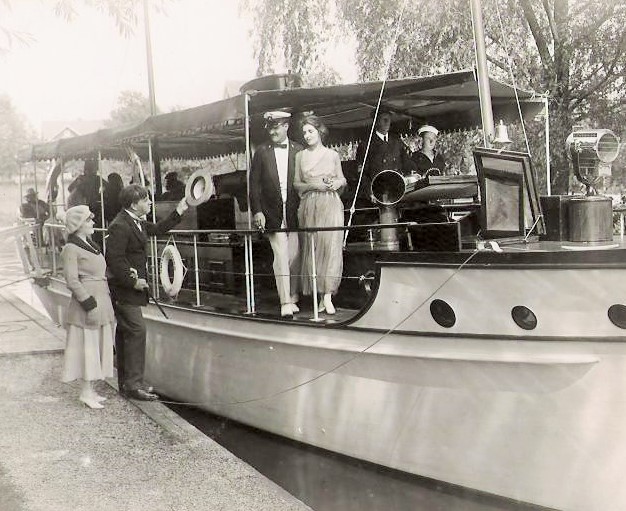
Florence is a little milliner who shares a room in "Brick Dust Row" with Ella, a fellow worker. It is all the home she has and the girls have to receive their company in the parks because there is no reception room, the millionaire owner of the Row having sublet the parlors. They see no harm in chance acquaintances. Then Florence meets Blinker, and real love comes into her life; but Blinker learns of what to him seems her promiscuous acquaintances and makes it plain that he cannot marry such a woman. There is a fire on the excursion boat on which they are traveling, and Bill, a gun-packing husky, who has constituted himself Florence's champion, saves them both. Then he learns Blinker's attitude, and a visit to the young millionaire owner of the Roy shows Blinker that his own greed is basis for Florence's actions and a changed Row is Florence's wedding present. - Moving Picture World 1918.
View Details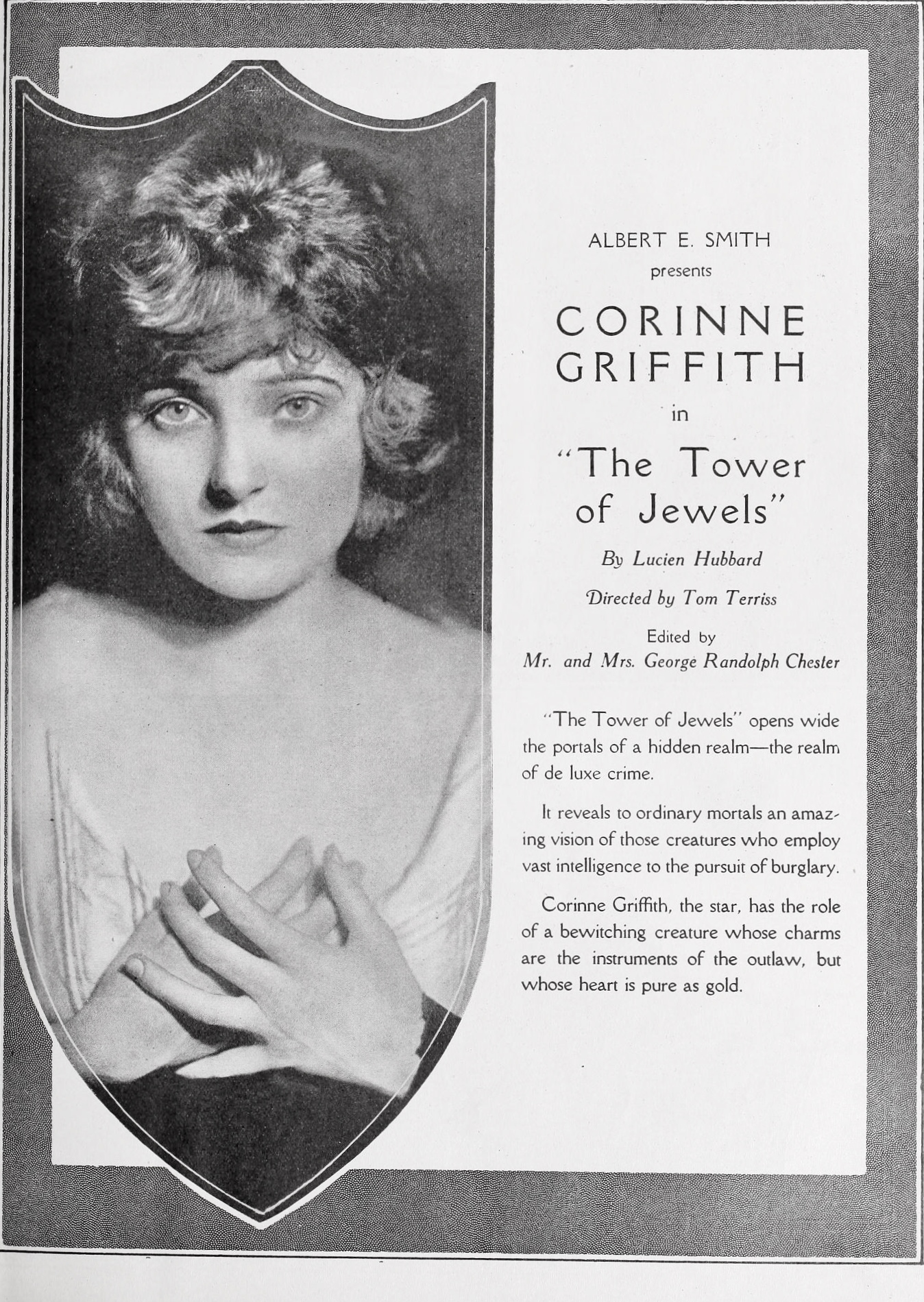
Dir: Tom Terriss
Emily Cottrell, one of the most respected members of a large gang of crooks headed by Fraser Grimstead, is caught while robbing the home of wealthy David Parrish. Emily accepts David's offer of a home and a chance to go straight, but Grimstead is unwilling to lose her, and he insists that she help him steal the famous diamond collar, The Tower of Jewels, which is in David's possession. When Emily refuses, Grimstead threatens to expose her past to Wayne Parrish, her benefactor's son with whom she is in love. Grimstead and the gang surround the Parrish home, then Wayne's cousin removes the jewel case to throw suspicion on her rival for Wayne's affections. Emily's innocence is established later, and her reputation is further cleared by Grimstead, who is shot by the police. With his dying breath, Grimstead describes Emily's gentle birth and states that she is fit to marry Wayne.
View Details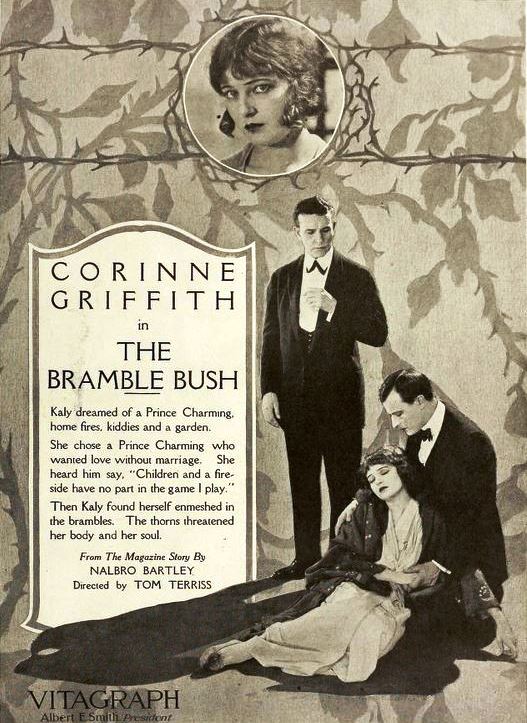
Dir: Tom Terriss
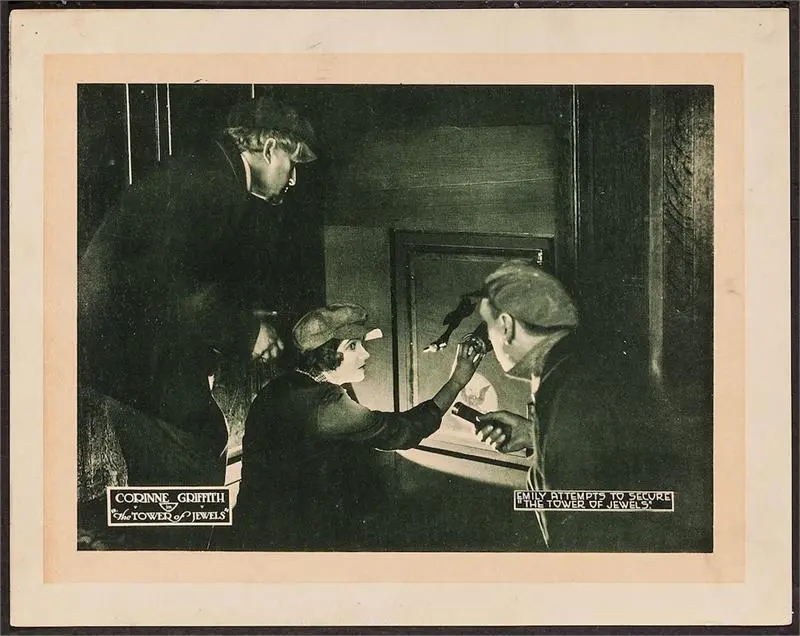
Innocent Kaly Dial comes to New York from the Cumberland Mountains and gets employment at a fashionable dress shop owned by a friend of her deceased mother. Peter Vernon, the brother of the owner, falls in love with her, but Kaly becomes attracted to suave John Crispen, not knowing of his reputation as a Lothario and his shady business deals. Crispen scoffs at conventional marriage and rearing children, preferring "comradeship," while Vernon offers marriage. Kaly finds herself attracted to Crispen's unconventionality and, believing that he loves her, goes with him to a hotel, but soon realizes that his love is not right and asks to be taken back. Crispen complies even though he knows he will face imprisonment when he returns. Vernon takes Crispen's case and after finding out that Crispen is already married, gets him off with the promise that he will never see Kaly again. After a year, Kaly falls in love with Vernon and they are married.
View Details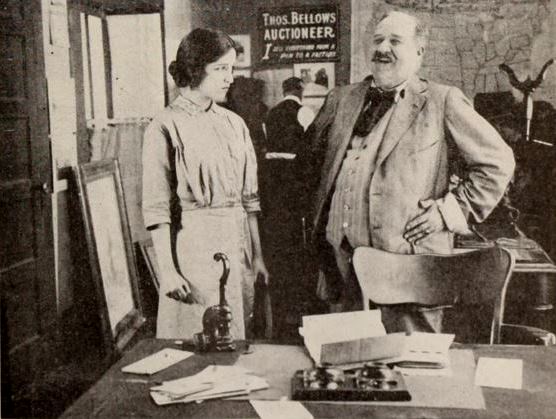
Dir: Tom Terriss
The story concerns a young girl who spends her entire life in trying to obtain money to pay off the mortgage on her farm. But the day comes when she can no longer meet the claims, and Jarvis, the man who holds the mortgage, gives her the alternative of selling herself to him in return for the land. She spurns his offer, but adopts a plan to sell herself in service for one year to the highest bidder. Her old sweetheart arrives too late to save her and later proves that he was not worthy of her. The year passes without her "master" claiming her. Then the girl learns that Jarvis had bought her services because he had really loved her and she, having learned to care for him, marries him. - New York Dramatic Mirror, July 27, 1918.
View Details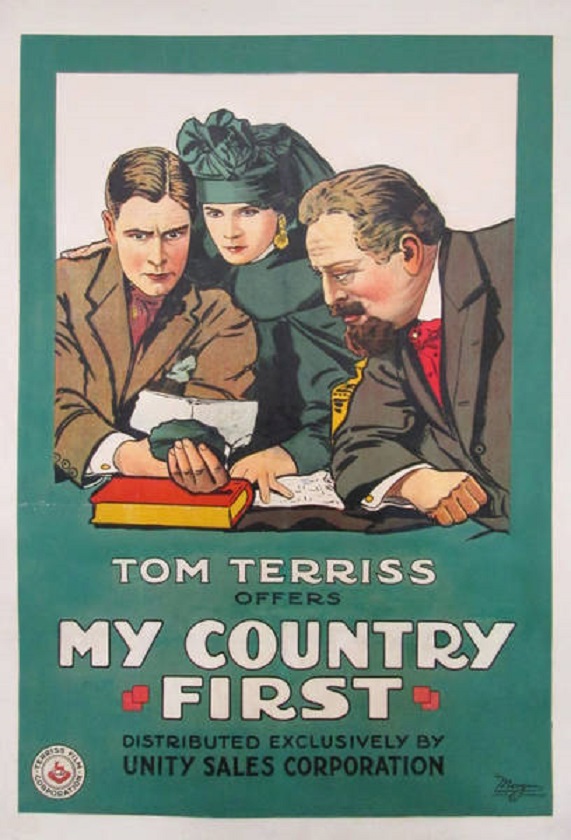
Dir: Tom Terriss
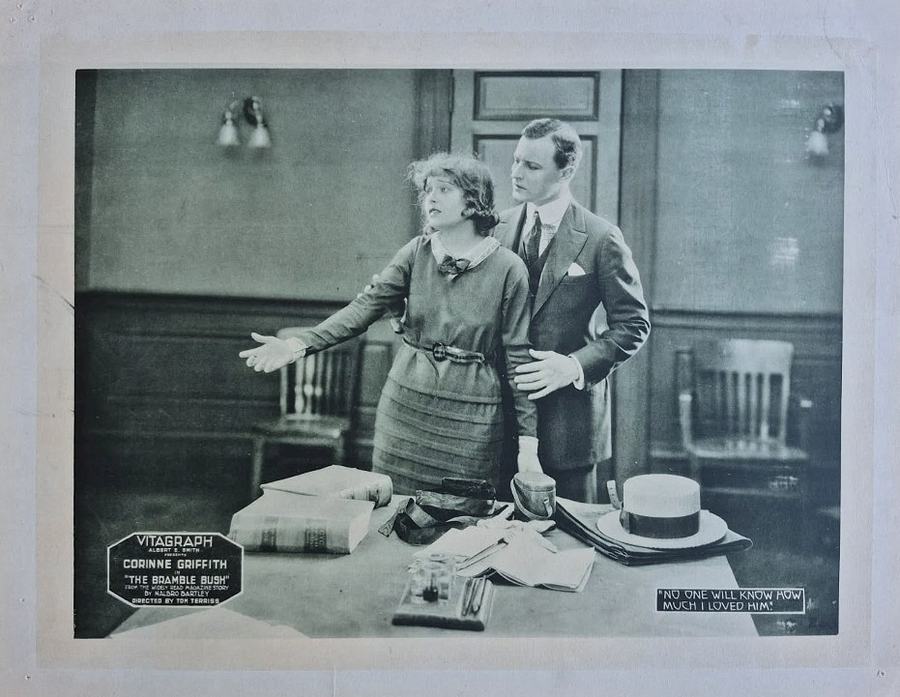
Frank Draper, a patriotic young American, has invented the most wonderful explosive in the world which he intends giving to the United States. In defending a pure girl from the machinations of an enemy, he is involved in a serious crime which sends him, an innocent man, to prison. Angered at this interruption to their plans and desirous of obtaining the explosive for a foreign government, international spies connive successfully at Draper's escape. They then hold him a prisoner and the young patriot is given the choice of sacrificing his own life or that of his country. He chooses the preservation of the latter, and his sands of life have almost run out, when trapped and bound, he is rescued at the eleventh hour. Thankfully acknowledging his escape and returning to freedom, he gives to his country a wonderful weapon of preparedness and together with the nation's thanks, he receives the love of the girl he once defended.
View Details
Dir: Tom Terriss
Maurice Dumars, a journalist, is enamored of Madeline Renard of a French opera company. She is to sing Marguerite in Faust and induces Monsieur Morin, a gold worker, to make a past replica of a string of pearls, which belong to her mother and which is worth $20,000, for the great jewel aria. Morin makes the counterfeit gems, and the next day is found dead. The $20,000 which Mr. Morin received from Madame Thibault to invest for her is missing from his effects but a note from him to Madeline which is found saying he had done her a great favor in making the jewelry casts suspicion upon the opera singer. When she makes her appearance as Marguerite in Faust she is hissed, and she tells of her business relations with M. Morin and of her mother's jewels. Simultaneous with her leaving the convent a year or so later, where she had gone to seek refuge, Dumars finds pinned on the walls of Mme. Tibault's inn the $20,000 in bank notes which M. Morin had given her and which she had carelessly left there . With the mystery cleared, Madeline is again sought by Dumars and all who had done an injustice. - Moving Picture World.
View Details
Dir: Tom Terriss
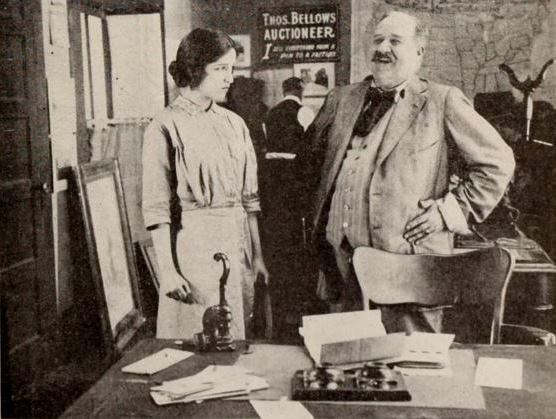
John Sark is the owner of a piece of land coveted by Henry Murden, leader of the band of "White Riders," who has purloined the information that a railroad wishes to buy the property. Sark is a naturalist and has for an assistant Rose Ember. He discovers one of the rider's masks which is made of one of Rose's handkerchiefs, and this introduces a mysterious element into the love affair. The mask belonged to her father. The riders try to force Sark's hand, but are obliged to capture him. Rose, seeing Sark lead away, dons a mask and riding close to his horse, cuts his bonds. Sark kills Murden, and, finding that his savior was Rose, is once more happy in his love. - Moving Picture World 1919.
View Details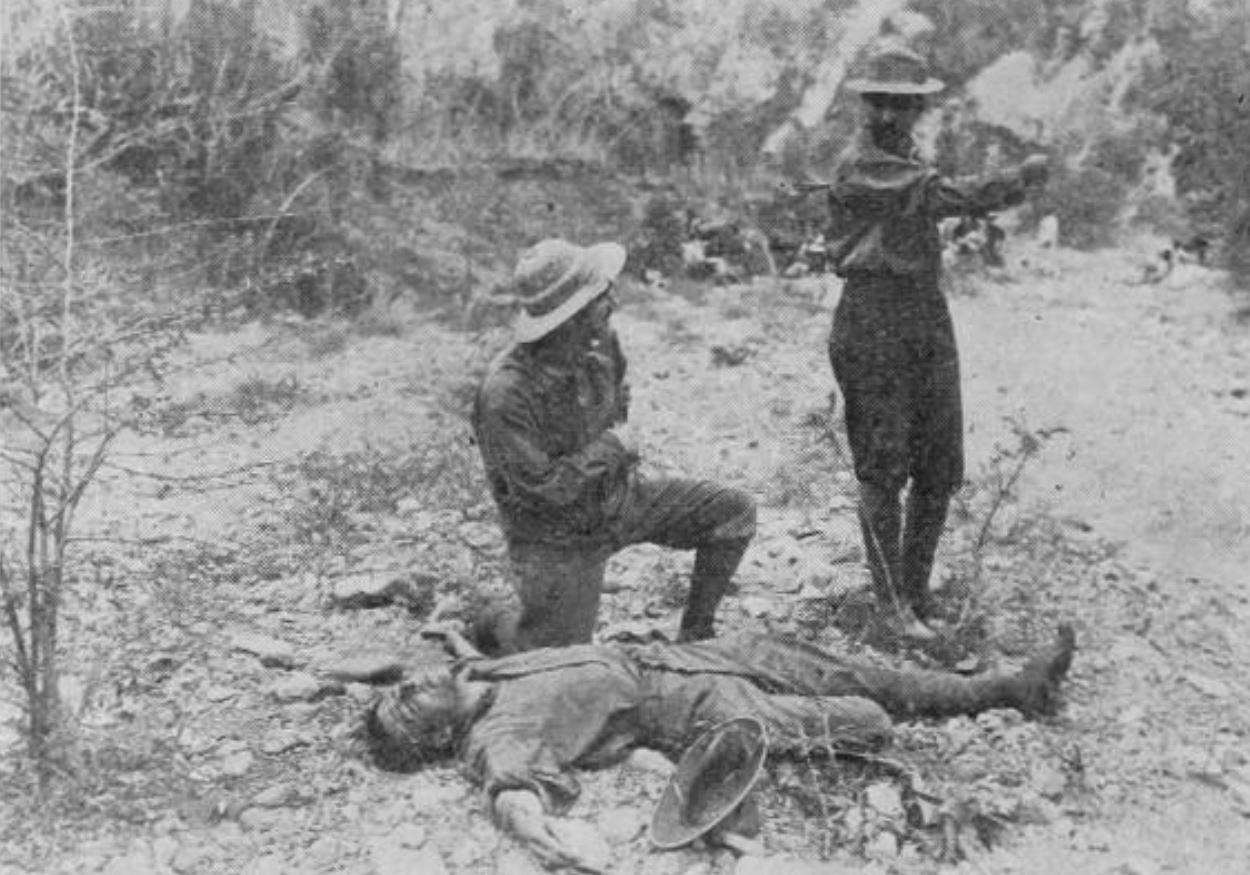
Dir: Tom Terriss
Raoul Mendoza, a famous swordsman, in order to save his daughter from the temptations of Paris, sends her to the tropical South of France, to live with an old lighthouse keeper and his wife and son. Sometime later Mendoza is stricken with illness and is advised by his doctor to take a complete rest and an immediate change of air. Mendoza decides to join his daughter in the south. Through cunning, Marquise de Bregant secures an invitation from Mendoza to join in the trip and he accepts. Meanwhile, Caprice, the daughter of Mendoza is, quite unknown to her, loved by Jean, the son of Charcot, the old lighthouse keeper. She is also worshiped by Hannibal, an assistant at the lighthouse to Charcot, a mysterious man who was picked up on the sands, shipwrecked and never regained his memory. Mendoza and Bregant arrive at the village and Caprice is at once attracted by Bregant. Jean is jealous, and Hannibal, when he meets Bregant, almost awakened out of his dormant lethargy, behaves in a peculiar fashion. Juliette, having followed Bregant, arrives and meets him secretly. Caprice takes Bregant over the lighthouse. There is a little lovemaking which Hannibal sees and attacks Bregant in spite of the pleadings of Caprice. During the struggle Bregant recognizes Hannibal. Bregant makes arrangements with Caprice to elope. Hannibal finds out all, tells Mendoza, but he disbelieves him. Hannibal leaves and while gazing out of the window, Bregant passes. An old negro in his way begs alms. He knocks him down; the negro rises and he fells him again and beats and kicks him mercilessly as he lies on the ground. The fight partly restores Hannibal's memory, and he returns to Mendoza and reveals the hidden past. Two men went to South America on an exploring expedition, one was the Marquis de Bregant, the other Count Chambord. They were very successful, but particularly Chambord, who located gold mines. Bregant was, in consequence, exceedingly jealous. One day Bregant beat an old porter into insensibility. Chambord interfered, but was soon felled by Bregant, who took the latter's papers and returned to France, where he was acclaimed with high honors, giving out that poor Chambord died of fever. In the meantime, Chambord was nursed back to life by the natives, but his memory never returned and he eventually found himself upon a ship as a sailor until wrecked upon the shores of the South of France, where he remained as assistant lighthouse keeper to Charcot. As he finishes the story, Jean rushes in with the news that Bregant had gone off in his yacht and taken Caprice with him. The shock of such news is too much for Mendoza, and he is stricken with paralysis. Meanwhile, Caprice, who only consented to leave with Bregant under the promise of marriage on the boat, Bregant having told her that he had the minister, discovers that it is all a fraud. He fails in his attempt to drug her, and when he leaves to procure assistance, she locks herself in a cabin. When they reach port, Caprice escapes with the captain's assistance. Meantime, Jean, who has come to Paris in search of Caprice, by chance, one day, meets her. He persuades her to return to her father, who forgives her for her actions. Jean locates Bregant one night in a restaurant with his paramour, and a duel is arranged for the next day. Mendoza's prayer for the return of his strength is answered, and he swears vengeance upon his enemy. In the morning Bregant arrives in the woods to fight Jean, but to his horror and amazement, he meets Mendoza. Realizing he is doomed, he tries to avoid a fight, but is forced to it, and after a very thrilling encounter he is killed. Mendoza, Caprice and Jean then leave Paris forever to settle in the beautiful spot where Caprice spent her childhood days.
View Details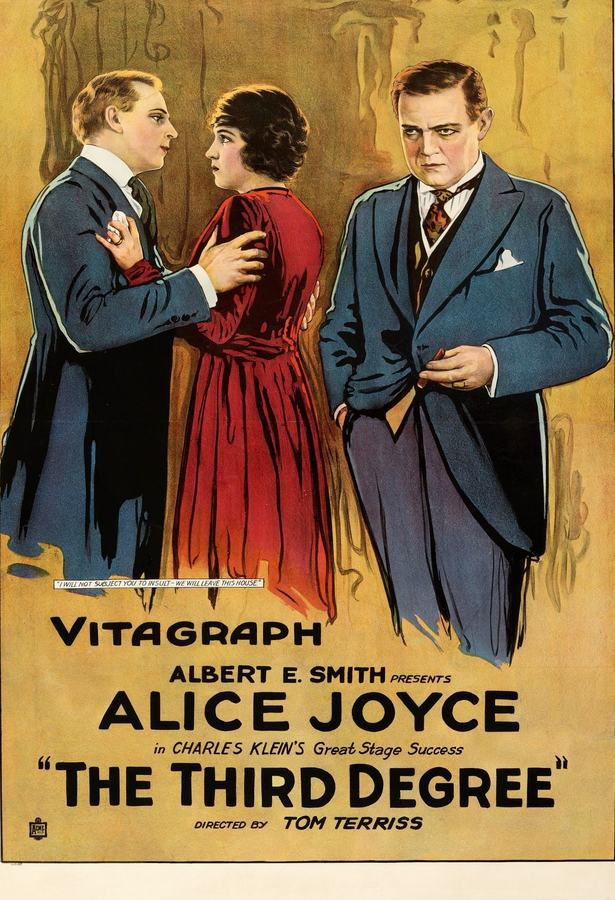
Dir: Tom Terriss
An expose of the methods used by a police-department to extract a confession from a suspect, regardless of innocence or guilt, and the effect and consequences on a family when an innocent member breaks under the interrogation methods and confesses to a crime he did not commit.
View DetailsAnalysis relative to The Girl from Rio
| Film Title | Atmosphere | Complexity | Similarity |
|---|---|---|---|
| The Captain's Captain | Tense | High | 90% Match |
| Everybody's Girl | Gritty | Abstract | 87% Match |
| The Tower of Jewels | Tense | Layered | 86% Match |
| The Bramble Bush | Surreal | Abstract | 98% Match |
| To the Highest Bidder | Gothic | High | 85% Match |
This guide was algorithmically generated using the cinematic metadata of Tom Terriss's archive. Last updated: 6/27/2026.
Back to The Girl from Rio Details →