
DbcultAccessing Vault...
Recommendations
Senior Film Conservator
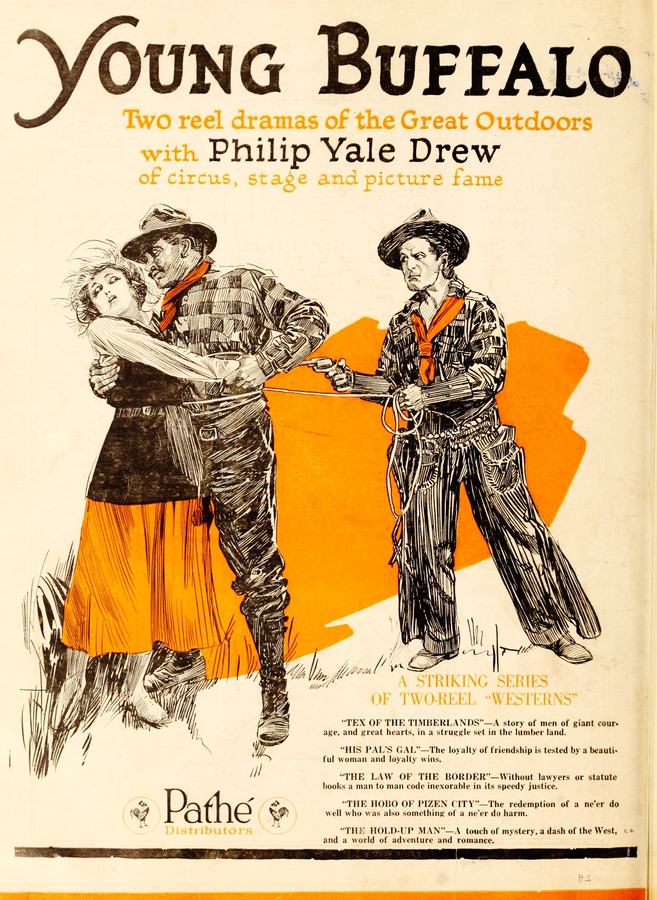
For cinephiles who admire the stylistic flair within The Holdup Man, the specific stylistic flair of this work is a gateway to a broader Western world. We've prioritized films that capture the 1920 aesthetic with similar precision.
At its core, The Holdup Man is a study in to create a dialogue between the viewer and the stylistic flair.
A Secret Service man on the trail of counterfeiters.
Based on the unique stylistic flair of The Holdup Man, our vault has identified these titles as the most compelling follow-up experiences for fans of Western cinema:
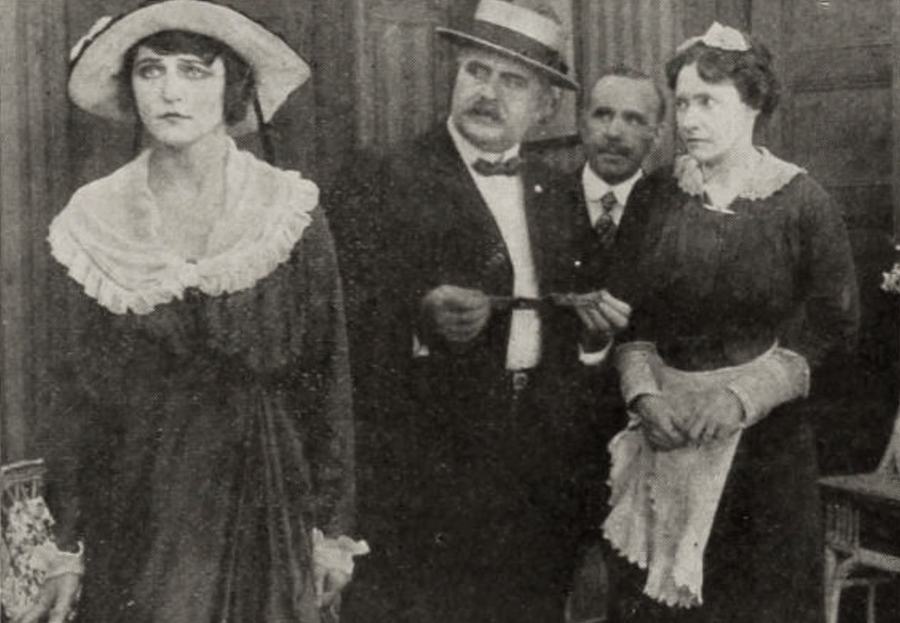
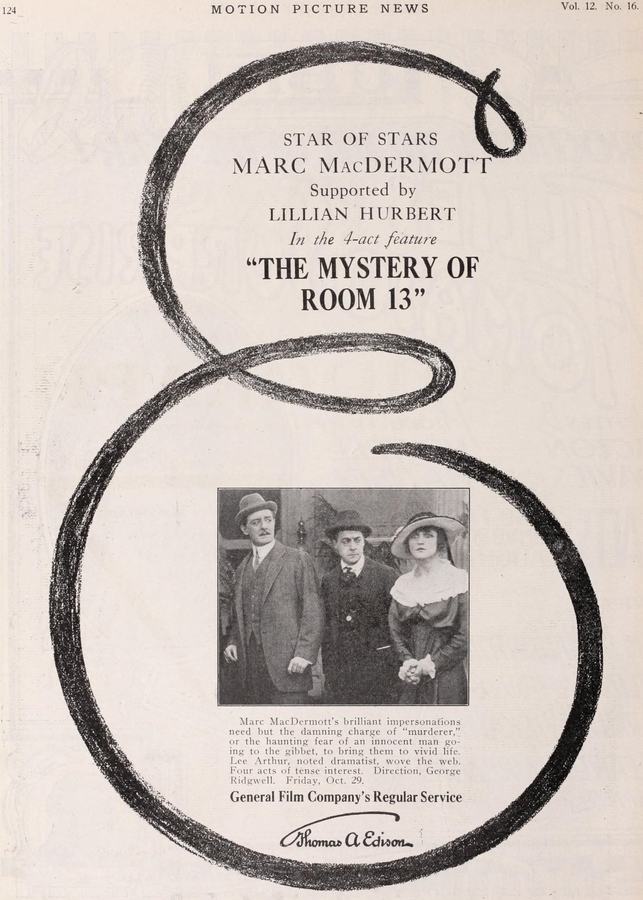
Dir: George Ridgwell
Count Giuseppe Rizzo, pressed by his creditors, marries June Baxter, heiress to a large fortune, for her money. As the wedding party emerges from the church, Phillipa Garrie, once mistress to the Count, but now cast aside, attempts to stab him. Humiliated, and realizing a. side of the Count's nature unknown to her, June secludes herself in her home and orders him out of her sight. To avoid notoriety, she leaves town to take up her home near the site of the plant left her by her father. Together, with Clay Foster, superintendent of the plant, she devotes her time to the welfare of her workmen. By threats of creating public scandal, the Count blackmails June, compelling the payments of large sums of money. As their work at the plant draws them closer together, the seeds of love take root within the breast of Clay Foster and with them a deep hatred for the Count, who refuses to give June a divorce. After a while, however, hard pressed by his creditors, and a heavy loser at gambling, the Count agrees to grant her a divorce if June will make a settlement upon him. June, determined, leaves for New York, and registers at the Count's hotel. Unbeknown to June, Clay Foster follows her to protect her from harm. The Count's demands upon June are staggering and she refuses to comply with them. The Count is enraged and June saves herself only by her presence of mind. Clay Foster enters the scene, and threatens to kill the Count if he does June any bodily harm. Adventure and complication follow each other in quick succession. Thirteen, the number on the door of .the Count's room in the hotel, has begun to cast its spell about. That night, the Count is murdered. Suspicion falls upon Clay, and he is arrested for the murder. Yet, as the numerous complications begin to untangle themselves, we find that the Count was killed, not by June, because of her fear of him alive; not by Clay, because of his hatred for him; not by Phillipa, because he had blighted her life; nor by Antonio, her father, who had sworn to take vengeance, but by one with no personal ties, urged on merely by the sight of the Count's winnings that night, and cursed by the awful spell, unable to escape the talons of number thirteen.
View Details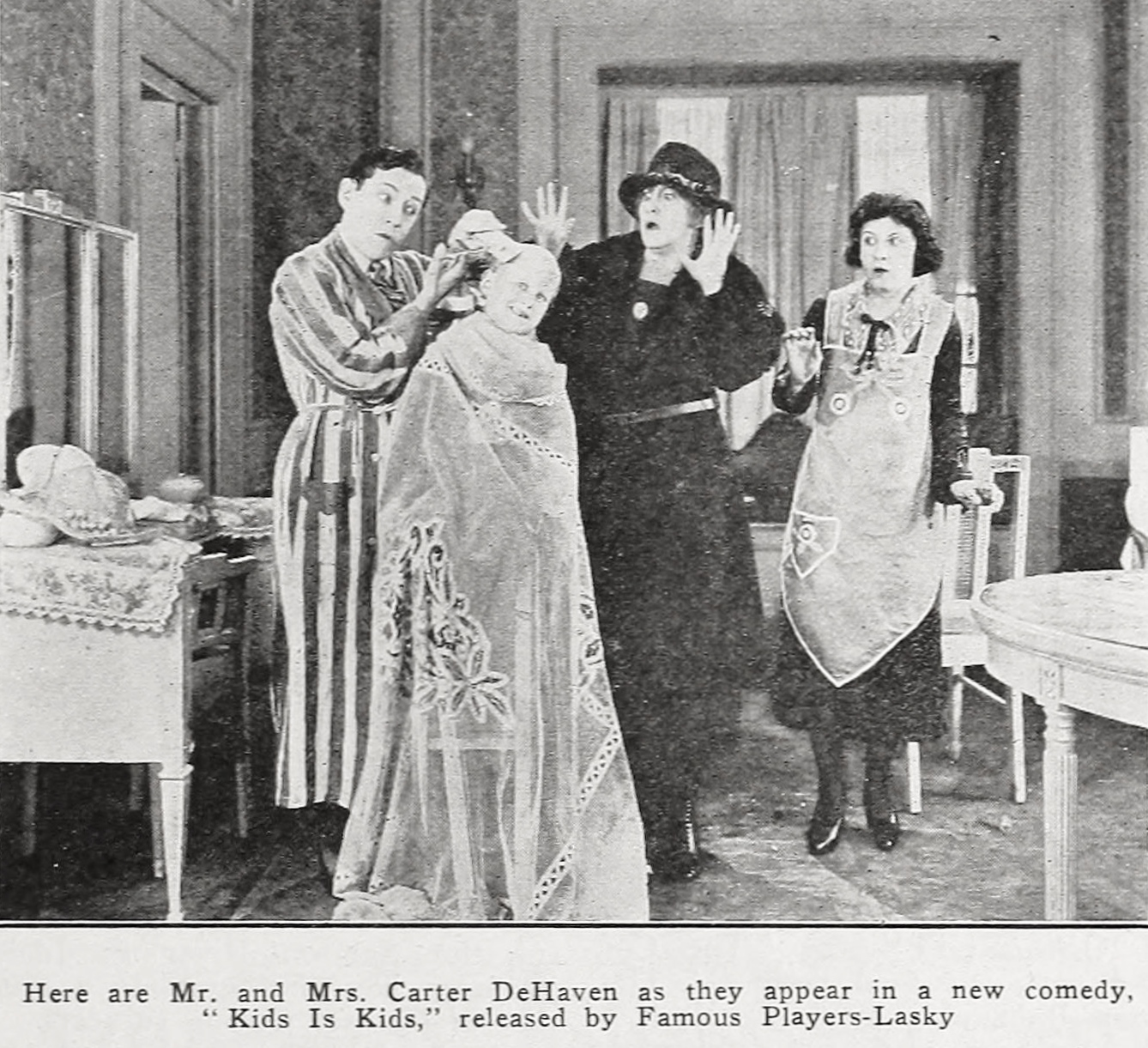
Dir: Charley Chase
A young married couple volunteer to take charge of several orphans after the asylum has burned down. Of course they find their hands full with their troublesome charges.
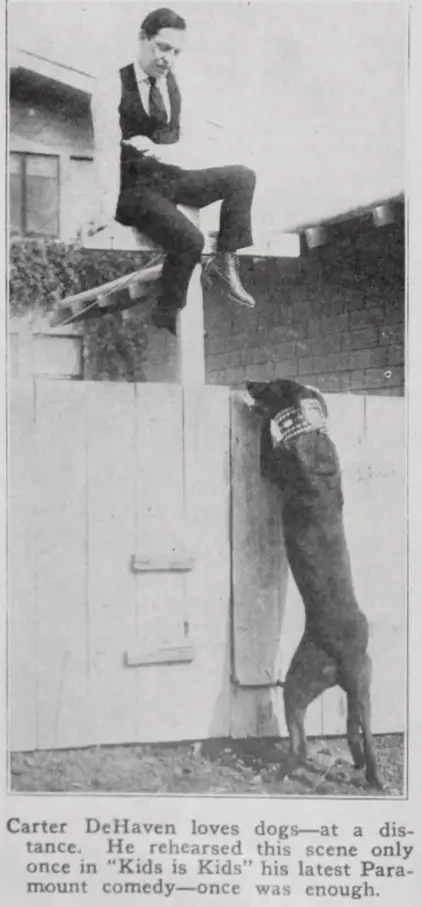

Dir: Malcolm St. Clair
A dancing instructor gets involved with a newly rich family.
View Details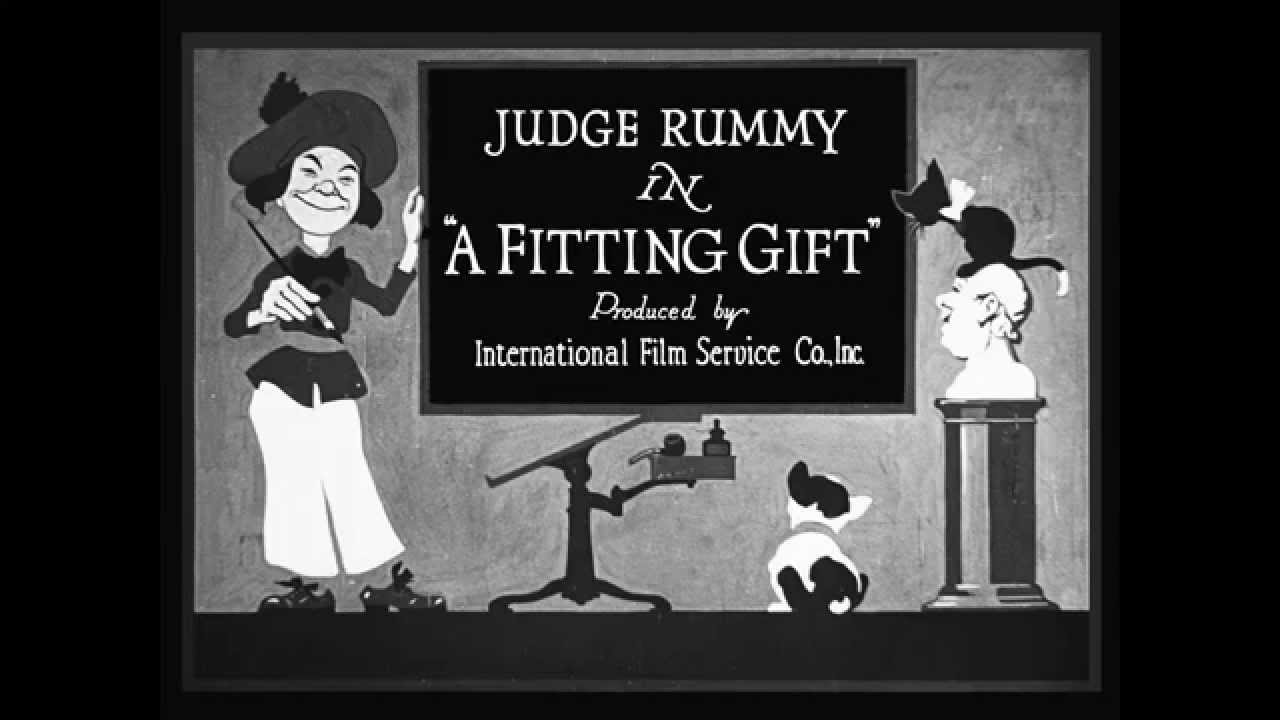
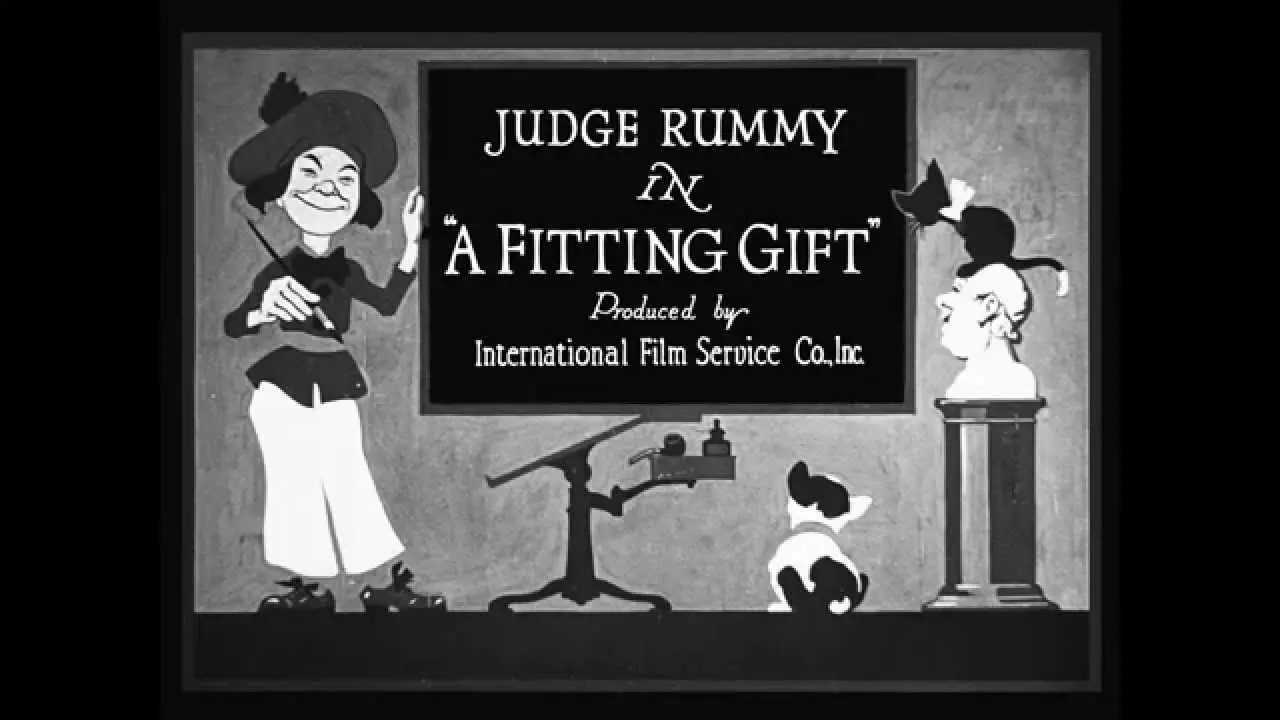
Dir: Unknown Director
The Judge needs a present for his wife's birthday, so Harry suggests a new corset. They go to the shop, but he's so embarrassed to ask the saleslady he hides in a phone booth.Harry goes in, but finds a GUY wearing one, and runs out.They both dress as women to get back in, but Mrs. Rummy gets there and chases him out.
Dir: George Ridgwell
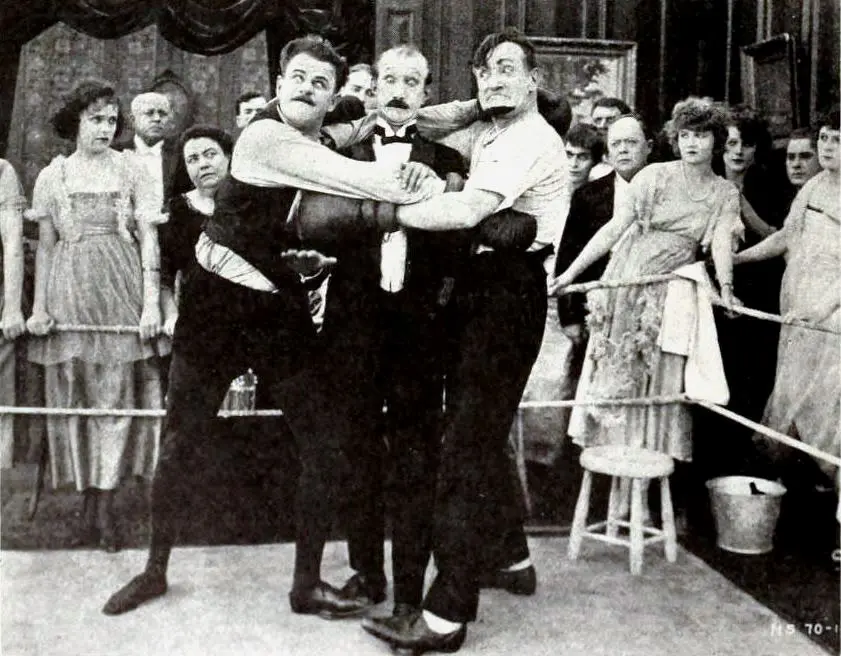
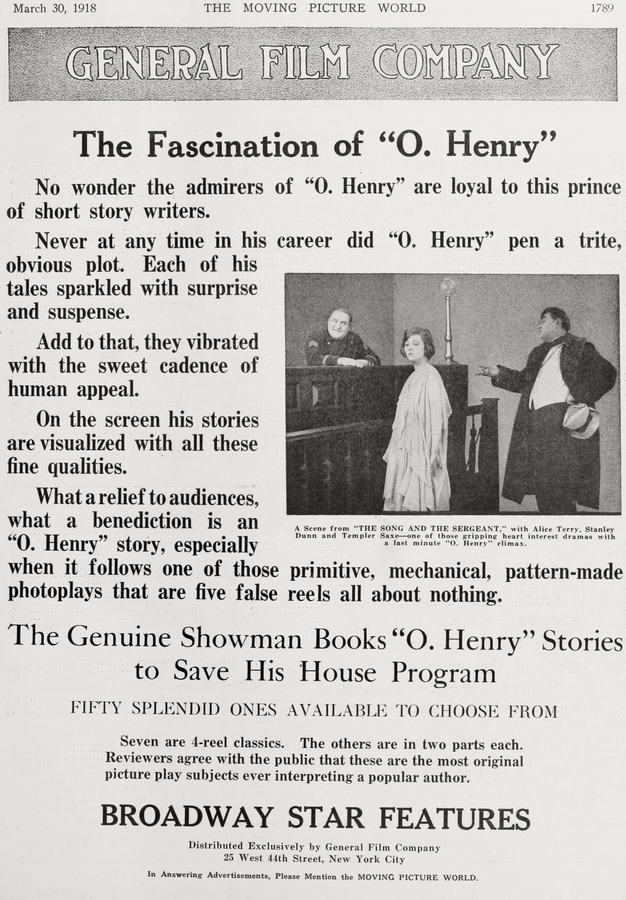
A vaudeville act which falls flat after starting off with great promise furnishes the theme for this two-reel O. Henry story. No one is able to ascertain the cause, and after the cast creates so much disturbance in a restaurant that they are arrested and taken before the police sergeant do his judicious questions enable the police matron to fathom the mystery; that is, that the situation where the star always breaks down and weeps is because the leading man is in love with her and trying to show it in his singing.
View Details
Dir: Eduardo Notari
A crime drama in the Gennariello-series. The police detective in Naples that is confronted with modern gangsters and crime events.

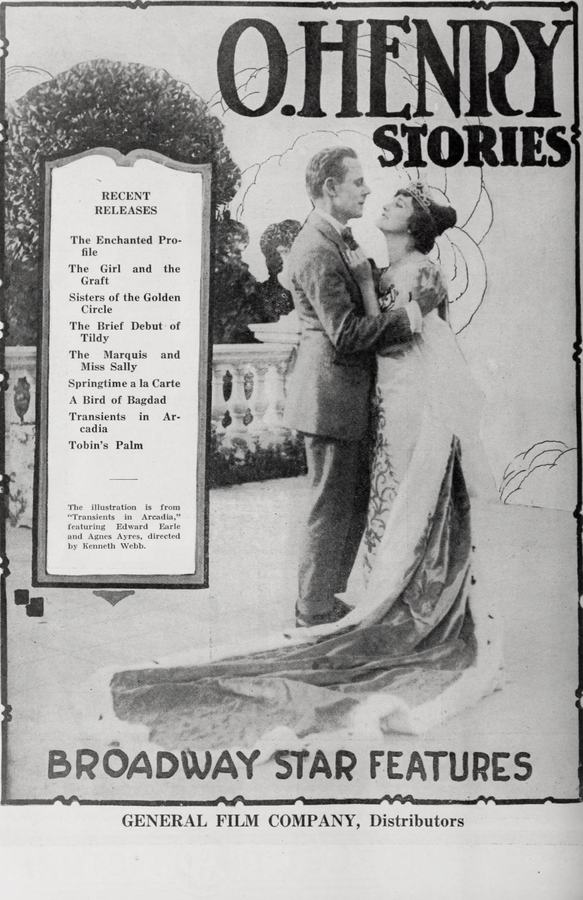
Dir: George Ridgwell
Two women are waitresses in a cheap restaurant. None of the male customers ever look Tildy's way, while Aileen is the recipient of many attentions. One day one of the customers, who has lost his job and imbibed too freely, hugs and kisses Tildy. She is so elated she cannot keep her secret; takes various steps to beautify herself, and sees visions of future happiness. After a lapse of a few days, the customer reappears and apologizes for his disgraceful conduct, and departs leaving the poor waitress almost broken-hearted.
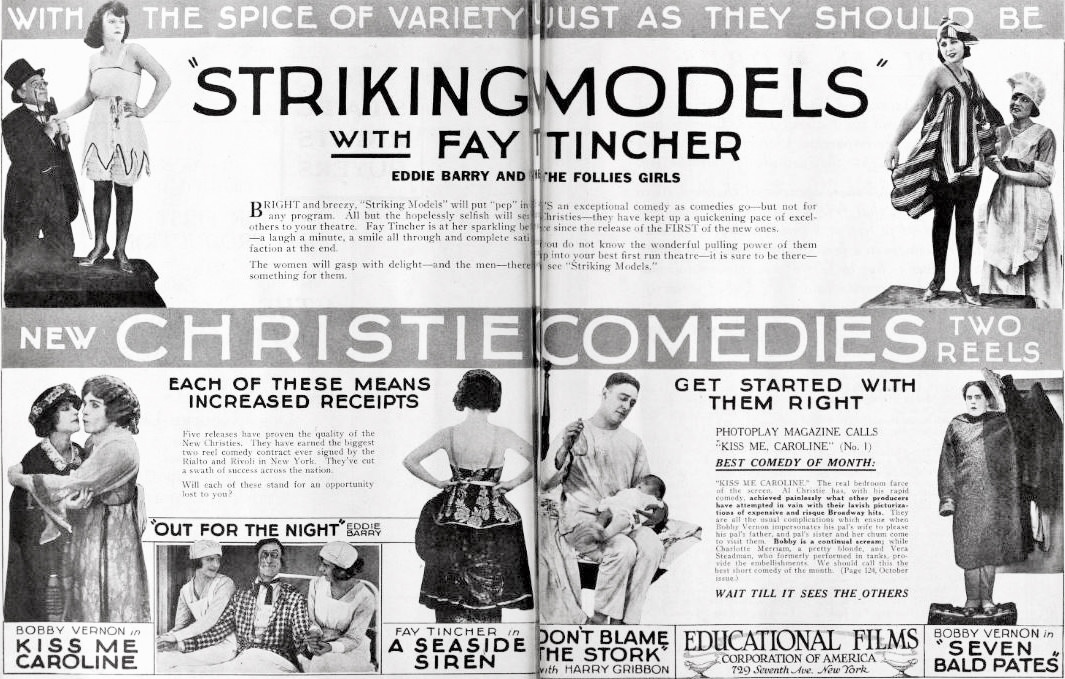
Dir: Reggie Morris
A fascinating piece of cinema that shares thematic elements.
View Details
Analysis relative to The Holdup Man
| Film Title | Atmosphere | Complexity | Similarity |
|---|---|---|---|
| The Mystery of Room 13 | Surreal | Abstract | 92% Match |
| Kids Is Kids | Tense | Layered | 94% Match |
| Don't Weaken! | Tense | Dense | 89% Match |
| A Fitting Gift | Surreal | Layered | 96% Match |
| The Song and the Sergeant | Ethereal | Layered | 97% Match |
This guide was algorithmically generated using the cinematic metadata of George Ridgwell's archive. Last updated: 8/17/2026.
Back to The Holdup Man Details →