
DbcultAccessing Vault...
Recommendations
Senior Film Conservator
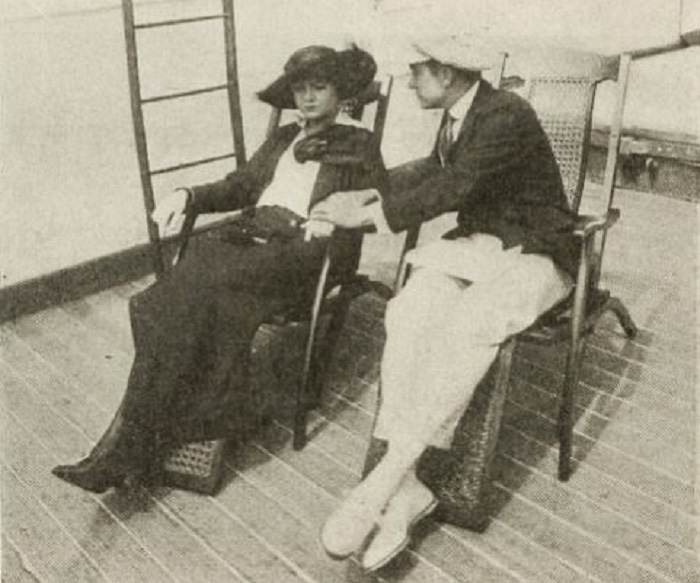
Navigating the complex narrative architecture of The Key to Yesterday is a cinematic excellence experience, the legacy of The Key to Yesterday is a beacon for those seeking the unconventional. Unlock a new level of cinematic understanding with these cult alternatives.
The artistic audacity of The Key to Yesterday ensures it to sustain a sense of mystery that persists after the credits roll.
George Carter, a revolutionist in South America, is the exact double of Frederick Marston, a famous artist in Paris. Carter is betrayed by a comrade and is sentenced to be shot. He takes a desperate chance and escapes on board a vessel bound for London. In Paris Marston is stabbed by a model because he does not return her love. The wound incapacitates him from painting, and leaves an ugly scar, and he goes to America on a vacation. Highwaymen attack him, inflicting injuries which cause a total loss of memory. The robbers leave nothing in his pockets but the key to his Paris studio, and Marston adopts the name of Robert Anglo-Saxon. Five years later he falls in love with Duska Filson, a noted beauty, and at a dinner given by her he meets Gen. Robero, a South American ambassador, the man who condemned Carter to death. Robero believes Saxon is Carter and writes Saxon a letter warning him that if he marries Duska he will have Saxon extradited to South America and shot. Robero convinces him that he is Carter and Saxon goes to South America to pay the penalty of the crimes he believes himself guilty of. On the boat he meets Rodman, Carter's betrayer. Duska follows Saxon to South America and learns that Saxon has proven his innocence and departed two days before. She sends him a wireless and he has the ship stopped and lands at Puerto Frio, and learns that the revolution has broken out. In fighting his way through the lines he is shot and is placed on board a vessel bound for France by Rodman. Rodman tells Duska what has occurred and she follows Saxon to France. Saxon's mind clears and through the medium of the key which fits the lock of his house his identity is clearly established. Duska learns that Saxon is the world-renowned artist and his a wife who is very ill. When Saxon reaches his home he finds Duska at the bedside of his wife, who has just died. Duska respects Saxon's grief and departs, with her dream of happiness shattered.
Critics widely regard The Key to Yesterday as a cult-favorite piece of cult cinema. Its cinematic excellence is frequently cited as its strongest asset, solidifying its place in United States's film legacy.
Based on the unique cinematic excellence of The Key to Yesterday, our vault has identified these titles as the most compelling follow-up experiences for fans of cult cinema:
Dir: John Francis Dillon
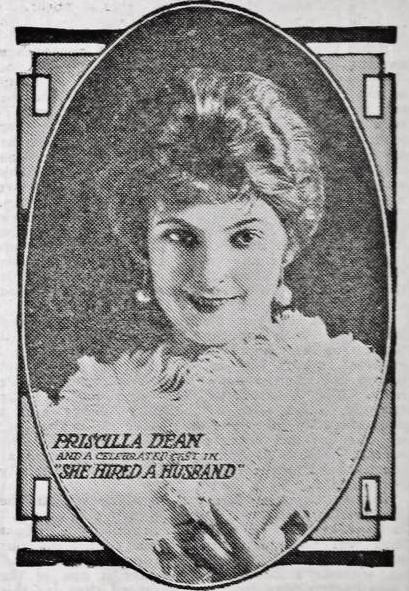
Daphne Trowbridge, an impulsive and obstinate but nonetheless kindhearted young woman, lives with her aunt and uncle on their country estate. Daphne falls in love with Tom Dunstan, but when she learns that Mrs. Trowbridge favors the young man, she deserts him, whereupon he departs for the woods brokenhearted. Because her aunt dislikes Gerald, Daphne accepts his proposal, but on the day of the wedding, she discovers that Mrs. Trowbridge has liked him from the beginning. Furious at her aunt's scheming, Daphne hires the first man she meets, who happens to be a heavily bearded lumberman, to marry her and then leave. Later, however, her hired husband abducts her to his cabin in the woods, where he eventually succeeds in taming her. After he rescues her from two lecherous lumberjacks, Daphne discovers that her husband is Tom, whom she had loved all along.
View Details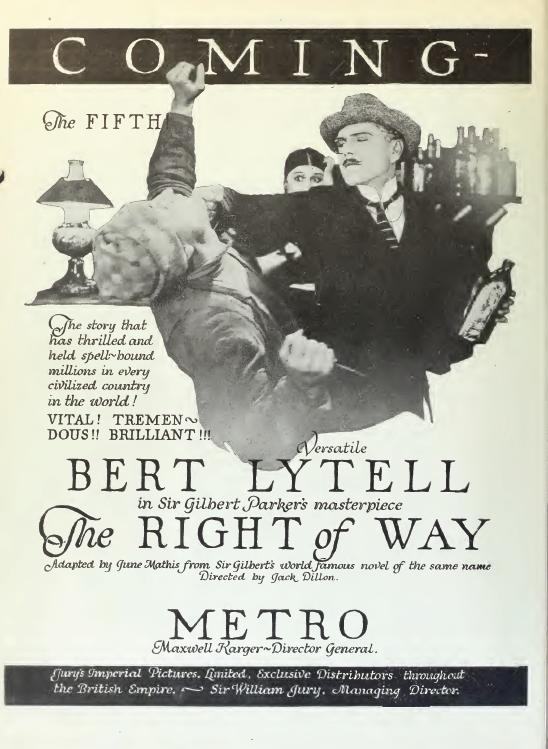
Dir: John Francis Dillon
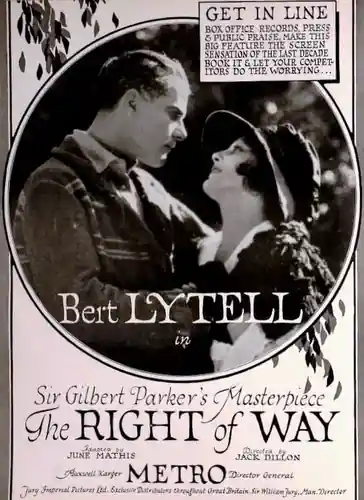
Snobbish attorney Charles 'Beauty' Steele loses his wife due to his drinking and his airs at the same time that his brother-in-law absconds with funds belonging to one of Steele's clients. In search of the thief, Steele is attacked and left for dead. He is rescued by a kind couple, but suffers from amnesia. He starts life afresh and is happy, until the return of his memory sends him back to resolve his old involvements.
View Details
Dir: John Francis Dillon
Eddie appears as a squatter named "Black Jack," who makes a strong fight for his rights against armed aggression. In the course of the story he kidnaps his own boy.
View Details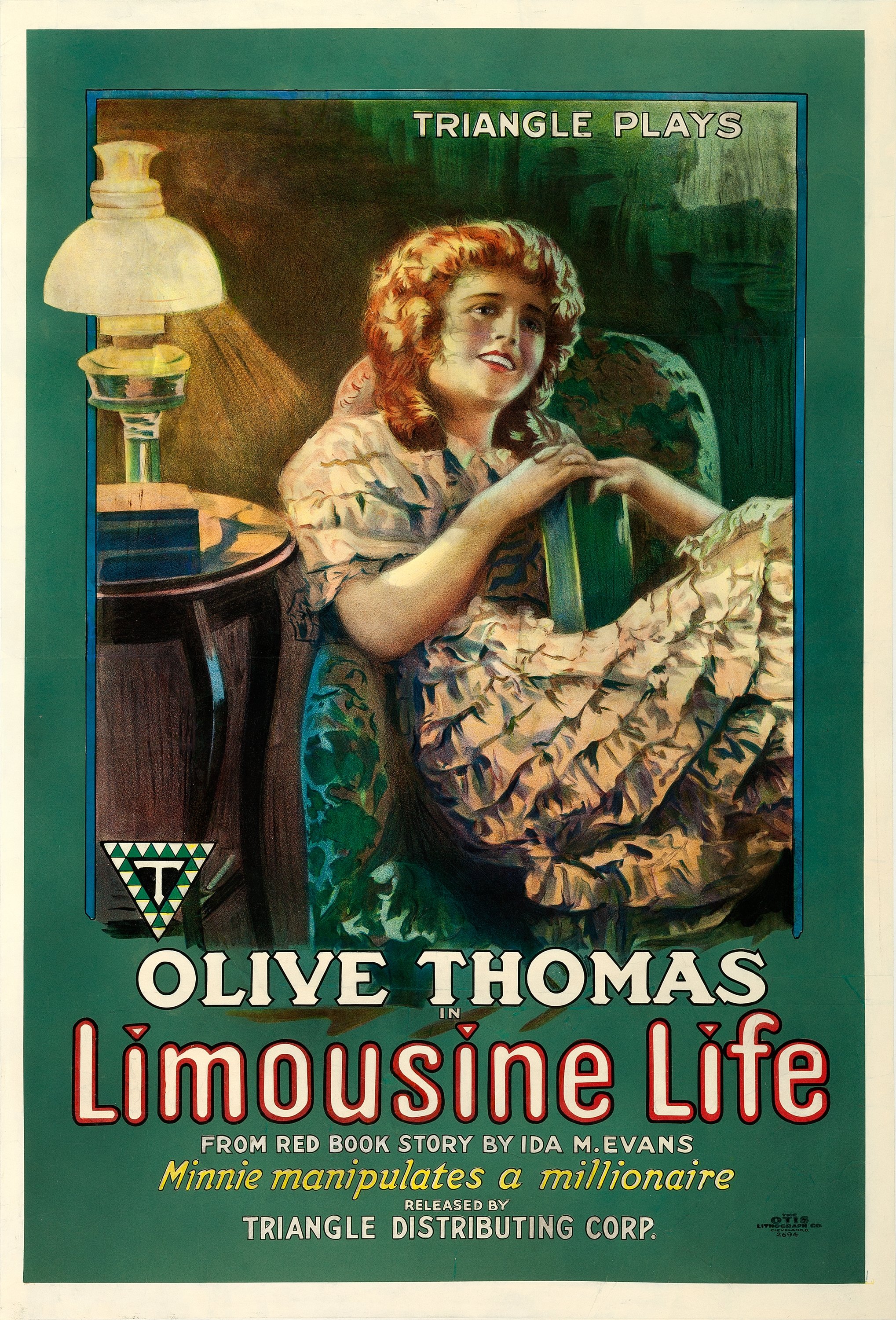
Dir: John Francis Dillon
An amusing satire on the simple village maiden who comes to the great city and falls a victim to its alluring temptations.
View Details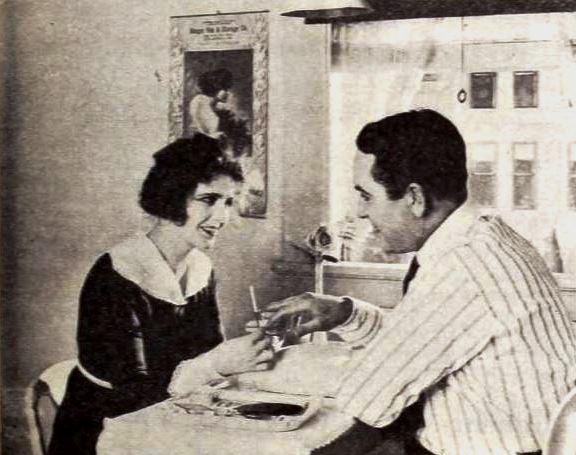
Dir: John Francis Dillon
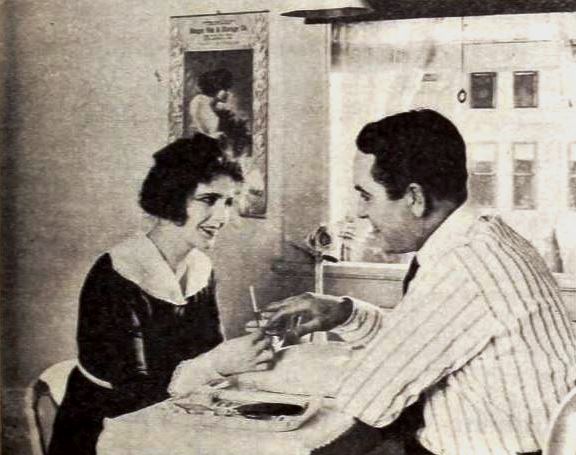
Working as a manicurist at the Ritz, Helen Thurston, is in love with her wealthy patron, Jack Standring, but the young man's mother wants him to marry a rich debutante. Helen is informed that she has inherited her grandfather's millions, and she proceeds as quickly as possible to acquire expensive clothing and jewelry on credit. Jack, however, is not impressed. Soon Helen learns that she has inherited only $1,000, the remainder of the fortune having gone to her cousin Spindrift. The creditors hound her for their money, and at a grand ball at the Standring home, a detective threatens to arrest her. Touched by her poverty, Jack decides to elope with her. Finally Spindrift violates the conditions of the will, and Helen inherits the entire fortune.
View Details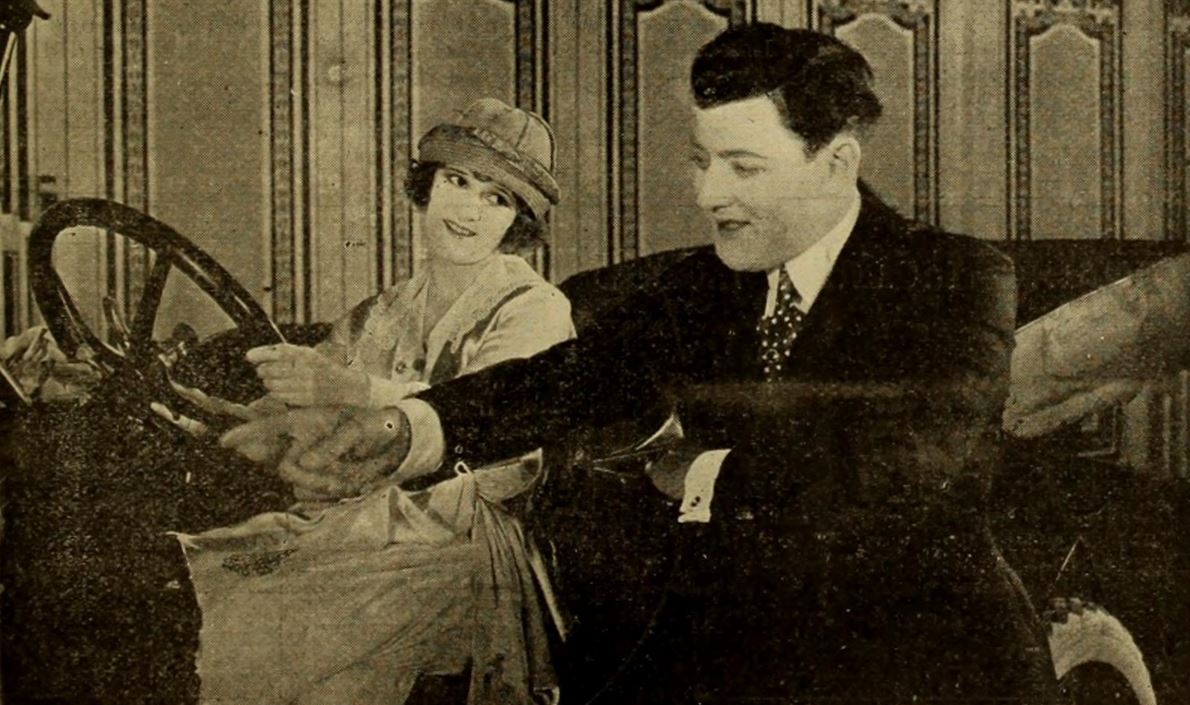
Dir: John Francis Dillon
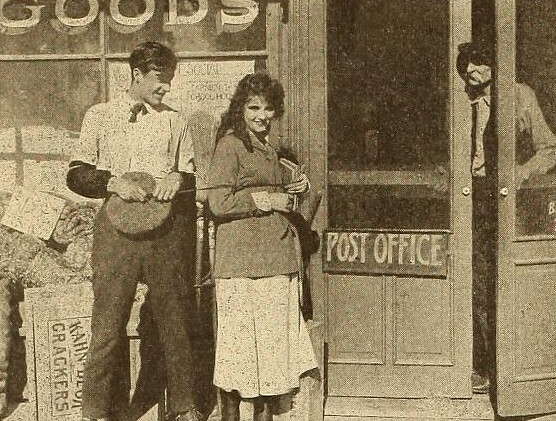
Diana Rosson, a wealthy and beautiful woman, drives to her country home to escape the unwelcome attentions of her many suitors, particularly Trotwell, her guardian's favorite. Arriving in the middle of a raging storm, Diana rushes into the house only to be attacked by robbers. Passing by the house, Dick Webster hears her cries and rescues her, and the two quickly become friends. Diana falls in love with Dick, but his hatred of the rich prevents him from returning her affections. Anxious to win him, Diana tells Dick that she has a twin sister who insists on earning her own living. Dick agrees to deliver a message to the sister and promptly falls in love with the demure young woman, unaware that she actually is Diana. They marry, but when Horace Sciven falsely accuses Diana of stealing a violin, she is taken to the police station, where her husband discovers her true identity. Realizing that her deception was prompted by love, Dick forgives his young wife.
View Details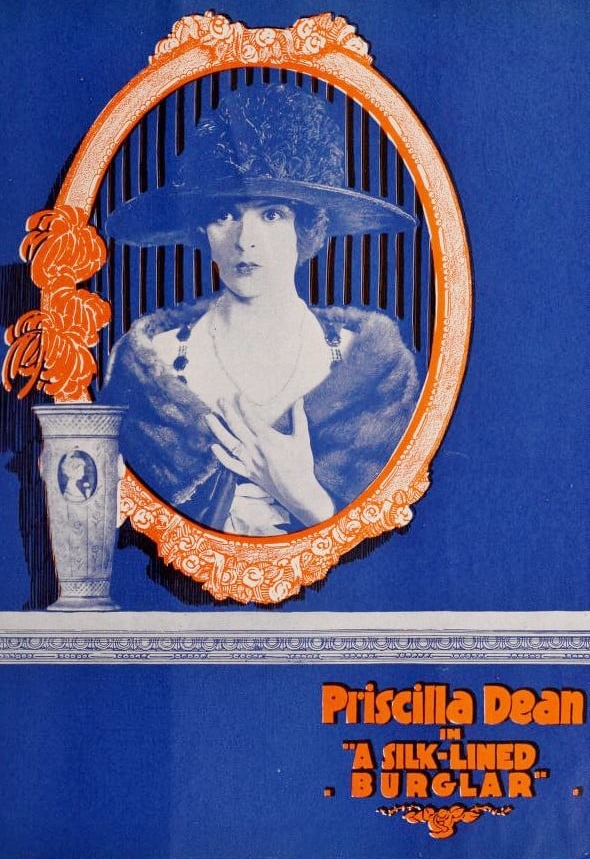
Dir: John Francis Dillon
Gentleman crook Boston Blackie answers a want ad for an expert safe cracker placed by Doris Macon, who claims a moral right to the safe's contents. She hires Blackie, and they break into the house where the safe is kept. Blackie blows up the safe just as owner Captain von Hoffmeier returns home. Doris disappears with papers from inside the safe, while Blackie takes phonograph records, which, when played with a special needle, reveal secrets that implicate von Hoffmeier as a German political spy. Doris is actually the girl friend of a secret service man who has followed them to the house. Blackie's talents are praised, and he goes to work for the government.
View Details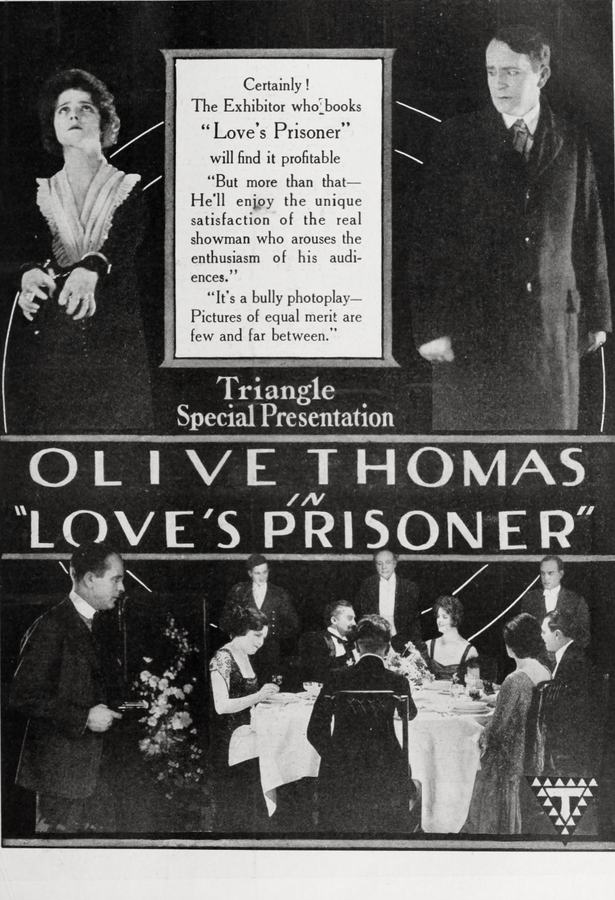
Dir: John Francis Dillon
A young lady, who "hates the law" rises from the tenements to society. Financial reverses lead her to commit a series of burglaries as "The Bird". She becomes involved with the detective investigating the burglaries. After she confesses and pays for her crimes, they marry.
View Details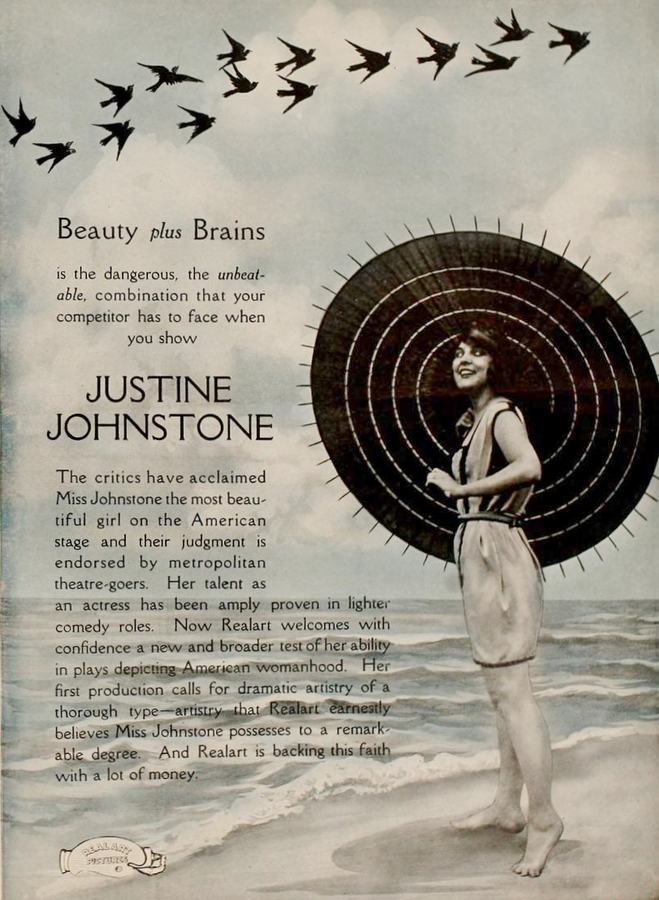
Dir: John Francis Dillon
Adventuress Leonie Sobatsky falls in love with a young man named Nevil Trask, and he with her. Trask doesn't know that Leonie is actually the head of an international smuggling ring--and Leonie doesn't know that Trask is an undercover Secret Service agent assigned to break up the ring and capture its head.
View Details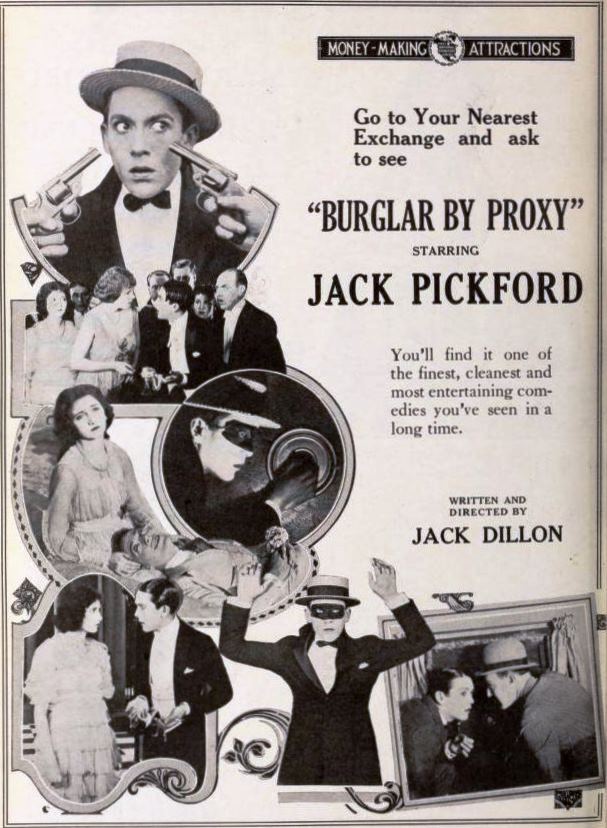
Dir: John Francis Dillon
A terrible toothache causes Jack Robin to stop his automobile in front of the home of Dorothy Mason. Noticing a flat tire, Jack attaches his automatic pump and forgets about it as he listens enthralled to Dorothy's singing. When the sound of the burst tire brings Dorothy running out, Jack feigns injury so he can be nursed by her. After he leaves the house, and Dorothy's father discovers some important invention plans missing, Harlan Graves, Dorothy's suitor, suggests that Jack stole them. Jack, suspecting Graves, breaks into Graves' home to clear himself and meets a real burglar, "Spider" Kelly, who adopts Jack as his guide. They blow up a safe at a house party where Jack suspects the plans to be hidden. The papers are found, Graves is arrested and Spider, disappointed that Jack made such a mess in blowing the safe, goes off, leaving Dorothy and Jack happily alone.
View DetailsAnalysis relative to The Key to Yesterday
| Film Title | Atmosphere | Complexity | Similarity |
|---|---|---|---|
| She Hired a Husband | Surreal | Layered | 85% Match |
| The Right of Way | Gothic | Layered | 90% Match |
| A Prisoner for Life | Gritty | Abstract | 95% Match |
| Limousine Life | Surreal | High | 86% Match |
| Heiress for a Day | Tense | High | 90% Match |
This guide was algorithmically generated using the cinematic metadata of John Francis Dillon's archive. Last updated: 8/17/2026.
Back to The Key to Yesterday Details →