
DbcultAccessing Vault...
Recommendations
Senior Film Conservator
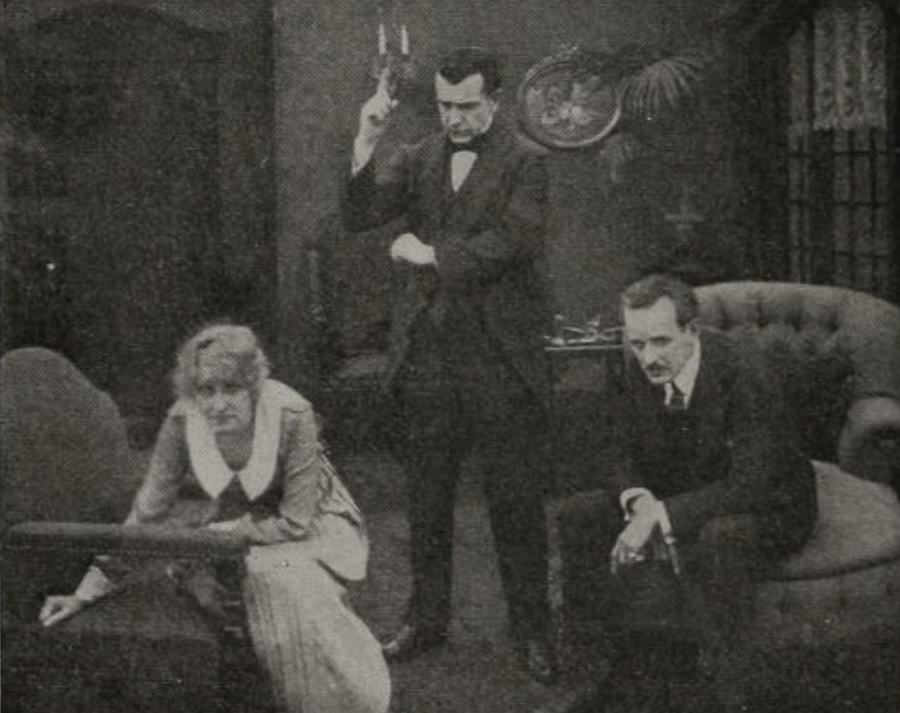
Witnessing the stylistic evolution of Raymond B. West through The Moral Fabric is profound, audiences who connected with its message often look for similar thematic gravity. Each of these movies shares a piece of the cinematic excellence that made The Moral Fabric so special.
The synthesis of form and function in The Moral Fabric to establish Raymond B. West as a true visionary of the 1916s.
Scott Winthrop is a wealthy, matter of fact businessman who cannot conceive an undeniable right in another man's attempt to break up his home because he has happened to take a fancy to his wife. But Amy Winthrop, a romantic young woman with more spare time than is good for her, takes up with the notions of a so-called liberal organization and is in the arms of its leader on her wedding anniversary when her husband comes home with a costly present for her. She stubbornly announces that Mackley Stuart is her "elective" mate and that they are going away together. Unable to dissuade her, the husband sends word to the newspapers that he is relinquishing his wife to Stuart at their request. The publicity that follows practically forces them to wed. Later, while touring Europe, Winthrop runs across the couple in a Naples café. He manifests great pleasure and greets them as old friends. He congratulates them on their happiness and fills his former wife's ears with the same kind of twaddle that had lost her to him. With pitiless cruelty he pursues his campaign and the result he seeks is not long in coming. Amy throws herself at his head and he apparently is content. Stuart, furious, now finds himself in the position in which he had placed Winthrop. The three discuss the situation. Amy repudiates her husband and offers to leave him to return to her first love. Winthrop leads her to believe that he will take her back and then spurns her. Thus he proves to them that the fabric of morality cannot be lightly destroyed and is satisfied that he has ruined their lives as they ruined his.
Based on the unique cinematic excellence of The Moral Fabric, our vault has identified these titles as the most compelling follow-up experiences for fans of cult cinema:
Dir: Raymond B. West
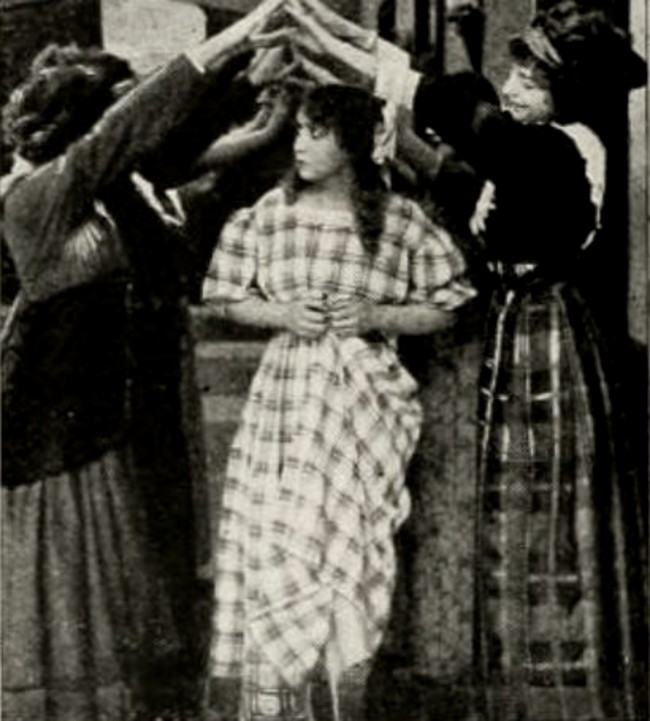
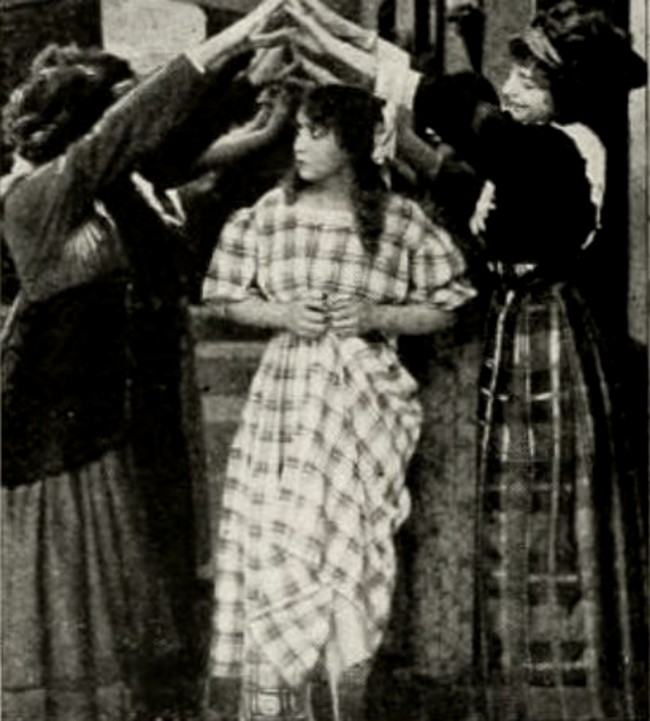
Doris Willard, the daughter of a village minister, achieves the realization of her great dream, a year at college. Doris, although a sweet and pretty girl, is greatly handicapped by her clothes. On her arrival at college she is eyed by the other girls with concealed amusement and curiosity and soon realizes that she "doesn't belong." The girls snub her at every opportunity and she is desperately lonesome and longs for companionship. The Saturday before Thanksgiving when everyone else has gone to the big Princeton-Yale game, Doris sits alone in her room. She picks up the newspaper and sees in it a picture that greatly appeals to her. It is a newspaper cut of "Bullet" Dick Ames, the universal choice for the '"All-American Eleven." She conceives a desperate plan. She thinks nobody at her college knows Dick and decides she will make the girls think he is in love with her. She writes a note to herself to which she signs Dick's name. The note is a proposal of marriage. This she drops on the porch of the girls' hall and it is picked up by one of the girls who reads it to the bunch. Daisy Arnold, the undisputed ruler of the "Beauty Squad," will not believe that Dick knows Doris, and writes to his sister, Eleanor, asking both her and Dick down for the holidays. In her letter she tells Eleanor about Doris claiming Dick has asked her to marry him. Dick sees the letter and he and his sister accept the invitation. When Dick sees Doris, he decides to help her out in her deception. Doris is panic-stricken on the night of the reception given in Eleanor's and Dick's honor, but when she is introduced to Dick he says, "Why sure, we are old friends," and Daisy and her friends are much disappointed, their plan for humiliating Doris having fallen through. After meeting Dick, Doris is unwilling to carry out the deception, but he insists, and before his visit is over they are much in love with each other. Doris, however, refuses to marry Dick, thinking he has asked her out of pity, but through Eleanor's efforts he manages to make her understand that he really loves her.
View Details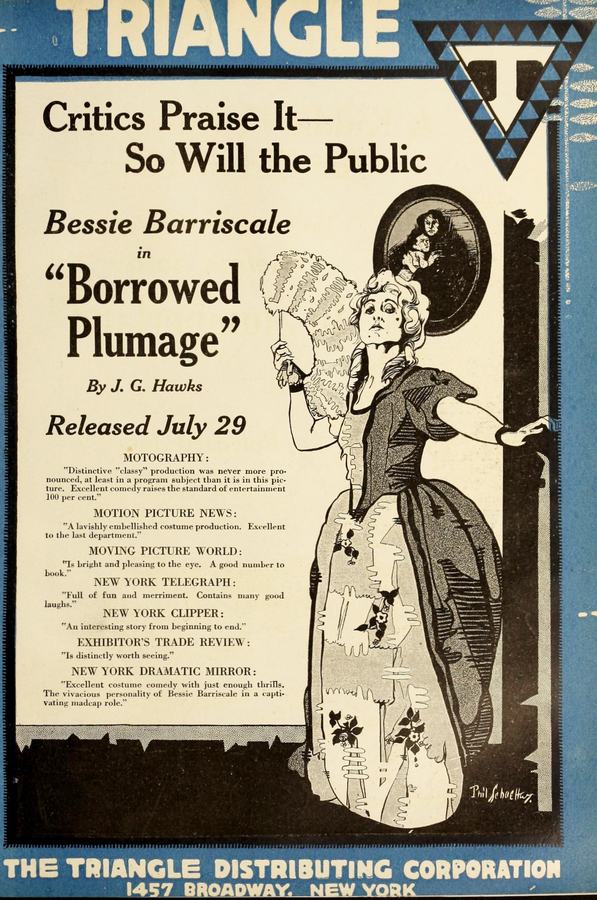
Dir: Raymond B. West
The Earl of Selkirk and his family learn of the impending arrival of American pirate John Paul Jones, they flee their castle, leaving behind Nora, the kitchen maid. Left alone in the house, Nora dons the clothes of her mistress and parades herself about the castle until the arrival of the king's light infantry. Because they mistake her for the lady of the house, she invites them to be her guests. Meanwhile, on board the pirate ship, third officer Darby O'Donovan recognizes the little island as his former home. Sent ashore by the commanding officer to investigate, Darby sees Nora, his old sweetheart, seated at the table with the redcoats and, impersonating an Irish gentleman, he interrupts the gathering. Later, a fisherman exposes Darby's true identity and he is arrested. Nora, determined to save her lover, disguises herself as a soldier and signals the pirate ship for help. After a thrilling battle between the pirates and the soldiers, the pirates escape and Darby sails to America accompanied by Nora.
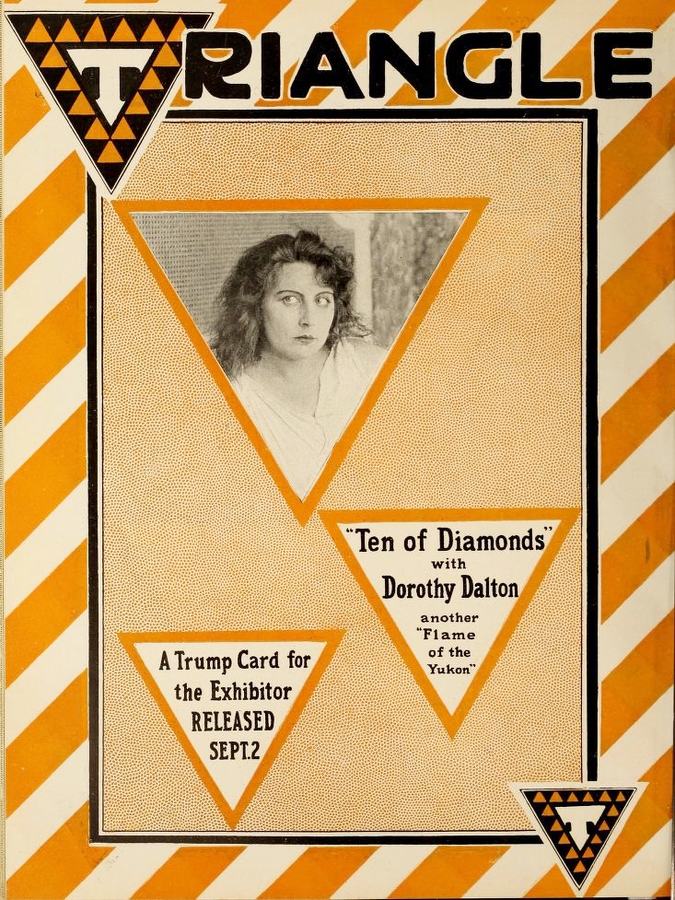
Dir: Raymond B. West
While on the job, Neva Blaine, a seasoned cabaret girl, is assigned to the well-to-do Warren Kennedy, who has come to her club to forget a recent romantic humiliation. Kennedy was to marry Blanche Calloway, but Ellis Hopper, his rival, seduced her and forced her to appear at the wedding with a note detailing her betrayal. As revenge, Kennedy decides to remake Neva, by schooling her in the ways of society, pair her with Hopper, then, at the proper moment, reveal her lowly background. Although she loves Kennedy, Neva wins Hopper's hand as instructed but, on the day of the wedding, writes to her mentor imploring him to save her from the marriage. When Kennedy refuses to intercede, Neva, desperate with grief, spills wine on her wedding gown and pretends to be drunk in the church, causing the guests to flee and Hopper to denounce her. Her fate apparently sealed, Neva goes off to live alone, but Kennedy, realizing his love for her, saves her from a lonely existence.
View Details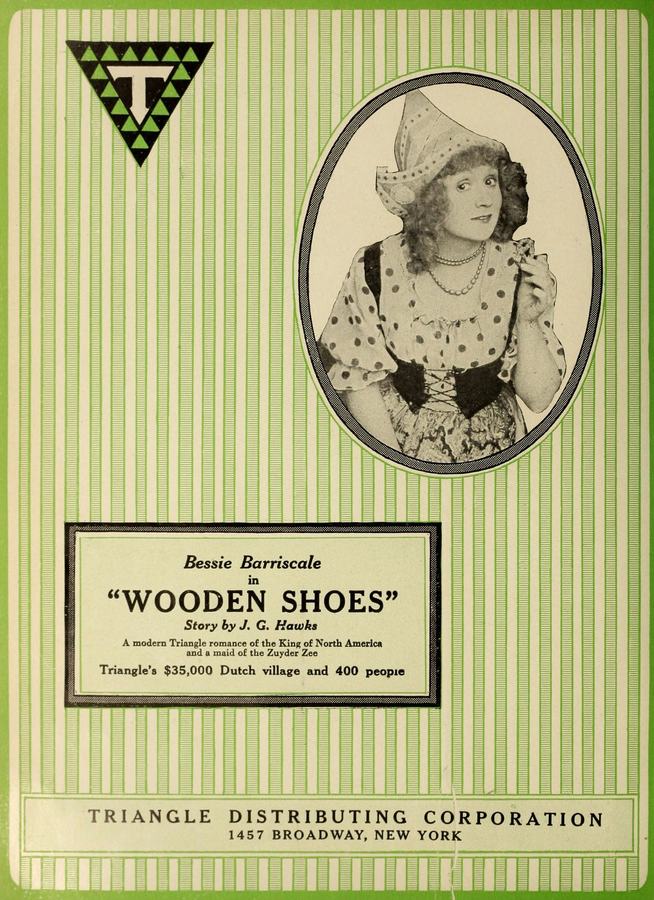
Dir: Raymond B. West
Pampy lives in a quaint little Dutch village, where she supports her invalid father by selling flowers to tourists. Pampy is so beautiful that she provides inspiration to Donald Luther, an American artist who is visiting the village, and at his request, poses for him. Just as his interest starts to blossom into love, he is called away for two weeks. During his absence Pampy's father dies, leaving her only with directions to her wealthy grandfather's home in New York. A letter containing money for her voyage is intercepted by the unscrupulous Captain von der Bloom, who takes an innkeeper's daughter to the old man and tries to persuade him that she is his grandaughter. Pampy is finally able to sail to America when the village priest buys her passage, and she arrives just in time to prevent the old man from turning over a large sum of money to von der Bloom. The gloom of the old house is then awakened to laughter as it is filled with Pampy's charming presence, and all ends happily as she is reunited with her artist.

Dir: Raymond B. West
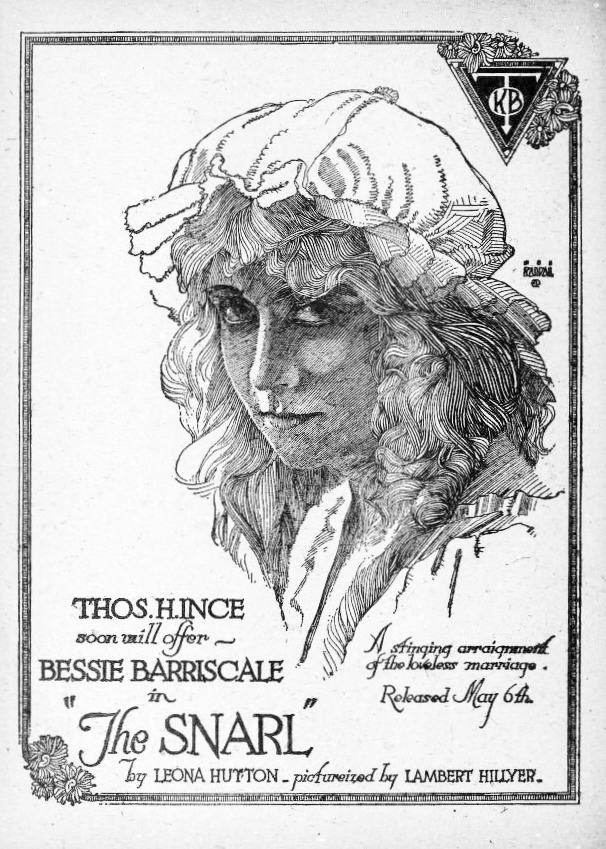
Identical twins in appearance only, sisters Helen and Marion Dean have totally different temperaments: Marion possesses a self-sacrificing character, while Helen is vain and heartless. When Marion, a wonderful singer, is crippled by a car accident just before she is to open at the grand opera, the manager of the opera conceives of the idea of presenting Helen on stage while Marion sings the music behind the scenes. A young millionaire, Monte Bruce, watching from the audience, is captivated by Helen and the two are married. Marion accompanies them on their honeymoon cruise, and when an explosion blinds Bruce, Helen begins to flirt with fellow passenger Jack Mason, leaving her crippled sister to take her place at Bruce's side. Helen's scheme goes awry when Bruce recovers his sight but keeps his recovery secret, thus discovering Helen's duplicity. When a fire breaks out on ship Helen and Mason are drowned while attempting to escape, freeing Bruce to marry Marion, who has recovered the use of her legs.
View Details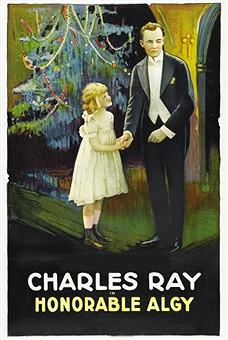
Dir: Raymond B. West
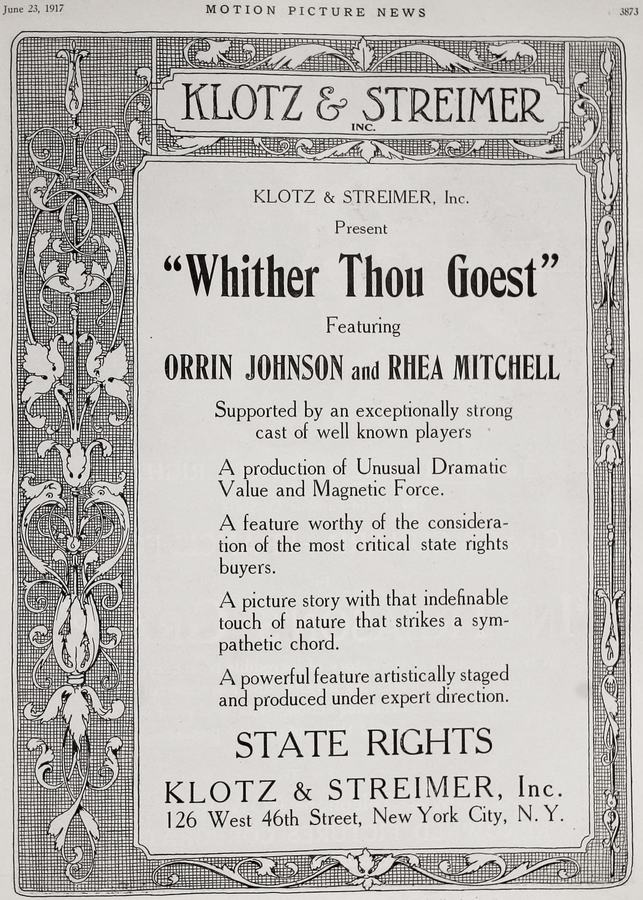
Algy, a British youth of ideals, is sent to America for an arranged marriage with a wealthy heiress. He goes, but reluctantly, for he is actually in love with the daughter of his vicar. The heiress, however, has a surprise in store.
Dir: Raymond B. West
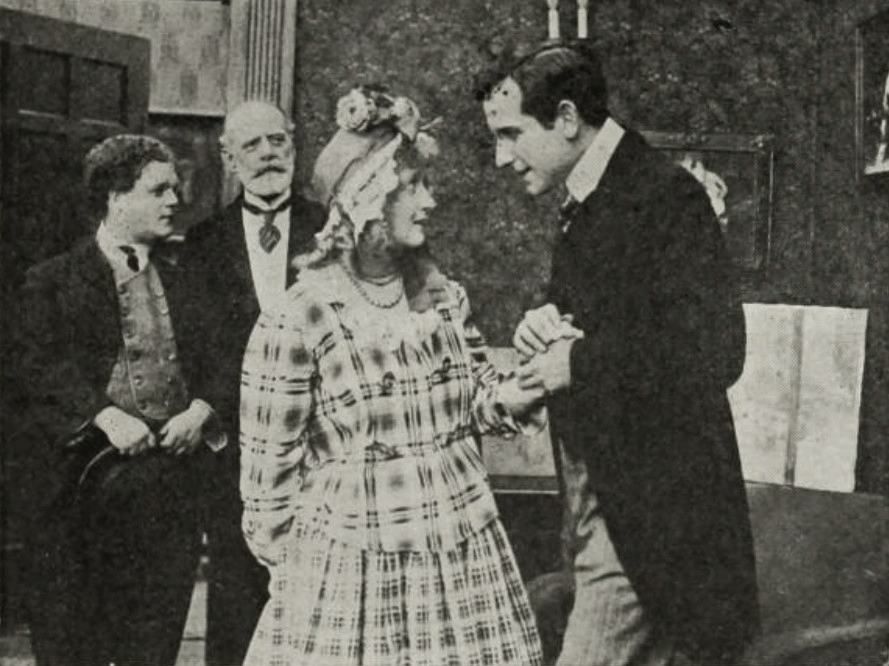
Seized with a fainting spell during a polo game, Donald Van Wye is given six months to live and told he must go to Arizona. His brother Tom, an irresponsible college youth, is wired to come home and take Donald's place. When Tom arrives, Donald finds that his little brother has committed himself to an actress named Maizie. Donald pleads with the actress to give Tom up, but when she refuses, Donald marries her in order to save his brother. The couple go to Arizona where their love ripens, and through Maizie's prayers, Donald regains his health. Mrs. Van Wye then comes to visit and tells Maizie that she is preventing Donald from assuming his rightful place in society. Crushed, Maizie starts across the desert alone, and when Donald learns of his mother's dreadful behavior, he follows Maizie and begs her to stay.
View Details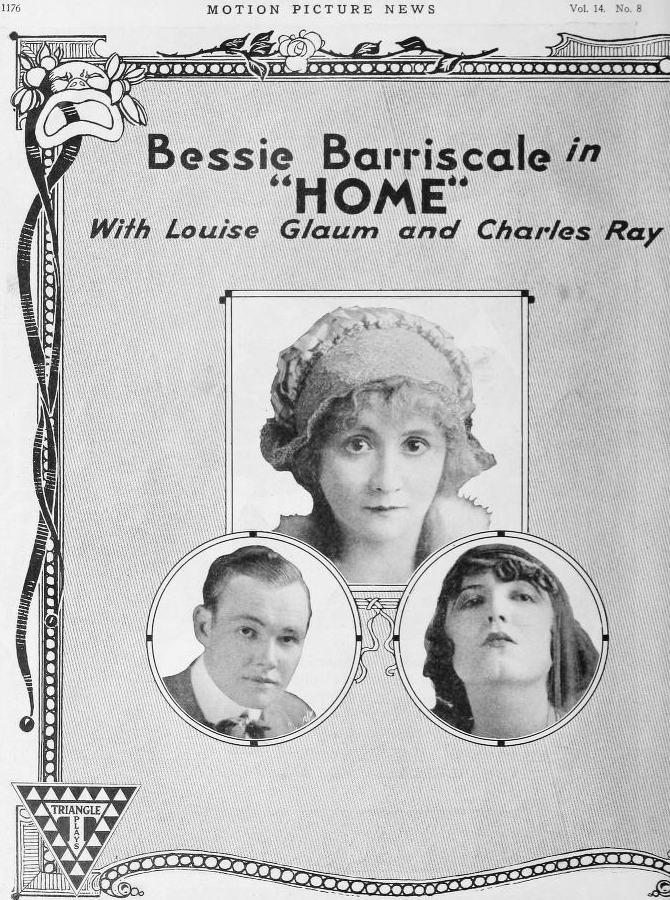
Dir: Raymond B. West
Bessie Wheaton returns from Europe to find that her nouveau-riche family has adopted and magnified the worst characteristics of the upper class. Her father spends all of his time at the club, her mother cultivates snobbishness, and her sister thinks only of marrying into royalty. To shake them out of their aristocratic poses, Bessie decides to reflect all of their faults, becoming as lazy as her father and as status conscious as her mother. She even rejects her own sweetheart, Allan Shelby, to lure Count d'Orr away from her sister. Finally, her family members confront her and she angrily tells them that she was only mirroring their behavior. She then runs away, but Allan, with whom she quickly reconciles, brings her back, just as her family acknowledges their recent burlesque of the upper crust.
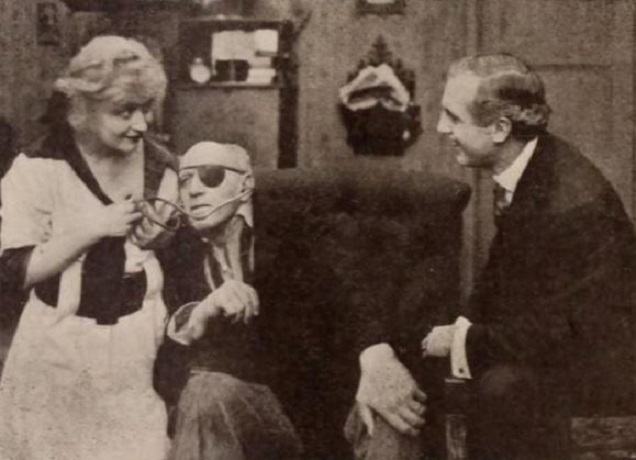
Dir: Raymond B. West
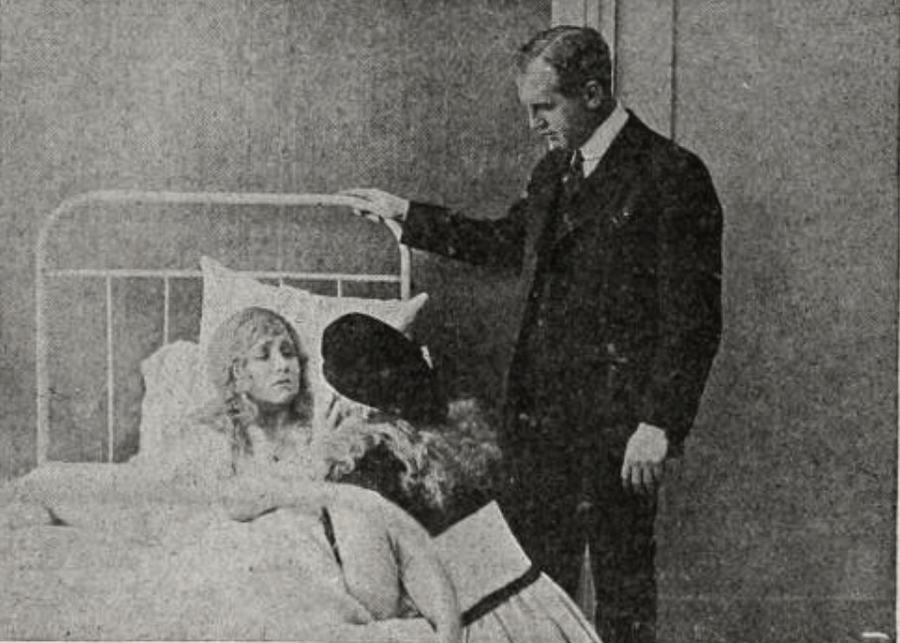
Patrick "The Ear" Muldoon, a professional safecracker, passes on his skills to his daughter Peggy. However, after reading Ralph Waldo Emerson's books, Peggy decides to forego a life of crime, after pulling one last job. Unfortunately, she's arrested for that crime and sent to prison for two years. When she gets out of prison she moves to California and meets Robert Benton, who works in a local bank. Theu marry and are living happily--until Peggy's old gang shows up and threatens to tell her husband about her past unless she helps them crack the safe in his bank.
View Details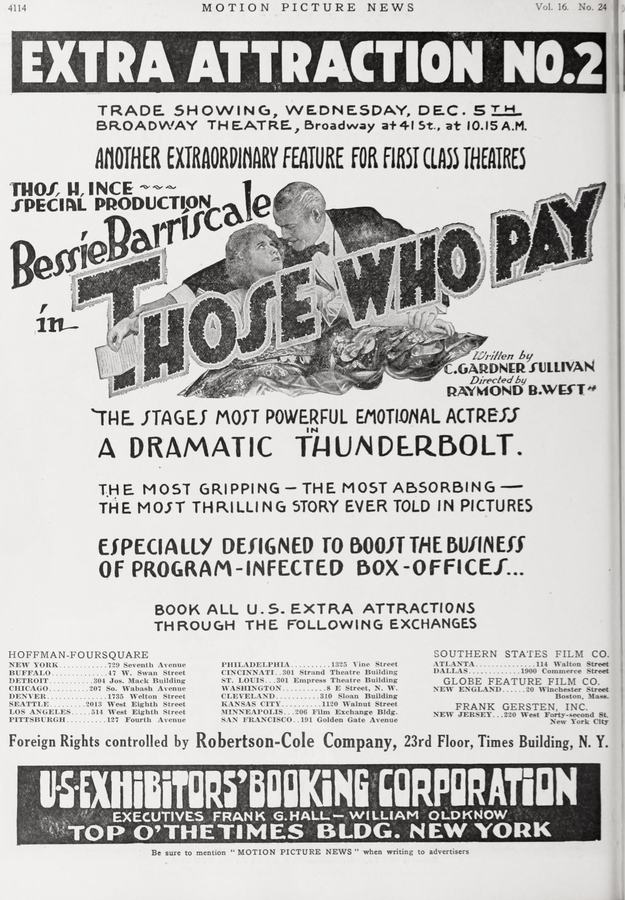
Dir: Raymond B. West
She was alone in the world save for her little sister, and little sister was dying. She wanted a doll for Christmas and Dorothy had no money. She stole one and three persons paid a heavy price for the tiny toy.
View DetailsAnalysis relative to The Moral Fabric
| Film Title | Atmosphere | Complexity | Similarity |
|---|---|---|---|
| The Mating | Gothic | Dense | 90% Match |
| Borrowed Plumage | Surreal | High | 92% Match |
| Ten of Diamonds | Ethereal | Dense | 97% Match |
| Wooden Shoes | Tense | Dense | 85% Match |
| The Snarl | Ethereal | Layered | 92% Match |
This guide was algorithmically generated using the cinematic metadata of Raymond B. West's archive. Last updated: 6/22/2026.
Back to The Moral Fabric Details →