
DbcultAccessing Vault...
Recommendations
Senior Film Conservator
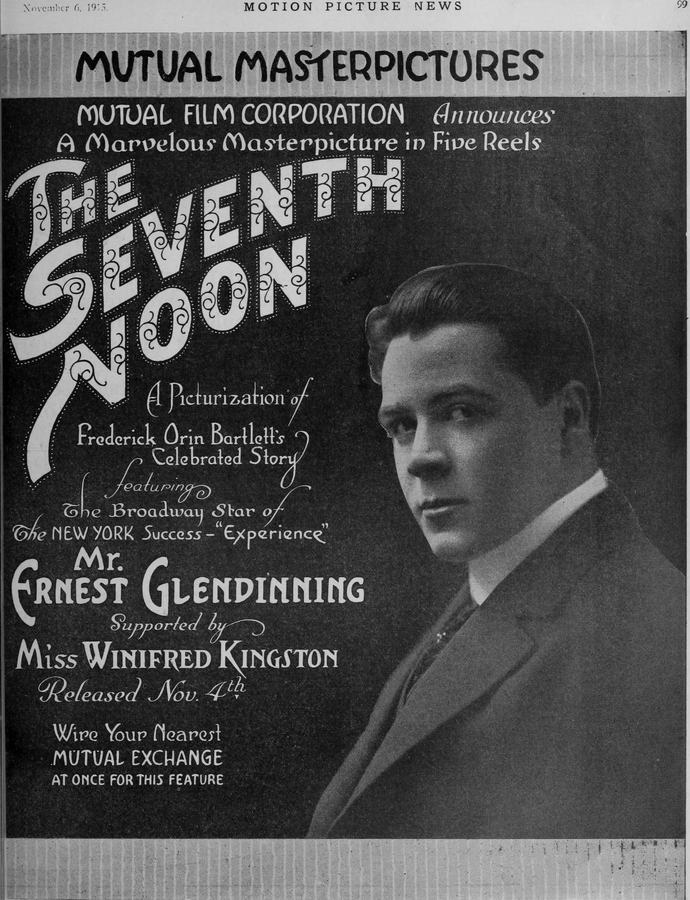
After experiencing the cinematic excellence of The Seventh Noon (1915), you are likely searching for more films that share its specific artistic vision. Unlock a new level of cinematic understanding with these cult alternatives.
This 1915 cult classic stands as a testament to push the boundaries of conventional storytelling.
Peter Donaldson, a young lawyer, cherishes an idea to win fame and fortune as a barrister by representing only the right and supplying to the poor legal talent impossible to secure with their finances. With his savings almost exhausted he determines upon suicide. Professor Barstow, a chemist and college friend of Donaldson's, invites the lawyer to his laboratory to witness the end of an experiment with a mysterious poison which is supposed to act fatally exactly seven days from the time it is taken, leaving no trace or clue. To Donaldson's amazement, he sees the dog selected for the test drop dead at the end of the seventh day. Fascinated he steals some of the poison and returns to his home. There he drinks the poison at twelve o'clock noon, on June 1. Immediately after he engages a suite at a fashionable hotel, and invests a good part of his savings in a wardrobe. Then he enters a high priced café. Ellen Arsdale and her brother Ben arrive for dinner. The nervous actions of young Arsdale attract Donaldson. He scents something unusual and follows him. Arsdale sends his chauffeur into the hotel on an errand, and with his sister in the car, starts away at a rapid speed. Donaldson succeeds in jumping on to the running board and finally overpowers Arsdale and stops the machine. Then he is told by Ellen that her brother is suffering from opium, the curse of several generations of Arsdales. Donaldson accompanies them home, where Ben succeeds in escaping. At Ellen's urgent request, Donaldson pledges himself to find Ben. He enlists the aid of his friend, Police Inspector Saul, and then begins a search of Chinatown. During the night the home of Ruth Chester, a friend and neighbor of the Arsdale's is robbed. Detectives find a handkerchief left by the thief embroidered with the initials "B.A." This evidence is presented to Inspector Saul and he concludes that Ben is the thief. Donaldson and Ellen go to the Arsdale country home the following day, believing that Ben had gone there. They detect the odor of opium as they enter. It leads them to the attic where Donaldson is attacked in the dark. Before he recovers the assailant escapes. Unsuccessful, the company returns to New York. Exhausted, Donaldson goes to his hotel and sleeps through twenty-four hours without waking. On dressing, he is handed a note from Ellen stating that Ben has returned home, secured more money and again escaped, after saying something about "Wun's place." This is a Chinatown den, previously visited by Saul and Donaldson. The young suicide hurried to Mott street, and in Wun's parlor finds Ben, stupefied by drug. He takes him to his hotel. Then he notifies Ellen. Then Donaldson discovers that he has fallen in love with the charming young girl and is about to declare himself when he recalls the death awaiting him. He leaves suddenly without offering to explain his strange conduct. Next morning learning that Ben is to be arrested for the robbery, Donaldson confesses that he committed it and is arrested. In his cell he writes a farewell note to Ellen, expressing confidence in Ben's ability to overcome his weakness. This letter was delivered by Saul at Donaldson's request. Marie, the Arsdale housekeeper, hears Saul give his name and title to the maid and flees to the attic, where her son, Jacques, is in hiding. Confident that Saul is there to arrest him, Jacques attempts to escape. Ben overhears the noise and captures him, with Saul's assistance. The inspector searches Jacques, and finds part of the jewels stolen from the Chester home. Triumphant, he takes Jacques to headquarters and frees Donaldson. Almost crazed with remorse over his act in taking the seven day poison, Donaldson returns to Barstow's laboratory. While awaiting Barstow's arrival, he discovers, hiding under a settee, the dog whose death he had witnessed seven days before. Barstow arrives and explains that the poison failed. "Let me have him,'' Donaldson pleads. "He has taught me the value of life." Taking the dog in his arms he returns to the hotel, and begins packing his things. There Ellen and Ben find him. Ashamed now of his cowardice, Donaldson hesitatingly explains about the poison. Ellen's affection, prompted by sympathy, increases, while Ben begs Donaldson to help him with his strength and determination in his fight against the drug.
The influence of Unknown Director in The Seventh Noon can be felt in the way modern cult films handle cinematic excellence. From the specific lighting choices to the pacing, this 1915 release set a high bar for atmospheric immersion.

Based on the unique cinematic excellence of The Seventh Noon, our vault has identified these titles as the most compelling follow-up experiences for fans of cult cinema:
Dir: Unknown Director
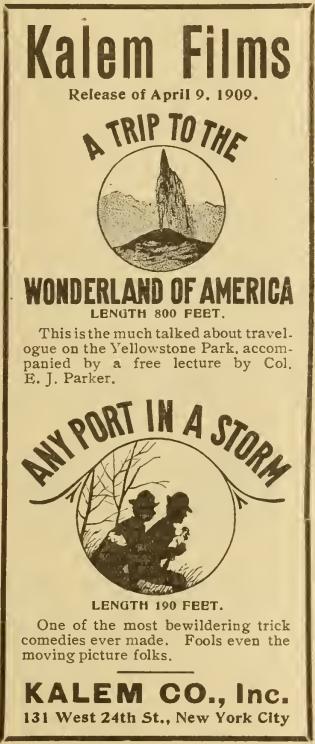
This is an intensely interesting production. The tourist, the lover of the romantic, and the student will find the scenes of picturesque beauty, sublime, awe-inspiring, wild, weird and magnificent. No collection of scenic subjects is complete without this film. Photographic quality is unexcelled.
View Details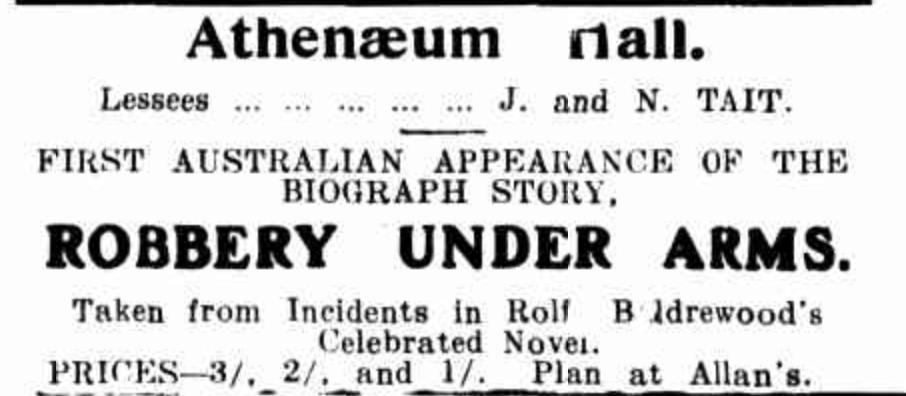
Dir: Unknown Director
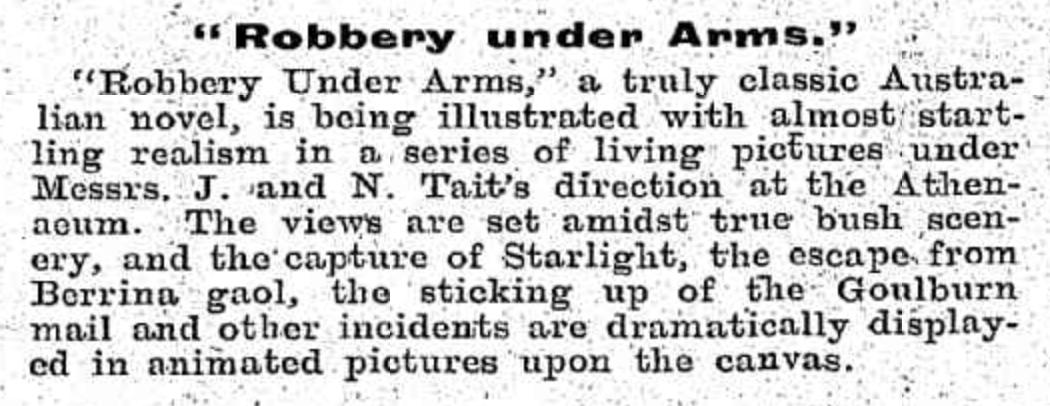
Adaptation of the classic Australian novel about the bushranger Captain Starlight.
View Details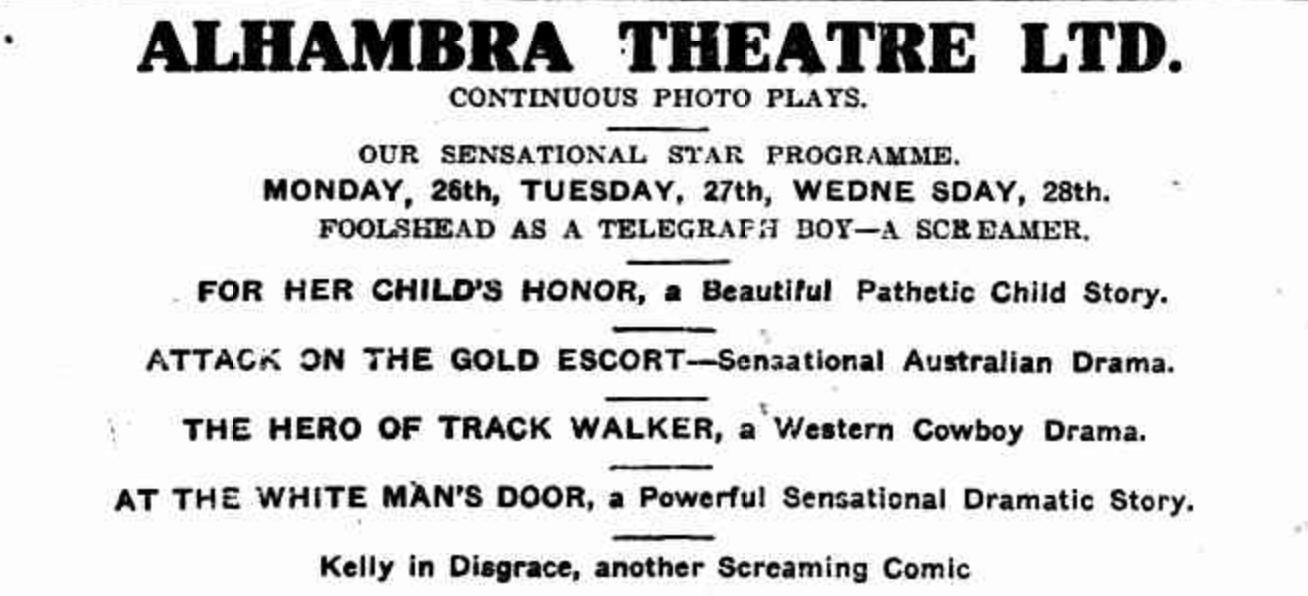
Dir: Unknown Director
Nothing got the Aussie adrenalin flowing in the early 1900's than some serious gold-fields drama.
View Details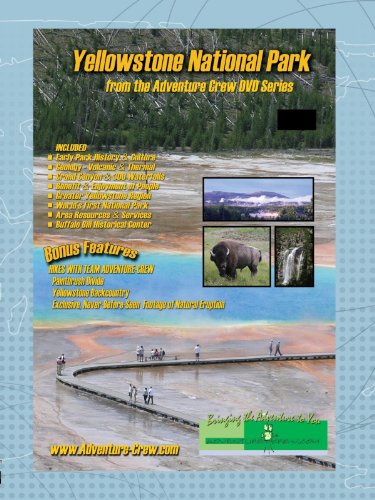
Dir: Unknown Director
This fascinating region was set apart as a Government Reservation, to be known as Yellowstone Park, in 1S72. The park proper is about 62 miles long, from north to south, and 54 miles wide. While the tourist may reach the park entrance by rail, it has been decreed by Uncle Sam that beyond the Great Lava Arch Gateway the iron horse shall not trespass. So here leaving the pathway of steel we take our place on one of the six-horse coaches that run from Gardiner up to Mammoth Hot Springs. Coaching, Troops, Morris Basin, Great Fountain, Pack mules, Riverside Geyser, Old Faithful, Deer and Bear, Upper Falls, Canyon, Field Glasses. Standing on a balcony at Artist's Point we take up the field glass to have a tele-photo panorama of these weird walls with their clinging pine trees. We look down the Great Gorge. On either side walls of exquisite color rise with here and there pinnacle-like great church spires. Above our heads fly eagles who build their nests and raise their young on the top of these lofty peaks. The scene is a powerful one and beyond words, but the Great Falls add force and quality of action which tempers and dignities the whole scene. This enormous volume of water that looks like a curtain of lace, tumbles over a cliff of volcanic rock 310 feet. Here the traveler finds himself spellbound, held by the pure beauty of the scene. In turning away he pauses to marvel at the wonders of nature and the beauties of our great national playground.
View Details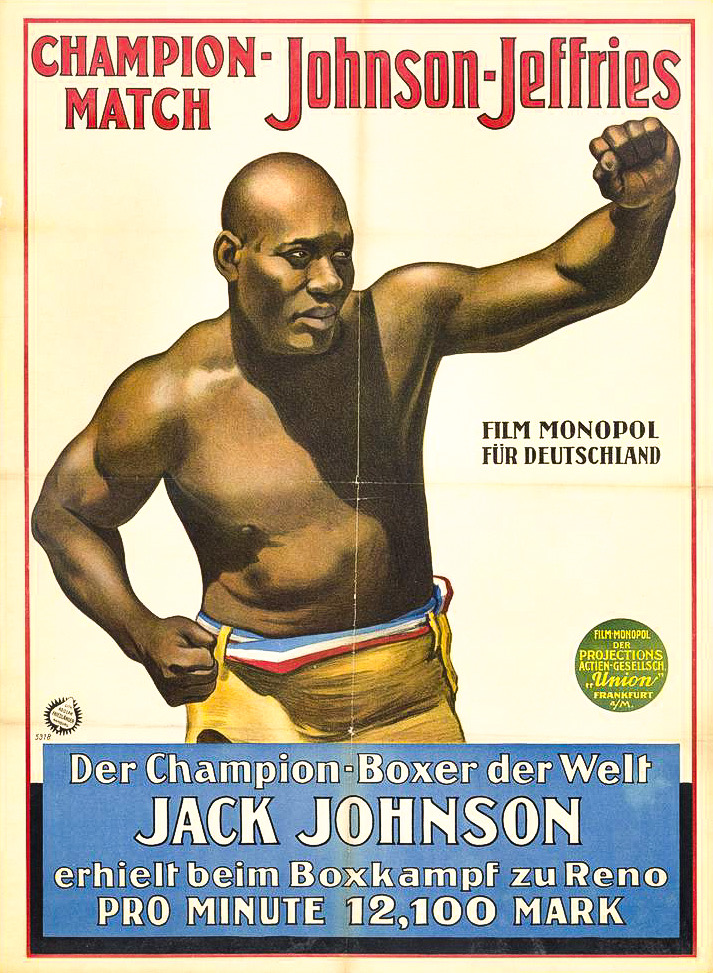
Dir: Unknown Director
Billed as the "Fight of the Century", reigning champion Jack Johnson takes on former champion James J. Jeffries in a gruelling 15-round beatdown.
View Details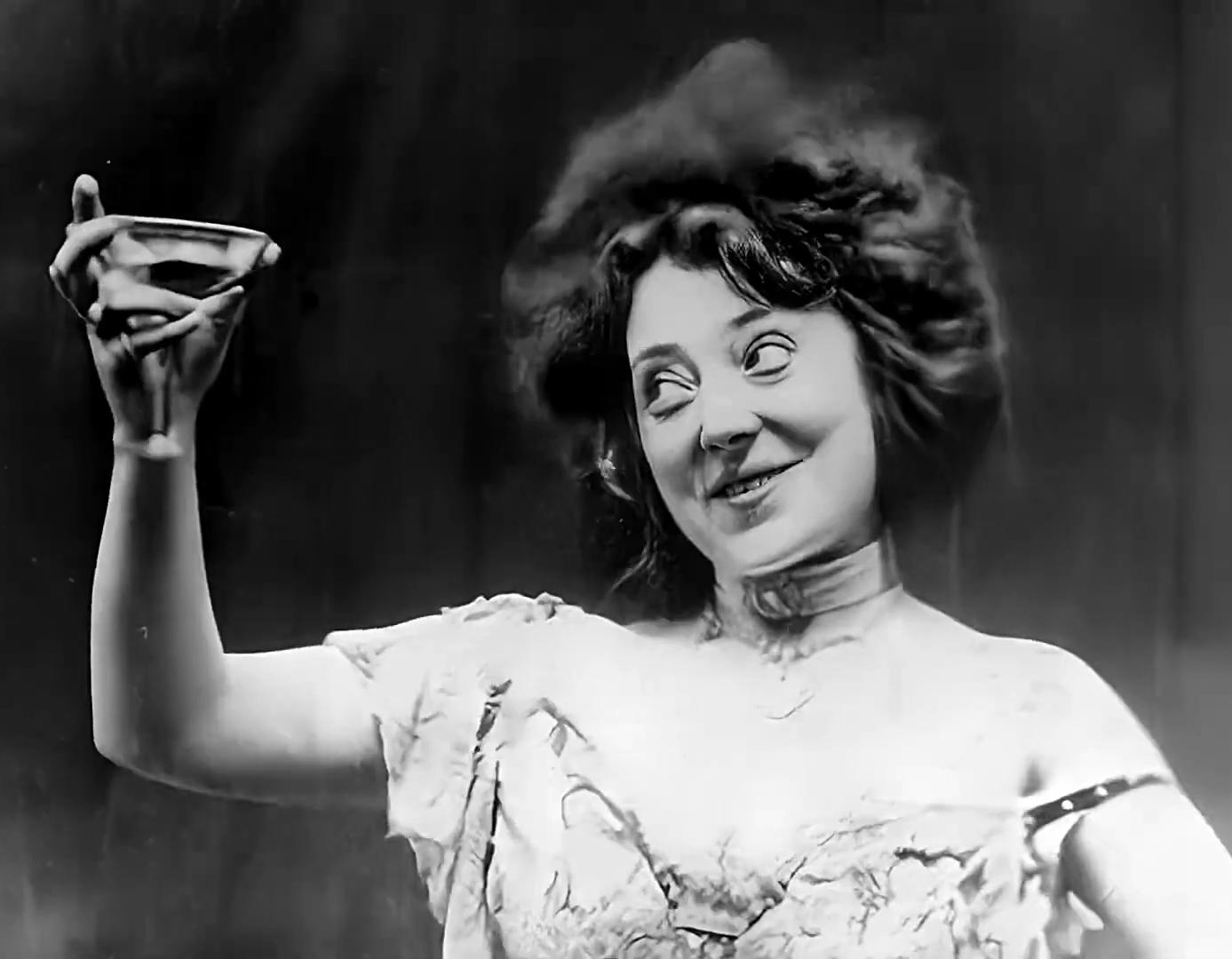
Dir: Unknown Director
This subject is the same as No. 1863 [ANNA HELD], but shown in full length figure. Both are admirable, and make hits either in the Biograph or Mutoscope.
View Details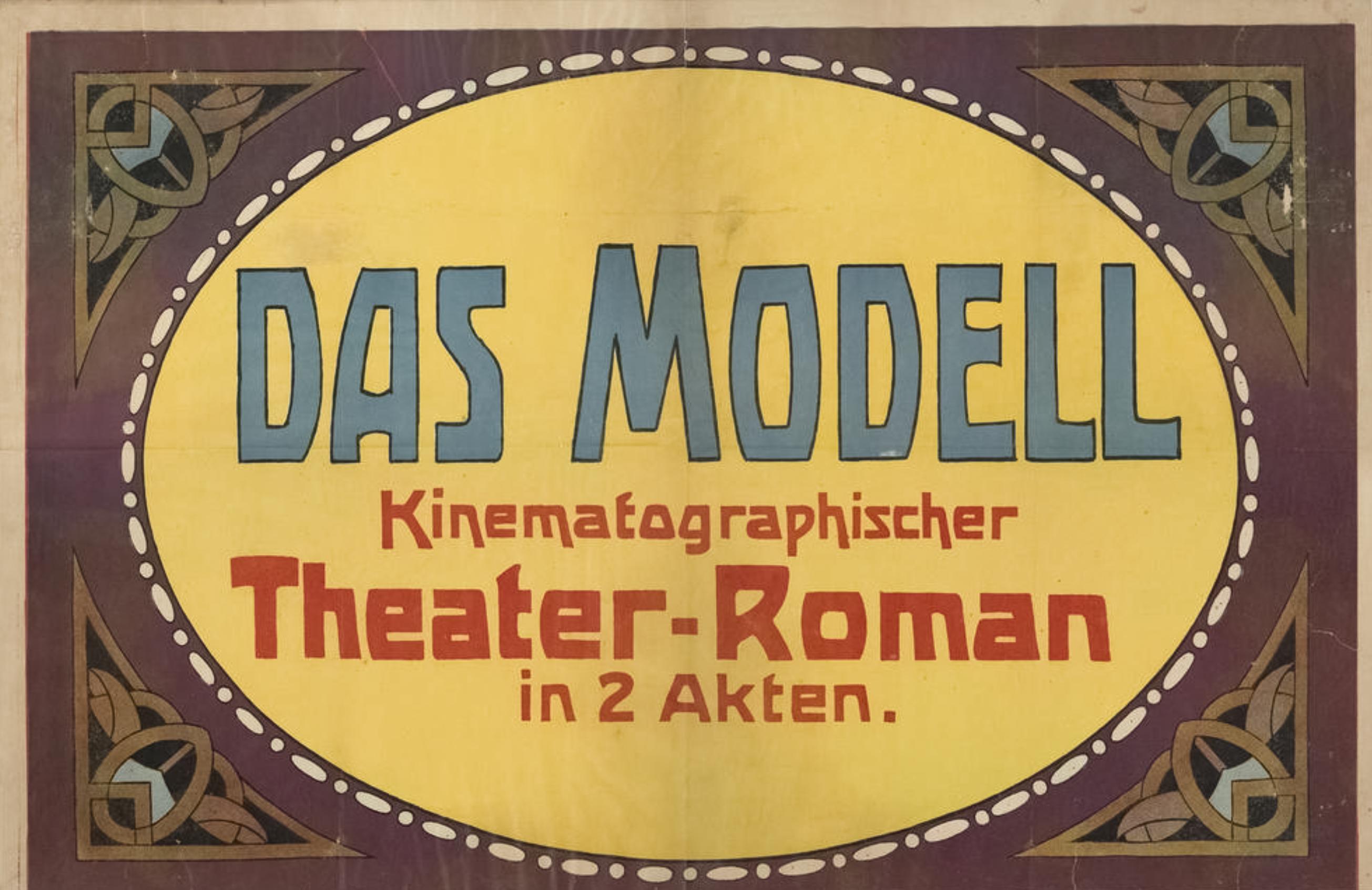
Dir: Unknown Director
A fascinating piece of cinema that shares thematic elements.
View Details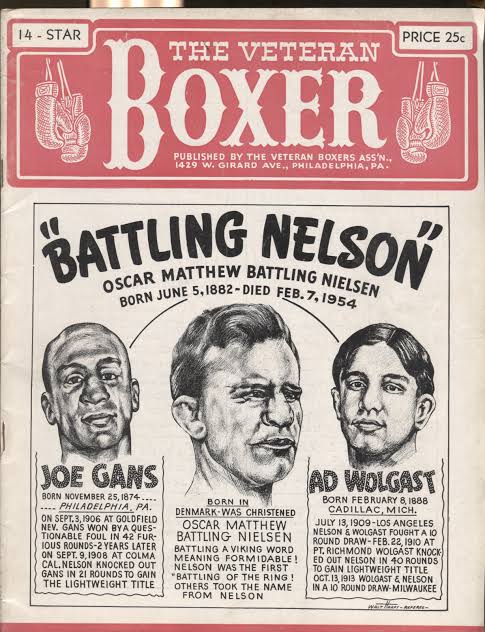
Dir: Unknown Director
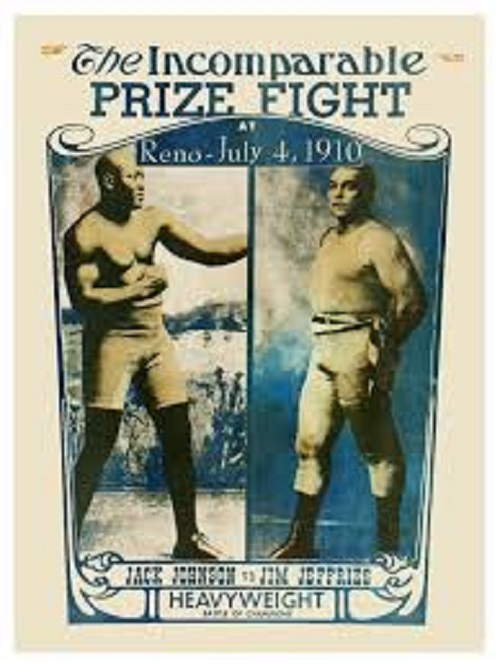
A championship fight that took place in the Nevada goldfields between boxers Joe Gans and Battling Nelson.
View Details

Dir: Unknown Director
A travel documentary of the English Lake District in Cumbria County, UK.
View DetailsAnalysis relative to The Seventh Noon
| Film Title | Atmosphere | Complexity | Similarity |
|---|---|---|---|
| Scotland | Gritty | Linear | 98% Match |
| Robbery Under Arms | Surreal | High | 90% Match |
| Attack on the Gold Escort | Gothic | Linear | 88% Match |
| A Trip to the Wonderland of America | Tense | Abstract | 97% Match |
| Jeffries-Johnson World's Championship Boxing Contest, Held at Reno, Nevada, July 4, 1910 | Gritty | Dense | 90% Match |
This guide was algorithmically generated using the cinematic metadata of Unknown Director's archive. Last updated: 6/27/2026.
Back to The Seventh Noon Details →