
DbcultAccessing Vault...
Recommendations
Senior Film Conservator
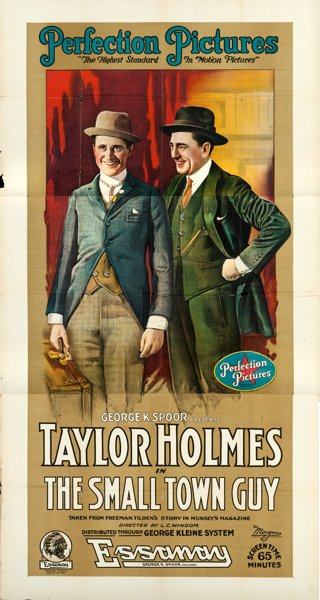
Since its 1917 debut, The Small Town Guy has maintained a stylistic flair status, the legacy of The Small Town Guy is a beacon for those seeking the unconventional. Our criteria for this list were simple: only the most stylistic flair and relevant titles.
The 1917 landscape was forever altered by the arrival of to sustain a sense of mystery that persists after the credits roll.
Coaxed by sharpers, who seek to profit by his rustic innocence, the boy from the small town goes to the city with them and become, innocently enough, a successful swindler, but he learns of the deception and returns home, too ashamed to seek his old sweetheart. The crooks return to try a blackmail game, but Ernie's eyes are opened now. He cleans up in whirlwind fashion.
Critics widely regard The Small Town Guy as a cult-favorite piece of cult cinema. Its stylistic flair is frequently cited as its strongest asset, solidifying its place in United States's film legacy.
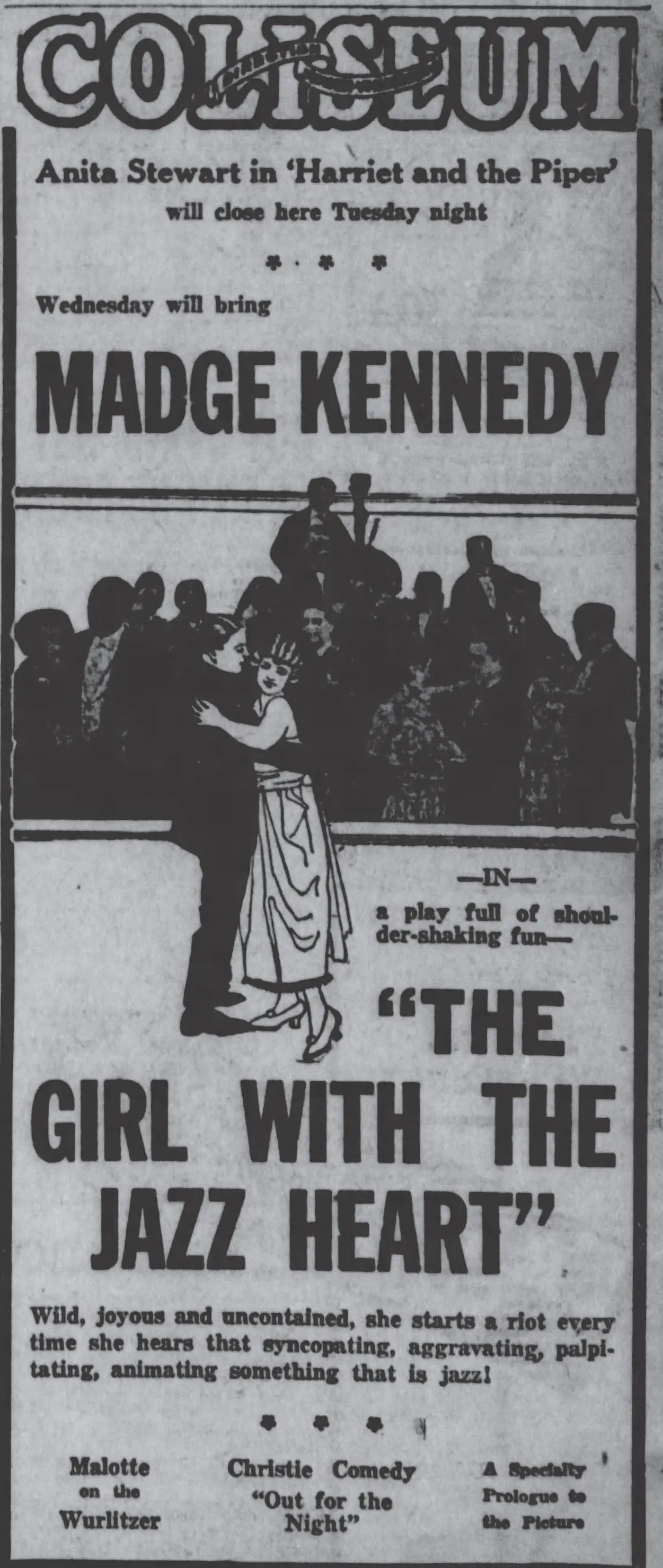
Based on the unique stylistic flair of The Small Town Guy, our vault has identified these titles as the most compelling follow-up experiences for fans of cult cinema:
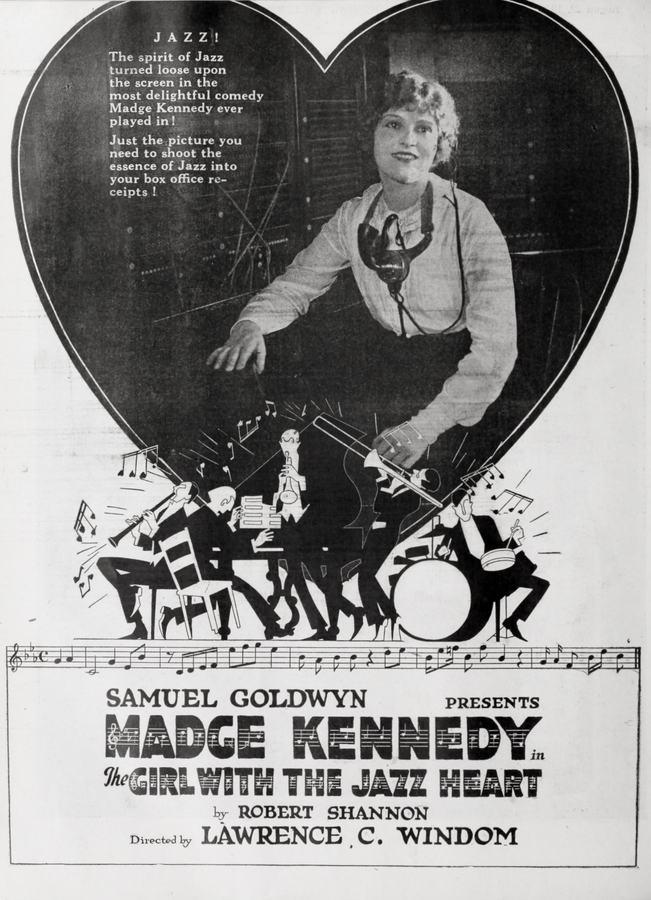
Dir: Lawrence C. Windom
When Miriam Smith's devoutly religious aunt and uncle insist that she marry pious Simeon Althoff, she answers an ad in a matrimonial newspaper and runs away to New York to meet her correspondent. Upon learning that Miles Sprague, the man in the ad, is coming to claim her, Miriam gets cold feet and begs her experienced friend Kittie Swasher, the hotel telephone operator, for help. When Miles arrives, Kittie pretends that she is Miriam and the three go to a cabaret. Meanwhile, the detectives employed by Miriam's aunt and uncle to bring her home appear and arrest Kittie, thinking that she's Miriam. Simeon arrives soon after and identifies the real Miriam, who is then taken home and locked in her room. Kittie and Miles follow and rescue Miriam, who realizes that she has fallen in love with the man from her ad.
View Details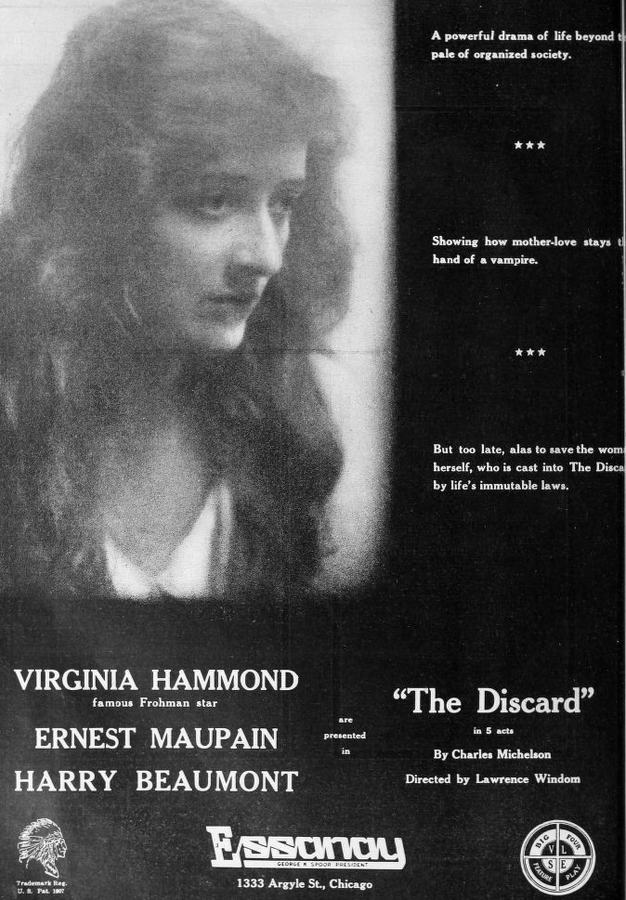
Dir: Lawrence C. Windom
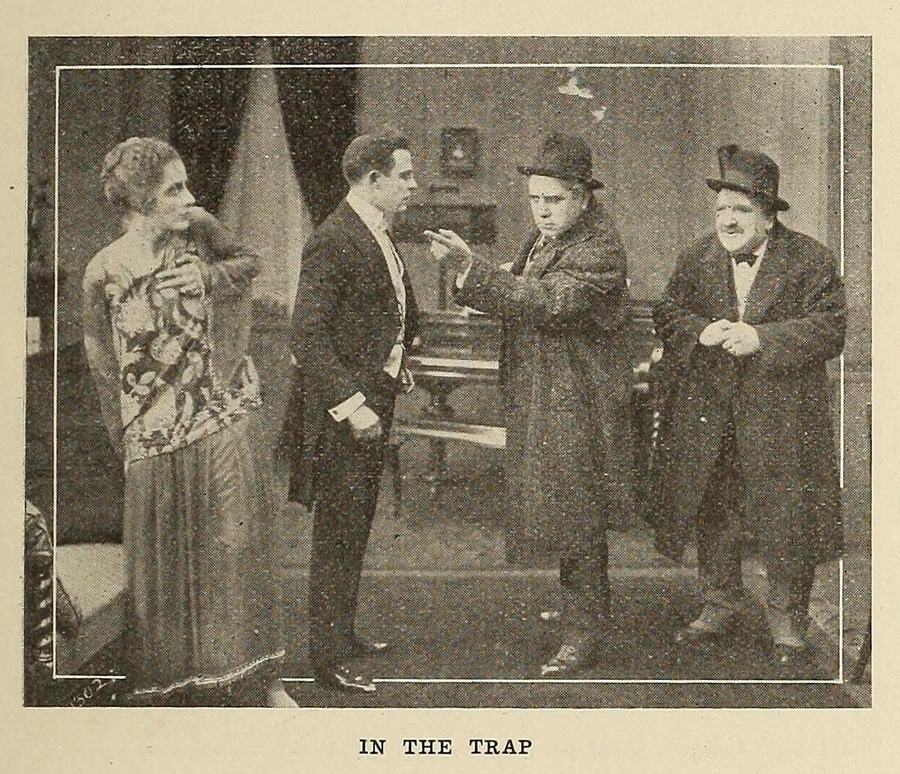
Doris Wynne, at boarding school in France, is hardly acquainted with her mother, most of the dealings between them handled by a firm of lawyers. So when she falls in love with the brother of a schoolmate, she obtains her mother's consent through the attorneys. Alys Wynne's reasons for seeing so little of her daughter are that she is the companion in crime of "Python" Grant, international swindler. Having ruined a young nobleman and causing him to commit suicide, the pair escape to America. Doris, the daughter, in the meantime, is happily married to Keith Bourne, a young American. An uncle leaves him a million dollars and they decide to return to the United States. Grant and Alys discover Keith and cultivate him. That he is the husband of Doris is unknown to the mother, who is still young and beautiful herself. Grant pretends to abuse his wife and Keith comforts her. A suit for alienation of affection is the result. Bourne settles for $40,000 rather than have his young wife misunderstand him. But the swindlers try the "Follow-up" and when Keith refuses to be led further they telephone his wife and tell her the story. Through the attorneys she asks her mother to come to her. Alys goes and hears the story. She is thunderstruck to learn that her victim is the husband of her daughter. She advises the younger woman to believe in her husband and disappears. She tells the police where to find Python" Grant and next day the happy couple read in the paper that the woman accomplice of the swindler was found dead. It means nothing to them.
View Details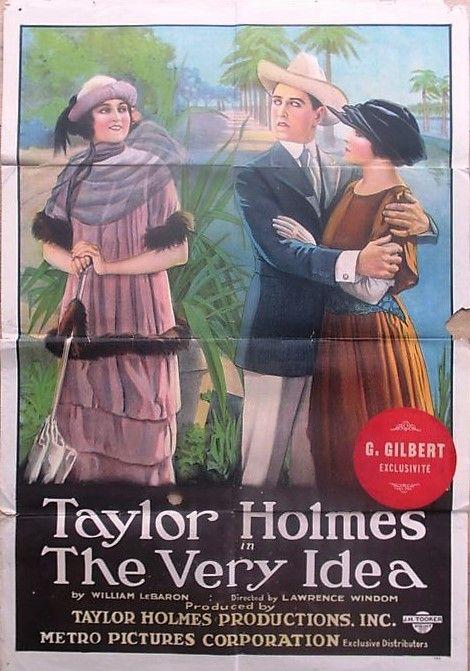
Dir: Lawrence C. Windom
Gilbert and Edith Goodhue lack nothing in life except a child, which they desperately desire. Edith's brother Alan, who is interested in eugenics, suggests that they pay their chauffeur Joe and maid Nora to have a baby for them. While awaiting the proper time to elapse, Edith and Gilbert travel to Palm Beach for an extended vacation, where Gilbert, attempting to obtain a child for his wife, vamps a dancer with a baby. Edith misunderstands and becomes desperately jealous until Gilbert finally explains his motives, causing the two to renew their love with ardent fervor. Returning home, they discover that the maid has given birth to a baby boy, but is loath to part with him. Embarrassment follows as the couple puzzle over what to tell their friends who are awaiting the blessed event until Edith discloses that the Florida sunshine has worked wonders and that another baby is on its way.
View Details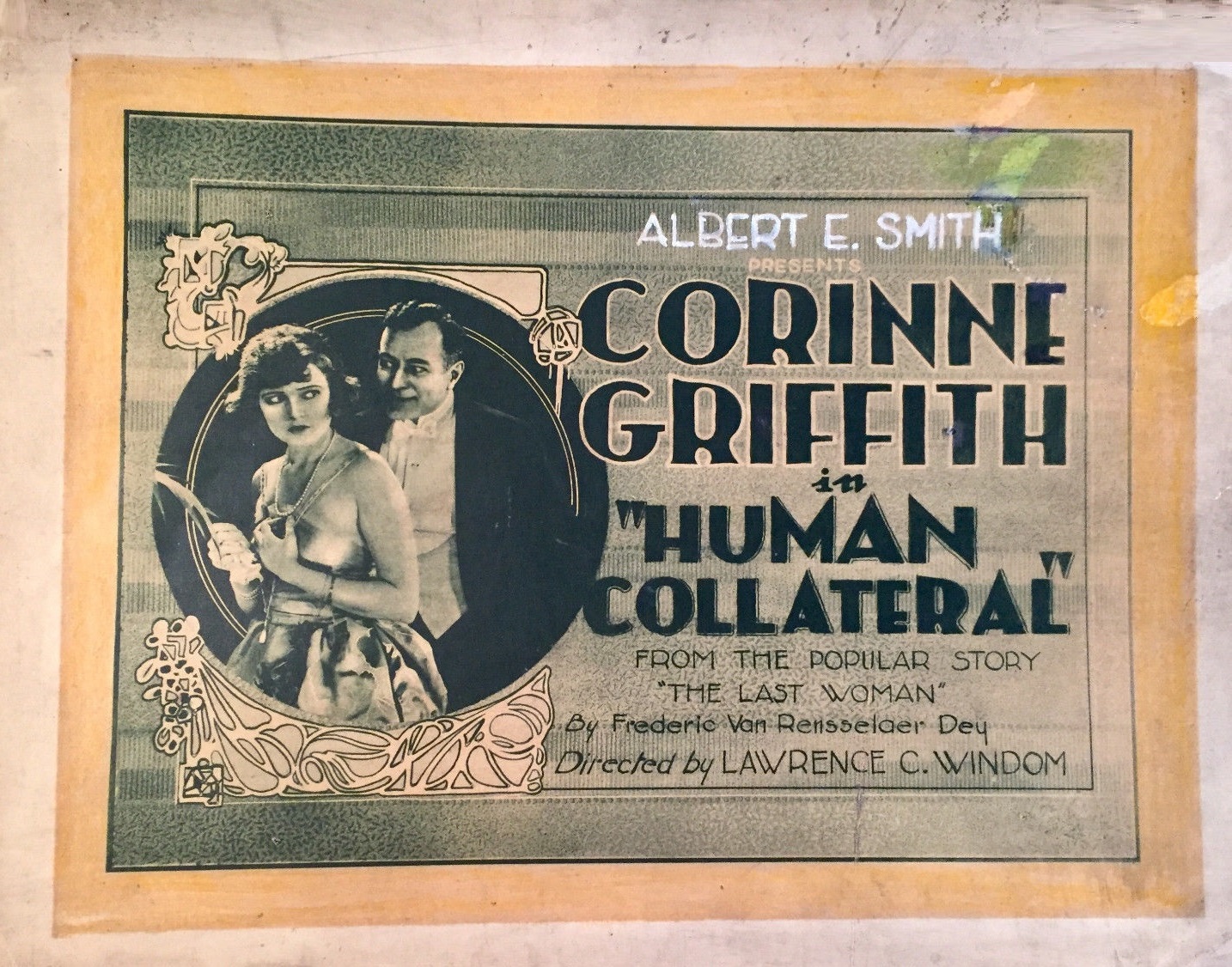
Dir: Lawrence C. Windom
Pursued by two men, a wealthy banker Roderick Duncan and brash interloper Richard Morton, Patricia Langdon favors Duncan until her father, finding himself in dire financial straits, appeals to his prospective son-in-law for help. Patricia, believing that she is regarded as mere human collateral, insists upon making a legal transaction out of her engagement, with loan papers duly signed. Resentful, Patricia begins to encourage Morton's attentions, and when the two suffer an auto accident, they go to a country shack for the night. Meanwhile, Duncan, fearful for Patricia's safety, begins to search for his fiancée, arriving just in time to save her from Morton's advances. The incident forces Patricia to realize that Duncan's intentions are truly honorable and that she is much more than human collateral to the man who loves her.
View Details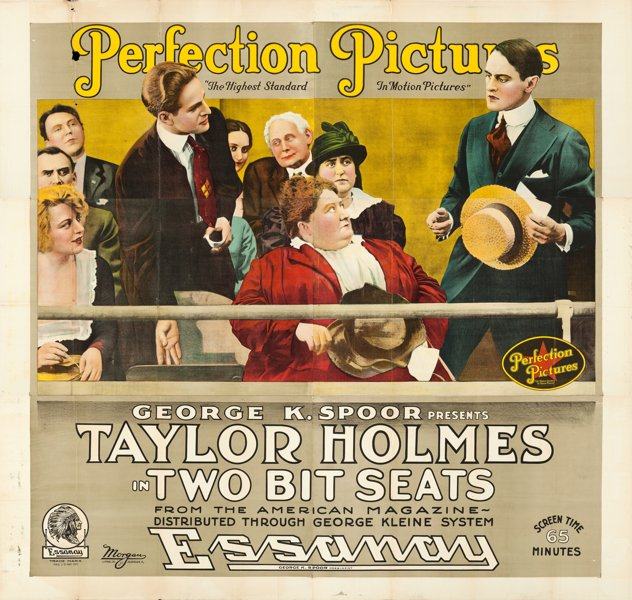
Dir: Lawrence C. Windom
"Two-Bits," the price men used to pay for a haircut, isn't much money in these days with old Mr. H.C.L. at our heels, but one "Two-Bit" piece surely changed the life events of Jimmy Mason. Jimmy couldn't get an orchestra seat to see the wonderful lady in tights so he invested "Two-Bits" and went to the gallery. There he found a seat beside a wonderful girl. He sat to the finish but didn't see the show; her eyes blurred everything commonplace, and then they became acquainted when she accidentally jabbed him with a hatpin. The next night he asked her to go with him to an orchestra box. But Alice wouldn't listen. But she would go to the "Two-Bit" gallery. And they went often, but Jimmy always suffered the fear that Faulkner, his boss, would see him and think him a terribly cheap sport. But Alice told Jimmy not to waste money on seats in the orchestra. And so it went. Finally the blow falls when his employer sees him and Alice exiting from the gallery. Hope is gone when he is called before the boss the next morning and asked how long he had been patronizing the gallery, but all is well and the sun shines again when "the old man" approves and proves it with a promotion. Jimmie dashes to Alice's house and tells her about the promotion and what he thinks of a certain girl. Then Alice tells him that all along she had a definite idea in preferring 'Two-Bit Seats." You are entitled to one guess. You're Right.
View Details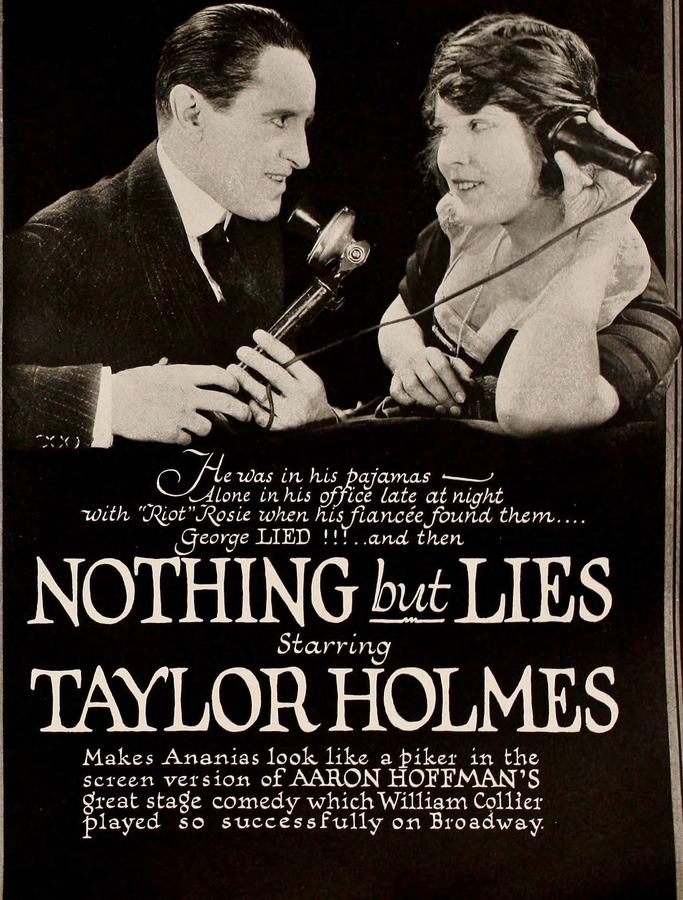
Dir: Lawrence C. Windom
George Cross, a junior partner in the advertising agency of Nigh and Cross, goes to his office one evening to get a plate for a newspaper and surprises Allan Nigh, his partner's son, who has been distributing a leaflet exposing the lies of the advertising firm. Rosie, a member of the "Truth Society" to which Allan belongs, is hiding in the next room. George sends Allan to the newspaper office and then discovers Rosie. Shortly thereafter, Nigh and his daughter Ann, who is also Allan's sweetheart, arrive and George lies his way out of a compromising situation. Soon after, a detective arrives to investigate a front-page exposé on the circulars that Allan has written. When the advertisers realize that the exposé is actually the best campaign ever conceived, the supposed detective offers Allan a tremendous salary to write ads for him, Rosie reveals herself as a reporter from the Journal and Allan and Ann reconcile.
View Details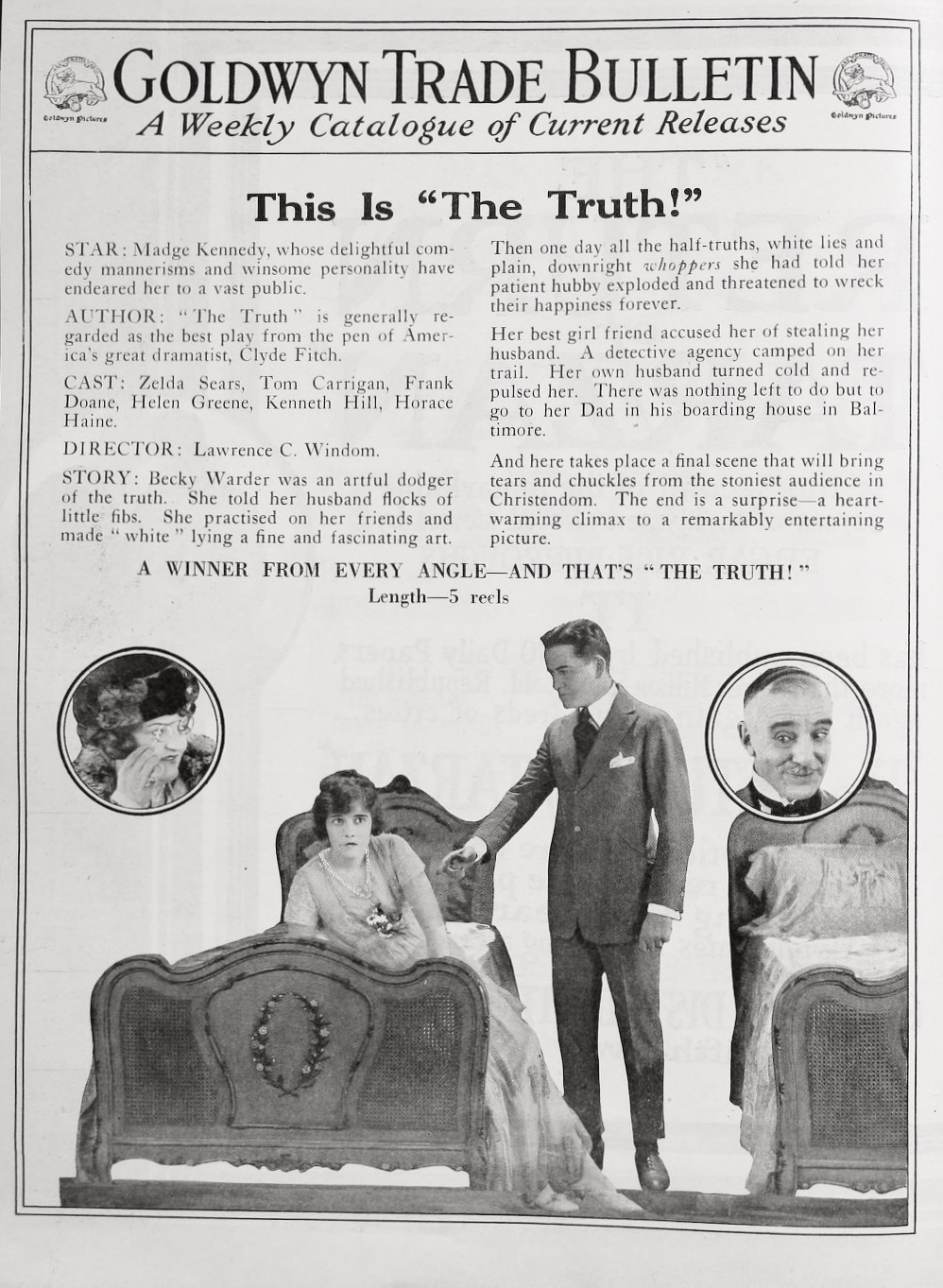
Dir: Lawrence C. Windom
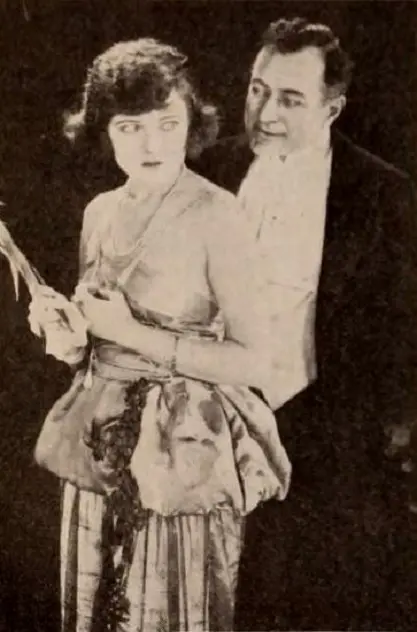
Becky Warder constantly indulges in the telling of little white lies. In an innocent effort to ease the troubled marriage of her quarreling friends Eve and Fred Lindon, Becky meets secretly with Fred, thereby constructing a web of deceit that leads Eve to suspect Becky of trifling with her husband's affections. Eve informs Becky's husband Tom of these meetings and Tom, suspicious, accuses his wife of infamy. After denying her participation in the matter, Becky goes to Baltimore to see her father Stephen Roland, who, like his daughter, is a schemer. Roland begins to construct an elaborate plan by which his daughter can win back her husband and so sends a false telegram to Tom notifying him that Becky is extremely ill. Rushing to Baltimore, Tom overhears Becky inform her father that she will not participate in any more lies, and, elated by his wife's reformation, Tom forgives her.
View Details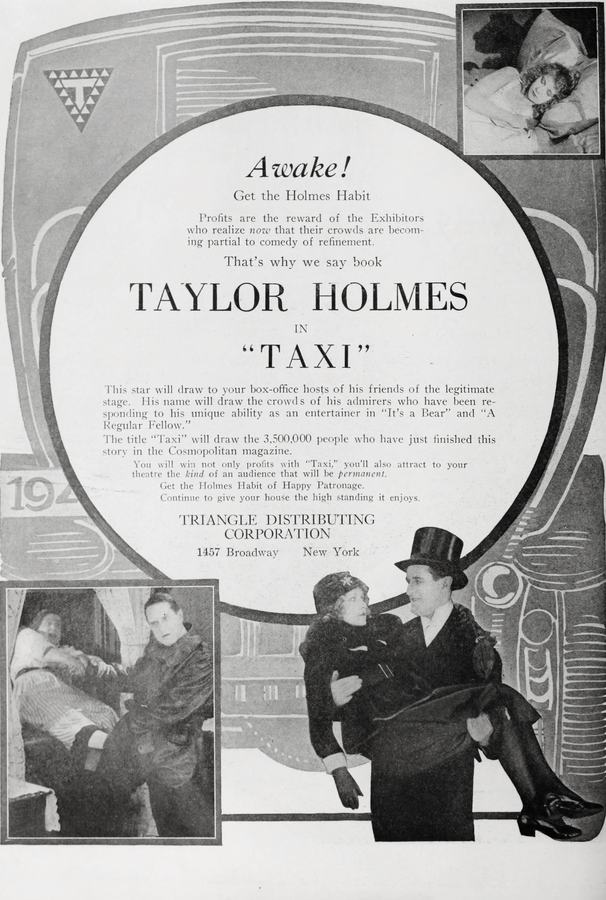
Dir: Lawrence C. Windom
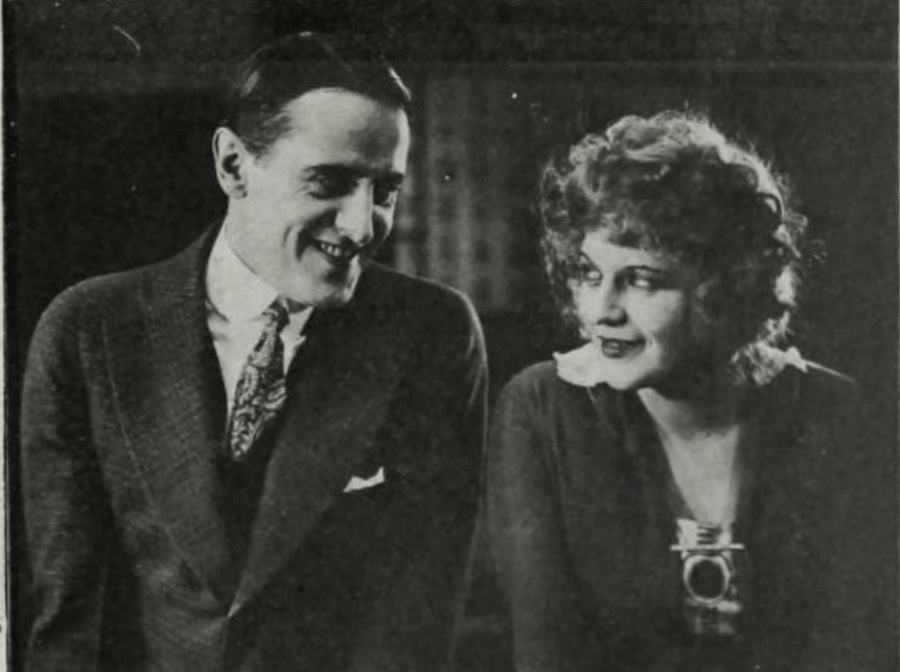
Robert Hervey Randolph receives $10,000 a year because of the inability to locate the rightful heir of a will, who would receive the money if she could be found. Madge Van Tillier jilts Robert because he does not have enough money. While riding in a taxi, Robert rescues chorus girl Imogene Pamela Thorton from her companion Duke Beamer, and takes her home. Pam turns out to be the missing heir, and Robert loses his inheritance. He then gets a job as a taxi driver. Pam receives a large portion of her inheritance from the Ajax Taxi Company. Beamer tries to ruin Ajax, but Robert foils him, becomes vice-president of the company, and wins Pam's love.
View Details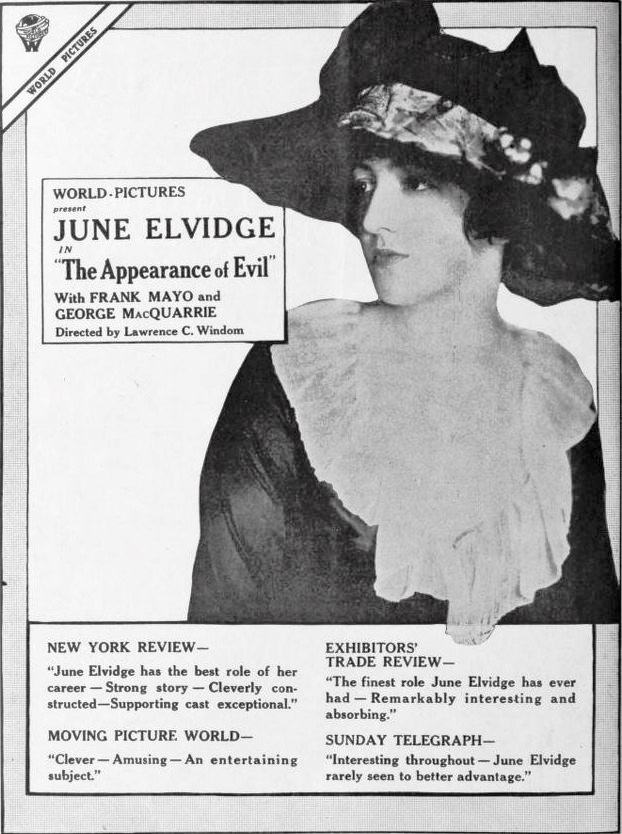
Dir: Lawrence C. Windom
Maida Brown, a rich widow, is being visited by wealthy aircraft manufacturer Louis Letchworth at the Brown family estate in Bayport. The family maid notices the pair's affectionate behavior toward each other and, aghast, reports the incident to Maida's father, the head of the local Purity League. The local citizenry is so outraged by this scandalous behavior that they force Maida to leave town. Meanwhile, Harold Brown, her late husband's brother, is aware that the family estate will revert to him if Maida remarries, so he spies on her in order to prove that she and Louis are married, so Harold can get the family fortune for himself.
View Details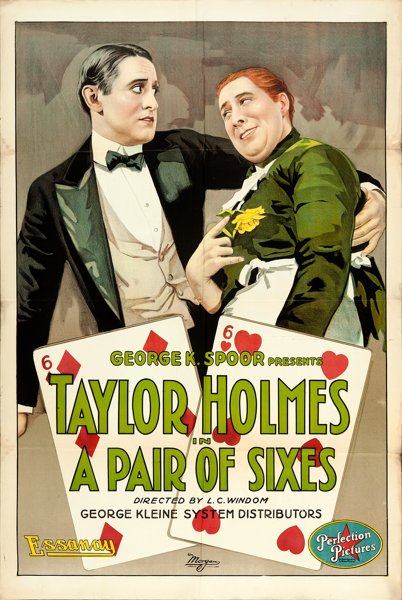
Dir: Lawrence C. Windom
T. Boggs Johns and George Nettleton, proprietors of the Digestive Pile Manufacturing Companny agree upon a unique method to stop their quarreling: play a game of poker, the loser to act as servant to the winner for a year. If either member of the agreement reveals the circumstances of the pact, he shall pay a fine of $5,000. Boggs loses, and he must serve as butler in the Nettleton home. His sweetheart Florence Cole comes to dinner at the Nettletons' and is surprised to see Boggs acting as butler, but cannot learn what has brought about the change in his social status. Thomas J. Vanderholt, an attorney in love with Florence, lets her in on the pact and tells her that he drew up the plans. She denounces him, and she and Boggs plan revenge on Nettleton. Boggs arranges an intimate tableau with Mrs. Nettleton; this so angers Nettleton that he schemes to make Boggs the loser financially, but Florence declares that the pact, being based on a poker game, is not legal.
View DetailsAnalysis relative to The Small Town Guy
| Film Title | Atmosphere | Complexity | Similarity |
|---|---|---|---|
| The Girl with the Jazz Heart | Gothic | Linear | 88% Match |
| The Discard | Surreal | Abstract | 92% Match |
| The Very Idea | Gothic | Layered | 88% Match |
| Human Collateral | Tense | High | 87% Match |
| Two-Bit Seats | Ethereal | Linear | 87% Match |
This guide was algorithmically generated using the cinematic metadata of Lawrence C. Windom's archive. Last updated: 6/27/2026.
Back to The Small Town Guy Details →