
DbcultAccessing Vault...
Recommendations
Senior Film Conservator
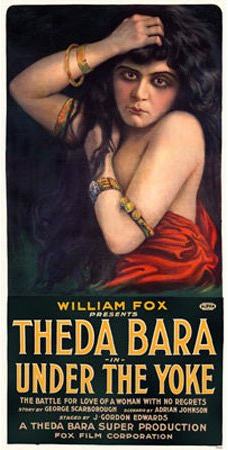
Looking back at the 1918 milestone that is Under the Yoke, the cinematic shorthand used by J. Gordon Edwards is both ancient and revolutionary. Dive into this collection and find the spiritual successors to J. Gordon Edwards's vision.
As J. Gordon Edwards's most celebrated work, it defines to articulate the unspoken anxieties of United States's 1918 era.
Maria Valverde, a young Spanish woman whose father has settled in the Philippines, arrives home from the convent where she received her education and is soon approached by Diablo Ramirez, a local plantation overseer who hopes to win her heart. Having met the handsome American army captain, Paul Winter, in Manila, Maria scorns Diablo's advances, and later, he is forcefully escorted from the house. Furious, Diablo organizes a group of rebels, who kill Maria's father and hold her a prisoner in her own home. When Captain Winter hears of the revolt, he rushes to Maria's aid but is himself captured. Reinforcements soon arrive from the American army post, and in the fighting, the house is set ablaze. Diablo is about to grab Maria when Captain Winter enters and shoots the rebel down. The Americans finally emerge victorious, and Maria wins her dashing captain.
Based on the unique stylistic flair of Under the Yoke, our vault has identified these titles as the most compelling follow-up experiences for fans of cult cinema:
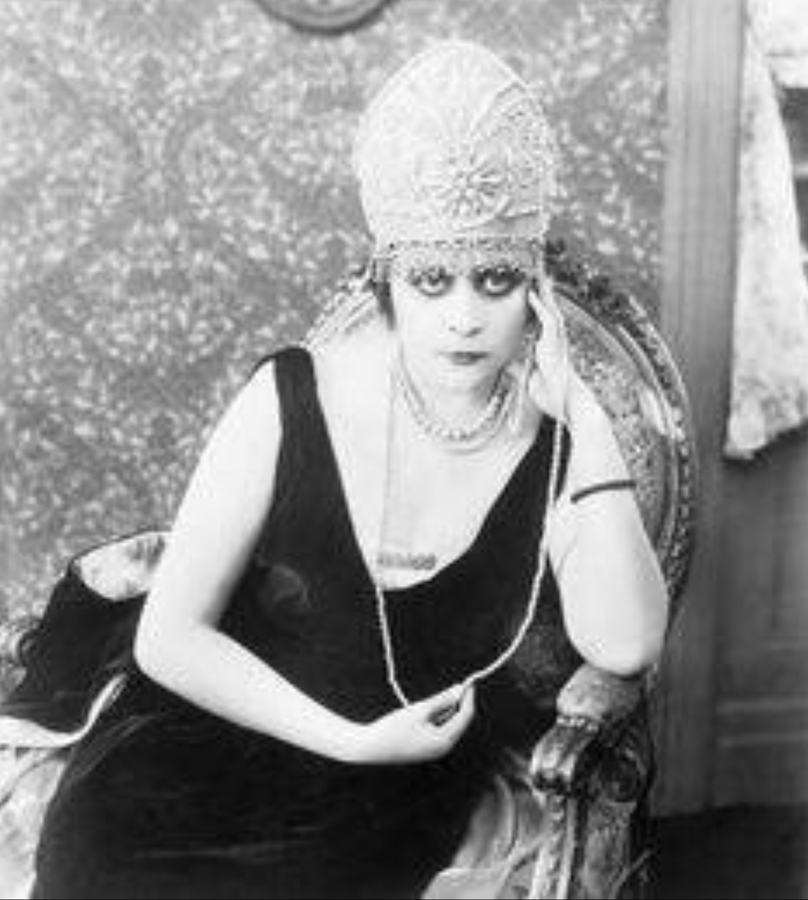
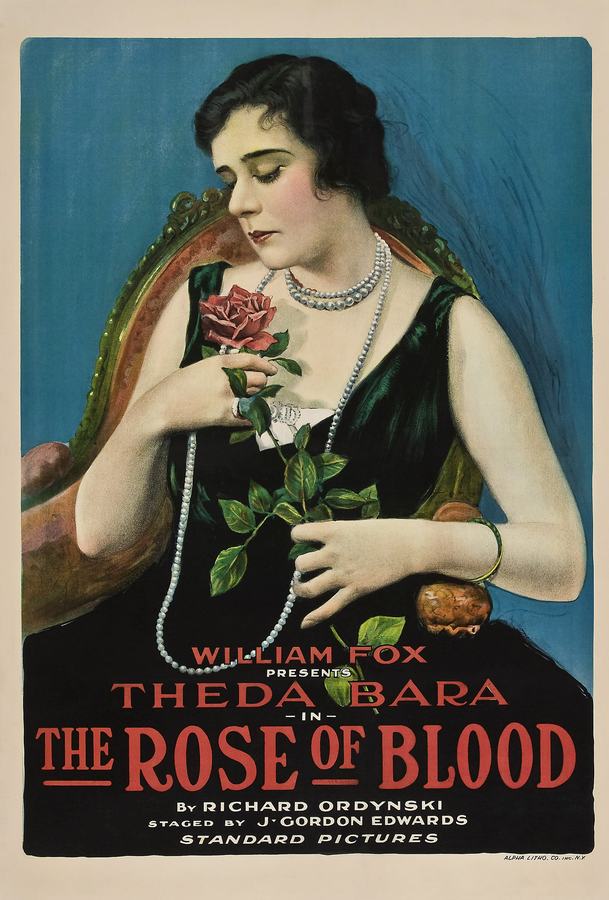
Dir: J. Gordon Edwards
After the death of Princess Arbassoff, Lisza Tapenko, a governess in the household of Prince Arbassoff, fills her place in everything but name. When the prince refuses to marry her because of the difference in their social positions, Lisza's former lover, Vassya, urges her to join the cause of the revolution. Smarting under the prince's refusal, she does so and leaves for Switzerland, the headquarters of the revolutionaries. The prince eventually yields to his son's pleas for Lisza's return and agrees to make her his wife. As Princess Arbassoff, Lisza still continues her activities with the revolutionaries, assassinating government officials and leaving a red rose on each of her victims. Torn between her love for the prince and her love of Russia when the revolutionaries order her to slay her husband, Lisza's devotion to the cause triumphs and she dynamites her house, meeting her death along with the prince's.
View Details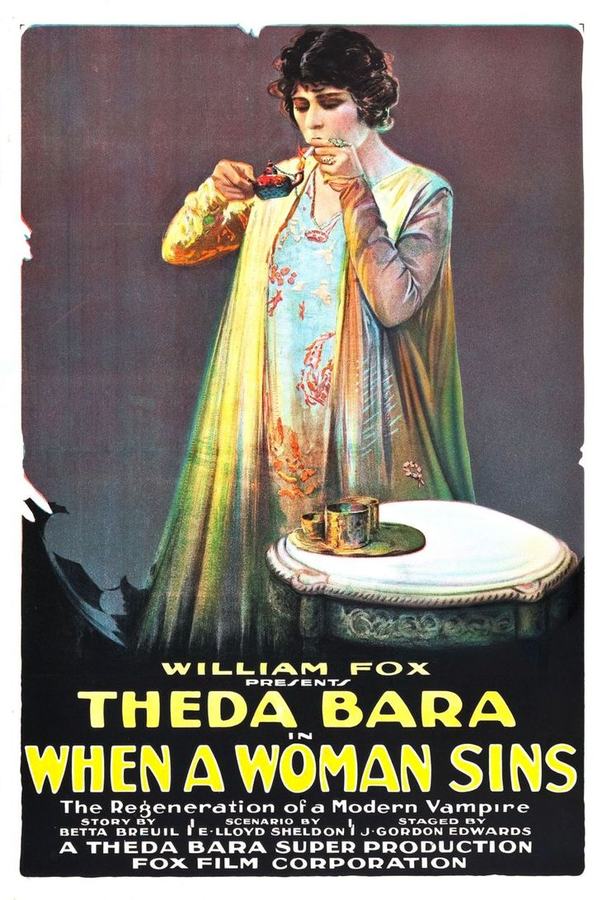
Dir: J. Gordon Edwards
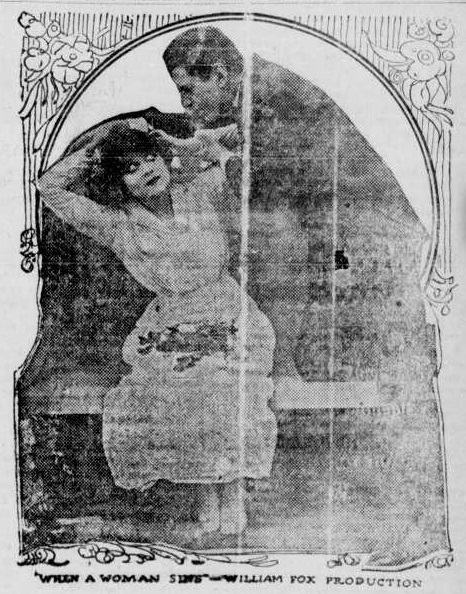
Bara is unusually cast as a nearly virginal nurse and actress. She does manage to get one man to blow his brains out before she reforms and marries an Episcopal priest.

Dir: J. Gordon Edwards
Elsie Drummond, the "Vixen," a spoiled nymphomaniac, takes pleasure in wreaking havoc on her sweet sister Helen. When Helen becomes enamored of Martin Stevens, a Wall Street businessman, Elsie turns on her considerable charms and woos him away. After Charlie Drummond, Elsie's shiftless brother, steals from Stevens and causes a scandal, Stevens is ruined financially and Elsie promptly leaves him. Through deliberate manipulation, Elsie then steals Knowles Murray, a young statesman, from Helen and succeeds in marrying him. Elsie and Murray move to Paris, forcing Helen to care for their alcoholic father. Six years later, Murray is called to Washington, D.C. and Elsie, now the mother of two children, renews her acquaintance with Martin Stevens, who has regained his wealth and position. As Murray is about to catch Elsie in Stevens' arms, Helen, to protect the children, supplies Elsie with an escape and an alibi. While Elsie continues in her deceptive ways, Stevens, finally wise to the Vixen, marries Helen.
View Details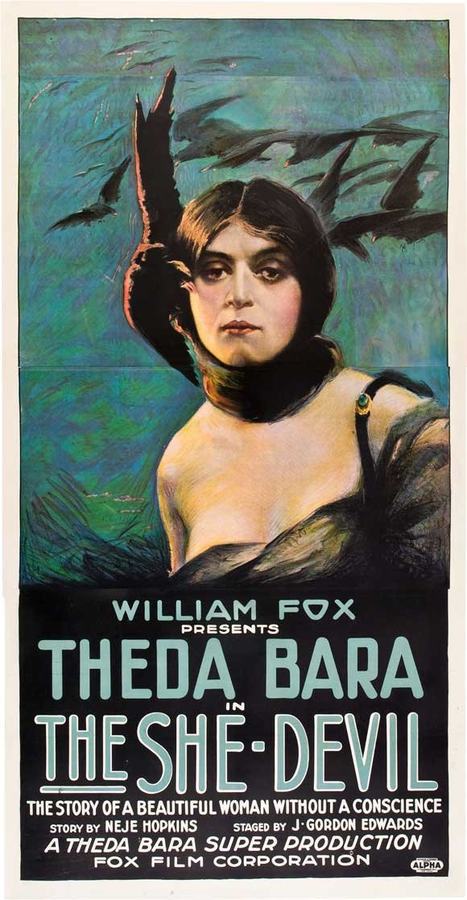
Dir: J. Gordon Edwards
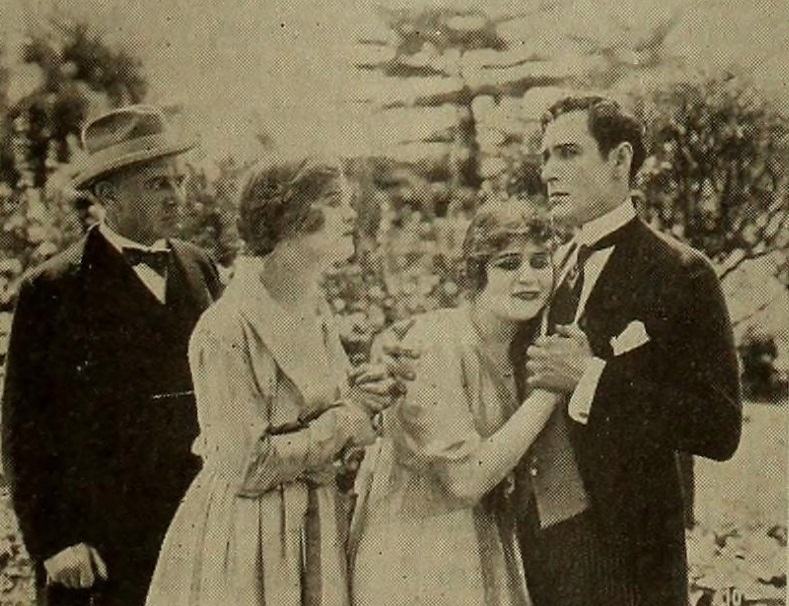
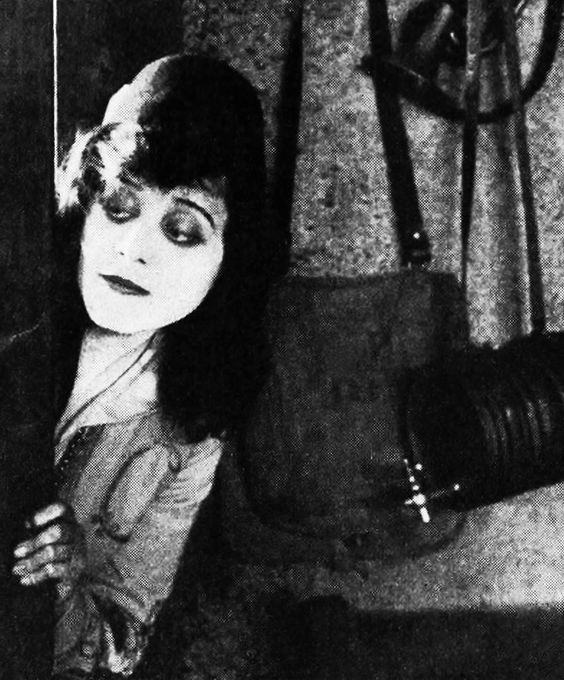
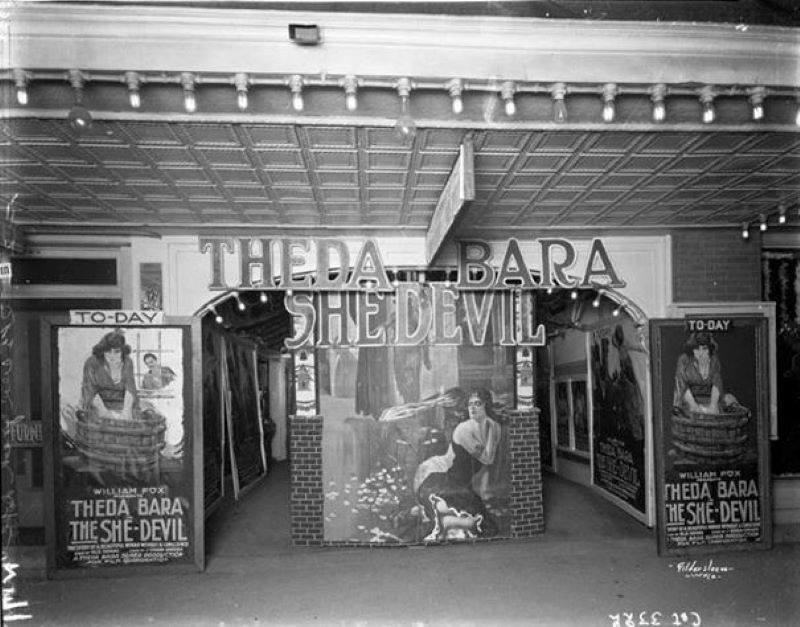
Lolette (Theda Bara), an exotic and spirited peasant girl lives In the small Spanish village of Juanguera. Although ardently courted by the native swains, and particularly a bandit called The Tiger, Lolette prefers Maurice Tabor, a French artist who has come to Juanguera to paint. Because he refuses to take her to Paris, Lolette accepts a gift of stolen jewels from The Tiger and follows Maurice to France. With Lolette as his model, Maurice paints brilliantly, and soon she becomes a Paris sensation. One evening, Lolette performs a Spanish dance on stage, and the next day, she signs contracts with a number of impresarios, accepting advance payment from all of them. Fearing her arrest, Maurice urges her to accompany him back to Spain, but The Tiger attacks their coach and imprisons them. At a feast held in her honor, however, Lolette urges The Tiger to drink, and when he is unconscious, she and Maurice escape.
Dir: J. Gordon Edwards
Lewis Victor of the French Foreign Legion is actually Bertie Cecil, a British nobleman hiding from dishonour for a crime actually committed by his brother. He is loved by Cigarette, a camp follower, but he only has eyes for another. The commandant hates him, and Victor is constantly placed in danger in war-torn Algeria. Then his brother arrives, and with him, a chance to clear his name.
View Details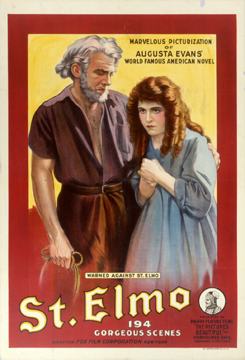
Dir: J. Gordon Edwards
After a love triangle results death, St. Elmo falls from grace and is eventually redeemed in this now lost silent film based on the best selling novel by Augusta Jane Wilson.
Dir: J. Gordon Edwards
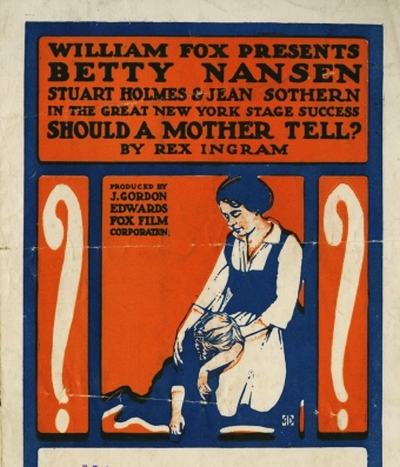
Faced with the tragic responsibility of choosing between the happiness of her 16-year-old daughter Pamela or saving the life of an innocent man, Marie Baudin's first impulse is to sacrifice all for her own. But she has second thoughts that bring complications to all.
View Details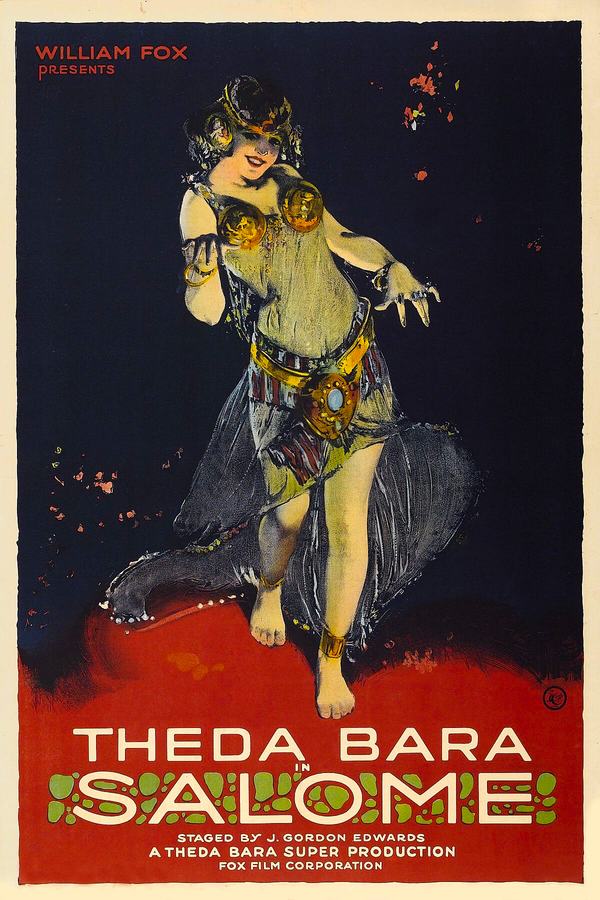
Dir: J. Gordon Edwards
When Herodias divorces her husband and marries his brother Herod Antipas, governor of Judea, the prophet John the Baptist protests and is imprisoned. Salome, daughter of Herodias and both niece and stepdaughter to Herod, dances seductively and wins the prize of anything she asks of Herod. The prize she asks is the head of John the Baptist.

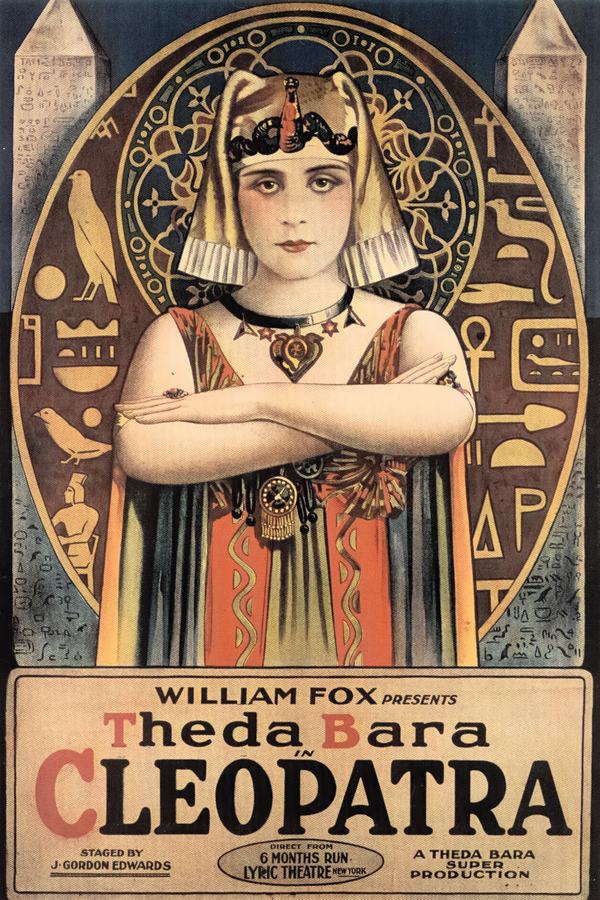
Dir: J. Gordon Edwards
The story of Cleopatra, the fabulous queen of Egypt, and the epic romances between her and the greatest men of Rome, Julius Caesar and Antony.
View Details
Dir: J. Gordon Edwards
Mary Doone (Theda Bara) lives in a tenement parish house run by Pastor Elliott Clifford (A. H. Van Buren). Mary joints the front as a nurse, and meets war correspondent Lloyd Stanley (Stuart Holmes), whom she had known from London. Stanley is about to take advantage of her when their hospital tent is bombed. Mary finds the body of a young girl in the tent. The young girl is Ethel Wardley (Madeleine Lee Nard), who is the niece of Lady Clifford (Lucia Moore), mother of Elliott Clifford. Mary assumes Ethel's identity and is received by Lady Clifford as her niece. Elliott falls in love with Mary. Stanley returns to London with Ethel, who has recovered from her wounds. Mary confesses what she has done, and despite Lady Clifford's pleas for her to stay, she returns to the parish house to work with children.
View DetailsAnalysis relative to Under the Yoke
| Film Title | Atmosphere | Complexity | Similarity |
|---|---|---|---|
| The Rose of Blood | Gritty | Abstract | 88% Match |
| When a Woman Sins | Tense | Abstract | 85% Match |
| The Vixen | Surreal | Layered | 96% Match |
| The She Devil | Surreal | Layered | 89% Match |
| Under Two Flags | Ethereal | Linear | 97% Match |
This guide was algorithmically generated using the cinematic metadata of J. Gordon Edwards's archive. Last updated: 6/20/2026.
Back to Under the Yoke Details →