
Cult Cinema
Beyond the Mainstream: Unpacking the Enduring Allure of Cult Cinema's Unforgettable Gems
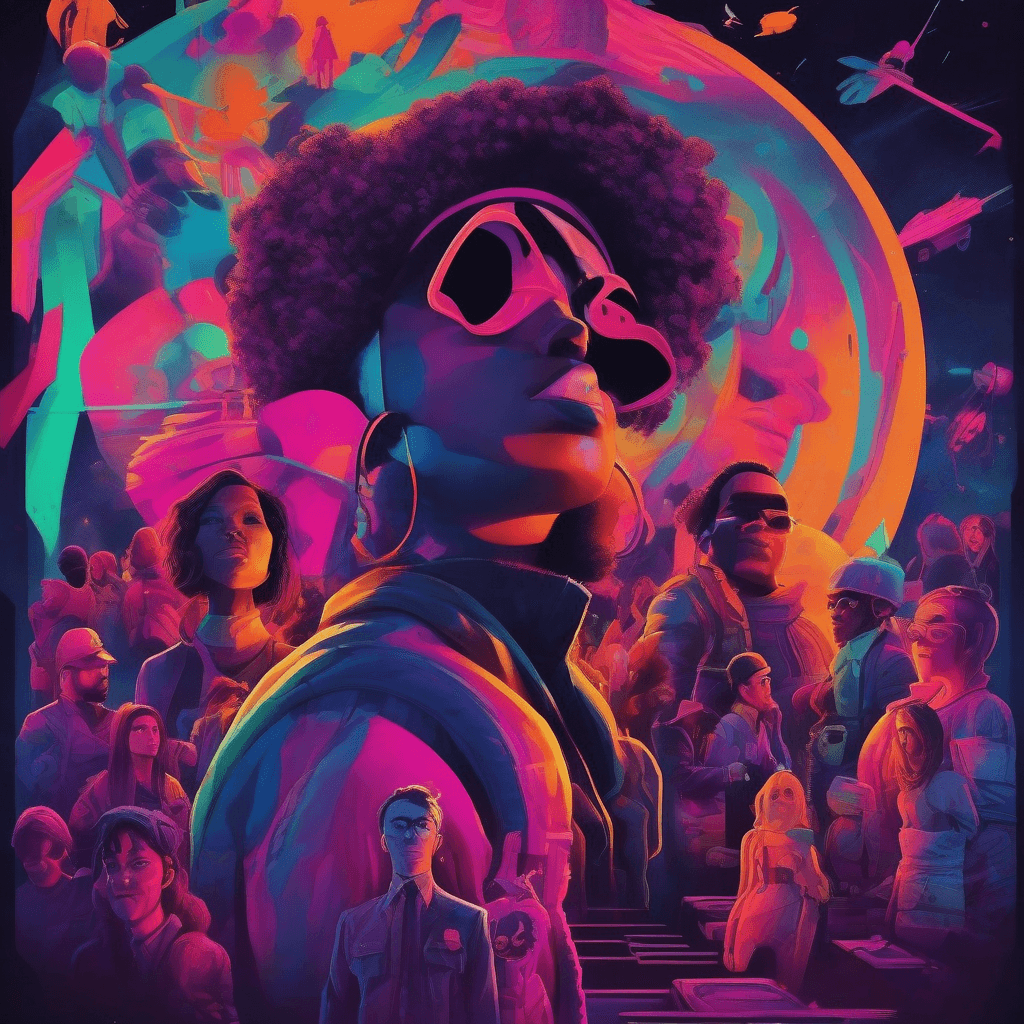
“Cult cinema transcends mere entertainment, fostering passionate communities around films that defy convention. This article delves into the unique elements that transform obscure works into enduring cultural phenomena, exploring their lasting impact on film history and dedicated fan bases.”
In the vast, ever-expanding universe of cinema, certain films exist not on the glitzy main avenues of blockbusters and critical darlings, but in the dimly lit, often bizarre, and endlessly fascinating alleyways of cult cinema. These are the cinematic outliers, the misunderstood masterpieces, the transgressive visions that initially bewildered or were simply ignored, only to be embraced with fervent devotion by a dedicated few. They are the films that forge an unbreakable bond with their audience, creating a shared experience that transcends mere viewing, evolving into a ritual, a cultural touchstone, and an enduring legacy. From early silent era curiosities to boundary-pushing genre experiments, the enduring allure of cult cinema lies in its refusal to conform, its embrace of the strange, and its ability to speak to an audience yearning for something different, something authentic.

What exactly defines a cult film? It's a question without a singular answer, a fluid concept that shifts with time and audience perspective. Unlike mainstream successes, a cult film's status isn't typically measured by initial box office receipts or widespread critical acclaim. Instead, it's about longevity, a passionate, often obsessive, niche following, and a capacity to generate repeat viewings and communal experiences. These films often possess a unique aesthetic, unconventional narrative structures, or themes that challenge societal norms, making them initially inaccessible but ultimately deeply resonant for their chosen tribe. They are the films that demand discussion, interpretation, and celebration, sparking conversations that echo through decades.
The Genesis of Devotion: Early Cinematic Outliers
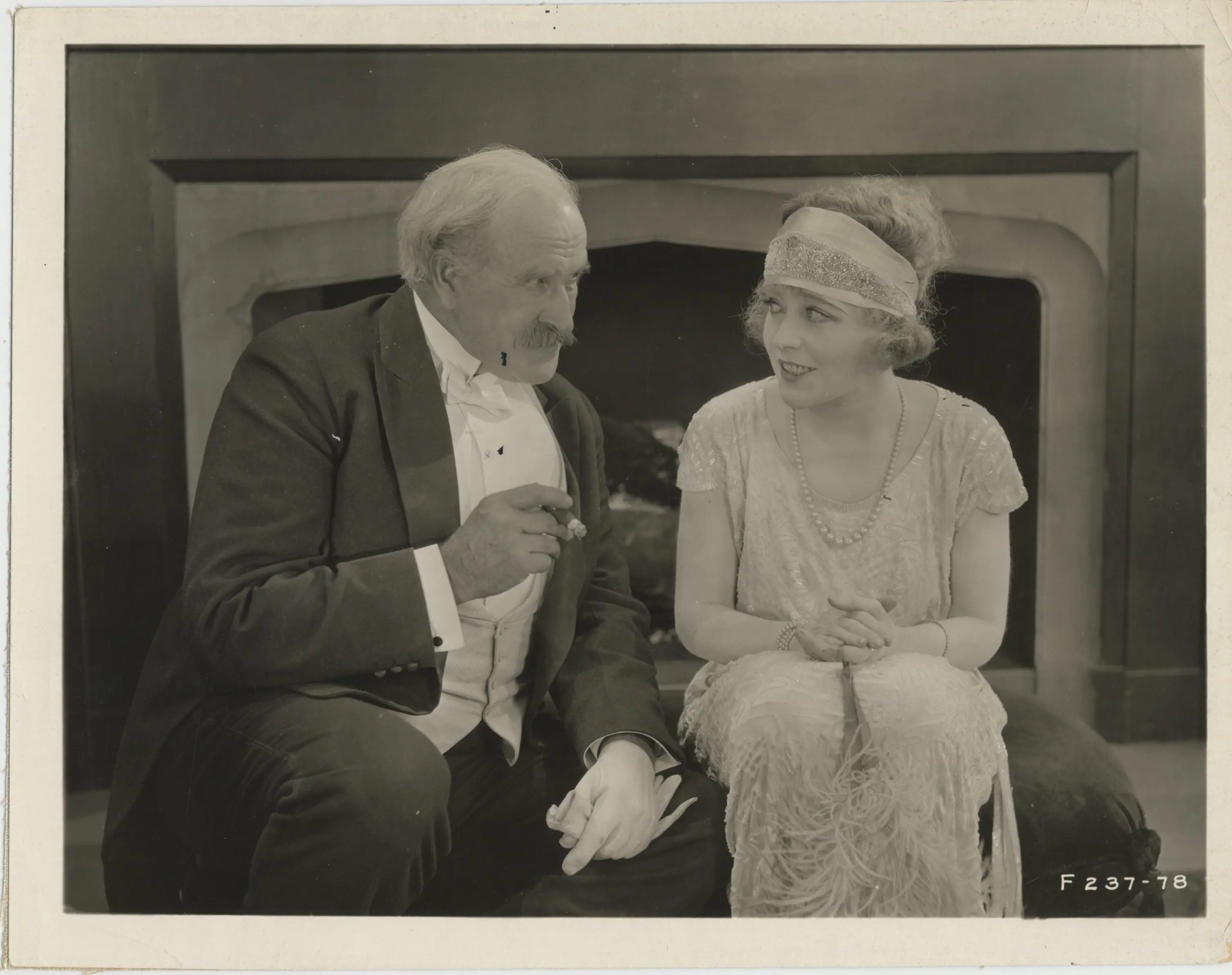
While the term 'cult film' gained prominence in the mid-20th century with the rise of midnight movie screenings, the spirit of cinematic rebellion and niche appreciation has roots stretching back to cinema's earliest days. Even in the nascent years of filmmaking, amidst the proliferation of melodramas and light comedies, there were films that pushed boundaries, explored unconventional themes, or simply operated outside the commercial mainstream. Consider early works like Danish silent films such as Erotikon (1920), which dared to explore themes of marital boredom, infidelity, and complex female desire with a frankness that was revolutionary for its time. Such films, though perhaps not explicitly 'cult' in their contemporary context, laid the groundwork for future cinematic subversion by demonstrating the medium's capacity for challenging storytelling.

The very idea of a film standing apart, garnering a specific, perhaps limited, but deeply invested audience, was present. The Life and Death of King Richard III (1912), an ambitious Shakespearean adaptation from the silent era, might not have been a box office smash, but its artistic ambition and dramatic scope would have appealed to a discerning audience, perhaps even a proto-cult following interested in high-brow cinematic experiments. Similarly, films that leaned into genre parody, like The Three Must-Get-Theres (1922), a burlesque of swashbuckler films, showcased a playful irreverence that often characterizes later cult classics. These early examples, whether through their subject matter, stylistic choices, or sheer audacity, began to carve out spaces for films that weren't just mass entertainment, but distinct artistic statements.

Narrative Anarchy and Visual Provocation
Many cult films thrive on a certain narrative anarchy, a willingness to deconstruct conventional storytelling or embrace surrealism. Das Gespensterschloß (The Ghost Castle) (1914), for instance, a German crime drama, suggests an early flirtation with atmospheric tension and genre tropes that would later become hallmarks of cult horror and mystery. These films often present worlds that are slightly askew, where logic is bent, and the unexpected is the norm. It's this deviation from the predictable that draws in viewers seeking intellectual stimulation or simply a refreshing break from formulaic cinema. The visual language of cult cinema also frequently leans towards the provocative or the distinct, creating unforgettable imagery that lodges itself in the viewer's subconscious.
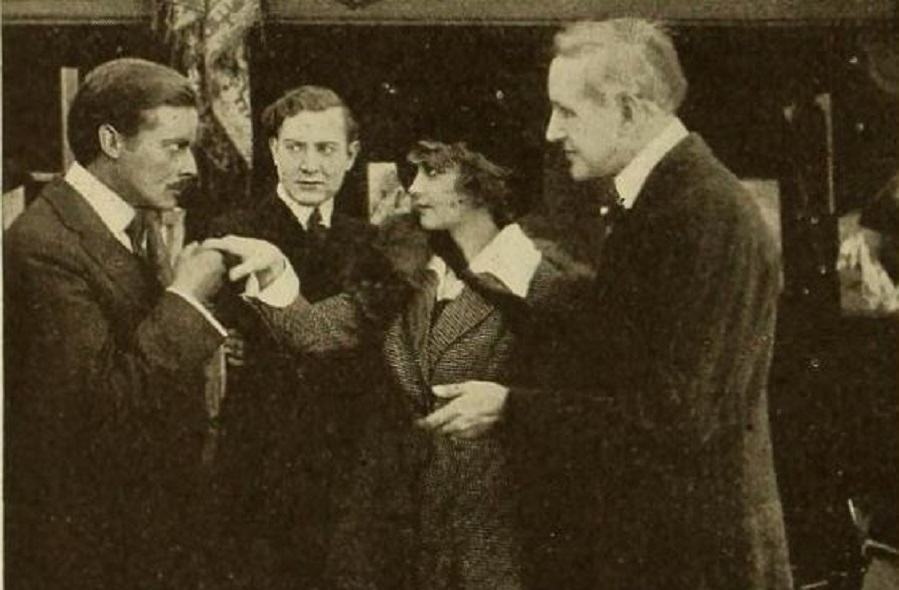
Even in seemingly straightforward genres, films could carry an unconventional edge. Westerns like 3 Gold Coins (1920) or dramas such as Island Wives (1922), while perhaps not overtly transgressive, might have featured characters or situations that challenged the prevailing moral codes of their time, sparking debate and attracting audiences drawn to their perceived daring. East Lynne (1916), a melodrama about a woman leaving her family, resonated with audiences not just for its dramatic narrative but for its exploration of social mores and the consequences of perceived transgression. Such explorations, even within conventional frameworks, contributed to the diverse tapestry from which cult cinema would eventually emerge.
The Midnight Movie Phenomenon and Community Building
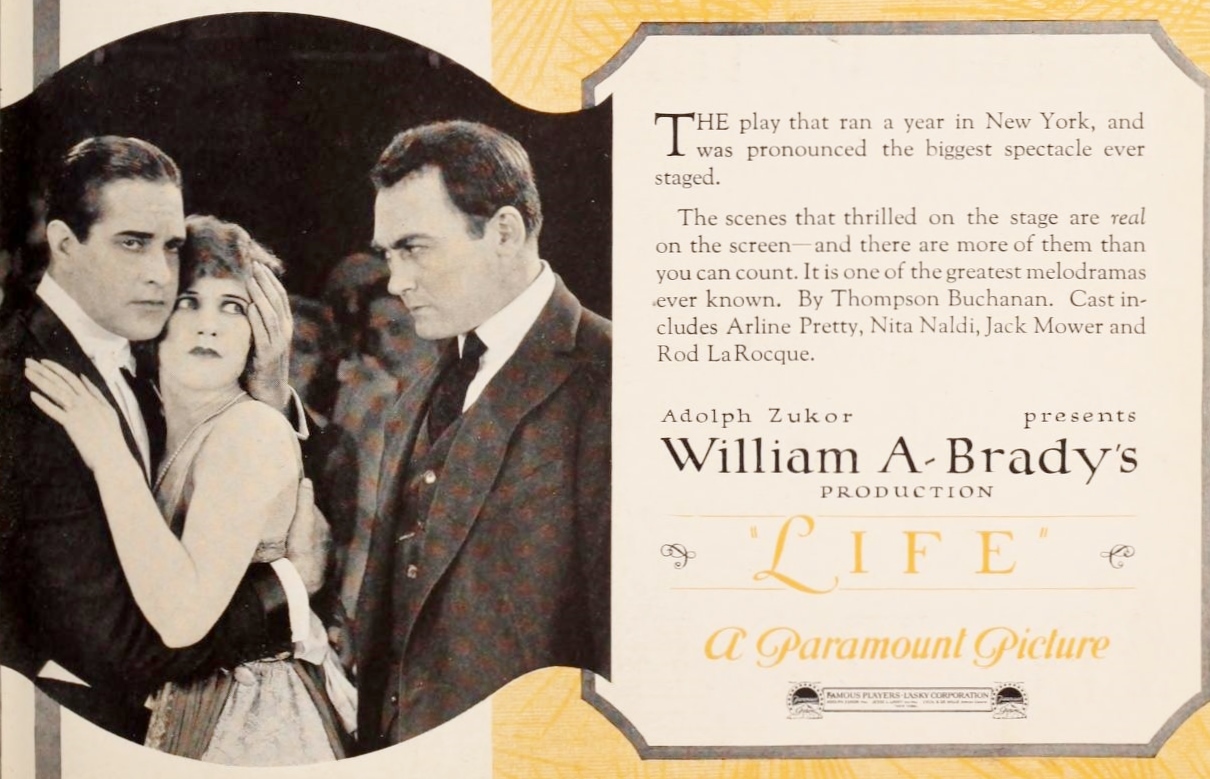
The true blossoming of cult cinema as we understand it today is inextricably linked to the 'midnight movie' phenomenon that emerged in the late 1960s and 70s. These late-night screenings in repertory cinemas provided a sanctuary for films that were too strange, too shocking, or too niche for mainstream daytime audiences. It was in these dark theaters, often filled with counter-culture enthusiasts, students, and cinephiles, that films like The Rocky Horror Picture Show (1975) found their fervent following, transforming into interactive, almost religious experiences. Audiences didn't just watch; they participated, shouting lines, dressing up, and creating a communal spectacle that became as famous as the film itself.

This era solidified the idea that a cult film isn't just a movie, but an event, a shared ritual. The collective experience amplifies the film's unique qualities, turning quirks into inside jokes and taboo subjects into rallying cries. This sense of belonging, of being part of an exclusive club that 'gets' a particular film, is a powerful draw. It's why films like Pink Flamingos (1972), with its outrageous transgressive humor, or Eraserhead (1977), with its unsettling surrealism, found their devoted audiences. They offered an escape from the mundane, a space where the rules of polite society and conventional entertainment were gleefully broken.
From Fringe to Fandom: The Audience as Curator
Unlike studio-driven blockbusters, cult films are often curated by their audience. It's the fans who champion them, spread the word, and elevate them from obscurity to iconic status. This organic process of discovery and advocacy gives cult cinema a grassroots authenticity that mainstream hits rarely achieve. The audience becomes an active participant in the film's journey, interpreting its meanings, debating its merits, and celebrating its eccentricities. This dynamic relationship often means that the meaning of a cult film can evolve over time, reflecting the changing cultural landscape and the diverse perspectives of its viewers.
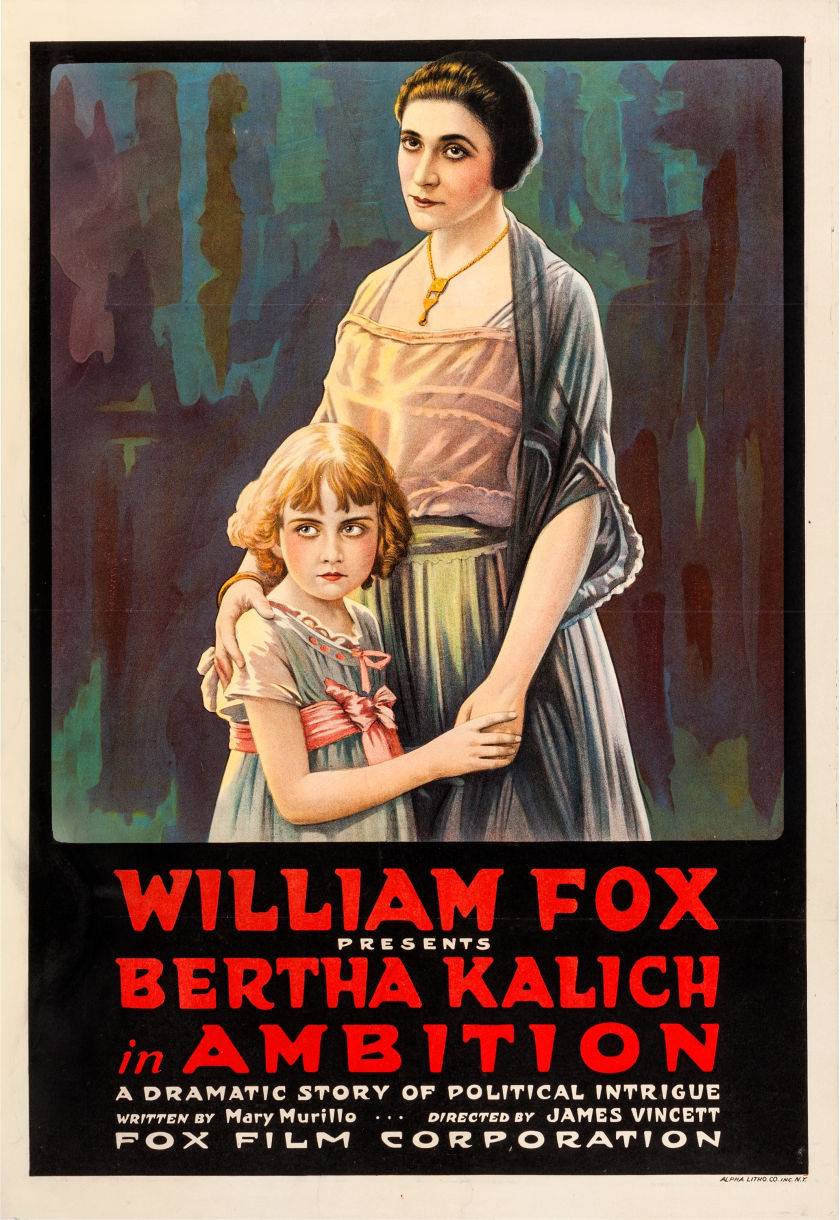
The documentary Nanook of the North (1922), while a seminal work of non-fiction, highlights another aspect of niche appeal. Its groundbreaking ethnographic approach might not have captivated mass audiences, but it became a vital film for academics, anthropologists, and documentary enthusiasts, forming a different kind of dedicated 'cult' around its pioneering vision. This demonstrates that cult status isn't solely reserved for the bizarre or transgressive; it can also be bestowed upon works of profound artistic or historical significance that resonate deeply with a specialized audience.
Thematic Resonance: Why We Connect with the Unconventional
At the heart of many cult films lies a thematic resonance that speaks to deeper anxieties, desires, or aspects of the human condition that mainstream cinema often shies away from. These films frequently explore themes of alienation, rebellion, identity, and the darker, more unsettling corners of existence. They provide a cathartic release for those who feel marginalized or misunderstood, offering a reflection of their own experiences in narratives that dare to be different. Whether it's the existential dread of Blade Runner (1982), the social satire of Fight Club (1999), or the surreal journey of Donnie Darko (2001), these films tap into universal feelings through unconventional lenses.
The transgressive nature of cult cinema is not merely for shock value; it's often a means to explore uncomfortable truths or challenge established power structures. Films that were initially deemed offensive or morally questionable, like A Clockwork Orange (1971), often gain cult status precisely because they dared to venture where others wouldn't. They force viewers to confront difficult questions, to grapple with unsettling imagery, and to reconsider their own perspectives. This intellectual and emotional challenge is a key factor in their enduring appeal, fostering a deeper, more profound engagement than typical cinematic fare.
The Power of the Underdog and the Anti-Hero
Many cult films feature protagonists who are outsiders, rebels, or anti-heroes, characters who defy societal expectations and navigate worlds that are often hostile or indifferent to them. This makes them inherently relatable to audiences who feel a similar sense of alienation. From the misunderstood monster in Frankenstein (1931) to the nihilistic characters of The Big Lebowski (1998), these figures embody a spirit of non-conformity that resonates deeply with cult audiences. They offer a sense of validation for those who march to the beat of a different drum, providing a cinematic mirror for their own unique identities.
The allure of the underdog extends beyond characters to the films themselves. Many cult films were independent productions, made on shoestring budgets by visionary filmmakers operating outside the Hollywood system. This DIY spirit, the triumph of artistic vision over commercial constraints, further endears them to audiences who appreciate authenticity and a rebellious ethos. The struggles of a character like Nanook, in Nanook of the North, against the harsh realities of his environment, can be seen as a metaphor for the struggle of these independent films to find their voice and audience.
The Evolution of Cult: From Midnight Screenings to Digital Communities
The landscape of cult cinema has evolved significantly since its inception. While midnight screenings still hold a special place, the digital age has transformed how cult films are discovered, shared, and celebrated. Streaming platforms, online forums, and social media have created new avenues for niche films to find their audience, breaking down geographical barriers and fostering global communities of fans. A film that might have once struggled to find distribution can now gain a worldwide following through word-of-mouth and digital accessibility.
This accessibility has also diversified the types of films that achieve cult status. No longer confined to specific genres like horror or sci-fi, the cult canon now includes everything from obscure art-house dramas to forgotten comedies, animated oddities, and even documentaries. The ease with which audiences can revisit and re-evaluate films means that a movie initially dismissed can be rediscovered and appreciated for its unique merits years, or even decades, later. This continuous re-evaluation ensures the enduring relevance of cult cinema, as new generations find resonance in its unconventional narratives and challenging themes.
The Lasting Legacy and Influence
The influence of cult cinema extends far beyond its dedicated fan base, permeating the broader cinematic landscape and popular culture. Many techniques, themes, and stylistic choices pioneered in cult films have eventually been absorbed into the mainstream, proving the foresight and originality of these unconventional works. Filmmakers themselves are often inspired by cult classics, incorporating their rebellious spirit and innovative approaches into their own work. This ongoing dialogue between the fringe and the mainstream ensures that cult cinema remains a vital, dynamic force in the art form.
From the early, boundary-pushing dramas like Vicenta (1920), which explored social scandal and romantic intrigue, to the daring comedic antics of The Lunatic at Large (1921), the seeds of unconventional storytelling were sown early. These films, often overlooked by contemporary critics or historians, represent the diverse and experimental spirit of early cinema. They remind us that the quest for unique cinematic expression, the desire to tell stories that deviate from the norm, has always been an intrinsic part of filmmaking. The legacy of cult cinema is a testament to the power of artistic integrity, the strength of community, and the timeless appeal of stories that refuse to be forgotten.
In conclusion, cult cinema is more than just a collection of oddball films; it's a testament to the enduring power of art to connect with people on a deeply personal level. It's a celebration of the unconventional, a sanctuary for the misunderstood, and a vibrant community built around shared passion. These films, once relegated to the fringes, have proven their timeless appeal, cementing their place as indispensable parts of film history. They continue to challenge, provoke, and entertain, reminding us that sometimes, the most extraordinary cinematic experiences are found not in the bright lights of the mainstream, but in the captivating shadows of the cult classic.
Community
Comments
Log in to comment.
Loading comments…