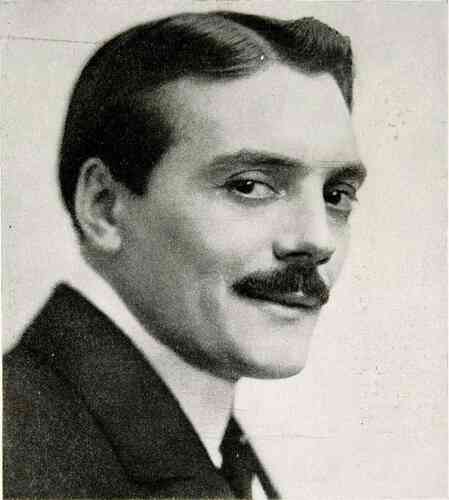
This delightful burlesque of Alexandre Dumas' famous adventure narrative (and then-leading screen swashbuckler Douglas Fairbanks' hit films) represented one of writer/director/star Max Linder's attempts to conquer Hollywood on its own turf. He'd been an enormous star in early silent cinema, influencing the style of such subsequent silent comedy luminaries as Charles Chaplin and Buster Keaton.
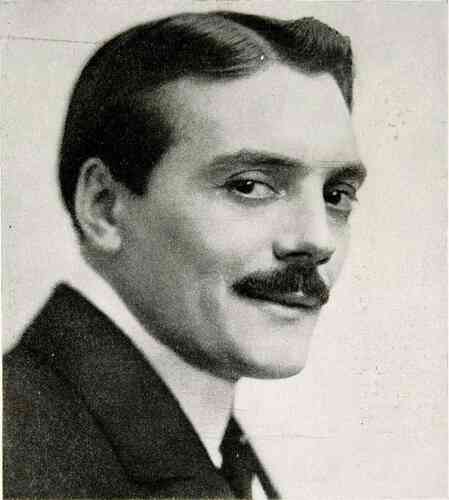
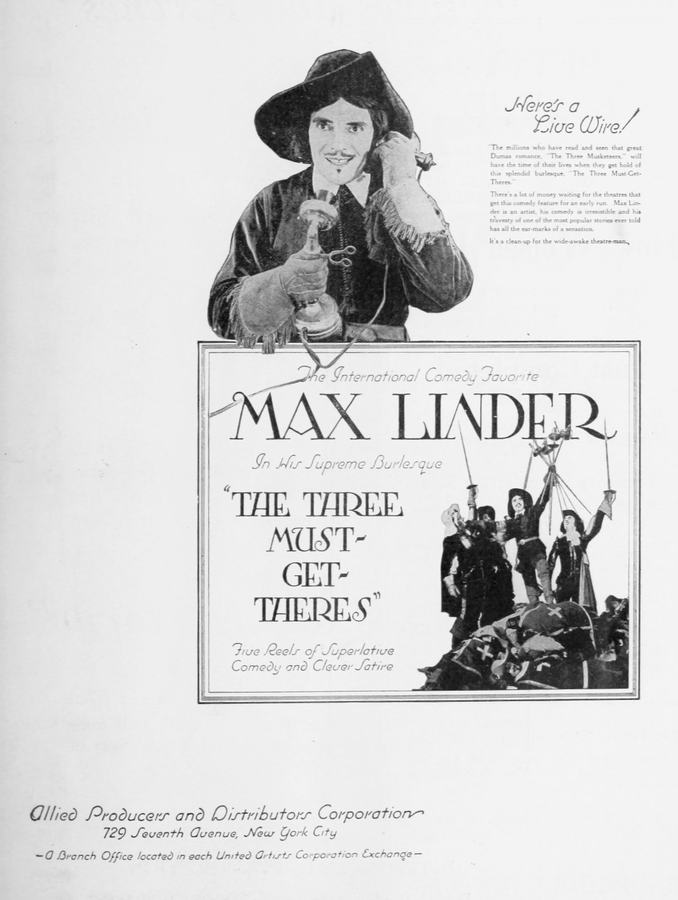
Max Linder’s final American hurrah arrives like a half-remembered dream soaked in absinthe and Pacific sunlight: The Three Must-Get-Theres is less a parody of Dumas than a sabotage of heroism itself, a film that pirouettes on the grave of Fairbanksque virility while winking at the camera with such sustained flirtatio...
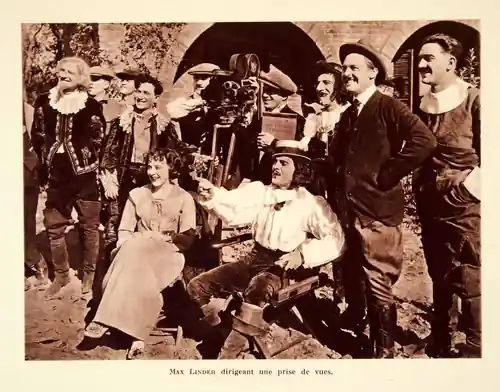
publicity
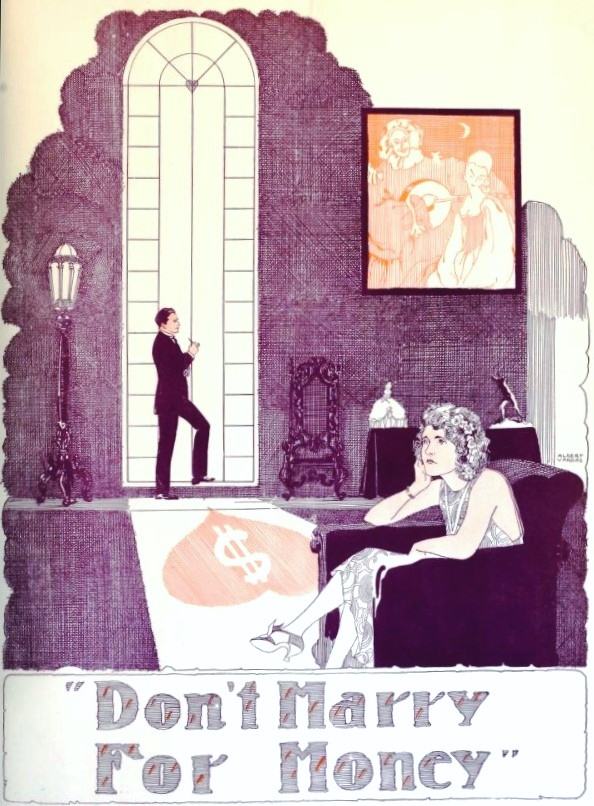
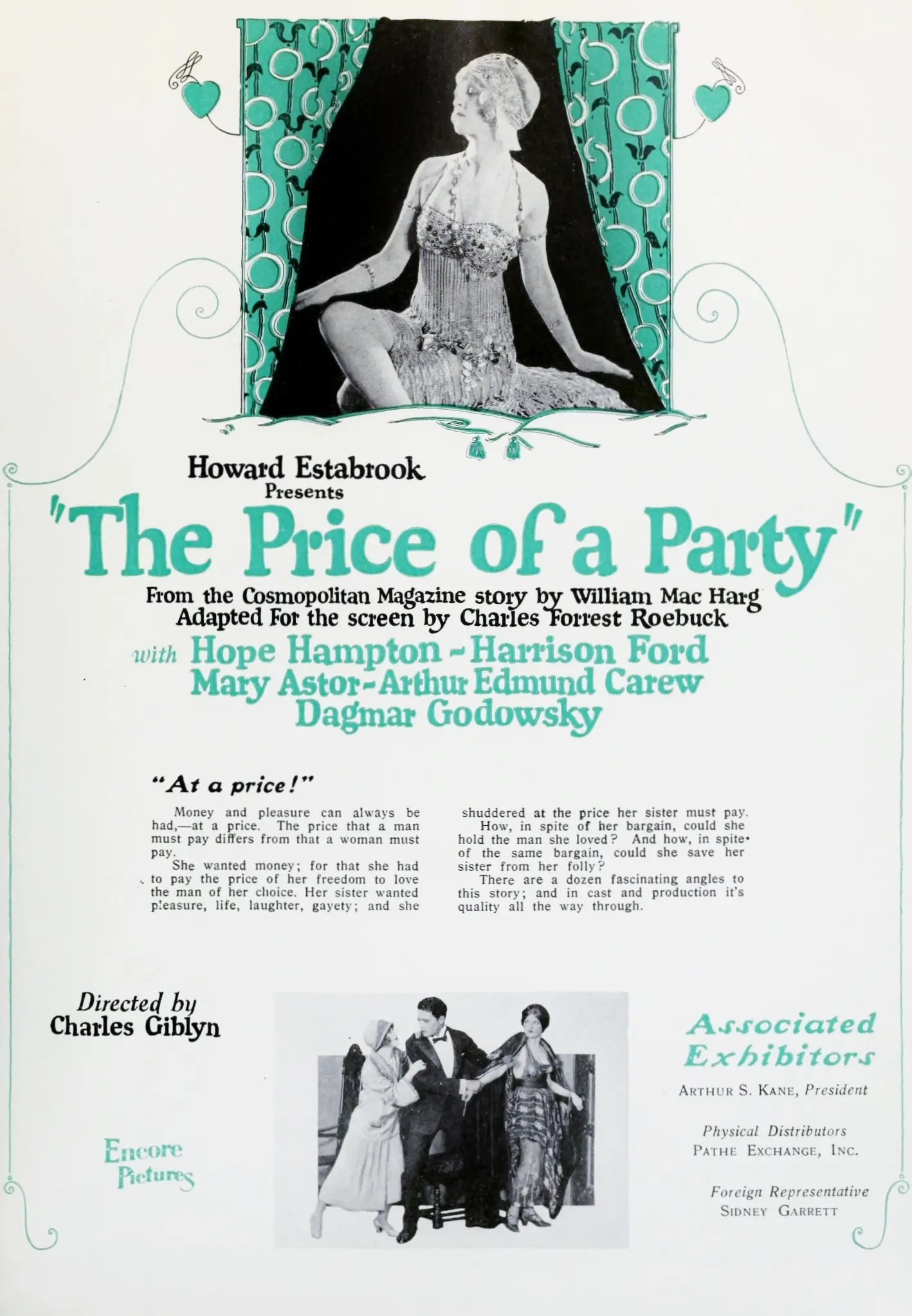
Comparing the cinematic DNA and archive impact of two defining moments in cult history.
Max Linder
Victor Heerman
Community
Log in to comment.
" Max Linder’s final American hurrah arrives like a half-remembered dream soaked in absinthe and Pacific sunlight: The Three Must-Get-Theres is less a parody of Dumas than a sabotage of heroism itself, a film that pirouettes on the grave of Fairbanksque virility while winking at the camera with such sustained flirtation that the lens almost blushes. A Gascony Built of Palm Trees and Asphalt Forget Renaissance France; Linder’s backdrop is 1921 Los Angeles wearing a cheap lace collar. The cobble..."
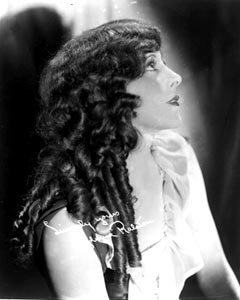
Jobyna Ralston
Alexandre Dumas, Max Linder, Tom Miranda
United States
Deep dive into the cult classic
Discover similar cinematic experiences
A Directorial Spotlight on Max Linder