
Cult Cinema
Beyond the Marquee: The Transformative Power of Cult Cinema's Unseen Narratives

“Cult cinema thrives in the shadows of the mainstream, forging fervent communities around films that defy easy categorization and embrace the unconventional. This deep dive explores the enduring allure and profound impact of these cinematic outliers, from their rebellious genesis to their lasting leg…”
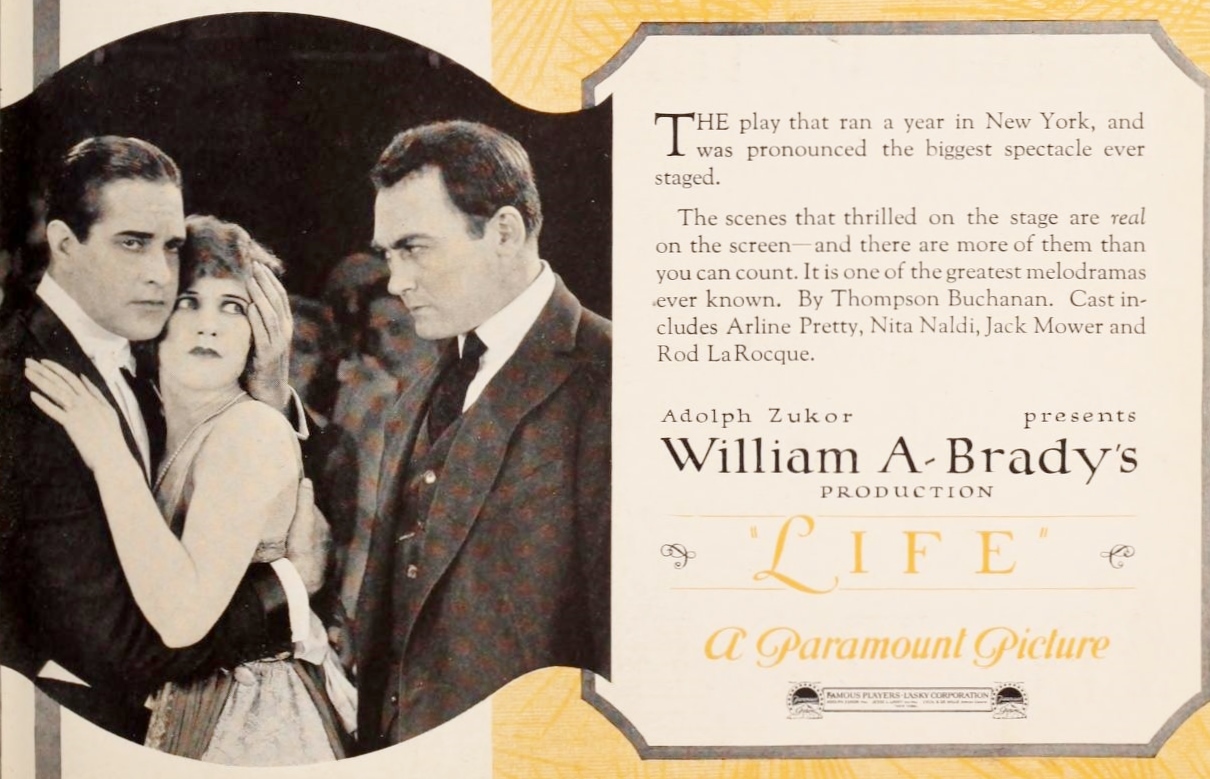
In the vast tapestry of cinematic history, certain films refuse to be neatly woven into the mainstream fabric. They are the outliers, the provocateurs, the misunderstood masterpieces that, for various reasons, fail to capture immediate widespread appeal but instead cultivate something far more potent: a passionate, almost spiritual devotion from a dedicated following. This is the realm of cult cinema, a fascinating and often bewildering landscape where the bizarre becomes beautiful, the controversial becomes iconic, and the overlooked finds eternal life through collective obsession. It’s a space where films like those from the early 20th century, with their sometimes melodramatic, often morally ambiguous narratives – hinting at themes of societal judgment, forbidden love, or individual rebellion – laid the foundational stones for what we now recognize as the cult aesthetic.

What exactly defines a cult film? It’s not merely commercial failure, nor is it simply being 'weird.' It's a complex alchemy of audience, content, and context. A cult film often challenges conventions, embraces transgressive themes, or presents a vision so singular that it resonates deeply with a specific, often marginalized, audience. These are the films that demand repeat viewings, inspire fan theories, and become the subject of midnight screenings and fervent discussions. They are cinematic experiences that don't just entertain; they transform, provoke, and unite.
The Genesis of the Unconventional: Seeds of Rebellion
The roots of cult cinema stretch back to the earliest days of filmmaking, long before the term 'cult classic' entered our lexicon. Even in the nascent stages of the art form, certain narratives pushed boundaries, exploring human nature in ways that might have been deemed scandalous or simply too complex for broad appeal. Consider the melodramas and social commentaries of the early 1900s, where films hinted at themes of moral ambiguity, societal hypocrisy, and the struggles of individuals against oppressive systems. Imagine the impact of a film like The Child Thou Gavest Me, with its shocking revelation of a bride's past, or The Woman Pays, exploring the consequences of choices in a restrictive society. These early narratives, often dealing with intense emotional stakes or challenging established norms of morality and class, were proto-cult in their willingness to confront uncomfortable truths.

Films like The Morals of Hilda, which explored unconventional living arrangements among immigrants, or Outcast, depicting a woman's fall and struggle, certainly touched upon themes that would have challenged contemporary societal expectations. These were not always subtle criticisms; sometimes they were stark, raw portrayals of life's darker facets. Similarly, the dramatic intensity of The Divine Sacrifice, with its tangled web of unhappy marriages, identity swaps, and forbidden love, foreshadowed the kind of narrative audacity that cult films would later embrace wholeheartedly. The very act of presenting such stories, often with stark realism or heightened emotionalism, set them apart from the more saccharine or straightforward morality plays of the era.

Even within seemingly conventional genres, a subversive spirit could emerge. Westerns, adventure stories, and comedies, while popular, sometimes contained elements that resonated with a fringe sensibility. A film like The Masked Avenger, while a Western, plays with themes of mystery and vigilante justice, hinting at the anti-hero archetype that would become a cult staple. The intricate revenge plot of The Trey o' Hearts, with its mistaken identities and a crippled protagonist plotting murder, demonstrates an early fascination with darker psychological narratives that deviate from simple good-versus-evil tropes. This embrace of complexity, of characters who exist in shades of grey, is a hallmark of the cult film.

A Sanctuary for the Subversive Spirit: Finding Your Tribe
What truly elevates a film from mere obscurity to cult status is the audience itself. Cult films don't just exist; they are discovered, championed, and ritualized by their fans. This process often begins when a film, perhaps ahead of its time or simply too strange for mass consumption, fails to find its footing in the mainstream. Yet, it strikes a chord with a smaller, dedicated group who see something profound, hilarious, or uniquely captivating within its frames.

These films offer a sanctuary for those who feel alienated by conventional narratives. They often explore themes of rebellion against authority, societal hypocrisy, or the search for identity in a conformist world. A film depicting an individual unjustly convicted, like The Honor System, or one where a character defies societal judgment, such as The Marked Woman, can deeply resonate with viewers who feel misunderstood or marginalized. The struggles of protagonists in films like Samhällets dom, facing societal condemnation and seeking a new life, echo the outsider experience that many cult film devotees identify with.

The communal experience of watching and re-watching these films becomes a form of shared identity. Midnight movie screenings, where audiences dress up, shout lines, and participate in the cinematic ritual, are a testament to this deep connection. It's a space where the bizarre is celebrated, where the dark is embraced, and where the unconventional is the norm. This sense of belonging, of finding others who 'get it,' is a powerful draw. The films themselves become catalysts for community, fostering discussions, fan art, and even academic study.
Aesthetic Daring and Narrative Anarchy: Breaking the Rules
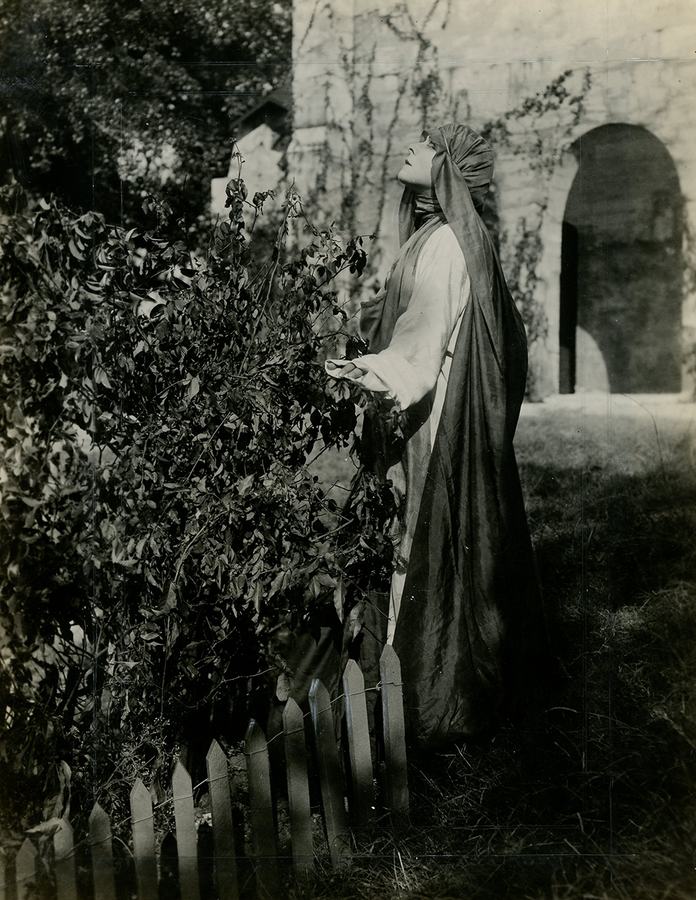
Cult cinema often distinguished itself through its fearless approach to aesthetics and narrative structure. Rather than adhering to established cinematic grammar, these films frequently dismantle conventions, embrace experimental techniques, or simply operate on their own unique logic. This can manifest in a variety of ways: non-linear storytelling, surreal imagery, abrupt shifts in tone, or a deliberate rejection of traditional character arcs. Early films, even with their technical limitations, sometimes hinted at this daring. The dramatic flair and heightened reality of silent cinema, for instance, could be seen as an early form of stylistic exaggeration that later cult films would push to extremes.

Consider the often-overlooked details in films like The False Code, where corporate malfeasance drives the plot, or the intricate personal dramas within Her Husband's Friend or Silver Wings, exploring betrayal and familial strife. While not explicitly 'cult' in their time, these films demonstrated a willingness to delve into the complexities and sometimes ugliness of human relationships, often without neat resolutions. This commitment to exploring the darker, messier aspects of life, untainted by the need for mass appeal, is a consistent thread in cult cinema.

Furthermore, cult films often revel in genre blending and subversion. A crime drama might veer into fantasy, a comedy might turn unexpectedly dark, or a seemingly straightforward narrative could dissolve into surrealism. The very description of a film like Kaksen på Øverland, encompassing 'Crime, Drama, Fantasy,' suggests an early willingness to transcend rigid genre boundaries – a trait that would become central to many cult favorites. This artistic freedom, unburdened by commercial pressures, allows filmmakers to create truly unique and memorable cinematic experiences that defy easy categorization and challenge audience expectations.
The visual language of cult cinema also plays a crucial role. Whether it's the gritty realism of a low-budget horror film, the psychedelic visuals of a counter-culture masterpiece, or the deliberate artifice of a camp classic, cult films often possess a distinctive look and feel. This visual identity becomes part of their mystique, instantly recognizable to their devotees. Even the simple, stark imagery of early cinema, perhaps in a film like The Rich Slave or Midnatssjælen, could, in its own context, be seen as pushing the boundaries of visual storytelling or emotional intensity, paving the way for later, more overtly stylized cult aesthetics.
The Alchemy of Audience and Art: Forging Enduring Legacies
The journey of a film from initial release to cult classic is rarely straightforward. Many cult films were critical or commercial failures upon their debut, only to be resurrected years later by a discerning audience. This delayed recognition is a testament to the timelessness of their themes and the power of niche appeal. The films that become cult objects often possess an intrinsic quality that allows them to transcend their original context and resonate with new generations of viewers.
This enduring appeal is often tied to the film's ability to speak to universal human experiences, albeit through an unconventional lens. Stories of outsiders, rebels, and those who defy societal expectations, whether it's the spirited determination of The Girl with No Regrets or the complex moral landscape of The Lady of Red Butte, find resonance across different eras. The struggle for authenticity, the questioning of authority, and the exploration of identity are themes that never truly fade, making these films perpetually relevant.
Furthermore, cult films often become cultural touchstones, influencing subsequent filmmakers, artists, and even fashion. Their iconic lines, memorable characters, and unique aesthetics seep into the collective consciousness, becoming part of the broader cultural lexicon. The very existence of films like The Three Musketeers, an adventure classic, or even short comedies like A Game Lady or Edgar's Country Cousin, while not cult in the modern sense, demonstrate the diverse range of storytelling that existed. It's from this rich soil of varied cinematic expression that the truly unique, the truly 'cult,' eventually blossomed.
The process of re-evaluation is crucial to the cult phenomenon. What was once dismissed as strange or niche might, with the passage of time and a shift in cultural perspective, be recognized as visionary or groundbreaking. This phenomenon highlights how audience perception can fundamentally alter a film's legacy, transforming it from a forgotten curio into a beloved institution. The collective memory and passion of the cult following act as a powerful force, ensuring that these films not only survive but thrive for decades.
The Unseen Influence: From Fringe to Forefront
The impact of cult cinema extends far beyond its immediate fanbase. These films, by daring to be different, often pave the way for mainstream acceptance of once-taboo subjects or unconventional storytelling techniques. What starts as an underground sensation can eventually influence popular culture, demonstrating that there is a hunger for narratives that challenge, provoke, and offer alternatives to the status quo. The themes of crime, deception, and moral quandaries evident in films like Passing the Buck, Girls Don't Gamble, or The Bishop's Emeralds, while perhaps presented in a conventional style for their era, touch upon the human flaws and societal tensions that cult cinema would later dissect with greater intensity and stylistic freedom. Even the comedic elements of films like A Pair of Sixes or Lord Saviles brott, with their absurd premises or dark humor, can be seen as early explorations of the kind of offbeat sensibility that cult audiences cherish.
The legacy of cult cinema is therefore not just about a collection of films; it's about a persistent spirit of artistic freedom and audience empowerment. It's a reminder that true cinematic value isn't always measured in box office receipts or critical acclaim, but in the deep, resonant connection a film can forge with its viewers. From the dramatic twists of Dynamite Allen to the personal struggles in Sandy Burke of the U-Bar-U, these narratives, whether intentionally or not, explored the human condition in ways that resonated. They offered glimpses into lives on the margins, into moral grey areas, and into the sheer unpredictability of existence – all fertile ground for the cult phenomenon.
A Continual Rediscovery
The beauty of cult cinema lies in its ongoing nature. New films are constantly being 'discovered' and elevated by passionate viewers, while older, forgotten gems are unearthed and given a new lease on life. This constant cycle of rediscovery ensures that the canon of cult films is ever-evolving, reflecting the changing tastes and societal concerns of each generation, yet always retaining its core commitment to the unconventional and the deeply personal. The obscure foreign films, the B-movies, the experimental works – all contribute to this rich and diverse tapestry, ensuring that there will always be a film waiting to find its tribe, to be celebrated, and to become a cherished part of cinematic history.
In an increasingly homogenized media landscape, cult cinema stands as a vibrant testament to the power of individuality and the profound human need for connection. It’s a celebration of the weird, the wonderful, and the truly unique, offering a space where cinematic boundaries are not just pushed, but joyfully obliterated.
Community
Comments
Log in to comment.
Loading comments…