
Deep Dive
The Bohemian Breach: Why the Jazz-Age Rebellion of the 1920s is the Secret Blueprint for Counter-Culture Cults
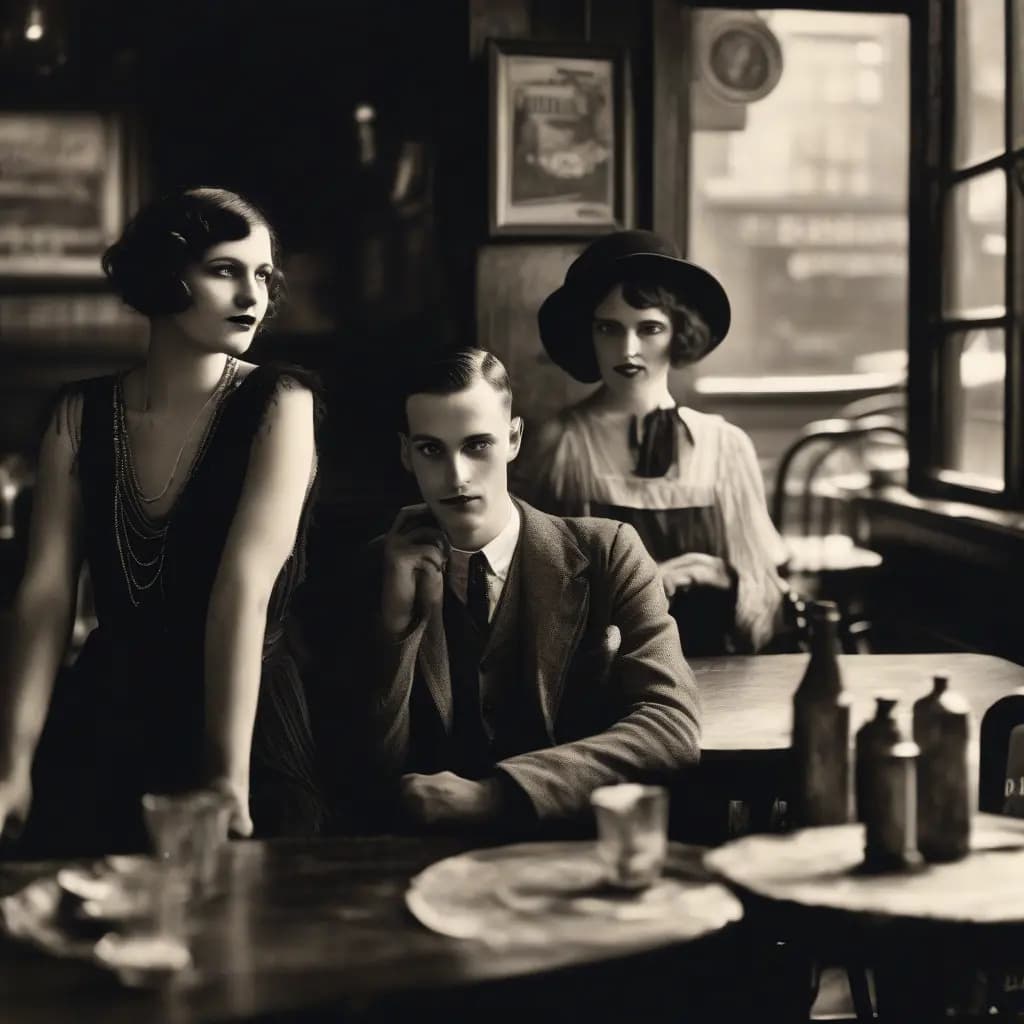
“Discover how the silent era’s obsession with Greenwich Village bohemians and Jazz-Age deviants laid the transgressive groundwork for modern cult cinema.”
We are often told that cult cinema was born in the midnight sweat of the 1970s, birthed by the likes of Waters, Jodorowsky, and Lynch. But this is a convenient historical fiction. The true genetic markers of the 'cult' mindset—the celebration of the social pariah, the fetishization of the urban underground, and the rejection of bourgeois morality—were actually spliced into the celluloid during the flickering transition of the 1910s and 1920s. Before there was an 'underground' film movement, there was the Bohemian Breach: a moment when cinema stopped being a moralizing mirror and started becoming a gateway to the forbidden allure of the counter-culture.
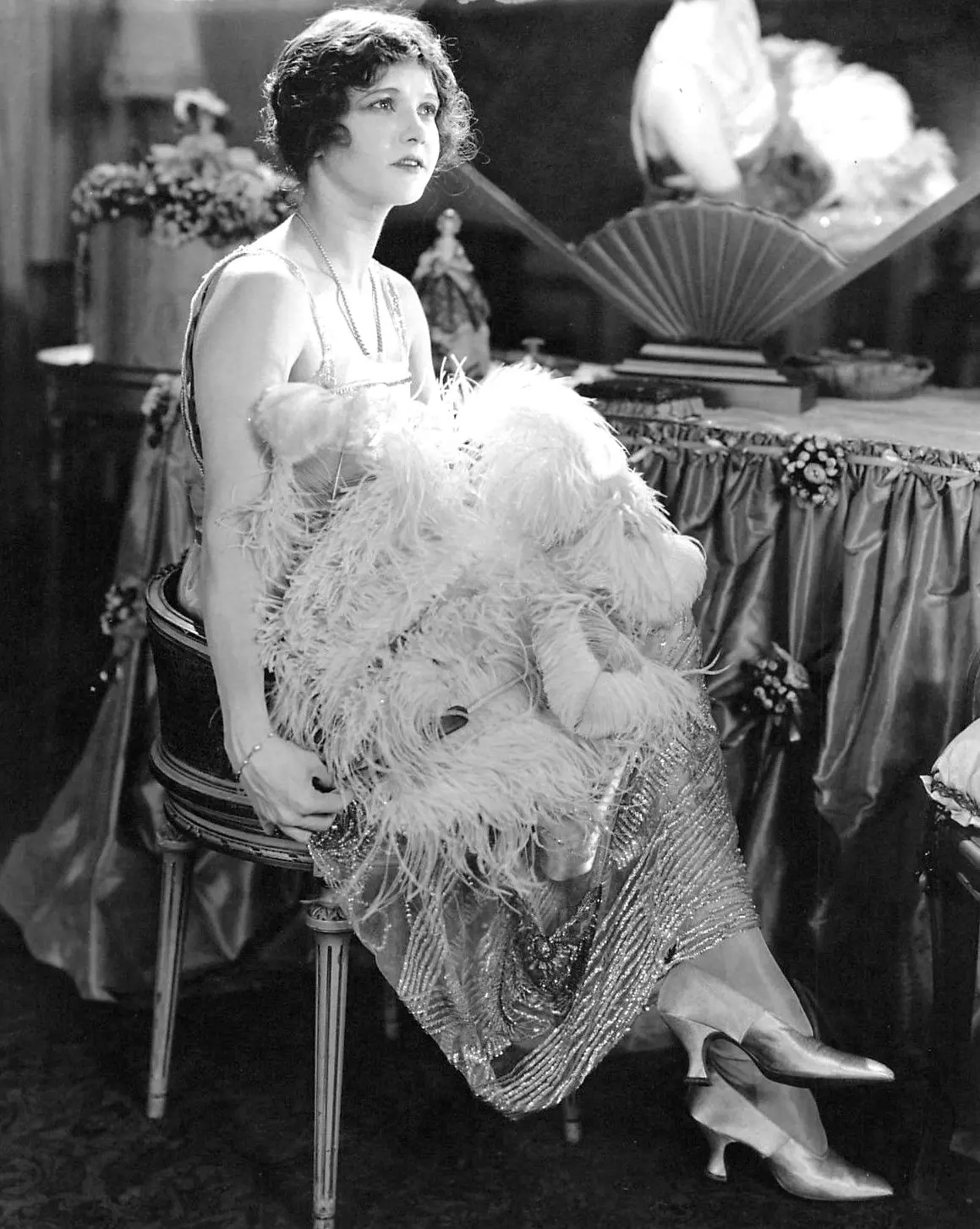
To understand the modern cult obsession, we must look back at the Jazz Age not as a period of flappers and champagne, but as a period of profound social friction. It was an era where the 'bohemian' became a cinematic archetype—a figure who lived on the fringes of the city, trading security for art and lawlessness. This wasn't just entertainment; it was a manual for rebellion that would eventually evolve into the transgressive cinema we worship today at Dbcult.com.
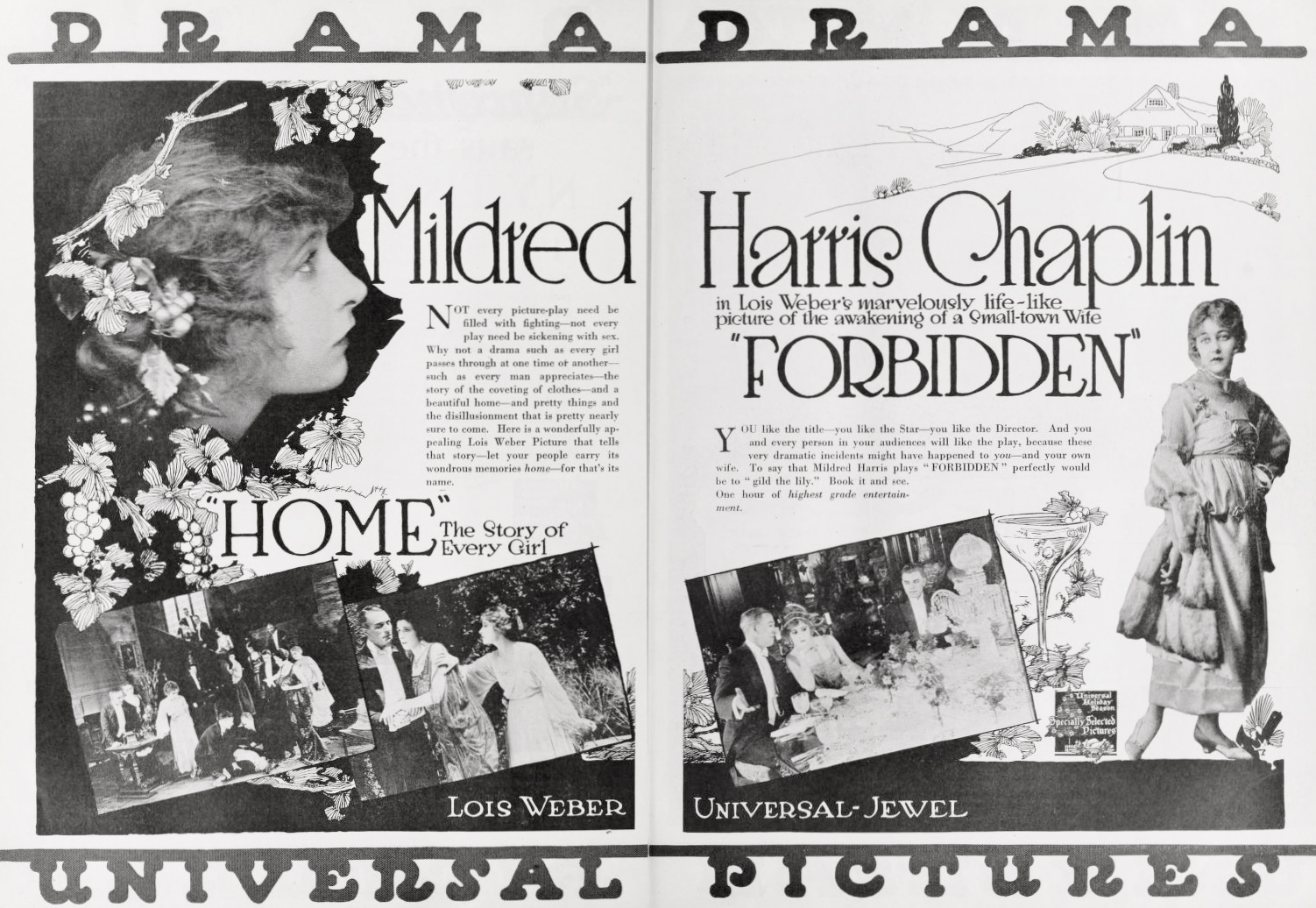
The Greenwich Village Prototype: Bohemianism as Transgression
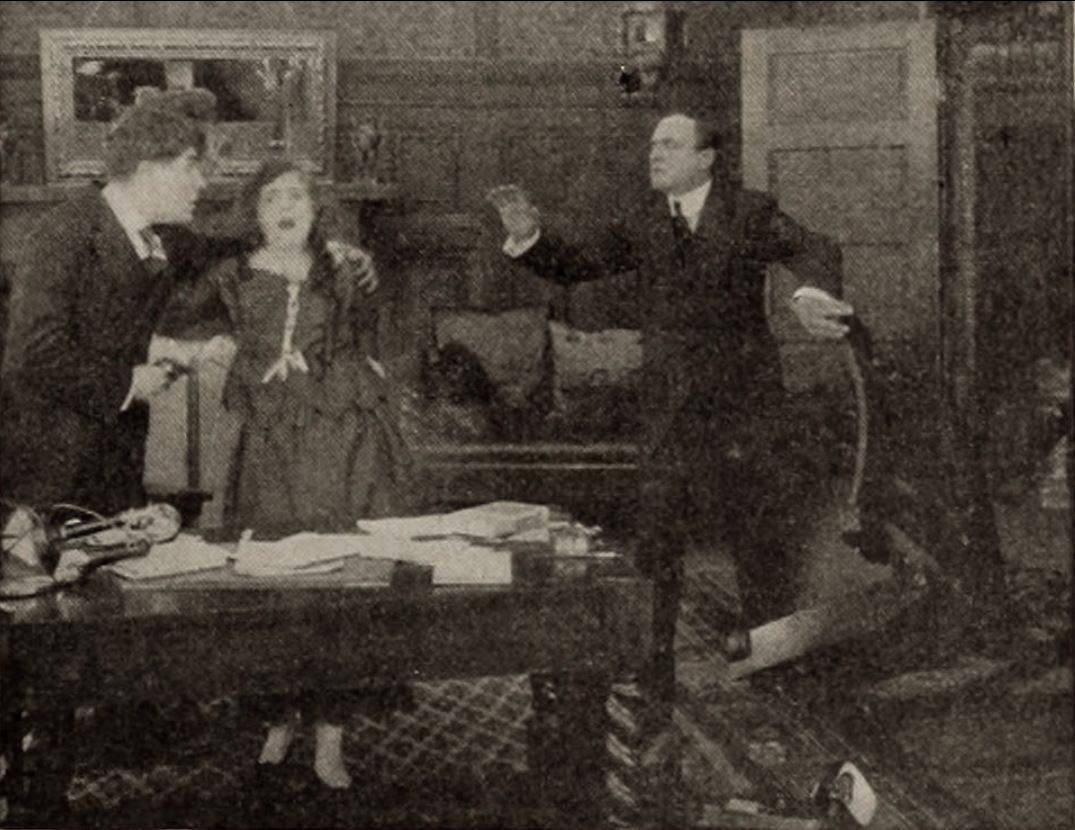
The 1923 film The Broken Melody serves as a startlingly early example of how cinema began to romanticize the 'other.' Set in New York City’s Greenwich Village, the film centers on Stewart, an art student living in the heart of what was then a radical enclave of poets, painters, and political agitators. By placing the narrative in a 'bohemian' cafe, the film invited the audience to peek into a world that existed outside the rigid structures of early 20th-century life.
This is where the cult protagonist was born. Stewart isn't a traditional hero; he is a man defined by his environment—a squalid yet vibrant space where art is the only currency. This 'bohemian' setting is the direct ancestor of the counter-culture spaces seen in 1960s cinema. When we watch Stewart and his girlfriend Hedda navigate their favorite cafe, we are seeing the first stirrings of a cinematic subculture that values personal expression over social standing. It is a proto-cult aesthetic that prioritizes the 'vibe' of the underground over the moral clarity of the mainstream.
The Urban Mirage: From Innocence to the Sins of the City
Cult cinema often thrives on the 'corrupted innocent' trope—the journey from the sunlight of the suburbs into the neon-lit shadows of the city. In the silent era, this was reflected in the 'Small Town Girl' narrative, but with a darker, more cynical edge than history books suggest. Take The Small Town Girl, where June leaves her rural home for a squalid First Avenue tenement in New York. The film doesn't just depict poverty; it depicts the psychological weight of the urban sprawl.
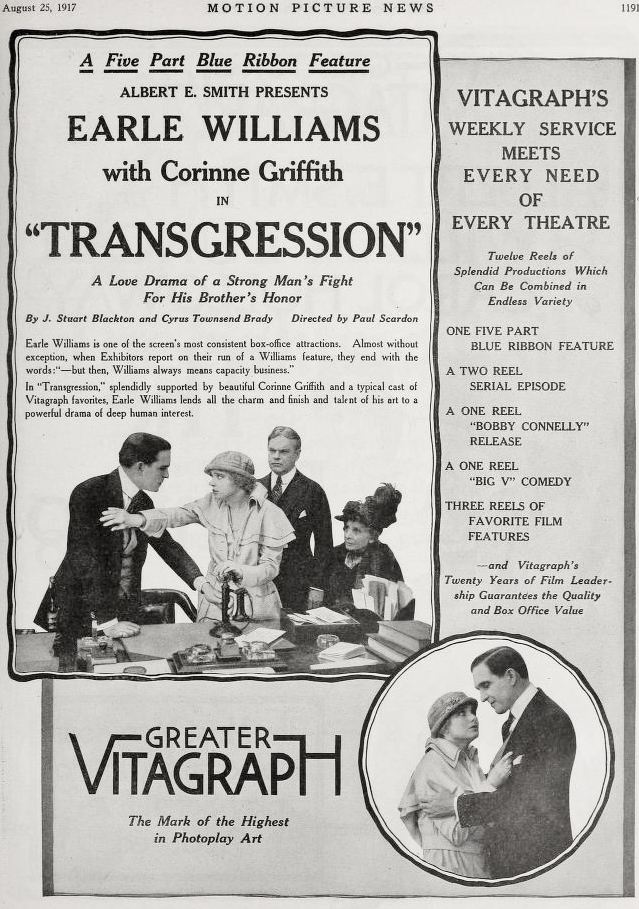
Similarly, The Girl Who Came Back (1923) pushes this narrative into the realm of crime and social exile. Sheila, a country girl, finds herself married to a car thief and eventually lands in prison. This trajectory—from the department store to the cell block—mirrors the 'downward spiral' narratives that would become a staple of exploitation and cult cinema in the 1970s. These films allowed audiences to experience the thrill of the 'fall' without the risk, establishing a voyeuristic relationship with vice that remains the bedrock of cult spectatorship.
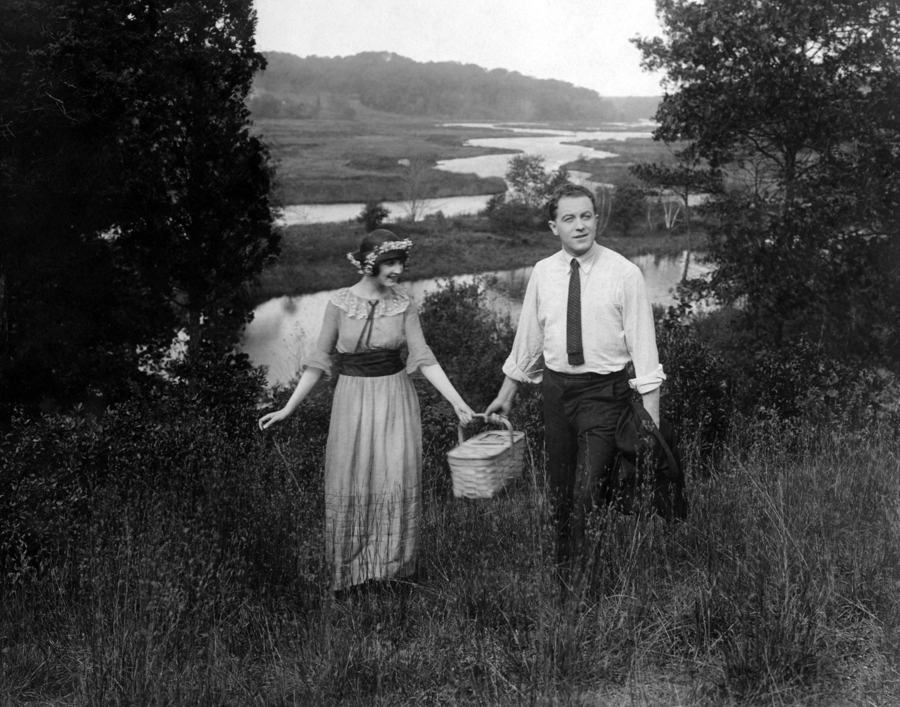
The city in early cult-adjacent cinema was never just a location; it was a character that demanded a moral toll, a labyrinth where the protagonist’s identity was stripped away to reveal a harder, more cynical core.
The Soul of Satan: The Fetishization of the Ruthless Gambler
If the bohemian was the soul of the 1920s rebellion, the gambler was its dark heart. In The Soul of Satan, we see Miriam Lee’s life transformed by Joe Valdez, a handsome but ruthless gambler. This film represents a significant shift in how cinema handled 'villainy.' Valdez isn't a mustache-twirling caricature; he is an elegant, dangerous figure who operates in the 'elegant gambling palaces' of New York.
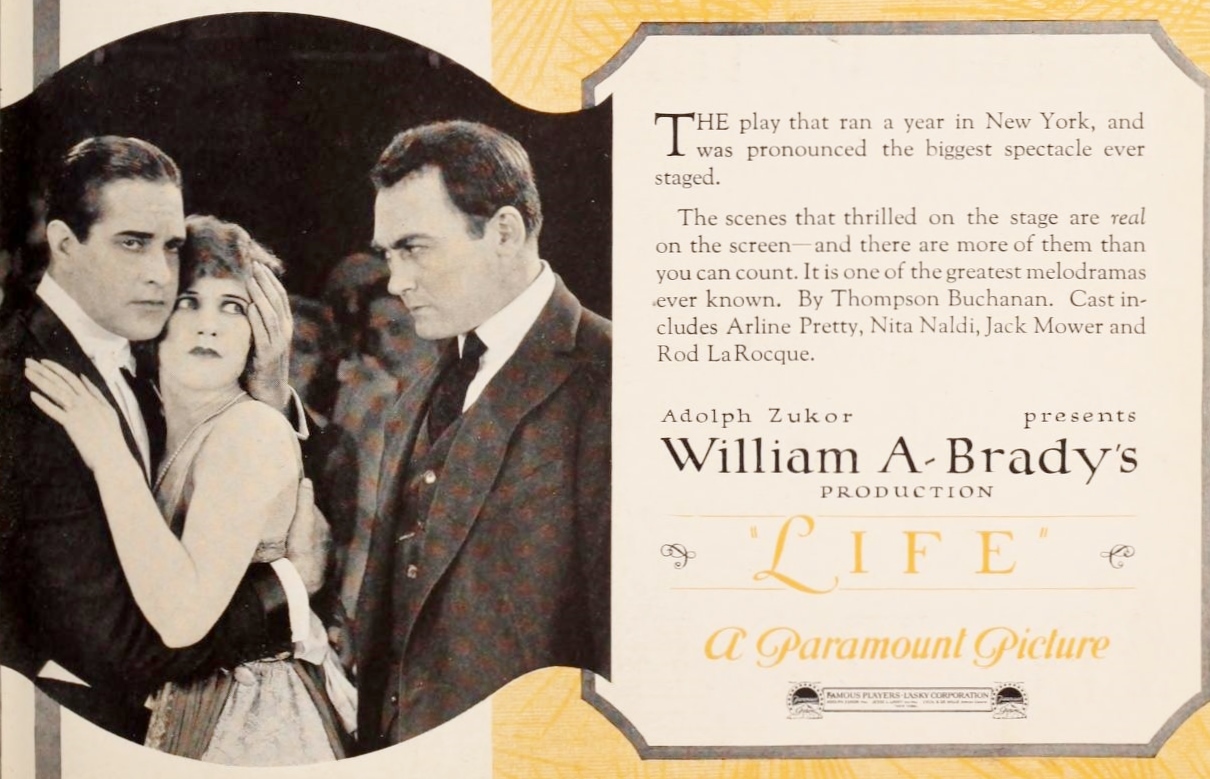
The film’s title alone suggests a fascination with the diabolical that would later become a hallmark of horror and psychological cult films. By framing the gambler’s life as one of luxury and danger, the silent era began to cultivate an audience that was attracted to the 'anti-hero.' We see this same DNA in the works of directors like Jean-Pierre Melville or even the stylized violence of Tarantino. The 1920s 'vice' films were the first to realize that the devil doesn't just have all the best tunes; he has the best cinematography too.
Class Anarchy and the Misfit’s Ascension
One of the most potent themes in cult cinema is the subversion of class. The 'misfit' who enters high society and wreaks havoc is a recurring archetype that challenges the status quo. This was explored with surprising nuance in the 1923 Swedish film Anderssonskans Kalle på nya upptåg. Here, a mischievous working-class boy is adopted into the high society of Stockholm. The film functions as a comedy, but its undercurrent is one of class disruption—the 'unwanted' element infiltrating the pristine world of the elite.
This theme of the 'invader' is central to cult classics like *Pink Flamingos* or *Parasite*. It taps into a primal desire to see the structures of power dismantled by a figure who refuses to play by the rules. Even in lighter fare like Little Miss Jazz, where a girl takes the place of a statue in an art exhibition, we see a playful deconstruction of identity and social expectation. These films were training audiences to appreciate the 'disruptor'—the character who exists to break the frame of conventional reality.
The Metaphysical Anchor: Destiny and the Fantastic
While social realism provided the grit, the 'cult' status of early cinema was often cemented by its foray into the metaphysical. Fritz Lang’s Destiny (1921) is a prime example. When a woman’s fiancé disappears, Death himself gives her three chances to save him. This film isn't just a drama; it’s a horror-fantasy hybrid that uses expressionistic visuals to explore the inevitability of fate.
Cult cinema loves a director with a singular, uncompromising vision, and Lang’s work in the 1920s provided the template. The visual language of *Destiny*—its shadows, its massive scale, its dream-like logic—would influence everything from the Universal Monsters to the surrealist nightmares of David Lynch. It proved that cinema could be a space for the 'impossible,' a place where the logic of the waking world could be suspended in favor of a deeper, more unsettling truth.
The Legacy of the Forbidden Frame
The films mentioned here—whether it’s the bohemian struggle in The Broken Melody, the aristocratic friction in Beyond the Rocks, or the urban desperation of The Midnight Burglar—all share a common thread: they are interested in the 'other.' They are films that look at the edges of society and find something more compelling than the center.
This is the essence of cult cinema. It is not about popularity; it is about the intensity of the connection between the viewer and the 'misfit' on the screen. The 1920s didn't just give us the Jazz Age; it gave us the first generation of cinematic rebels who refused to be contained by the moral panics of their time. They were the ones who first dared to suggest that the bohemian, the gambler, and the social outcast were the true heroes of the modern age.
- The bohemian cafe as the first 'safe space' for cinematic subversion.
- The transformation of the city from a place of opportunity to a site of moral decay.
- The rise of the anti-hero through the lens of gambling and crime.
- The use of expressionism to visualize internal psychological states.
As we continue to dig through the nitrate archives, we find that the 'midnight movie' was always there, waiting in the shadows of the silent era. It was just waiting for us to develop the eyes to see it. The next time you watch a cult classic that challenges your perceptions of reality or morality, remember that the breach was opened a century ago, in the smoky rooms of Greenwich Village and the flickering light of a 1920s projector.
Community
Comments
Log in to comment.
Loading comments…