
Cult Cinema
The Celluloid Altar: Worshipping the Unconventional in Cult Cinema's Enduring Pantheon

“Cult cinema stands as a vibrant testament to the enduring power of unconventional storytelling, forging passionate communities around films that defy mainstream sensibilities and embrace the truly extraordinary. This deep dive explores the magnetic allure of these cinematic outcasts, from their tran…”
In the vast, glittering galaxy of cinematic achievement, there exists a darker, more mysterious constellation: cult cinema. These aren't the blockbusters that dominate multiplexes or the Oscar-bait dramas that garner critical acclaim upon release. No, cult films are the rebels, the misfits, the strange and wonderful anomalies that, for various reasons, resonate deeply with niche audiences, often long after their initial theatrical run has ended. They are the films that refuse to be forgotten, whispered about in hushed tones, celebrated in midnight screenings, and dissected with an almost religious fervor by their devoted followers. What is it about these maverick visions that grants them such an enduring appeal, transforming them from obscure curiosities into beloved cinematic icons?

The Genesis of the Unconventional: When Films Defy Definition
The very essence of cult cinema lies in its inherent subversion. These are films that often challenge established norms, whether through their narrative structure, thematic content, aesthetic choices, or all of the above. They dare to explore the fringes of human experience, delving into the bizarre, the taboo, the morally ambiguous, and the outright fantastical. Think of the unsettling mysteries that unfold, akin to a "Mystery of the Poison Pool" or the haunting imagery of "The Face at the Window", which leave an indelible mark on the psyche. These films don't just entertain; they provoke, they disturb, they force us to confront uncomfortable truths or revel in glorious escapism.

Many cult classics were initially misunderstood, critically panned, or simply overlooked. Their unconventional rhythms and refusal to conform to prevailing tastes meant they struggled to find an audience. Yet, this very rejection often becomes a badge of honor, a testament to their transgressive art. The initial failure allows for a rediscovery, a slow burn of appreciation that builds organically within passionate communities. It’s a journey from obscurity to icon, where a film’s true value is recognized not by the masses, but by those willing to look "Beyond the Mainstream".

Maverick Storytelling: Narratives That Break the Mold
At the heart of any cult film is a story told with audacious individuality. These narratives often eschew traditional three-act structures, embrace surrealism, or delve into themes considered too niche or controversial for widespread appeal. They might present characters who are outcasts, rebels, or figures grappling with profound internal conflicts, much like the challenging choices faced by protagonists in "The Price She Paid" or the moral dilemmas explored in "One Touch of Sin". The films often explore the darker side of human nature, societal hypocrisy, or the struggle for identity against oppressive forces.

The narrative boldness extends to genre-bending, where boundaries blur, and expectations are playfully or aggressively subverted. A film might begin as a drama and twist into horror, or blend comedy with profound philosophical introspection. This genre anarchy is a hallmark of cult cinema, preventing easy categorization and ensuring a unique viewing experience. Whether it's the exploration of familial pressures in "Familjens traditioner" or the satirical look at societal expectations in "What Every Woman Knows", these films resonate because they speak a "secret language", offering a perspective rarely found in conventional fare.

Characters That Captivate and Challenge
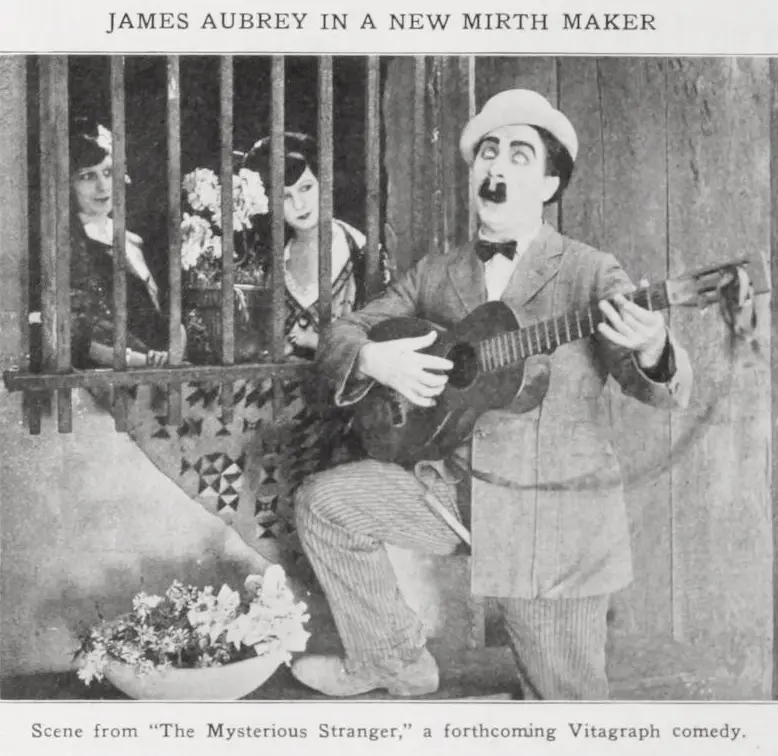
Cult films are often defined by their unforgettable characters. These aren't always heroes in the traditional sense; they can be anti-heroes, villains, or simply deeply flawed individuals navigating a world that doesn't understand them. They might be the charming rogue, the mysterious stranger, or the misunderstood genius. Characters like a charismatic trickster, perhaps a "Twinkler" figure, or a woman who defies convention, akin to "The Worldly Madonna", leave an indelible impression. Their struggles, their triumphs, and often their tragic downfalls become deeply personal to audiences, fostering a connection that transcends mere viewership.

These characters, operating outside the bounds of conventional morality or societal acceptance, provide a mirror for audiences who feel similarly disenfranchised. The films offer a space where the weird, the wild, and the wonderful are not just accepted but celebrated. This shared understanding forms the bedrock of niche devotion, where individual viewers find common ground in their adoration for these cinematic outcasts.

The Midnight Congregation: Fandom, Ritual, and Community
Perhaps the most defining characteristic of cult cinema is the passionate community it inspires. These aren't just fans; they are congregants, adherents to a shared cinematic gospel. The term "midnight movie" itself evokes images of communal gatherings, late-night screenings where audiences participate, shout lines, dress up, and transform a passive viewing experience into an active, shared ritual. This is where the film truly comes alive, transformed by the collective energy of its devotees. It's the "Talk of the Town" for a select few, a hidden world within the broader cinematic landscape.
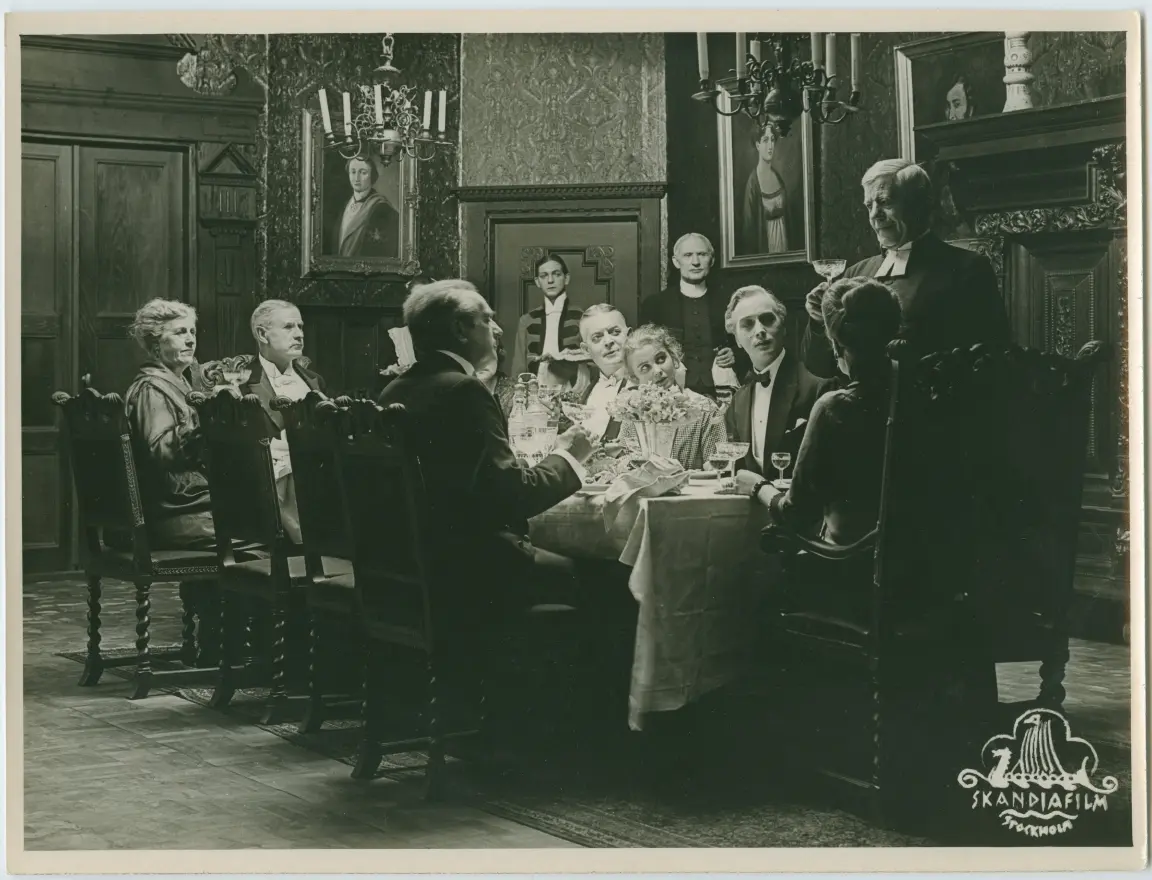
This communal catharsis is vital. In a world increasingly fragmented, cult cinema offers a sanctuary for those who feel alienated by mainstream culture. It's a place where shared obsessions are not just tolerated but encouraged, where the quirks and eccentricities of a film are dissected and celebrated. This sense of belonging is a powerful draw, turning casual viewers into lifelong enthusiasts. The online forums, conventions, and fan art dedicated to these films are evidence of this profound connection, creating a "City of Purple Dreams" for its inhabitants.

Repeat Viewings and Decoding the Layers
Unlike many mainstream films designed for a single, digestible viewing, cult films thrive on repeat viewings. Each watch reveals new layers, hidden meanings, subtle nuances, or even just another opportunity to bask in the film's unique atmosphere. The narratives can be complex, ambiguous, or simply so rich in detail that they demand multiple engagements. This encourages a deeper analytical engagement, turning viewers into amateur film critics and scholars, constantly "decoding the genetic rebellion" embedded within the film's fabric.
The ambiguity often inherent in cult cinema invites interpretation, debate, and personal connection. What one viewer perceives as profound, another might see as absurd, and both interpretations contribute to the film's mystique. This active engagement fosters a sense of ownership and intellectual investment, transforming a mere film into a "celluloid cryptogram" that its audience is constantly striving to solve.
The Aesthetic of Anomaly: Visuals and Soundscapes That Haunt
Beyond narrative and character, the visual and auditory aesthetics of cult films often set them apart. Directors of cult films frequently employ distinctive, often experimental, visual styles that can range from gritty realism to dreamlike surrealism. They might use striking color palettes, unconventional camera angles, or jarring editing techniques to create a unique mood and atmosphere. The imagery can be unsettling, beautiful, grotesque, or all three simultaneously, much like the captivating yet disturbing "Eyes of the Mummy".
The sound design and musical scores are equally crucial, often featuring avant-garde compositions, obscure tracks, or deliberately unsettling soundscapes that enhance the film's singular identity. This cohesive unorthodox art creates an immersive experience that is deeply sensory, drawing the viewer into the film's singular world. It's not just about what is seen or heard, but how it makes the audience feel – a lingering sense of unease, exhilaration, or profound contemplation.
Even early cinema, with its nascent understanding of cinematic language, produced works that hinted at this primal weirdness. Films that might have been considered strange or experimental for their time, perhaps dealing with themes of escape or mistaken identity as in "Nearly a King" or "The Wrong Door", laid foundational stones for the future of unconventional filmmaking. These early genre anomalies, though not explicitly cult in the modern sense, demonstrated a willingness to explore narratives and visuals that strayed from the expected, challenging audiences to engage with something different.
Cultural Resonance: From Fringe to Forever
The impact of cult cinema extends far beyond its immediate audience. These films, once relegated to the fringes, often become significant cultural touchstones, influencing subsequent generations of filmmakers, artists, and musicians. Their themes, characters, and aesthetics seep into the broader cultural consciousness, shaping trends and inspiring new forms of expression. What begins as an underground film can eventually become a touchstone for entire movements.
The ideas they present, whether social commentary, philosophical musings, or explorations of identity and rebellion, remain relevant across decades. Films that tackle issues of conformity, freedom, or the struggle against oppressive systems, perhaps echoing the spirit of "In Defense of a Nation" or the individual's journey in "Master of His Home", continue to resonate because they address universal human experiences through a unique lens. This unconventional canon proves that artistic merit is not solely determined by box office success or initial critical reception.
Moreover, cult films often provide a subtle yet potent form of social commentary. By presenting exaggerated realities, dystopian futures, or heightened emotional states, they can critique society's flaws, expose its hypocrisies, or offer alternative ways of seeing the world. A film like "Fit to Win", though a government-commissioned piece, highlights how cinema can be used to address societal concerns, even if in a didactic manner. The "midnight mirror" they hold up reflects not just the strange, but often the deeply human anxieties and desires that mainstream cinema might shy away from.
The Enduring Allure: Why We Worship These Outcasts
So, why do we return to these films again and again? Why do we dissect their every frame, memorize their dialogue, and gather in their name? The answer lies in a complex interplay of factors: the thrill of discovering something unique, the joy of shared experience, the comfort of seeing one's own unconventional tastes validated, and the profound impact of stories that dare to be different. It's the magnetic pull of the unknown, the charm of the outsider, and the power of art that speaks directly to the soul.
Cult cinema is a celebration of individuality, both for the filmmakers who create these works and the audiences who embrace them. It's a reminder that art doesn't always have to conform to be meaningful, and that some of the most profound and lasting cinematic experiences can be found far "Beyond the Marquee". These films are not just movies; they are experiences, communities, and enduring altars where the truly maverick visions are worshipped and kept alive, generation after generation. From the adventurous spirit of "God's Country and the Law" to the poignant introspection of "Common Sense", each film, in its own peculiar way, contributes to this rich tapestry of cinematic devotion.
In an era of endless content, the quest for something truly original and deeply resonant is more vital than ever. Cult cinema offers precisely that: a refuge for the curious, a challenge for the complacent, and a home for the passionate. It is the "undying flame" that continues to burn brightly, illuminating the path for those seeking cinematic experiences that transcend the ordinary and touch the extraordinary.
Community
Comments
Log in to comment.
Loading comments…