
Cult Cinema
The Celluloid Anomaly: Unearthing Cult Cinema's Unconventional Rhythms and Enduring Fandoms

“Cult cinema defies easy categorization, drawing passionate audiences to films that often challenge conventions and find their true voice long after initial release. This deep dive explores the enigmatic power of these cinematic anomalies, their lasting impact, and the fervent communities they forge.”
In the vast, ever-expanding tapestry of cinematic history, certain films refuse to fade into obscurity. They don't merely entertain; they provoke, challenge, and ultimately, cultivate an almost religious devotion among their adherents. These are the cult films, the cinematic anomalies that thrive not on mainstream success or critical adulation, but on the fervent passion of a dedicated following. Their allure is a complex alchemy of transgressive narratives, idiosyncratic aesthetics, and a unique ability to speak to the disenfranchised, the curious, and the cinephiles yearning for something beyond the conventional.

The very definition of a cult film is as elusive as the shadows cast by an old projector. It's not a genre, but a phenomenon, a state of being achieved through an organic, often unpredictable journey from obscurity to iconography. These are the films that, like a whispered secret, pass from one devotee to another, building a congregation around their peculiar charms. From the silent era's nascent experiments to today's indie darlings, the spirit of cult cinema has always been present, a rebellious undercurrent against the tide of commercialism. While films like 'Unto the End' or 'The Price of Happiness' might not bear the modern moniker of 'cult classic,' their existence in early cinema, often exploring melodramatic or unconventional themes, hints at the foundational elements: a narrative that resonates deeply with a specific niche, a style that stands apart, or a story that, for its time, pushed boundaries and sparked fervent discussion among its limited audience. These early works, though perhaps forgotten by the mainstream, laid the groundwork for the cinematic subversions that would define cult cinema for generations to come.

The Unseen Current: Defining Cinema's Maverick Heartbeat
What elevates a film from mere entertainment to a cult object? It's rarely about box office receipts or critical consensus. Instead, it's an intangible quality, a profound resonance that taps into a collective subconscious. A cult film often embodies a maverick spirit, a refusal to conform to established norms, whether narrative, stylistic, or thematic. It might be a film that was initially misunderstood, dismissed, or simply too far ahead of its time, only to be rediscovered and championed by later generations.

From Obscurity to Oracle: The Genesis of Devotion
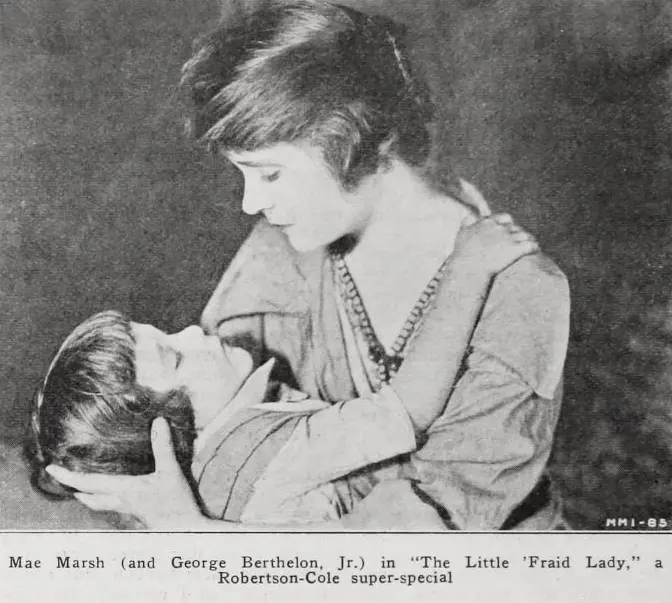
Many cult films begin their lives as commercial failures or critical pariahs. They languish in obscurity, only to be resurrected by a passionate few. This delayed gratification is a hallmark of the cult phenomenon. Think of films that, in their initial run, struggled to find an audience, much like many of the early, independent productions such as 'The Little 'Fraid Lady' or 'Secret Sorrow,' which, despite their dramatic weight, might have been overshadowed by more conventional fare. Their true power often lies in their capacity for reinterpretation, revealing layers of meaning with each successive viewing. The 'midnight movie' phenomenon, which truly blossomed in the 1970s, provided a literal sanctuary for these cinematic outcasts, transforming late-night screenings into sacred rituals where audiences could commune with their beloved, often bizarre, cinematic deities.

Architects of Anomaly: The Visionaries Behind the Veil
At the heart of every cult film is often a singular, uncompromising vision. These are the works of auteurs who dared to defy, to experiment, and to pour their unique sensibilities onto the celluloid canvas, regardless of commercial pressures. Their films often feel intensely personal, even when tackling universal themes, imbued with an eccentricity that sets them apart.

Narrative Rebellion and Thematic Transgression
Cult films frequently revel in narrative anarchy, deconstructing traditional storytelling structures or embracing non-linear, dreamlike logic. They explore themes that mainstream cinema shies away from: taboo subjects, dark humor, philosophical quandaries, or existential dread. Early dramas like 'Secret Sorrow' or 'The Price of Happiness,' for instance, delved into societal taboos and the harsh realities of human existence, pushing the boundaries of what was acceptable onscreen in their era. Similarly, the dramatic complexities hinted at in titles like 'Guilty of Love' or 'Satan's Private Door' suggest a willingness to tackle moral ambiguities and psychological depth that would appeal to audiences seeking more than simple escapism. These nascent explorations of the human psyche, often fraught with difficult choices and societal condemnation, paved the way for later cult classics that would dissect the darkest corners of the human condition.

Aesthetic Audacity and Genre Alchemy
Beyond their stories, cult films are often celebrated for their distinctive aesthetic. This could manifest as surreal visuals, experimental cinematography, or a deliberate embrace of low-budget grit. They are also masters of genre alchemy, blending elements from disparate categories to create something entirely new and unsettling. Consider the early genre explorations evident in films like 'The Flame of Hellgate' (a Western drama) or 'Voodoo Vengeance' (suggesting horror/mystery), which, in their own ways, might have pushed the stylistic or thematic boundaries of their respective genres. Even the whimsical, experimental animations like 'Invisible Ink' or 'The Clown's Pups' showcase an early form of artistic deviation, prioritizing unique visual storytelling over conventional narratives. These films, however obscure today, represent a lineage of cinematic creators who were unafraid to play with form and content, laying the groundwork for the visually arresting and genre-defying works that would later define cult cinema.
The Audience as Acolyte: Forging Fandom and Community
Perhaps the most defining characteristic of cult cinema is the active, almost participatory role of its audience. These aren't passive consumers; they are acolytes, scholars, and evangelists who find deep personal meaning and collective identity within these films.
The Midnight Rituals: A Shared Cinematic Sanctuary
The ritual of repeat viewing is central to the cult experience. Fans watch their cherished films countless times, memorizing dialogue, dissecting symbolism, and discovering new nuances with each pass. This often culminates in communal screenings, particularly the iconic midnight showings, where films like 'The Rocky Horror Picture Show' or 'Eraserhead' become interactive events, blurring the lines between screen and spectator. This shared experience fosters a powerful sense of community, a secret handshake among those who 'get it.' Even in the early days, a film like 'Kino-pravda no. 10,' a series of newsreels, while documentary in nature, could have fostered a specific, engaged community of viewers keen on its unique depiction of Russian life, creating a proto-fandom around its distinct approach to reality.
Echoes Across Eras: The Enduring Resonance
The longevity of cult films is a testament to their enduring power. They transcend their original context, finding new audiences and fresh interpretations across generations. A film that might have been dismissed as niche in the 1920s, like 'The Galloper' or 'The Man from Funeral Range,' had it possessed a truly unique spark, could theoretically have found a dedicated, albeit small, following that appreciated its specific brand of drama or adventure. This ability to resonate beyond its immediate cultural moment is what allows a film to become more than just a passing trend; it becomes a permanent fixture in the collective consciousness of its devoted fans, an echo chamber of eccentricity and shared passion that reverberates through time.
The Celluloid Subversion: Cult Cinema's Cultural Footprint
Far from being mere curiosities, cult films exert a significant, often understated, influence on the broader cinematic landscape and popular culture. They challenge conventions, push boundaries, and ultimately expand our understanding of what cinema can be.
Beyond Entertainment: A Mirror to Society's Margins
Cult films often serve as cultural barometers, reflecting societal anxieties, desires, and counter-cultural movements from an unconventional angle. They give voice to characters and perspectives often marginalized by mainstream narratives, creating a space for empathy and understanding of the 'other.' Films with evocative titles like 'Satan's Private Door' or 'Reclaimed: The Struggle for a Soul Between Love and Hate' hint at narratives that likely delved into moral complexities, societal critiques, or the darker aspects of human nature, providing a mirror for the fringes of society to see themselves reflected, however distortedly, on screen. Even a film like 'The Children Pay' could, in its depiction of familial strife and its consequences, have resonated deeply with audiences experiencing similar societal pressures, finding a niche appreciation for its raw portrayal of life's struggles.
The Unwritten Canon: Shaping Cinematic Discourse
While mainstream blockbusters define commercial success, cult films often redefine what constitutes cinematic significance. They force critics, academics, and audiences to re-evaluate their notions of quality, artistry, and impact. These films contribute to an 'unwritten canon,' a parallel history of cinema that celebrates audacity over accessibility, and vision over box office. Their influence can be seen in the stylistic choices of mainstream directors, the thematic explorations of independent cinema, and the very way we discuss and appreciate film as an art form.
The enduring fascination with cult cinema is a testament to the power of unconventional storytelling and the profound human need for connection. From the early, often overlooked cinematic experiments like 'Uma Transformista Original' or 'Kri-Kri, die Herzogin von Tarabac' which showcased unique performances or comedic styles, to the grander melodramas such as 'La Belle Russe' or 'The Land of Promise,' cinema has always had its outliers. These films, whether silent-era curiosities or modern-day indie gems, collectively form a vibrant, dynamic, and essential part of film culture. They remind us that the most powerful cinematic experiences often lie beyond the glare of the spotlight, waiting to be discovered, cherished, and celebrated by those willing to look a little deeper, to embrace the strange, and to find their tribe within the shadows of the silver screen. The journey of a cult film is a compelling narrative in itself, a testament to the idea that true art, in its purest, most idiosyncratic forms, will always find its audience, no matter how long it takes or how unconventional the path.
Community
Comments
Log in to comment.
Loading comments…