
Cult Cinema Deep Dive
The Celluloid Outlaw’s Creed: Unearthing the Primal Deviance and Transgressive Rhythms of Early Cinema’s Most Daring Visions
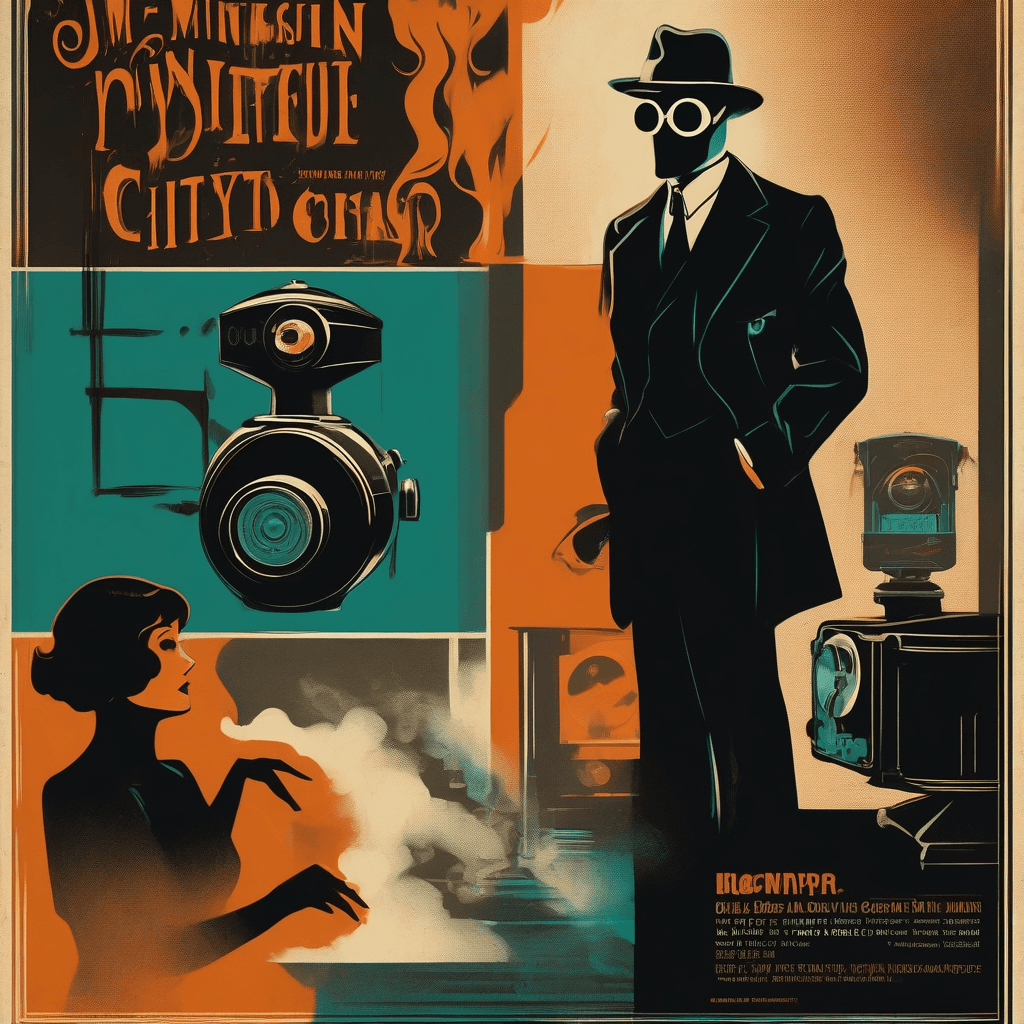
“A deep dive into the ancestral roots of cult cinema, exploring how early 20th-century narratives of rebellion, identity, and moral deviance forged the blueprint for modern niche devotion.”
To understand the modern phenomenon of cult cinema, one must look beyond the neon-soaked midnight screenings of the 1970s and peer into the flickering shadows of the early 20th century. Long before the term 'cult film' was coined, a clandestine spirit of rebellion was already brewing in the silent and early sound eras. This was an age where the medium was still defining its boundaries, and the most daring creators were already pushing against them. From the anarchist visions of the European underground to the gritty, transgressive Westerns of the American frontier, the foundations of niche devotion were laid in nitrate and silver.
The Anarchist Impulse and the Birth of Cinematic Subversion
One of the most potent ingredients in the cult cinema recipe is a healthy dose of anti-establishment fervor. We see this primal urge manifesting early in works like Die goldene Pest. This film, centered on an anarchist’s plot to flood the world market with artificial gold, serves as a proto-cult masterpiece. It didn't just tell a story of crime; it tapped into the deep-seated anxieties of an international crisis, reflecting a world on the brink of collapse. The figure of the anarchist—the ultimate outsider—became a recurring archetype for audiences who felt alienated by the burgeoning industrial machine.
This sense of societal friction is also evident in The Pride of New York, where the idle rich are forced to confront the harsh realities of World War I. When Harold Whitley attempts to dodge the draft through a marriage of convenience, the film subverts the traditional romantic hero trope. It presents a protagonist whose moral compass is spinning, a characteristic that would later define the anti-heroes of cult classics. These early films weren't afraid to portray the 'ugly' side of the human condition, a trait that immediately separated them from the polished, moralistic mainstream of the time.
Identity, Aphasia, and the Fractured Self
The Mask of the Other
Cult cinema has always been obsessed with the fluidity of identity. The idea that we are not who we seem to be is a cornerstone of transgressive storytelling. Take, for instance, The Lost Bridegroom. The narrative of a man suffering from aphasia who is coerced into robbing his own fiancée’s home is a surrealist nightmare that predates the psychological thrillers of the 1940s. It explores the fragility of the self and the ease with which one can be manipulated into becoming a 'deviant.' This theme of the 'fractured self' is what draws audiences to the fringe; it mirrors the internal struggles of those who don't fit into the societal mold.
Similarly, The Little Cafe offers a lighter but equally potent take on the double life. Max, a millionaire forced to live as a waiter due to a wager, embodies the class-based subversion that cult audiences adore. The 'waiter-as-millionaire' is a classic inversion of power dynamics, a theme that resonates through the history of cinema from the silent era to the modern day. It suggests that the roles we play in society are mere costumes, easily discarded or exchanged.
The Romantic Bandit and the Outlaw Ethos
The frontier has always been a breeding ground for cult iconography. The 'Western' wasn't just a genre; it was a space where the law was negotiable and the individual was sovereign. Films like Scarlet Days and The Jaguar's Claws introduced the world to the 'romantic bandit.' In Scarlet Days, the character of Alvarez, a raider of the California gold camps, represents the quintessential cult figure: the man who lives by his own rules but is ultimately capable of redemption through love. This duality—violence tempered by a hidden heart—is what makes these characters endure in the collective imagination.
In The Jaguar's Claws, we see the flip side of this coin. The bandit El Jaguar is a force of pure terror, yet the film's focus on the manager who replaces his predecessor out of fear highlights the psychological weight of the outlaw's presence. These aren't just 'bad guys'; they are symbols of a wild, untamable world that the 'civilized' characters are desperate to control. This tension between the wild and the domestic is a recurring motif in cult cinema, often manifesting as a rebellion against the domesticity of the suburban lifestyle.
Transgressive Morality and the Governess’s Dilemma
While many early films adhered to strict moral codes, others dared to explore the 'gray areas' of human behavior. Guilty of Love is a prime example of a film that tackled taboo subjects like premarital affairs and illegitimate pregnancy with a raw honesty that was rare for its time. Thelma Miller’s demand for marriage after her affair with Norris Townsend wasn't just a plot point; it was a challenge to the social hierarchies of the era. The governess, a figure of supposed moral rectitude, becoming a 'fallen woman' was a narrative choice that shocked and fascinated audiences in equal measure.
This exploration of moral deviance is also central to The Chosen Path. The story of Mary Willis leaving her family for the 'underworld' of the city, only for her daughter to be raised in a convent, creates a stark contrast between the sacred and the profane. The 'underworld roadhouse' becomes a character in its own right—a place of danger, excitement, and liberation. Cult cinema often finds its home in these 'liminal spaces,' places where the rules of polite society no longer apply.
The Surreal and the Supernatural: Chris and His Wonderful Lamp
Escapism as Rebellion
For the cult film devotee, cinema is a portal to another world. The early fantasy films provided a blueprint for the 'sacred weirdness' that would later define the genre. Chris and His Wonderful Lamp is a fascinating artifact in this regard. The story of a student who purchases an Oriental lamp, only to discover its magical properties, taps into the universal desire for a 'wonderful' escape from the mundane. The resistance to tutors and the embrace of the auction-house oddity reflect the cult audience's preference for the idiosyncratic over the institutional.
This thread of the uncanny is further woven into the fabric of early cinema through films like The Hypnotist and the short, strange visions of The Professor. Professor Bosco and his flea circus represent the ultimate fringe entertainment—a performance that is both absurd and deeply dedicated to its craft. The 'flea trainer' is a metaphor for the cult director: someone who works with the smallest, most overlooked elements of life to create something unexpectedly grand.
War, Apocalypse, and the Grand Scale of Devotion
If cult cinema is defined by its intensity, then The Four Horsemen of the Apocalypse is its high-water mark. This film didn't just depict war; it transformed it into a mythological event. The split between the French and German sides of an extended family provided a personal, agonizing lens through which to view the global conflict. The imagery of the Four Horsemen themselves—War, Famine, Pestilence, and Death—brought a gothic, apocalyptic sensibility to the screen that resonated with a generation traumatized by the Great War.
This grandiosity is a key component of the 'cult' experience. Whether it's the sweeping drama of Winners of the West documenting the trail-breaking expedition of 1849 or the high-stakes espionage of Madame Spy, these films offered a sense of scale that dwarfed the viewer. They demanded total immersion, a quality that is essential for the development of a devoted fandom. You don't just watch these films; you live within them.
The Outcasts and the Misfits: A Legacy of Inclusion
At its heart, cult cinema is a refuge for the outcast. We see this in The Royal Pauper, where a workhouse child finds solace in fairy tales and the company of an aged pauper. The 'Princess' is a character who refuses to accept her grim reality, choosing instead to project a world of wonder onto her surroundings. This 'pretending' is not a sign of weakness, but a radical act of defiance against the cruel female superintendent who ill-treats her.
This same spirit of defiance is found in the 'misfit' narratives of A Broadway Scandal and The Silent Partner. Whether it's Nenette Bisson joyriding in a stolen car or Jane Colby uncovering corporate dishonesty, these female protagonists are defined by their agency and their willingness to step outside the bounds of traditional 'ladylike' behavior. They are the spiritual ancestors of the 'final girls' and 'femme fatales' who would dominate the cult landscape in the decades to come.
Conclusion: The Perpetual Midnight
The films of the early 20th century, from A Fly in the Ointment to Love Everlasting, were more than just entertainment; they were the first tremors of a cultural earthquake. They introduced themes of moral ambiguity, psychological depth, and visual experimentation that would eventually coalesce into the cult cinema we know today. By exploring the fringes of society and the depths of the human psyche, these early pioneers created a language of 'otherness' that continues to speak to us.
The 'midnight mindset'—that craving for the unconventional, the transgressive, and the beautiful—did not begin in a 1970s grindhouse. It began in the silent rooms and the flickering nitrate of the 1910s and 20s. As we look back at films like The Club of the Black Mask or The Ruse of the Rattler, we aren't just seeing history; we are seeing the birth of our own obsessions. The celluloid outlaw’s creed remains the same: to find the truth in the shadows, and to celebrate the beauty of the fringe.
Community
Comments
Log in to comment.
Loading comments…