
Cult Cinema
The Cinematic Heretic’s Handbook: Unveiling the Transgressive Soul of Early Genre Defiance

“Explore the primal roots of cult cinema through the lens of early 20th-century outliers that defied convention and birthed the midnight movie spirit.”
The term "cult cinema" often conjures images of neon-soaked 1970s grindhouses or the midnight madness of the 1980s, but the true DNA of the cinematic outlier was spliced much earlier. Long before the term was codified by critics, a rogue gallery of films challenged the moral, social, and narrative boundaries of their time. These were the heretics of the silver screen—works that didn't just entertain but provoked, confused, and captivated a niche audience through sheer eccentricity. To understand the modern cult phenomenon, we must look back at the early century’s fringe, where the alchemy of transgressive storytelling and genre mutation first began to bubble.
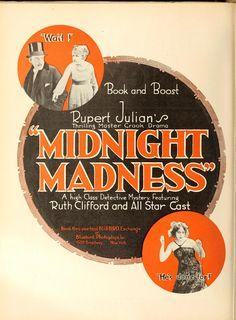
The Alchemists of the Silent Screen: Science and Sorcery
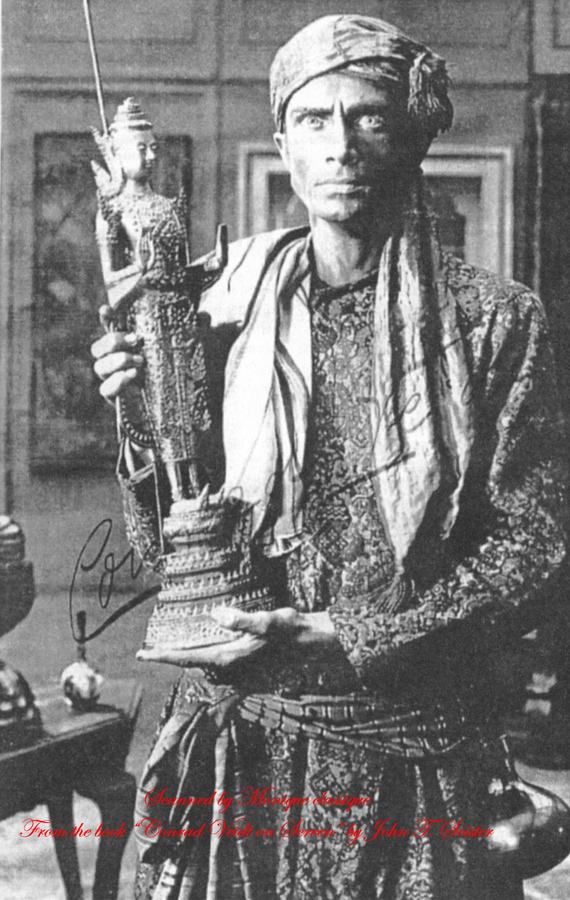
At the heart of early cult appeal lies the fascination with the impossible and the macabre. Consider the 1915 curiosity Life Without Soul. While modern audiences flock to various iterations of the Frankenstein mythos, this early adaptation offered a visceral, albeit silent, exploration of the disastrous results of giving life to a statue. It captured a primal fear of the artificial that resonates in every sci-fi cult classic that followed. Similarly, the bizarre concoction of Melchiad Koloman represents a peak in early genre-bending. In a narrative that feels like a fever dream, it brings together a mad scientist, an Indian fakir, and a Japanese conman in a desperate bid to resurrect a dead alchemist. This is the quintessence of the cult aesthetic: a collision of disparate cultures and high-concept absurdity that defies the polished logic of mainstream studio output.
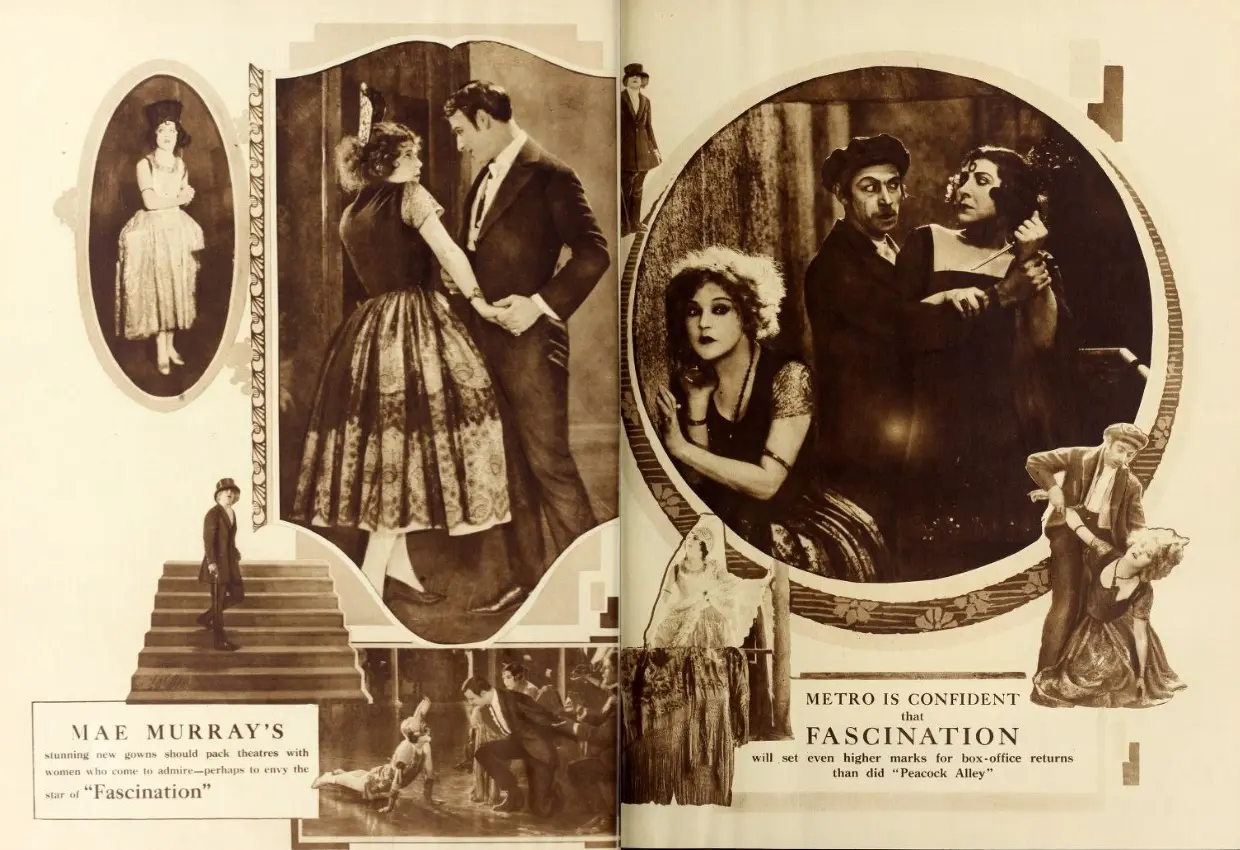
The Gothic Heart of Horror and Sci-Fi
These films functioned as the primordial soup for horror and science fiction. The obsession with eternal life, as seen in the action-packed serial The Dragon's Net, where characters hunt for golden lotus leaves holding the secret to immortality, laid the groundwork for the quest-driven narratives of later cult epics. These weren't just stories; they were myth-making exercises that invited the viewer into a secret world of arcane knowledge and forbidden science. The visual language of these films—shadowy laboratories and ancient artifacts—became the shorthand for the cinematic underground.
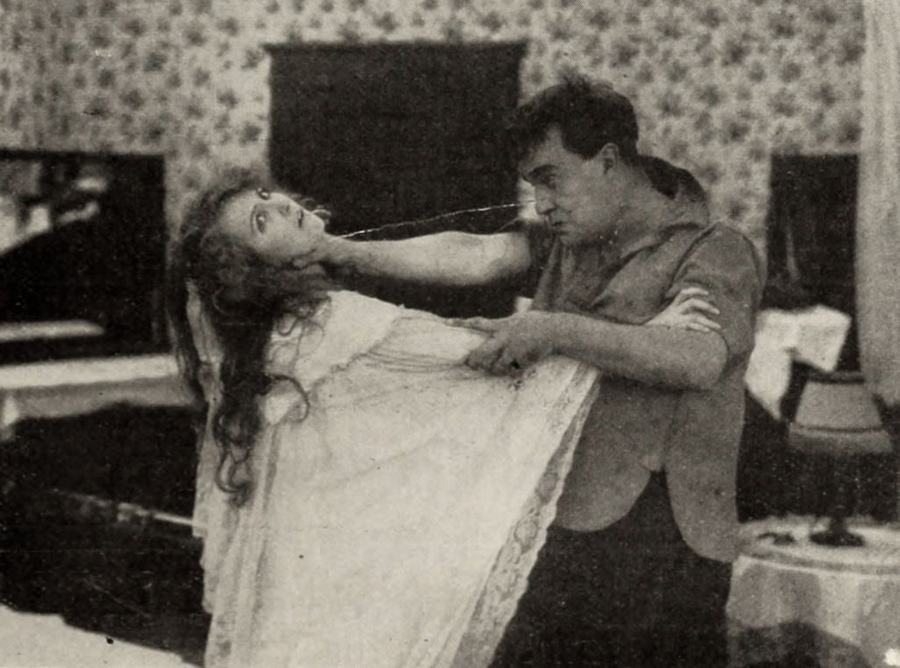
Domestic Shadows: The Transgressive Family Unit
Cult cinema has always been a mirror for social anxieties, and early cinema used the family unit as its primary site of transgression. Satan's Private Door presents a title far more provocative than its domestic drama might suggest, yet the content is a scathing indictment of social neglect. By depicting a household divided against itself—a drunkard son, a social butterfly daughter, and a father in isolation—it touched on the rot beneath the gilded surface of society. This tradition of exposing the "hidden room" of the respectable home is a hallmark of cult narratives that seek to deconstruct the status quo.
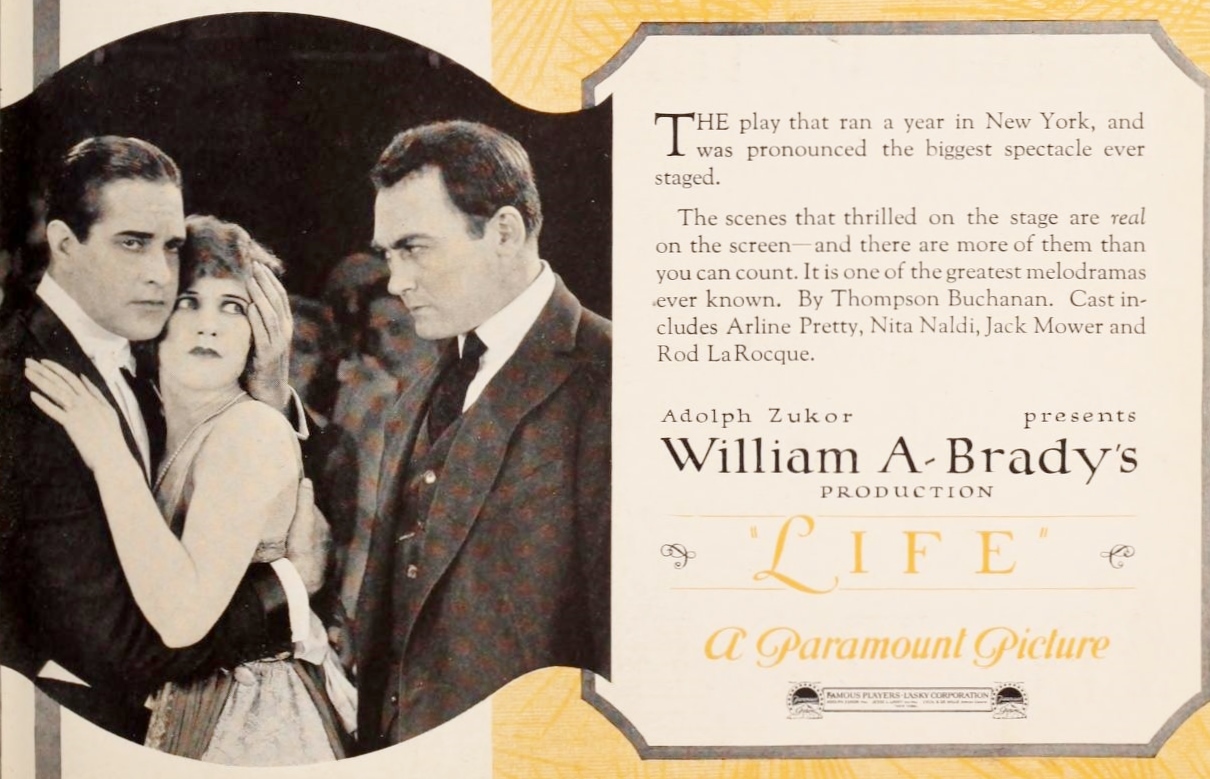
Moral Misfits and Tainted Genes
Perhaps no film in this era captures the cult-like obsession with taboo topics better than Married in Name Only. The plot revolves around a man who refuses to consummate his marriage because his mother reveals a family history of insanity, leading him to believe he possesses "tainted genes." This focus on hereditary madness and the fear of biological destiny is a recurring theme in the cult movie soul. It taps into the eugenics-adjacent anxieties of the early 20th century, presenting them with a melodramatic intensity that mainstream cinema often avoided. Similarly, At Piney Ridge and Princess of the Dark delved into the squalor of mining towns and the consequences of abandoned virtue, creating a gritty, atmospheric predecessor to the social-realist cult films of later decades.
The Urban Jungle and the Social Outcast
The figure of the "hoodlum" or the social pariah is central to the cult identity. In The Hoodlum, a spoiled rich girl is thrust into the slums, forced to survive among the very people she once looked down upon. This narrative of class inversion and survival in the "alleys" of the city provides a blueprint for the gritty urban dramas that would eventually populate midnight screenings. The city is portrayed not as a place of opportunity, but as a dangerous labyrinth where one must shed their former self to survive. This theme is echoed in Face Value, where a runaway becomes a cashier and is eventually forced into a life of crime by her past associations. These films celebrate the resilience of the outcast, a core tenet of rebel fandom.
The Allure of the Underworld
The criminal underworld of early cinema was populated by figures who were as much victims of circumstance as they were villains. The Bait (1921) uses the trope of the "honey trap" to explore blackmail and betrayal, while Big Jim Garrity deals with the insidious spread of cocaine in mining communities. These films dared to show the darker impulses of humanity, often with a moral complexity that left audiences questioning the traditional hero/villain binary. This moral ambiguity is exactly what draws cult audiences; they seek the truth in the shadows rather than the comfort of the light.
Narrative Anarchy: When the Mundane Becomes Bizarre
Sometimes, the most enduring cult films are those that take a simple premise and push it to an absurd extreme. Hole in the Wall is a perfect example: a petty feud between neighbors involving a garden hose escalates into a full-scale riot involving the janitor and a squad of police. This kind of narrative escalation—the sense that the world is spiraling out of control—is a recurring motif in cult comedy. It reflects a chaotic worldview where the thin veneer of civilization can be punctured by the smallest of annoyances.
The Eccentricity of the Everyman
Consider the strange charm of Boots, where a servant girl’s addiction to melodramatic romance novels leads her to uncover a Bolshevik plot. It is a bizarre blend of class commentary, romantic fantasy, and political thriller. Or Shot in the Dumbwaiter, which turns a simple apartment living situation into a slapstick crime drama. These films find the extraordinary in the ordinary, a quality that allows them to resonate with viewers who feel out of step with the world around them. Even early international satires like Bilet Ferat, which mocks the colonial elite in India, show that the spirit of the cinematic rebel was a global phenomenon, fueled by a desire to lampoon the self-important and the traditional.
The Psychological Maze: Split Personalities and Silent Screams
The internal world was just as fertile ground for early cult cinema as the external one. Dusk to Dawn explored the concept of the split personality long before it became a staple of the psychological thriller. By visualizing the fractured psyche, these films invited audiences to experience the world through a distorted lens. The Gray Horizon used the struggle of a Japanese artist in America to explore themes of identity and integrity, while Spiritismo used a ghostly deception to navigate the treacherous waters of adultery and forgiveness. These weren't just dramas; they were psychological puzzles that required the viewer’s active engagement—a key ingredient in the formation of a devoted fandom.
The Legacy of the Outlier
Why do we continue to return to these flickering remnants of the past? Because they represent a time when the rules of cinema were still being written. Films like The Crimson Dove, which paired a minister with a stage star, or Turn to the Right, which blended rural drama with comedy, were experiments in tone and genre that paved the way for the fearless filmmaking of the modern era. They remind us that the most powerful cinema often happens at the margins, where the "misfits" and the "outcasts" are free to dream without the constraints of the mainstream marquee.
In the end, the history of cult cinema is a history of rebellion. Whether it was the action-heavy thrills of Der Meisterschuß or the tragic romance of The World's a Stage, these films proved that there would always be an audience for the unconventional. They are the ancestral voices of the midnight movie, the silent pioneers who dared to walk through Satan's Private Door and invite us to follow them into the dark. As we look at the vast archive of early film, from the historical scale of Famous Battles of Napoleon to the intimate tragedy of A senki fia, we see the foundation of a culture that values the unique, the strange, and the unyielding power of the maverick vision.
Community
Comments
Log in to comment.
Loading comments…