
Cult Cinema
The Cinematic Outlier: Tracing the Genetic Rebellion of Early Film’s Original Misfits and Midnight Mavericks
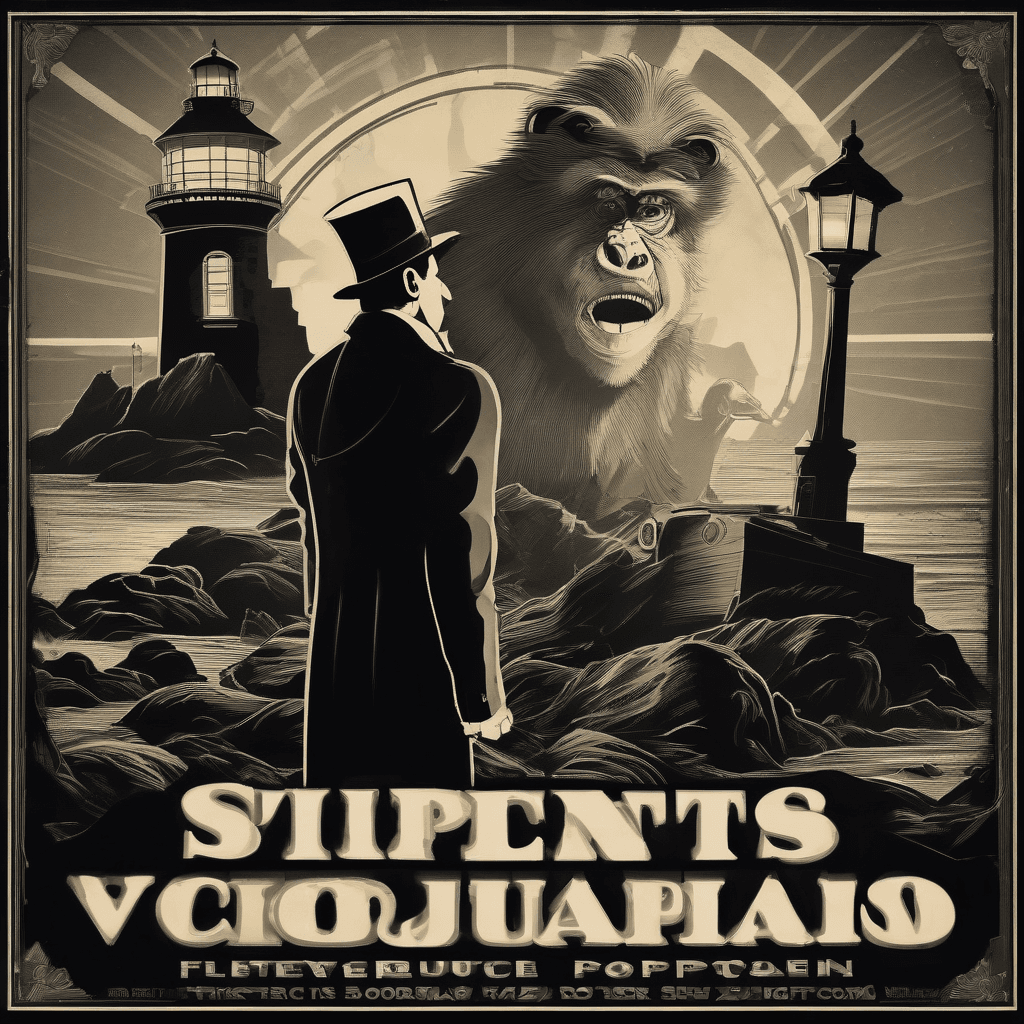
“An in-depth exploration of how the silent era's most transgressive and eccentric films paved the way for modern cult cinema's obsession with the weird and the wonderful.”
The term cult cinema often conjures images of the 1970s: midnight screenings of drag queens in space, psychedelic horror, or high-octane camp. However, the true architecture of the cult mindset—the fascination with the marginalized, the bizarre, and the narratively defiant—was engineered in the flickering nitrate of the early 20th century. Long before the term 'midnight movie' was coined, the silent era was producing works that challenged the status quo, experimented with social taboos, and embraced a level of visual eccentricity that remains startling today.
The Genesis of the Cinematic Rebel
In the early decades of film, the medium was a wild frontier. Without the rigid oversight of the Hays Code or the formulaic demands of the later studio system, directors were free to explore the darker corners of the human experience. We see this early defiance in The Man Trap, where a reporter languishes in prison after being framed by corrupt officials. This narrative of the 'wronged man' seeking vengeance is a primal archetype of cult cinema, reflecting a deep-seated distrust of authority that would later define the noir and vigilante genres. The film's focus on the systemic rot within the police force and the media was a radical stance for its time, marking it as an early ancestor of the transgressive political thriller.
Similarly, The Undercurrent (1919) tackled the post-war disillusionment of soldiers returning to a society that had no place for them. By highlighting the struggle of a veteran turned machine shop worker who becomes 'prey,' the film tapped into a vein of social realism that the mainstream often preferred to ignore. This focus on the industrial underdog is a recurring theme in the cult canon, resonating with audiences who feel alienated from the gleaming promises of the American Dream.
The Aesthetics of the Absurd
Perhaps the most defining characteristic of cult cinema is its embrace of the 'weird.' In the silent era, this often manifested as narrative choices that defy logic or genre conventions. Take, for instance, Beresford and the Baboons. The premise—the son of an Earl raised by baboons who teach him mining engineering—is a masterclass in the kind of high-concept absurdity that fuels modern cult devotion. It predates the Tarzan craze while adding a layer of technical surrealism that is almost Dadaist in its execution. For the cult enthusiast, such a film is a treasure trove of the unexpected, a piece of primitive weirdness that refuses to be categorized.
Comedy shorts of the era also contributed to this legacy of the absurd. Films like The Latest in Pants, You'll Be S'prised, and Chicken a la King utilized slapstick not just for laughs, but as a form of visual anarchy. These shorts broke the rules of physics and social decorum, providing a blueprint for the transgressive humor of later cult icons. They represent a time when the screen was a laboratory for the impossible, and the audience was invited to revel in the breakdown of order.
Gender, Trauma, and the Subversive Lead
Cult cinema has always been a sanctuary for unconventional protagonists, particularly women who refuse to fit the 'damsel in distress' mold. Mary Pickford, often remembered for her 'America's Sweetheart' persona, showed a much darker and more resilient side in The Love Light. As a lighthouse keeper in war-torn Italy, her character deals with profound loss and betrayal, navigating a landscape of tragedy that is far removed from the breezy romances of the era. The film's atmospheric isolation and focus on a woman’s psychological endurance make it a precursor to the 'lonely woman' subgenre of cult drama.
Another example of the feisty, independent spirit can be found in M'Liss (1918). The character of M'liss is a 'feisty young girl' in a mining camp who must fight against a lynching mob to save her lover. This blend of frontier grit and moral defiance creates a protagonist who is both an outsider and a hero—a central pillar of the cult ethos. These films provided a space for complex female agency long before it was a mainstream requirement, speaking to a 'fringe' audience that valued subversion over sentimentality.
Visual Poetry and the Urban Underground
While narrative transgression is key, the visual language of the cult film often borders on the avant-garde. The 1921 short Manhatta is a primary example. As a documentary that captures the 'majesty' of New York City through its skyscrapers and harbors, it eschews traditional storytelling in favor of pure visual rhythm. For cinephiles, Manhatta represents the birth of the 'city symphony,' a genre that remains a staple of underground and experimental film festivals. Its focus on the geometry of the modern world and the dwarfing of the individual within the machine of the city is a hauntingly beautiful theme that continues to resonate.
Contrast this with the atmospheric dread of Mysteries of London or the shadowy intrigue of The Mystery of the Black Pearl. These films utilized the limitations of early lighting to create a sense of 'silent noir.' The use of high-contrast shadows and urban decay created a world that felt dangerous and alluring—the exact environment where the midnight movie thrives. This aesthetic of the 'shadow-world' is essential to the cult experience, offering a visual retreat into the mysterious and the macabre.
The Moral Grey Zone: Villains and Outcasts
Cult cinema rarely deals in black-and-white morality. Instead, it thrives in the grey areas inhabited by characters like those in Anton the Terrible or the renegade soldiers in Captain Courtesy. In the latter, we see American settlers in 1840s California fighting against Mexican marauders, but the presence of an 'American renegade' adds a layer of internal betrayal and complexity. The fascination with the 'renegade'—the person who abandons their own kind for a different cause—is a recurring motif in cult stories about identity and belonging.
Even in the realm of family drama, the silent era wasn't afraid to get weird. A Rag Doll Romance features a three-year-old girl whose primary caretaker is 'Pal the Dog.' This bizarre domestic arrangement, while played for comedy, highlights the era's willingness to experiment with the 'unnatural' or the unconventional family unit. It is this very 'strangeness' that makes these films so appealing to modern collectors of the obscure. They represent a moment in time before the 'rules' of cinema were fully written, allowing for a level of creative anarchy that feels incredibly fresh.
The Enduring Legacy of the Nitrate Fringe
The 50 films discussed here—from the amnesiac logging camp drama of The Girl from Nowhere to the Klondike gold rush treachery of Carmen of the Klondike—represent a lost continent of cinematic history. They are the 'genetic mutations' that eventually birthed the modern cult obsession. When we watch Who Am I?, a drama about a girl inheriting a gambling palace, we are seeing the prototype for the 'bad girl' or 'gambling queen' tropes that would later populate drive-in theaters across the world.
The reason these films endure in the hearts of cultists is not just their age, but their spirit. They were often 'misfit' productions—low-budget, experimental, or aimed at niche audiences (like Ireland, a Nation, which targeted a specific patriotic sentiment). They were the 'outsiders' of their day, much like the films of John Waters or Alejandro Jodorowsky were in theirs. By unearthing these silent-era anomalies, we gain a deeper understanding of why we are still drawn to the fringe. We are looking for that primal flicker of rebellion, that moment when the screen shows us something we weren't supposed to see, or something we didn't know could exist.
As we navigate the polished, algorithm-driven landscape of modern entertainment, the raw energy of The Man Trap or the surrealist engineering of Beresford and the Baboons serves as a reminder that cinema is at its best when it is a little bit dangerous, a little bit weird, and entirely unapologetic. The silent era didn't just give us film; it gave us the cult soul—a legacy of transgression that will continue to haunt the midnight screens for generations to come.
Community
Comments
Log in to comment.
Loading comments…