
Cult Cinema
The Celluloid Outlaw’s Symphony: Decoding the Primal Rebellion and Niche Devotion of Cinema’s Original Misfit Wave
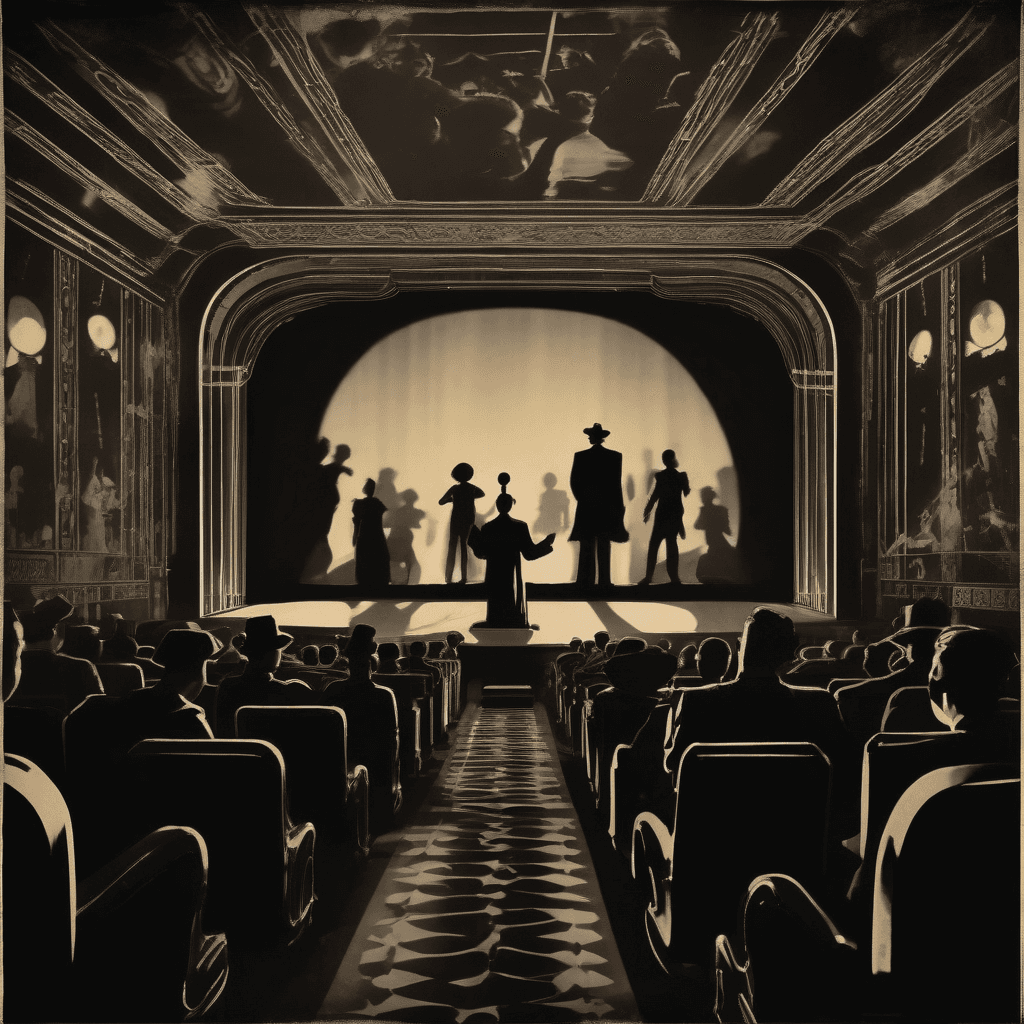
“A deep-dive editorial into how the transgressive narratives and moral anomalies of the early 20th century provided the genetic blueprint for modern cult cinema obsession.”
Cult cinema is not merely a category of film; it is a sacred pact between the screen and the spectator. While mainstream blockbusters seek the broad approval of the masses, the cult film thrives in the shadows, fueled by the fanatical devotion of a few who see what others refuse to look at. To understand the modern midnight movie, one must look back to the era of the silent fringe—a time when the rules of narrative were being written and, more importantly, being broken. From the dusty trails of the Western to the stylized biopics of antiquity, the roots of our current obsession with the 'weird' and the 'transgressive' were planted over a century ago.
The Archetype of the Moral Maverick
At the heart of every cult classic lies an outsider, a figure who operates on the periphery of polite society. In the 1917 classic The Man from Montana, we see the blueprint of the vigilante hero in Duke Farley, a man who must venture East to reclaim justice through unconventional means. This sense of the 'outlaw' spirit is a foundational pillar of cult cinema. It’s the idea that the system is broken, and only a rogue agent can fix it. This theme is echoed in The Figurehead (1920), where the political machinery of Bolton is exposed as a hollow charade, and the 'figurehead' mayor becomes a vessel for exploring the corruption of the elite. Cult audiences have always gravitated toward these stories of systemic defiance because they mirror the viewer’s own sense of alienation.
Consider the narrative weight of Homespun Folks (1920). When Caleb Webster turns his son Joel out for the crime of becoming a 'fool lawyer,' we aren't just watching a family drama; we are witnessing the clash between traditional rigidity and the evolving modern mind. This tension—the friction between the old world and the new—is where cult cinema finds its friction. The 'maverick' isn't just a character; it is a state of being that defines the very films we choose to canonize in our midnight rituals.
The Architecture of Social Transgression
Cult cinema is often defined by its willingness to touch the third rail of social taboo. Long before the 'shocker' films of the 1970s, the silent era was already dissecting the complexities of divorce, abduction, and moral failure. In Divorced (1915), the narrative of a woman led astray by a 'stage siren' and her subsequent struggle for redemption provides a raw, unfiltered look at the consequences of social shame. Similarly, The Bride of Hate (1917) explores the dark corners of abduction and the desperate measures taken to preserve 'honor' in the face of tragedy. These are not comfortable stories, and that is precisely why they endure.
The cult gaze is a gaze that refuses to look away from the 'unseemly.' In Ukrizovaná (The Crucified, 1921), the imagery of a woman crucified during a pogrom and the subsequent life of her illegitimate child creates a visceral, haunting experience that transcends standard melodrama. It is this primal transgression—the mixing of the sacred and the profane—that cements a film's status as a cult object. When a film like The Black Crook (1916) mixes romance with dungeons and a 'Black Crook' alchemist, it signals to the audience that they are entering a space where the normal rules of reality no longer apply.
Visual Anarchy and Stylized Realities
If the narrative of cult cinema is about rebellion, its visual language is about anarchy. The move toward highly stylized aesthetics is a hallmark of the genre. Look no further than Giuliano l'apostata (1919), a biopic of the last pagan Roman Emperor that uses stylization to elevate historical fact into something approaching mythic fever-dream territory. By rejecting pure realism, these films invite the audience into a subjective, often hallucinatory world. This visual defiance is also found in the short-form experimentation of the era. Felix Comes Back (1922) takes a simple premise—a cat chasing sausages—and turns it into an Arctic odyssey of the absurd. The cult mind loves the absurd because it challenges the logic of the mundane.
In films like Tough Luck (1923), the use of superstitions—broken mirrors, black cats, and cross-eyed men—creates a world governed by fate and misfortune rather than cause and effect. This sense of a 'cursed' reality is a recurring trope in cult cinema, from the noir-drenched alleys of the 1940s to the cosmic horror of the modern day. The visual 'weirdness' of the early century, from the shuttered windows of The Road o' Strife (1915) to the secret observation towers in The Carter Case (1919), built the vocabulary of suspense that we still use today to identify the 'strange' in cinema.
Genre Alchemy: The Birth of the Hybrid
One of the most potent ingredients in the cult movie recipe is genre mutation. Cult films rarely stay within the lines of a single genre; they are chimeras, blending elements of horror, mystery, comedy, and drama into something unrecognizable. The Alibi (1916) begins as a bank drama but quickly descends into a psychological study of guilt and confession. Number 99 (1920) mixes the prison escape thriller with high-society drama, as an unjustly imprisoned man hides in a limousine on a neighboring estate. This blurring of lines creates a sense of unpredictability that keeps the 'cult' viewer engaged.
We see this alchemy again in Mathias Sandorf (1921), where carrier pigeons, code messages, and unscrupulous bankers turn a standard adventure into a complex web of espionage. Even the Western, often considered the most rigid of genres, was being subverted. Clutch of the Law (1918) and The Barbarian (1921) took the frontier setting and injected it with themes of 'purity of the wilderness' versus the 'evils of civilization,' a philosophical bent that would later define the 'acid Westerns' of the 1960s.
The Fandom of the Forgotten
Why do we obsess over these 'forgotten' reels? Why does a film like Bolla di sapone (1921) or Enis Aldjelis, die Blume des Ostens (1920) hold more weight for some than the year's top-grossing movie? It is because cult cinema is a treasure hunt. To find a film like Arsena Jorjiashvili (1921), which depicts the revolutionary uprising of Georgian laborers, is to find a piece of a hidden history. Cult cinema offers a counter-narrative to the sanitized version of the past often presented by mainstream institutions.
The devotion of the cult fan is rooted in the act of curation as rebellion. By choosing to celebrate The Son of Democracy (1918) or the obscure documentary short The Isle of Desire (1917), the viewer is building a personal mythology. This is the same impulse that drives people to midnight screenings of 'The Rocky Horror Picture Show' or 'The Room.' It is the desire to belong to a community that values the 'other.' The early century gave us the 'Hen' Pecks of He Couldn't Fool His Wife (1917) and the jewel-bedecked mysteries of Hearts or Diamonds? (1918), providing a cast of characters that were too strange for the mainstream but perfect for the burgeoning underground.
The Eternal Midnight: A Legacy of Shadows
As we look at the landscape of modern cinema, the influence of these early 'outcast' narratives is everywhere. The 'secret formulas' of The Carter Case have evolved into the MacGuffins of modern thrillers. The 'dying father's confession' in The Alibi is the ancestor of every gritty crime drama. The 'stage sirens' and 'wayward nieces' of Divorced and The Bride of Hate paved the way for the complex, often morally ambiguous anti-heroes of the modern age.
Cult cinema remains the beating heart of the film world because it is the only place where true experimentation can occur. It is a space where a film like Manon Lescaut (1914) can explore the tragic conflict between religious duty and romantic obsession without needing to provide a happy ending. It is where The Blue Mouse (1919) can play with the embarrassments of marital difficulty for comedic effect, and where Nearly Married (1917) can turn a wedding delay into a meditation on familial loyalty.
In the end, the 'Cult' is not about the quality of the film in a traditional sense. It is about the resonance. It is about finding a film that speaks a language only you and a few others understand. Whether it is the 'lonely house with shuttered windows' in The Road o' Strife or the 'busy bee mine' in The Man from Montana, these films offer us a window into a different way of seeing. They are the celluloid outlaws that refused to follow the trail, and in doing so, they created a map for all the midnight rebels who would follow.
As we continue to dig through the archives, unearthing gems like Poludevy (1919) or the high-speed thrills of Speed (1917), we are not just looking at history. We are participating in a living, breathing tradition of subversion. The cult movie soul is eternal, flickering in the darkness, waiting for the next devoted disciple to hit 'play' and join the ranks of the cinematic underground.
Community
Comments
Log in to comment.
Loading comments…