
Cult Cinema
The Alabaster Anarchy: Unearthing the Primal Transgressions and Moral Deviance of the Silent Era's Forgotten Outcasts
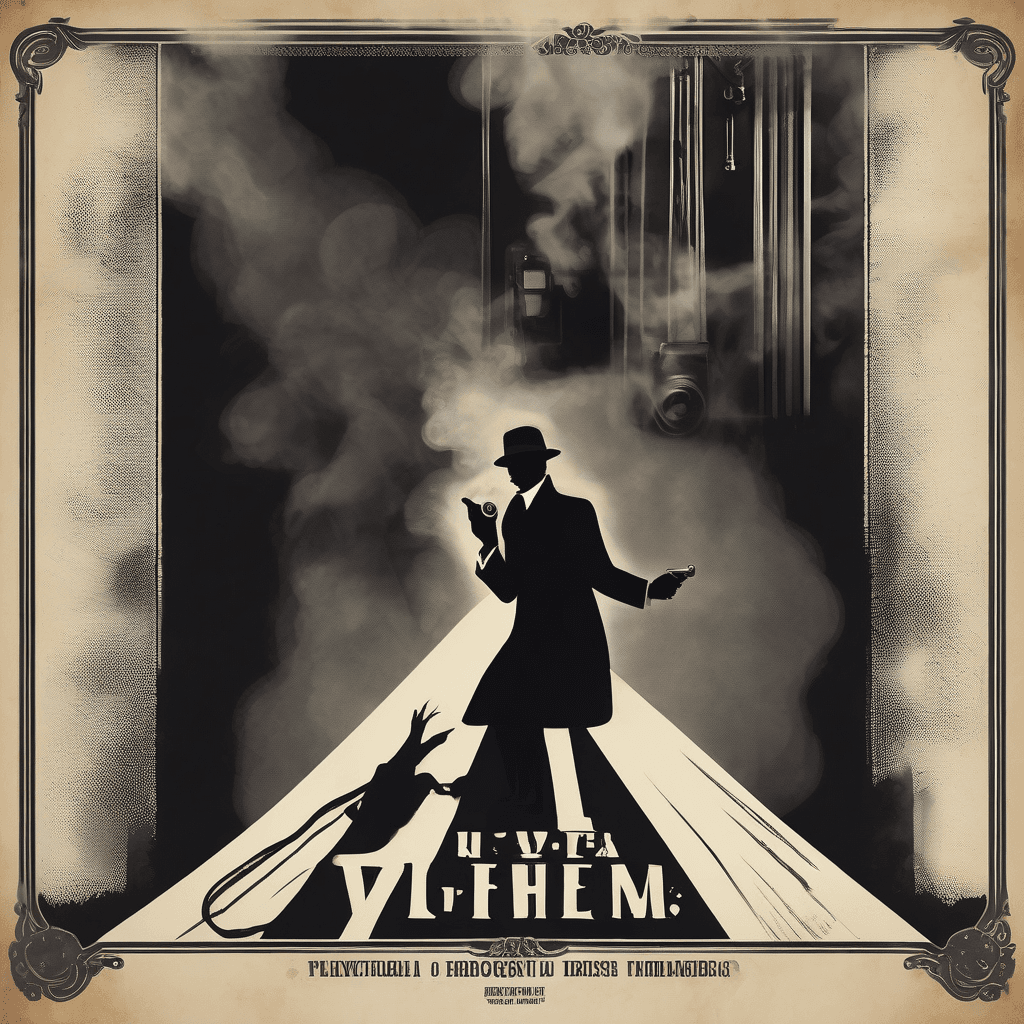
“A deep dive into the transgressive roots of cult cinema, exploring how the silent era's moral outcasts and genre-defying narratives engineered the modern midnight movie psyche.”
When we think of cult cinema, our minds often drift to the neon-soaked streets of the 1970s or the transgressive body horror of the 1980s. However, the true DNA of the midnight movie was spliced long before the advent of sound. The silent era was not merely a time of slapstick and melodrama; it was a fertile ground for what we might call Alabaster Anarchy—a period where the fringe of the film industry experimented with moral deviance, social subversion, and visual rhythms that would eventually define the cult aesthetic. To understand the modern obsession with the 'weird,' we must look back at the outcasts of the 1910s and 20s, the films that dared to look into the shadows of the human psyche.
The Forger’s Shadow: Identity and Deception in Early Narrative
One of the most compelling archetypes in early cult-adjacent cinema is the master of deception. Take, for instance, the narrative of Jim the Penman. On the surface, it is a tale of a bank teller with a talent for forgery, but beneath the plot lies a deep-seated anxiety about the fluidity of identity. Jim uses his skills to forge a check to save the father of his beloved Nina, only to be trapped by a shady character. This theme of the secret life—the idea that our skills can both liberate and enslave us—is a cornerstone of the cult ethos. It mirrors the way cult audiences often feel like they possess a 'secret knowledge' that the mainstream ignores.
Similarly, Velvet Fingers presents us with a gentlemanly crook of astonishing resourcefulness. This isn't just an adventure; it's an early exploration of the anti-hero. Cult cinema thrives on characters who operate outside the law but within a personal code of honor. The resourcefulness of 'Velvet Fingers' prefigures the slick, capable outlaws of modern heist films, proving that the fascination with the 'charming deviant' is as old as the celluloid itself.
The Red Light and the Reformer: Social Transgression as Spectacle
The roots of exploitation cinema—a major branch of the cult tree—can be found in the social 'problem' films of the 1910s. Who's Your Neighbor? is a prime example. By focusing on reformers passing laws to force prostitutes out of the Red Light District, the film navigated a thin line between moralizing and voyeurism. This 'forbidden' subject matter is exactly what drew audiences to the fringes. It wasn't just about the message; it was about seeing the world that the polite society of the time wanted to keep hidden.
We see a different kind of social rebellion in Please Help Emily. Emily Delmar, the stubborn protagonist who sneaks out to a nightclub and ends up spending the night at a man's apartment because she forgot her keys, represents the early 'wild girl' archetype. This defiance of domestic expectations resonates with the 'wild adventures' seen in The Wild Strain, where Winifred Hollywood’s fondness for adventure disturbs her illustrious family tree. These films were the ancestors of the 'rebel without a cause,' capturing a primal urge to break free from the stifling constraints of the era's social hierarchies.
The Architecture of Vertigo and Disaster
Cult cinema is often defined by its 'limit-pushing' visuals. Long before the CGI spectacles of today, films like The Juggernaut used practical effects to create a sense of visceral dread. The drama of preventing a train from falling from a damaged bridge provided a primitive blueprint for the disaster genre. But it is in the smaller, more eccentric stunts that the cult spirit truly shines. Look Out Below, with its protagonists riding steel beams to the top of skyscrapers overlooking Los Angeles, captured the terrifying thrill of urban expansion. This 'vertigo' aesthetic—the feeling of being on the edge—is a recurring motif in cult films that seek to unsettle the viewer's sense of physical safety.
The Wilderness of the Soul: Northern Gothic and Racial Tension
The 'Silent North' provided a backdrop for some of the era's most intense psychological dramas. In Jacques of the Silver North and Out of the Silent North, the remote Canadian trading post becomes a pressure cooker for forbidden desires and racial anxieties. Jacques, described as a 'half-breed' whose love can only be shown in friendship, reflects the tragic 'outsider' status that cult cinema frequently explores. These films used the harsh, unforgiving landscape as a mirror for the internal struggles of their characters—a technique later perfected by noir and psychological thrillers.
In the northwestern wilderness of Alaska, Paid in Advance takes this further, showing an innocent girl falling into the clutches of evil men in the gold fields. This narrative of innocence corrupted by greed and isolation is a primal story, one that echoes through the decades into the 'grindhouse' era. The wilderness in these films isn't just a setting; it's a character that strips away the veneer of civilization, revealing the raw, often ugly, truth of human nature.
The Luring Eyes: The Power of the Femme Fatale
No exploration of the cult archetype is complete without the sensuous charmer. Il processo Clémenceau introduced audiences to Iza, a woman whose 'luring eyes' captivate princes and artists alike, leading to 'immense faith' and 'desperate misery.' This is the genesis of the cinematic femme fatale. The film’s focus on the destructive power of beauty and the 'desperate misery' of the man who loves her is a recurring theme in cult noir. It suggests that some desires are so powerful they are inherently transgressive, leading the protagonist down a path of inevitable ruin.
Moral Ambiguity and the Divine: The Preacher and the Sinner
Cult cinema often takes a sledgehammer to religious hypocrisy. In Whispering Devils, a puritanical minister’s crusade against immorality is exposed as a sham when he forces a parishioner to confess a sin he himself is complicit in. This subversion of the 'holy man' archetype is a powerful tool in the cult arsenal. It challenges the audience to question authority and look for the 'devils' whispering behind the pulpit. Similarly, The Man Who Couldn't Beat God explores the limits of human endurance and the consequences of class-based violence, as a gardener's son kills his wealthy tormentor. These films didn't offer easy answers; they offered a mirror to a society that was often as cruel as it was pious.
Even the more 'traditional' historical epics of the time carried seeds of cult obsession. Quo Vadis?, with its depiction of decadent Rome and the tyrannical leadership of a despot, provided a spectacle of excess that would influence everything from 'sword and sandal' epics to the campy historical fantasies of the 60s. The tension between the 'pure' Christians and the 'decadent' Romans offered a binary that cult filmmakers would later flip on its head, often siding with the decadence over the dogma.
The Surreal and the Dreamlike: Marionettes and Blind Barbers
Perhaps the most 'cult' element of early cinema is its occasional dip into pure surrealism. Marionetten tells the story of a puppeteer who dreams his protagonists—Pulcinello, Pierrot, and Pierette—have stolen his money. This dream-logic, where the inanimate becomes animate and the boundaries of reality blur, is the very essence of the 'weird' film. It taps into a subconscious fear of loss of control, a theme that resonates deeply with cult audiences.
Then there are the bizarre, almost inexplicable narratives like You're Next, which features a blind barber. The sheer oddity of the premise—a man performing a task requiring sight while being unable to see—creates a tension that is both comedic and unsettling. It is this 'strangeness for strangeness' sake' that often signals the birth of a cult classic. It defies the logic of mainstream storytelling, opting instead for a singular, often baffling, vision.
The Legacy of the Outcast
As we trace the lineage from The Unfortunate Marriage—with its warnings from a 'half-witted' girl and forced unions—to the psychological depth of The Mortal Sin, where a struggling author’s work mirrors his own life, we see a pattern emerging. The silent era was obsessed with the genetic blueprint of tragedy and the 'wild strain' of human behavior. Films like Mary Regan, where a daughter fears her father’s criminal legacy, explored the idea that we are haunted by the ghosts of our ancestors—a quintessentially gothic and cultish sentiment.
The Alabaster Anarchy of the early 20th century was not a quiet prelude; it was a loud, messy, and deeply creative explosion of ideas. Whether it was the multi-camera technical innovation of Defense of Sevastopol or the simple, heartbreaking drama of One Man in a Million, these films were building the foundation of what it means to be a 'maverick' in the world of cinema. They were the original outliers, the films that didn't quite fit, and in their refusal to be ordinary, they birthed the enduring soul of cult obsession.
Today, when we watch a midnight movie, we are seeing the echoes of The Hidden Pearls, The Spanish Jade, and The Silver Girl. We are participating in a tradition of seeking out the 'hidden,' the 'pearls' buried in the sand of film history. The silent era’s moral deviants and genre rebels are still with us, their flickering images continuing to command our devotion and remind us that the most powerful stories are often found in the shadows of the alabaster screen.
Community
Comments
Log in to comment.
Loading comments…