
Cult Cinema
The Cinnabar Covenant: Decoding the Silent Era’s Moral Outcasts and the Primal Blueprint of Cult Devotion
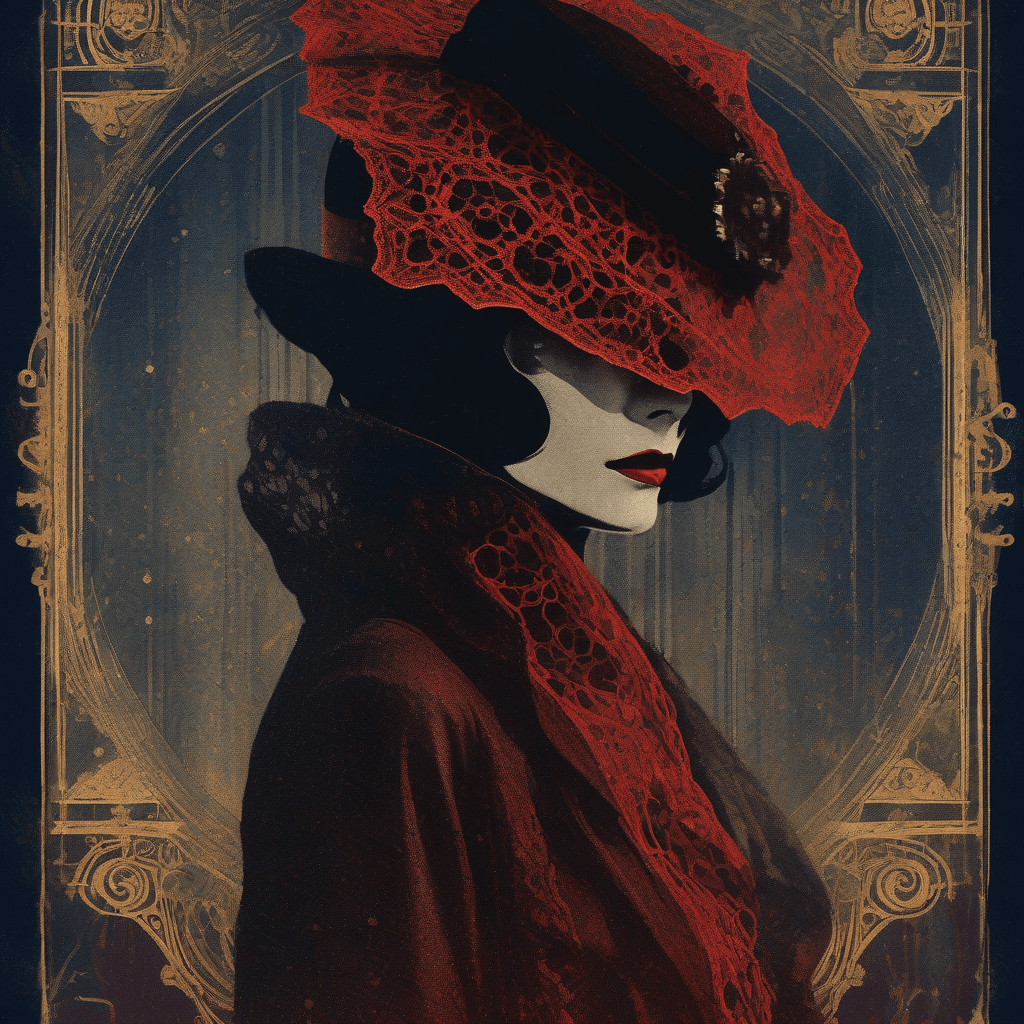
“An exploration into how the early 20th century's most transgressive and experimental films created the genetic blueprint for modern cult cinema fandom.”
The genesis of cult cinema is often mistakenly attributed to the midnight movie craze of the 1970s, yet the true architecture of the transgressive, the weird, and the fanatically beloved was drafted decades earlier. In the flickering shadows of the silent era, a rogue wave of filmmakers began experimenting with narratives that defied the burgeoning mainstream conventions of Hollywood and European studios. This was the era of the Cinnabar Covenant—a metaphorical pact between the fringe artist and the obsessive viewer, born from the nitrate dust of films that dared to explore the darker, more eccentric corners of the human condition.
The Architecture of the Outcast: Gothic Gloom and Human Beasts
To understand the roots of cult obsession, one must look toward the psychological depth and atmospheric dread found in early European masterworks. Consider the 1919 Swedish production Jefthas dotter, where the lawyer Juhani Leno resides in a gloomy castle buried within dark, suffocating forests. The film’s focus on a bleak upbringing and a protagonist relegated to the shadows of society mirrors the modern cult fascination with the misunderstood anti-hero. This sense of isolation is a recurring theme in the proto-cult canon, providing a sanctuary for audiences who feel equally marginalized by the polished narratives of commercial cinema.
Similarly, the 1920 drama Die Bestie im Menschen (The Human Beast) delved into hereditary madness and the primal urge to murder. By placing an engine driver—a man in control of massive, industrial power—at the center of a psychological breakdown, the film challenged the era's moral certainties. This exploration of the "beast within" is a foundational element of the cult aesthetic, which often seeks to peel back the veneer of civilization to reveal the raw, uncomfortable truths beneath. These films didn't just tell stories; they created moods that lingered long after the projector stopped humming, inviting a level of analysis and devotion that defined the first generation of cinephiles.
Spiritual Subversions: The Sacred and the Profane
Cult cinema has always possessed a quasi-religious quality, with fans treating screenings like liturgical rites. This connection is literalized when examining the contrast between early religious epics and their diabolical counterparts. The Photo-Drama of Creation (1914) was a monumental four-part Christian film that utilized innovative techniques to present the Bible's account of history. Its sheer scale and the devotion it commanded from its audience—many of whom viewed it as a divine revelation—foreshadowed the fanatical commitment seen in modern fandoms.
On the opposite end of the spectrum lies Satana (1912), a four-chapter descent into the influence of the devil across different historical epochs. From the Dark Ages to the modern era, the film portrayed Satan as an eternal disruptor. This duality between the sacred and the profane is a hallmark of the cult experience. Whether it is the pious devotion of Faith (1920), featuring a Scottish faith healer, or the supernatural intervention in The Legend of Provence, where a statue of the Virgin Mary comes to life, early cinema was obsessed with the thin veil between our world and the next. This obsession provided a fertile ground for the 'weird' narratives that cult audiences crave.
Genre Defiants and the Birth of the Visual Anomaly
The "cult" label often applies to films that refuse to fit neatly into a single box. The silent era was rife with such anomalies. Take The Mystery of the Yellow Room (1919), which utilized complex flashbacks and memory to solve a crime, or The Frozen Warning (1917), which combined skating-rink romance with a high-stakes conspiracy involving a sub-sea gun. These films were the precursors to the genre-bending 'mashups' of today. They dared to mix high-stakes espionage with domestic drama, creating a jarring, surreal experience that mainstream audiences often found baffling, but niche groups found intoxicating.
Even early animation played a role in this visual anarchy. Shorts like The Merry Cafe and When the Whale Was Jonahed offered a surrealist escape from reality, using the medium's inherent flexibility to present impossible scenarios. This lineage of the bizarre continues through the history of cult animation, where the distortion of reality is not a flaw, but the primary attraction. The early 20th-century viewer, witnessing a whale swallow a man in a stylized, hand-drawn world, was experiencing the same sense of wonder and 'otherness' that draws modern viewers to the fringes of the cinematic landscape.
The Social Rebel: From Tenements to the Blue Ridge Mountains
Cult cinema is frequently the home of the rebel, the immigrant, and the social outcast. In A Fighting Colleen (1919), we see a young Irish immigrant selling newspapers to support her family while simultaneously taking down a corrupt mayor. This archetype of the 'spunky underdog' fighting against a rigged system resonates deeply with the cult ethos. Similarly, A Little Sister of Everybody (1918) explores the socialist ideals of an East Side tenement dweller, reflecting the political subversions that often characterize underground cinema.
The setting often plays as much of a role as the character in forging a cult identity. The Trail of the Lonesome Pine (1916) takes the viewer into the Blue Ridge Mountains, a world of illegal moonshiners and mountain feuds. This 'frontier' setting, much like the wild west soft drink emporium in the comedic short The Simp (1921), creates a distinct, localized reality that feels separate from the mundane world. Cult films often act as passports to these specific, heightened realities—whether they be the tenement parish houses of Her Double Life or the opulent, dangerous world of Thrown to the Lions.
The Propaganda of the Peculiar: Art as a Weapon
One of the most fascinating aspects of early cult-adjacent cinema is the use of film as propaganda, which often resulted in some of the era's most visually striking and strange imagery. Rose-France (1918) is a prime example—a French chauvinistic propaganda film made during the height of the Great War. While its intent was political, its execution was deeply artistic and, to modern eyes, strikingly eccentric. The way it utilized symbolism and nationalistic fervor created a cinematic experience that was both hypnotic and unsettling.
This trend of 'extreme' filmmaking is also evident in Maria Rosa (1916), a Catalonian tragedy involving murder, betrayal, and a ten-year wait for a lover in jail. The raw emotion and the stylized violence of such melodramas provided a template for the 'over-the-top' performances and high-stakes narratives that would later define the cult genre. These weren't just movies; they were emotional endurance tests, designed to provoke a visceral reaction from the audience—a goal that remains central to the cult experience today.
The Comedic Subversion: Parody and the Absurd
Humor in the silent era often leaned toward the absurd, a trait that is essential to the 'camp' appeal of many cult classics. A Lady's Tailor (1919) was a direct parody of the film Lombardi, Ltd., signaling an early awareness of cinematic tropes and a willingness to subvert them. This meta-commentary is a staple of cult cinema, which often delights in mocking the very medium it occupies. Whether it is the chaotic newspaper office in Peace and Quiet or the marriage of convenience in Made in Heaven, these comedies used irony and social critique to engage their audiences.
Even the darker comedies, like The Idler, which follows a young man's daredeviltry from London to the far west, or A Broadway Saint, which mocks the gossips of a small town, showed a cynical edge that was ahead of its time. These films recognized that the 'hero' was often just as flawed, if not more so, than the villain. This moral ambiguity is the bedrock of the cult mindset, which rejects the binary of good versus evil in favor of the messy, the complicated, and the strange.
Conclusion: The Eternal Nitrate Glow
The films of the 1910s and 20s—from the idiot son in Barnaby Rudge to the rebellious boy in Huckleberry Finn—did more than just entertain; they established a language of rebellion and eccentricity. They taught us that cinema could be a place for the idiot, the murderer, the socialist, and the dreamer. The Cinnabar Covenant was never signed on paper, but it was written in the flickering light of these early masterpieces. As we continue to seek out the strange and the subversive in modern cinema, we are merely following the trail blazed by these silent-era misfits, whose nitrate ghosts still haunt the midnight screens of our imagination.
Community
Comments
Log in to comment.
Loading comments…