
Cult Cinema
The Gilded Transgression: Decoding the Primal Weirdness and Moral Defiance of the Silent Era’s Original Misfit Wave
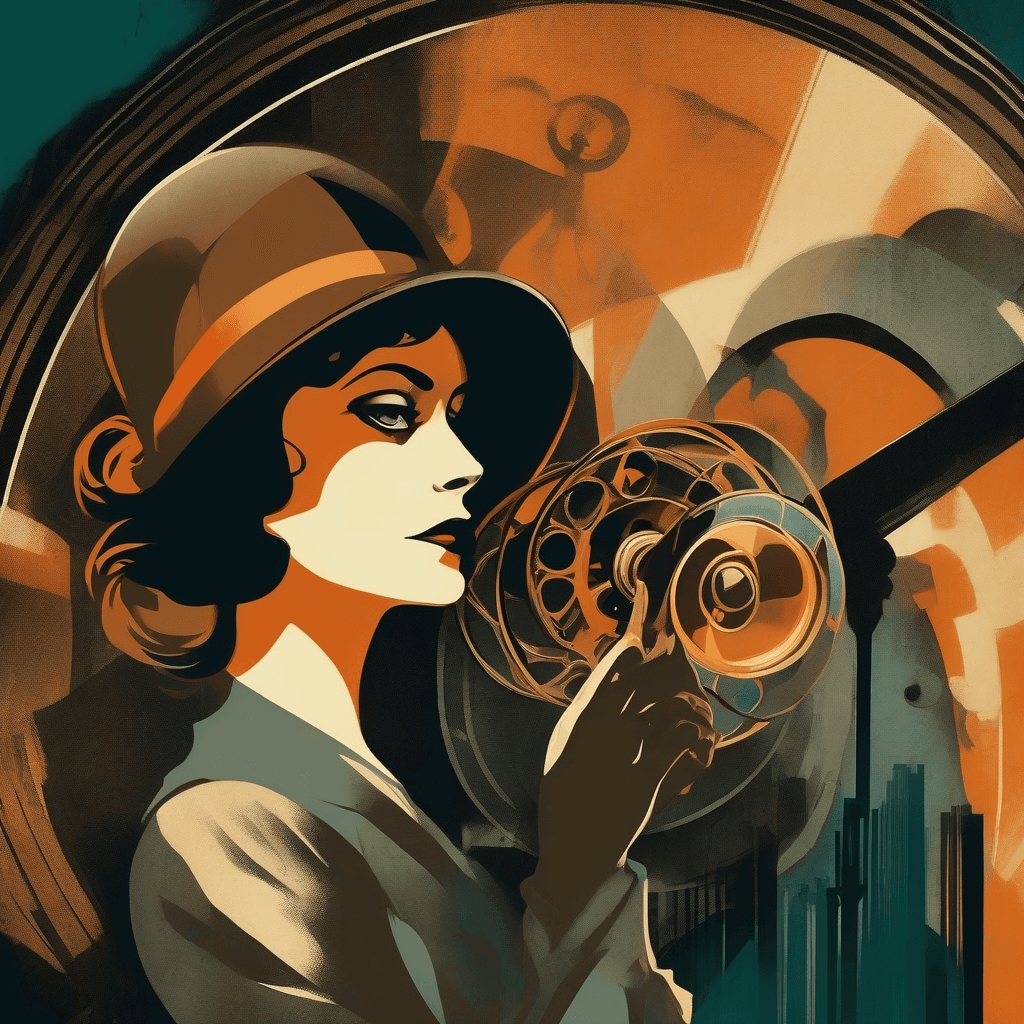
“Explore the forgotten roots of cult cinema through the lens of early 20th-century outliers, where moral deviance and genre anarchy first ignited the midnight movie soul.”
To understand the modern obsession with cult cinema—the midnight screenings, the fanatical devotion, and the celebration of the transgressive—one must look beyond the neon-soaked 1970s or the grainy grindhouse era. The true genetic blueprint of the cinematic misfit was forged much earlier, in the nitrate shadows of the 1910s and early 1920s. This was an era of profound experimentation, where the rules of storytelling were still being written and, more importantly, being broken by a wave of rogue filmmakers and eccentric narratives that defied the burgeoning mainstream. This 'Gilded Transgression' represents a period where cinema was not yet a monolith, allowing for strange, beautiful, and often uncomfortable outliers to emerge from the flickering dark.
The Anarchy of the Silent Frame
The roots of cult cinema are firmly planted in the soil of social and political unease. Take, for instance, the 1921 film Die goldene Pest. In this striking piece of early crime cinema, we see an anarchist attempting to destabilize the global economy by flooding the market with artificial gold. It is a narrative of international crisis and systemic sabotage that feels remarkably modern in its cynicism. This brand of genre anarchy—the desire to see the world order upended—is a cornerstone of the cult mindset. It speaks to an audience that finds beauty in the breakdown of the status quo.
Similarly, the 1917 production The Secret Game delved into the paranoia of the Great War, pitting German and Japanese spies against one another on American soil. These films weren't just entertainment; they were reflections of a world in flux, capturing the anxieties of a generation that felt the traditional structures of society crumbling beneath them. The cult appeal lies in this raw, unfiltered engagement with the 'other' and the 'forbidden,' themes that mainstream cinema would eventually sanitize but that these early outliers embraced with reckless abandon.
Moral Deviance as a Magnetic Force
Cult cinema has always been a sanctuary for the morally ambiguous. In The Morals of Hilda (1916), we encounter August and Hilda, immigrants who find themselves at odds with American marital expectations. Their refusal to conform to the 'emphasis on weddings' in their new country creates a friction that is both social and deeply personal. It is a story of cultural misalignment that positions the protagonists as outsiders—not because they are villains, but because their internal compasses point in a different direction than the societal norm. This celebration of the 'moral misfit' is a recurring motif in films that achieve cult status.
We see this again in The Bait (1921), where Joan Granger is used as 'bait' in a blackmail scheme. The film navigates the murky waters of exploitation and survival, presenting a world where morality is a luxury that few can afford. These narratives didn't offer the easy resolutions of contemporary melodramas; instead, they lingered in the grey areas of human behavior. Films like The Fighting Chance and The Price of Vanity further explored these themes, dissecting the avarice and social climbing that defined the era's upper classes, often through the eyes of characters who felt like strangers in their own lives.
The Rise of the Exquisite Outlaw
If there is one figure that defines the proto-cult aesthetic, it is the stylish, capable, and unrepentant outlaw. The Exquisite Thief (1919) introduced audiences to Blue Jean Billie, a master thief who robs the elite during high-society engagement parties. Billie is the quintessential cult icon: mysterious, transgressive, and possessing a level of agency that challenged the era's gender norms. She doesn't just steal jewels; she steals the scene, forcing the audience to root for the perpetrator rather than the victim.
This fascination with the 'wild' and the 'unruly' extended to the fringes of the American frontier in The Girl Who Ran Wild (1922). Featuring M'liss, an unruly tomboy raised in the mountains, the film explores the tension between civilization and the untamed spirit. M'liss is a character who refuses to be 'protected' or categorized, embodying a primal independence that resonates with the cult audience's desire for authenticity over artifice. Whether it's the sophisticated heist or the rugged survivalism of The Plow Woman, these films centered on women who were the architects of their own destinies, however messy or dangerous those destinies might be.
Genre Mutations and Visual Anarchy
The early 20th century was a laboratory for genre mutation. Cult cinema thrives on the 'weird'—the moments where a film refuses to stay within its lane. The Clown's Pups (1919) is a perfect example of this visual anarchy. In this short, the boundaries between the creator and the creation are blurred as the Inkwell Clown and the animator Max Fleischer engage in a meta-textual battle involving hand-drawn bulldogs. It is surreal, self-aware, and deeply unconventional, predating the postmodern playfulness of later cult classics by decades.
Even within established genres like the Western, films like The Gun Fighter (1917) pushed the envelope. Cliff Hudspeth, the leader of an outlaw band, isn't a traditional hero; he is a man who won his place through the killing of 'notorious gun-bullies.' The film focuses on the internal politics and consultations of the outlaw group, providing a gritty, insider look at a life of crime. This shift in perspective—from the lawman to the outlaw—is a hallmark of the cult gaze, which prefers the view from the shadows over the sun-drenched center.
The Global Fringe: From Sweden to Brazil
Cult cinema is a universal language, and its earliest whispers were heard across the globe. In Sweden, Hemsöborna (1919) explored the rustic, often harsh realities of farm life, while in Russia, Deti veka (1915) captured the bourgeois ennui and social shifts of a pre-revolutionary society. These films brought a unique cultural texture to the screen, offering glimpses into worlds that were both alien and strangely familiar to international audiences.
The Portuguese-Brazilian production Jóia Maldita (1920) added a touch of the exotic and the cursed to the mix, further expanding the boundaries of what 'niche' cinema could represent. These international outliers proved that the hunger for the unconventional was not limited to any one region. They were part of a global underground, a network of films that prioritized atmosphere, mood, and social critique over the standardized 'happy endings' that were becoming the hallmark of the Hollywood studio system. They were the 'society exiles' of the film world, thriving in the spaces between borders.
The Psychology of the Collective Obsession
Why do we remain obsessed with these flickering remnants of a lost era? Perhaps it is because they represent a 'fighting chance' for the individual voice. In The Crossroads of New York (1922), a young man from the country finds himself working as a street cleaner despite his ambitions. It is a story of the crushing weight of the city and the resilience of the human spirit. This theme of the 'little guy' or the 'misfit' struggling against an indifferent system is the heartbeat of cult cinema.
Whether it is the domestic drama of The Woman in the Suitcase, where a daughter hunts for her father's mistress to save her family, or the intense melodrama of The Cloven Tongue, where a horse dealer is manipulated by a selfish mistress, these films tap into primal emotions. They are stories of jealousy, betrayal, vanity, and redemption that are told with a raw intensity that modern cinema often lacks. The 'cult' is not just about the weirdness; it is about the emotional honesty that can only be found on the fringe.
Conclusion: The Eternal Midnight
The films of the 1910s and 20s, from Ambrose in Turkey to The Ruling Passion, were the first to demonstrate that cinema could be more than just a mass-market commodity. They showed that the screen could be a place for the bizarre, the transgressive, and the deeply personal. These early outliers engineered the 'midnight mindset'—a way of watching films that values the strange over the standard, the outlaw over the officer, and the question over the answer.
As we look back at The Ordeal of Rosetta or the silent comedy of Bobby the Office Boy, we aren't just looking at history; we are looking at the foundation of our own cinematic devotions. The 'Gilded Transgression' of the early silent era continues to echo through the halls of cult cinema today, reminding us that the most enduring stories are often the ones that were never meant to be told to the masses. They are the secrets shared in the dark, the flickering anomalies that remind us why we fell in love with the movies in the first place.
Community
Comments
Log in to comment.
Loading comments…