
Cult Cinema
The Vermilion Vein: Decoding the Primal Anarchy and Rebel Spirits of Cinema’s Original Misfit Wave
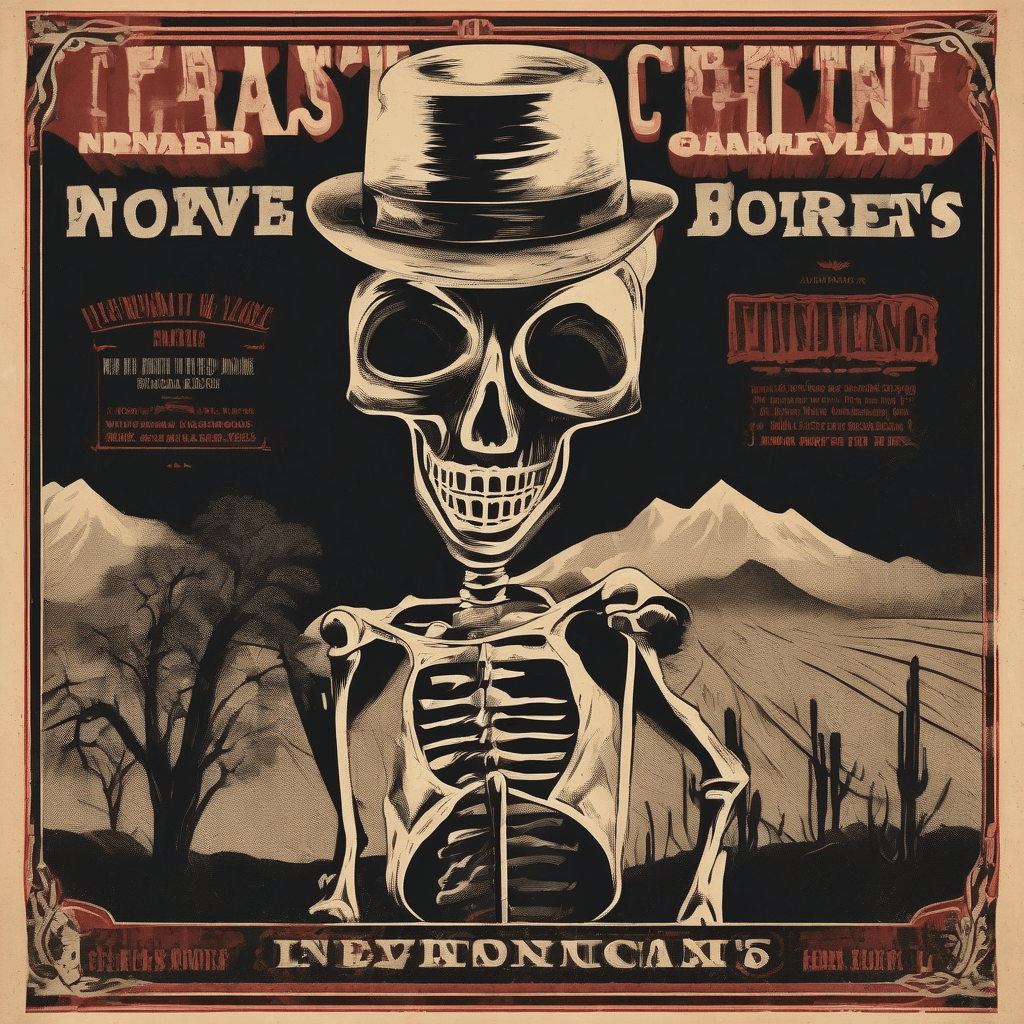
“Explore how the forgotten misfits of the silent era, from masked outlaws to transgressive social dramas, laid the foundation for modern cult cinema's rebel heart.”
To understand the modern obsession with cult cinema, one must look past the neon-soaked midnight screenings of the 1970s and dive into the flickering, nitrate-scented shadows of the early 20th century. Long before the term 'cult' was codified by film theorists, a rogue wave of filmmakers was already experimenting with the bizarre, the transgressive, and the fiercely independent. This was the era of the silent underground, a time when the rules of narrative were being written and, more importantly, being broken by a cadre of cinematic misfits who refused to play by the evolving rules of the studio system.
The Masked Vanguard: Proto-Cult Aesthetics in the Silent West
The roots of the cult aesthetic are often found in the subversion of established genres. Take, for example, the 1921 curiosity The Crimson Skull. While nominally a Western, it veers sharply into the territory of the macabre and the surreal. By having a cowhand don a skeleton costume to strike terror into a gang of outlaws, the film bridges the gap between the traditional frontier narrative and the masked vigilante tropes that would later define comic book culture and niche action cinema. This use of superstition and visual eccentricity is a hallmark of the cult movie DNA: it takes a familiar setting and injects it with a dose of the uncanny.
Similarly, films like The Return of O'Garry and The Wildcat (1920) showcased a rugged individualism that resonated with audiences looking for something beyond the polished romances of the day. These films often featured protagonists who operated on the fringes of society, embodying a rebel spirit that would later be echoed in the works of directors like John Carpenter or George Miller. The 'tenderfoot' disguise in O'Garry is not just a plot point; it is a meta-commentary on identity and performance, a theme that remains a staple of underground film analysis.
Taboo and Transgression: The Social 'Problem' Films
Cult cinema has always been a sanctuary for the forbidden. In the 1910s and 20s, filmmakers were already pushing the boundaries of social acceptability. The German production Es werde Licht! 1. Teil (1917) is a prime example of transgressive cinema. By tackling the then-taboo subject of syphilis with a stark, almost clinical brutality, it challenged the moral hygiene of the era. This was not mere exploitation; it was a radical attempt to use the medium of film as a tool for social provocation, a precursor to the shock cinema and 'educational' cult films of the mid-century.
The theme of the 'fallen' or marginalized figure is also explored in Burnt Wings, where poverty and desperation lead to prostitution in the heart of Paris. Such narratives, along with the struggles depicted in Children Not Wanted, provided a voice for the voiceless, albeit through the lens of heightened melodrama. These films are the ancestors of the grindhouse and social-realist cult classics that prioritize raw emotional truth over commercial palatability. They remind us that the cinematic outcast has always been a central figure in the history of the medium, challenging the audience to look at the darker corners of the human experience.
The Surrealist Spark: Animation and Mythology
If cult cinema is defined by its 'weirdness,' then the early experiments in animation and mythological fantasy are its foundational texts. The short film Why They Love Cavemen! offers a glimpse into the primitive, often absurd humor that would eventually evolve into the surrealist comedy of Monty Python or the 1970s midnight animation boom. There is a primal weirdness in these early shorts, a sense of play that ignores the constraints of logic and physics.
This surrealist impulse is equally evident in The Triumph of Venus. By blending classical mythology with the era's emerging visual effects, the film creates a dreamlike landscape that feels disconnected from reality. The image of Mars and Venus entangled in a magic net is pure cinematic alchemy, a visual metaphor for the power of the screen to capture the impossible. For the cult cinephile, these moments of pure visual invention are more valuable than any linear plot; they represent the phosphorescent fringe of creativity where the only limit is the filmmaker's imagination.
The Architecture of Obsession: Why These Films Endure
What makes a film like La falena or The Island of Surprise a candidate for cult devotion? It is often the presence of a singular vision—a commitment to a specific mood or theme that feels out of step with the mainstream. In La falena, the decline of a sculptor diagnosed with tuberculosis is treated with a gothic intensity that transcends simple drama. The 'final party' sequence is a masterclass in melodramatic subversion, turning a tragic ending into a defiant celebration of the aesthetic life.
Then there are the films that fascinate through their sheer historical oddity. El drama del 15 de Octubre is a chilling early example of the 'true crime' or 'reconstruction' genre. By using the actual perpetrators of an assassination to reenact their crime just one year later, the film blurs the line between reality and fiction in a way that feels modern and deeply unsettling. This is the obsidian pulse of cult cinema: a fascination with the macabre, the real, and the ethically ambiguous. It is a film that demands to be discussed, dissected, and debated—the very definition of a cult artifact.
Genre Mutations and the Birth of Niche Devotion
The early 20th century was a laboratory for genre mutation. Films like The Iron Heart (1920) combined industrial drama with a proto-feminist narrative of a woman managing steel mills, while The Timber Queen offered action-adventure led by a female heir fighting a corporate trust. These films didn't just provide entertainment; they offered alternative archetypes that deviated from the standard damsel-in-distress tropes. This genre defiance is a key reason why these films attract a niche following today; they represent a 'path not taken' by the mainstream industry.
Even the comedies of the era, such as Toonerville's Fire Brigade or the Buster Keaton-adjacent The Hayseed, contain a level of kinetic anarchy that feels radical. The slapstick isn't just physical; it's a subversion of social order. When we watch Loose Change, with its bank-vault trap doors and bumbling crooks, we are seeing the genetic blueprint of the heist films and dark comedies that would later populate the midnight movie circuit. The humor is sharp, visual, and unapologetically strange.
Conclusion: The Perpetual Midnight of the Silent Soul
The cult cinema soul is not a modern invention; it is a vermilion vein that has run through the history of film since its inception. From the transgressive echoes of Es werde Licht! to the masked rebellion of The Crimson Skull, the early 20th century provided the raw materials for everything we now associate with the 'cult' label. These films were the original midnight misfits, the forgotten outliers that dared to be different in a world that was still trying to figure out what a movie should be.
As we continue to unearth these nitrate relics, we find that the rebel heart of cinema has always been there, beating in the silence. Whether it’s the historical reconstruction of El drama del 15 de Octubre or the mythological fantasy of The Triumph of Venus, these films remind us that cult cinema is more than just a category—it is a mindset. It is a devotion to the strange, a celebration of the fringe, and a lifelong commitment to the unconventional gospel of the moving image. The midnight revival starts here, in the flickering shadows of the past, where the original rebels are still waiting to be discovered by a new generation of devoted disciples.
Community
Comments
Log in to comment.
Loading comments…