
Cult Cinema
The Communal Catharsis: Why We Gather for Cinema's Most Unruly Visions
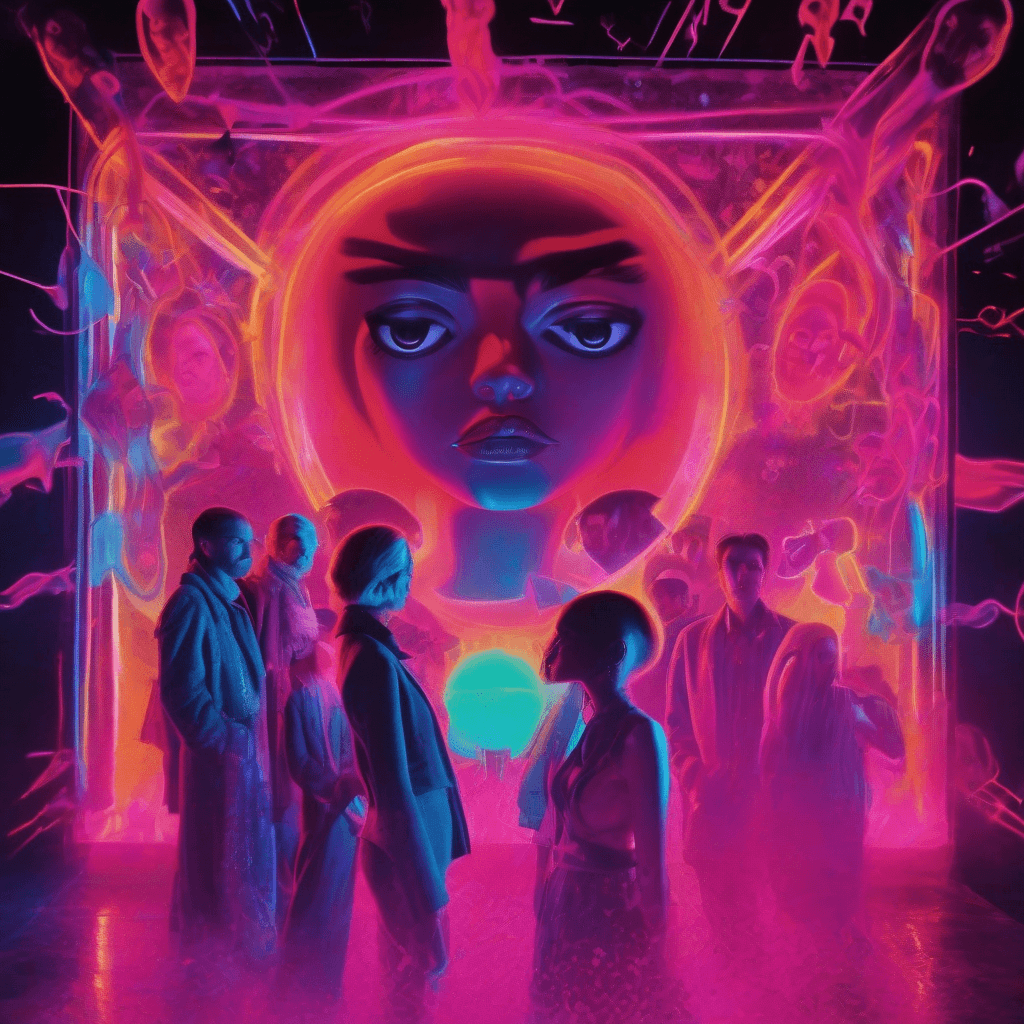
“Cult cinema transcends mere entertainment, fostering a unique communal experience around films that defy convention and challenge the status quo. These often-overlooked cinematic treasures become rallying points for audiences seeking authentic, transgressive, and deeply resonant storytelling.”
In the vast, often predictable landscape of mainstream cinema, there exists a vibrant, pulsating underground—a realm where narrative conventions are shattered, artistic boundaries are pushed, and the very definition of 'film' is constantly interrogated. This is the domain of cult cinema, a genre not defined by typical thematic or stylistic parameters, but by the fervent, often obsessive devotion of its audience. These are the films that, for various reasons, failed to capture immediate widespread acclaim, yet found a second life, blossoming into beloved icons for a dedicated few. They are the cinematic misfits, the rebels with a cause, and the strange, beautiful anomalies that refuse to be forgotten.
The allure of cult cinema lies in its inherent defiance. It’s a middle finger to commercialism, a celebration of the idiosyncratic, and a sanctuary for those who feel alienated by Hollywood’s polished sheen. From the experimental German silent film Das Todesgeheimnis, whose very title hints at a profound, perhaps unsettling mystery, to the early American melodramas like The Price of Innocence or the dramatic Divorced, these films, even in their nascent forms, often explored themes that were ahead of their time or presented in a manner too audacious for the mainstream palate. They challenge, provoke, and ultimately, unite audiences in a shared experience of discovery and appreciation for the unconventional.
The Maverick Spirit: Narratives That Defy Expectation
What truly defines a cult film is often its narrative audacity. These aren't stories designed to fit neatly into a three-act structure or adhere to predictable character arcs. Instead, they revel in ambiguity, embrace the absurd, and dare to tell tales that mainstream studios might deem too niche, too dark, or simply too weird. Consider the intriguing title Lu, a kokott, or the Finnish drama Nuori luotsi – even without knowing their full plots, their very titles hint at characters and situations existing on the fringes, outside societal norms. This is where cult cinema thrives: in the exploration of the unusual, the transgressive, and the deeply human experiences that often go unacknowledged.
Many cult films gain their status precisely because they offer a fresh perspective, a narrative twist that lingers long after the credits roll. They might present a world view that is cynical (The Money Mill), deeply romantic in a tragic way (The Miracle of Love), or overtly critical of societal structures (Down with Weapons). These stories often resist easy categorization, blending genres or inventing entirely new ones. A film like A Message from Mars, for instance, might have been a sci-fi curiosity in its time, but its premise could easily lend itself to a cult following for its unique philosophical or satirical undertones, inviting repeat viewings and fervent discussion.
This narrative anarchy is a key component of their enduring appeal. Viewers drawn to cult films are often seeking more than just escapism; they crave intellectual stimulation, emotional resonance that challenges their comfort zones, and a sense of being part of a select group that 'gets it'. The refusal to conform to commercial formulas is not a flaw but a badge of honor, signaling a film's authenticity and its commitment to an uncompromising artistic vision. This commitment, whether intentional or accidental, is what transforms an obscure release into a cinematic touchstone for its devoted followers.
Beyond the Mainstream: Aesthetics, Themes, and Taboos
Cult films frequently distinguish themselves through their unique aesthetic choices and willingness to tackle controversial or taboo subjects. While early cinema, as evidenced by titles like Seven Deadly Sins, often explored moralistic themes, cult films push these boundaries further, questioning rather than simply illustrating. They delve into the darker recesses of the human psyche, explore forbidden desires, or portray violence and sexuality in ways that were, and sometimes still are, shocking to mainstream sensibilities.
From the stark realism suggested by Bei unseren Helden an der Somme to the potentially fantastical elements of Feenhände, cult cinema often employs distinctive visual styles or unconventional production methods. These might be low-budget marvels that use their limitations to their advantage, creating a raw, unfiltered aesthetic, or avant-garde experiments that prioritize artistic expression over commercial polish. The series The Scarlet Runner, for example, with its episodic nature and focus on a 'high-powered automobile,' might have cultivated a specific, niche fanbase drawn to its blend of adventure and early automotive fascination, developing a proto-cult following.
Furthermore, cult films often serve as a mirror to society’s anxieties, reflecting fears and desires that are not openly discussed. Films like Broken Threads or The Hungry Heart, even if originally melodramas, hint at narratives of psychological distress, societal pressures, and personal turmoil that resonate deeply with audiences who feel similarly marginalized or misunderstood. This engagement with the forbidden or the uncomfortable is not for shock value alone, but often serves to critique, question, or simply explore the complexities of human experience in an unfiltered way.
The Unseen Ritual: Forging Fandom and Community
Perhaps the most defining characteristic of cult cinema is the active role of its audience. Unlike mainstream blockbusters, which are often consumed passively, cult films demand engagement, discussion, and often, repeated viewings. This shared experience transforms solitary viewers into a communal congregation. Midnight screenings, fan conventions, online forums, and even casual gatherings become sacred spaces where devotees can celebrate their shared obsession, dissect intricate plot points, quote memorable lines, and reinforce their collective identity.
This phenomenon can be traced back to the earliest days of cinema. Even films like The Last Rebel, The Whip, or Queen of the Turf, with their strong genre elements (Western, drama, sports), might have generated passionate, albeit smaller, fanbases who appreciated their specific narratives or characters. The sense of belonging to a group that appreciates a particular, often challenging, piece of art is incredibly powerful. It offers validation for tastes that might otherwise feel isolated, creating a sense of cinematic kinship.
The ritualistic aspect of cult fandom is particularly fascinating. Whether it's dressing up as characters, shouting lines back at the screen, or participating in elaborate fan theories, the audience becomes an integral part of the film's ongoing narrative. This transformative power is what allows films initially deemed failures or obscure oddities to achieve a form of immortality. They transcend their original context and become living, breathing cultural artifacts, continually reinterpreted and celebrated by new generations of fans. This communal catharsis, the release and validation found in shared appreciation, is at the very heart of cult cinema's enduring magnetism.
From Obscurity to Oracle: The Enduring Legacy of the Fringe
Many cult films begin their lives in relative obscurity, often overlooked by critics and ignored by mainstream audiences. Yet, through word-of-mouth, dedicated cinephiles, and the sheer power of their unique vision, they slowly but surely ascend to iconic status. Films like The Little Orphan or The American Consul, perhaps modest productions in their day, might have contained elements that resonated deeply with a specific segment of the audience, allowing them to quietly build a following over time. The journey from fringe curiosity to celebrated classic is a testament to the resilience and timelessness of truly unconventional art.
The legacy of cult cinema is not just about individual films; it's about the broader impact these works have on cinematic culture. They expand our understanding of what film can be, challenging the industry to be more adventurous and audiences to be more open-minded. They prove that artistic merit isn't always measured by box office receipts or critical consensus, but by the depth of connection they forge with those who truly see and appreciate their unique brilliance. From the adventurous spirit implied by Die Abenteuerin von Monte Carlo - 3. Der Mordprozeß Stanley to the dramatic stakes of The Walls of Jericho, these films, in their own ways, contribute to a richer, more diverse cinematic tapestry.
Today, the spirit of cult cinema continues to thrive. In an era of streaming services and endless content, the quest for the next hidden gem, the next subversive masterpiece, is stronger than ever. Audiences are actively seeking out films that defy algorithms and offer an authentic, unadulterated artistic experience. The early, often experimental, films that form the foundational bedrock of cinematic history—from the short comedy Neptune's Step-Daughter to the Western Beyond the Trail—each contributed in their own way to the rich, diverse ecosystem that eventually birthed the cult phenomenon. They remind us that true cinematic power often lies not in conformity, but in the courage to be different, to be strange, and to speak to the souls of those who dare to listen.
In conclusion, cult cinema is far more than a collection of quirky movies; it’s a cultural movement, a testament to the enduring power of outsider art, and a vibrant community built on shared passion. It’s a space where the rules are rewritten, where the marginalized find their voice, and where the act of watching a film transforms into a profound, communal ritual. These unruly visions, once dismissed, now stand as unshakeable pillars in the pantheon of film, forever celebrated by those who understand their secret language and embrace their unconventional truths.
Community
Comments
Log in to comment.
Loading comments…