
Cult Cinema Deep Dive
The Neon Palimpsest: Unearthing the Primal Deviance of Early Cinema’s Forgotten Outlaws
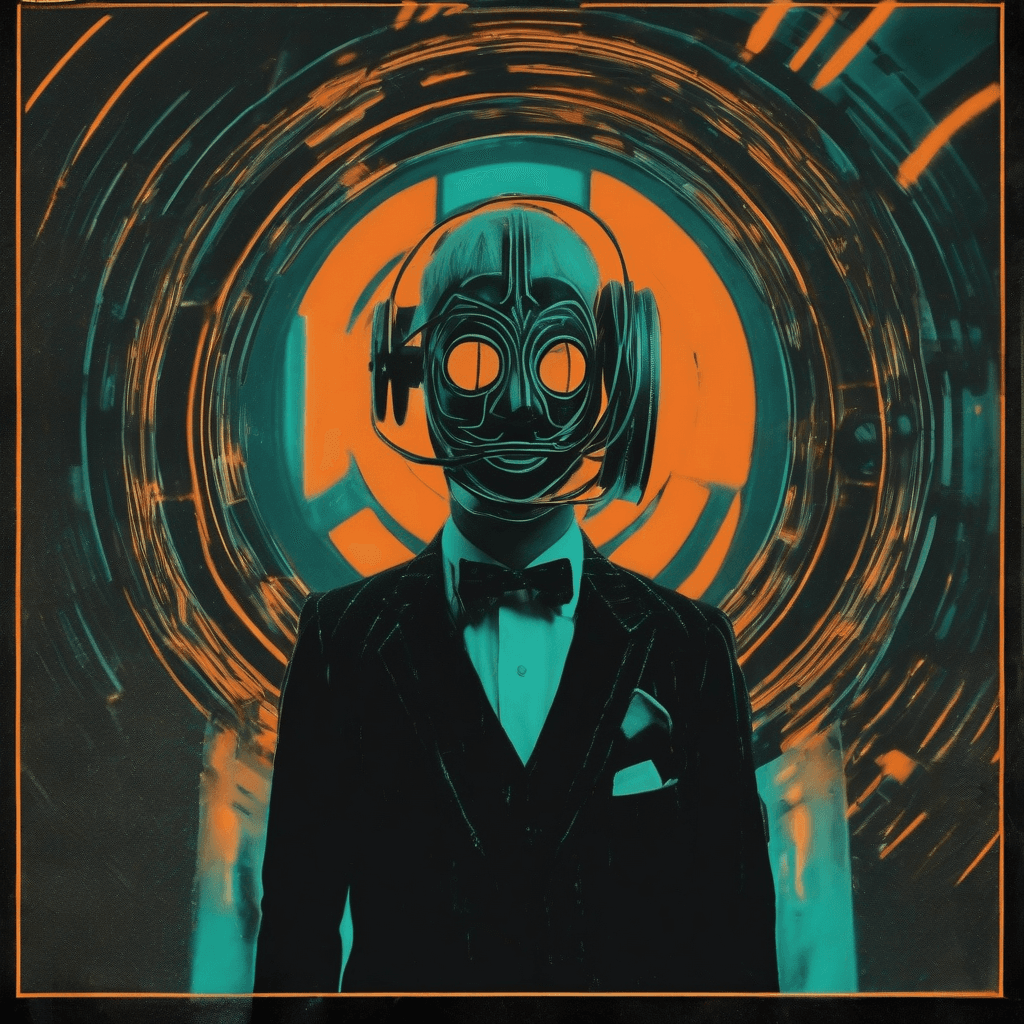
“A deep-dive exploration into how the silent era's social rebels, nihilists, and genre-defying misfits laid the foundational DNA for modern cult cinema.”
Cult cinema is often discussed as a phenomenon of the late 20th century—a byproduct of midnight screenings, VHS trading, and the transgressive energy of the 1970s. However, the genetic blueprint of the cult movie was drafted long before the arrival of the 'Midnight Movie' era. It was forged in the flickering shadows of the silent era, where genre mutants, social outcasts, and narrative rebels first dared to defy the burgeoning conventions of the studio system. To understand the enduring power of cult worship, we must peel back the layers of the neon palimpsest and look at the forgotten outlaws of early film history.
The Nihilist Spark and the Cinema of Rebellion
At the heart of every cult film lies a sense of defiance. This spirit of rebellion was palpable in the early 20th century, particularly through films that explored the dark underbelly of political upheaval and social displacement. Consider the raw, revolutionary energy of Weltbrand, where the spoiled son of an industrialist finds himself seduced by the Russian Nihilist movement. This narrative of a privileged individual descending into the radicalized world of the weak and poor is a proto-cult trope—the search for meaning in the fringe. Similarly, The Scarlet Oath captures the desperation of those driven from Russia by police persecution, carrying the seeds of nihilism to American shores. These films didn't just tell stories; they captured a zeitgeist of displacement that resonates with the disenfranchised audiences who form the backbone of cult followings today.
The cinematic portrayal of the exile reached a fever pitch in A Fight for Freedom; or, Exiled to Siberia. The imagery of political prisoners driven through blinding snow toward a barren waste is the kind of visceral, high-stakes melodrama that defines the 'outsider' status. Cult cinema thrives on the 'other,' and these early depictions of political outcasts provided a visual language for the marginalized. When we see the struggle for liberation in these silent reels, we are seeing the ancestors of every cinematic rebel that would later grace the screens of the 1970s underground.
Masquerades, Double Lives, and the Masked Champion
Cult cinema is obsessed with identity—the secret self that exists beneath the surface of social respectability. This fascination with the 'double life' is a recurring motif in the early films that paved the way for modern genre fiction. In The Unknown (1921), we witness Dick Talmadge masquerading as an indolent son while secretly operating as a masked champion. This duality is the cornerstone of the superhero and vigilante genres, both of which have deep roots in cult obsession. The idea that a hero must hide their true nature to survive in a corrupt world is a powerful narrative hook that transforms a standard drama into a mythic struggle.
Sometimes, the masquerade is born of social necessity or comedic desperation. A Regiment of Two uses the subterfuge of a fake military membership to allow men a 'night off' from domesticity, while The Dictator (1922) finds a millionaire's son hiding on a steamer to escape a cab fare, only to be swept into a South American revolution. These narratives of accidental heroism and assumed identities speak to the cult audience's desire for transformation. In the world of the cult film, anyone can be a dictator, a champion, or a revolutionary, provided they have the right mask.
The Social Fringe and the Ethics of the Outlaw
The moral ambiguity of early cinema is often overlooked, yet it is precisely this gray area that attracts cult devotion. Films like Ginger, which tells the story of a girl trained to be a thief by her criminal father, challenge the audience to empathize with the 'wrong' side of the law. When Ginger is arrested after a robbery, the audience isn't just watching a crime drama; they are witnessing the systemic failure of a society that leaves a child with no other choice. This empathy for the outlaw is a hallmark of the cult aesthetic.
We see a similar tension in A Daughter of the Law, where a sister must navigate the criminal underworld to save her brother from a gang. The conflict between blood and duty, between the law of the land and the law of the family, creates a narrative friction that is inherently transgressive. Cult films often dwell in these spaces where the rules of society are suspended or rewritten. Whether it is the domestic stress of The Cradle, where financial ruin drives a doctor into the arms of a charmer, or the gambling addiction explored in The Sins of the Mothers, early cinema was unafraid to tackle the 'moral mutants' of its time.
Genre Anarchy: From Burlesque to the Bizarre
If cult cinema has a signature, it is the blending of genres until they become something unrecognizable and strange. The silent era was a laboratory for this kind of genre anarchy. Salome vs. Shenandoah is a perfect example—a burlesque that mashes together a biblical drama with a Civil War play. This kind of meta-textual humor and stylistic collision is exactly what modern cult fans look for: a film that is aware of its own absurdity. When an inept theatrical troupe presents these dramas to a bucolic audience, the film becomes a commentary on the nature of performance itself.
Then there is the sheer weirdness of films like A Prohibition Monkey, set in the town of 'Beer Bottle Bend' where babies chew tobacco. This kind of surreal, high-concept comedy feels like a precursor to the absurdist cult hits of the late 20th century. The bizarre imagery—a town run by a saloon owner with a tiny church struggling for a foothold—creates a world that is both familiar and utterly alien. Similarly, The Dippy Dentist, with its plot involving a dentist getting the wrong handbag filled with leaking 'bottled goods,' utilizes physical comedy to create a sense of chaotic, unpredictable energy.
The Mystery of the Missing Reel
Part of the allure of cult cinema is the 'hunt'—the search for lost films, alternate cuts, and forgotten masterpieces. The silent era is the ultimate frontier for this obsession. The Pied Piper of Hamelin exists now as a 'lost film,' a ghostly narrative about a traveler and a town overrun by vermin. The fact that we cannot see the film only adds to its cult status; it becomes a legend, a mythic text that exists only in the imagination of film historians. This sense of loss and recovery is central to the cult experience. We are not just watching a movie; we are participating in an act of cinematic archaeology.
Even when the films survive, they often carry a sense of mystery. The Secret of the Swamp or The Hand of Peril (featuring a government agent on the trail of counterfeiters) utilize the 'pulp' sensibilities that would later define the noir and thriller genres. These films were the 'B-movies' of their day, often produced quickly and for specific audiences, yet they contain a raw creativity that the more polished 'prestige' films of the era often lacked. They are the 'uncharted channels' of film history, much like the film Uncharted Channels itself, which explores the life of a wealthy son forced to work as a plumber.
Social Mutation and the New Frontier
The evolution of society is reflected in the 'mutant' narratives of early cinema. The House That Jazz Built captures the shift from modest suburban life to the frantic, city-dwelling 'jazz' lifestyle, highlighting the domestic friction that comes with rapid cultural change. Cult cinema often acts as a mirror to these social anxieties, exaggerating them into melodrama or horror. In Sporting Life, we see the desperate financial straits of a young lord whose only hope lies in a prizefighter and a racehorse—a narrative of high-stakes gambling that reflects the precariousness of the modern era.
The 'New Woman' of the silent era also provided a template for the cult heroine. Peggy Leads the Way features a small-town girl returning from school to save her town from a ruthless land developer. This is the 'final girl' before the slasher genre existed—the resilient, resourceful woman who stands against a corrupt system. We see this again in The Racing Strain, where Lucille Cameron fights to save her father from bankruptcy, or in Ramona, where the title character defies her adoptive mother to marry the man she loves, an Indian of noble heritage. These stories of forbidden love and social defiance are the bedrock of cult storytelling.
The Legacy of the Flicker
As we look back at films like The Young Lady and the Hooligan, where a teacher must educate a class of adult men, or Under Two Flags (1922), where an English nobleman joins the French Foreign Legion to hide his identity, we see the recurring themes of transformation and redemption. These are the narratives that build communities. Cult cinema is not just about the films; it is about the collective obsession of the audience. We gather in the dark to watch these 'misfit' reels because they speak to our own feelings of being out of sync with the world.
From the comedic mishaps of A Jazzed Honeymoon and The Morning After to the historical weight of The Brain of Soviet Russia, the silent era was a vast, chaotic landscape of visual experimentation. It was a time when the rules were being written and broken simultaneously. The 'cult' status of these films today is a testament to their enduring weirdness and their refusal to be forgotten. They are the renegade ghosts of our cinematic past, continuing to haunt the fringes of our culture and inspire the next generation of maverick filmmakers.
In conclusion, the cult movie did not begin with the counter-culture of the 1960s. It began the moment a camera was pointed at a 'hooligan,' a 'nihilist,' or a 'dippy dentist.' It began when filmmakers realized that the most interesting stories aren't found in the center of the frame, but at the very edges of the screen. By revisiting the works like Deliverance (the story of Helen Keller) or the mysterious Lille Teddy, we honor the primal spirit of cinema—a spirit that is, and always will be, gloriously, defiantly cult.
Community
Comments
Log in to comment.
Loading comments…