
Cult Cinema
The Cult of the Curious: Unpacking the Enduring Allure of Cinema's Most Unconventional Gems
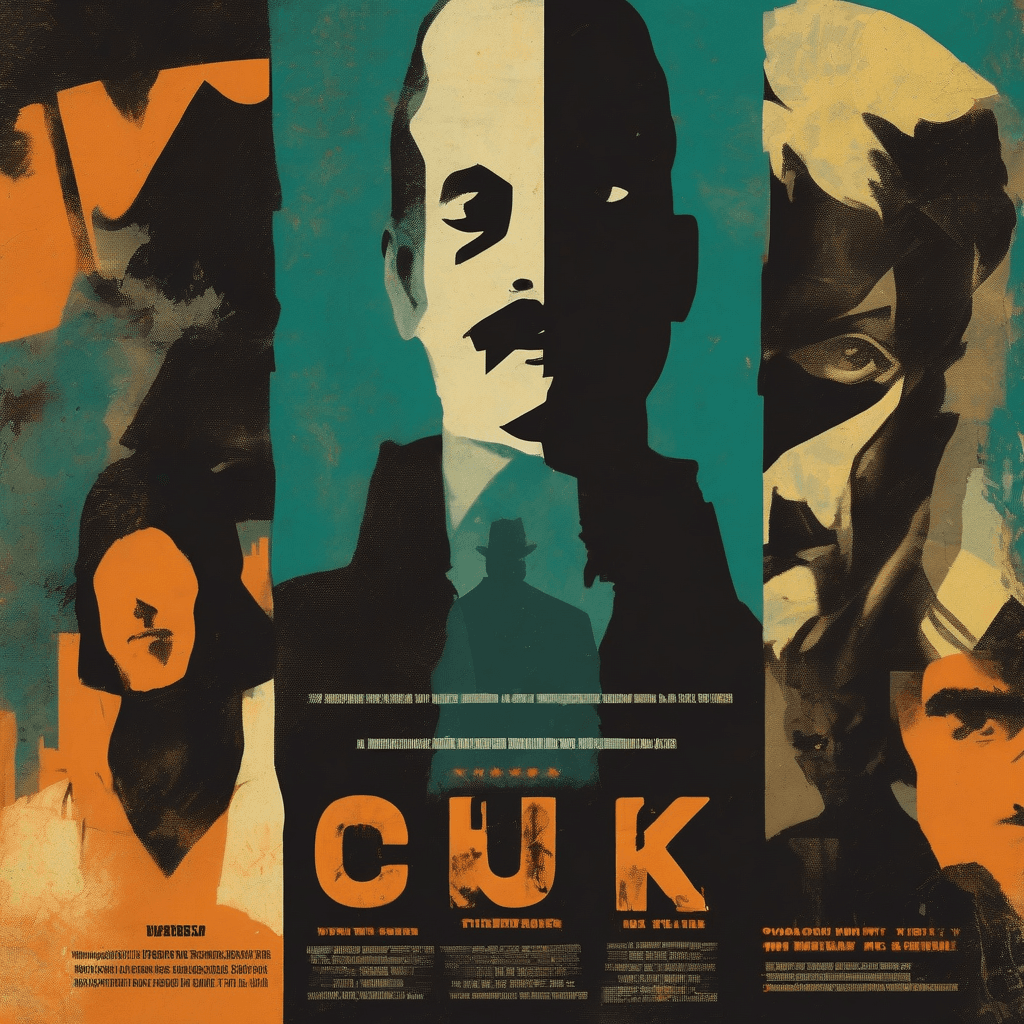
“Cult cinema thrives on the unconventional, drawing dedicated audiences to films that defy mainstream sensibilities. This editorial explores the timeless appeal of these maverick visions, tracing their lineage from early cinematic experiments to modern-day phenomena.”
The realm of cult cinema is a fascinating, often bewildering landscape, populated by films that refuse to be confined by conventional expectations. These aren't just movies; they are experiences, rallying points for communities, and often, subversive sermons delivered from the flickering screen. What defines a cult film isn't necessarily its initial box office success or critical acclaim, but rather its enduring allure, its capacity to provoke, challenge, and ultimately, to forge a deep, almost spiritual connection with a dedicated niche fandom. From transgressive narratives to bizarre aesthetics, cult films carve out their own space in the cinematic underground, inviting the curious to delve deeper.
While the term 'cult film' often conjures images of midnight screenings in the 1970s and 80s, populated by titles like The Rocky Horror Picture Show or Eraserhead, the maverick spirit and unconventional storytelling that define this genre have roots stretching back to cinema's earliest days. Before there were VHS tapes and internet forums, there were films that, for various reasons, resonated differently, spoke to specific audiences, or simply pushed the boundaries of what was acceptable or imaginable on screen. These early cinematic anomalies, though not labeled 'cult' at the time, laid the groundwork for the rebel films and outsider art we celebrate today.
The Seeds of Subversion: Early Cinema's Maverick Spirit
Even in the nascent years of filmmaking, when the medium was still defining its grammar, certain works emerged that exhibited a distinct transgressive soul. These were films that dared to tackle controversial subjects, explore moral ambiguities, or simply present a vision so unique it stood apart. Consider films like The Black Stork (1917), a chilling eugenics drama that sparked outrage and debate. Its controversial stance on 'defective' offspring, while disturbing to modern sensibilities, demonstrates a willingness to engage with deeply unsettling social issues, a characteristic often found in later cult classics that challenge societal norms. Similarly, The Very Idea (1920) delved into eugenics through a comedic lens, showcasing how even lighthearted genres could touch upon themes that were, for their time, profoundly provocative.
The exploration of complex morality was not uncommon. The Woman in the Case (1916) saw a wife feigning vampirism to uncover a killer, a morally grey act in pursuit of justice that hints at the kind of narrative anarchy and unconventional heroism that cult audiences often champion. The film's protagonist navigates a world of deceit, blurring the lines between good and evil—a thematic staple in many beloved midnight movies. Then there's The Folly of Sin (1919), which explored professional jealousy and unethical medical practices, presenting a dark side of human ambition that anticipates the psychological depths plumbed by later cult films.
Unconventional Narratives and Moral Ambiguity
Many early films, perhaps constrained by censorship or driven by artistic impulse, found creative ways to depict forbidden desires and societal taboos. Lady Audley's Secret (1915), with its themes of bigamy and murder, offered a scandalous narrative that would undoubtedly have captivated audiences seeking thrills beyond the mundane. Such melodramas, while popular, often contained elements of transgressive cinema, pushing boundaries in their depiction of human depravity and passion. The journey of its protagonist, a woman entangled in a web of her own making, resonates with the complex, often anti-heroic figures that populate the cult canon.
Even in simpler comedies, a certain primal weirdness could emerge. Think of short comedies like Alias Aladdin (1915), where a man rubs a lamp and is instantly transported, or Hustling for Health (1918) starring Stan Laurel, which showcased absurd situations and physical comedy that broke from realism. These films, while not overtly subversive, contributed to a broader cinematic counter-culture by demonstrating the medium's capacity for fantasy and the grotesque, laying the groundwork for the more overt absurdities of later cult classics.
Auteurship and Vision: Crafting Unique Worlds
The distinctiveness of a cult film often stems from a singular, uncompromising auteur vision. Even in the studio system's infancy, certain filmmakers and productions stood out for their unique artistic stamp. Take The Golem (1915), a lost German film about a resurrected clay creature. The surviving descriptions hint at an early foray into expressionistic horror, a visual style that would later become a hallmark of films celebrated for their unique aesthetic. Such bold artistic choices, even when not immediately understood or appreciated by the masses, create a powerful resonance with audiences seeking something beyond the conventional. The mythological grandeur of Parsifal (1912), a biblical epic, also speaks to a desire for grand, immersive storytelling that can captivate a dedicated audience, transcending mere entertainment to become a revered text.
The ability to create compelling, memorable characters, often outsiders or figures grappling with immense internal conflict, is another hallmark. Camille (1917), a classic melodrama, presented a courtesan falling in love, a narrative that, while popular, explored themes of societal judgment and sacrifice with an intensity that can foster deep emotional connections, mirroring the fervent devotion cult fans feel for their chosen films. The power of these early performances, often exaggerated for the silent screen, created iconic figures that etched themselves into the public consciousness, much like the unforgettable protagonists of later cult films.
The Allure of the Outcast: Characters and Narratives that Defy Norms
Cult films frequently embrace characters on the fringes of society, individuals who challenge norms or embody a certain rebel heart. Early cinema, too, was fascinated by these figures. The Sentimental Bloke (1919), an Australian silent film, chronicles the redemption of an ex-convict, offering a sympathetic portrayal of an outsider seeking a better life. This narrative of transformation and the search for belonging speaks directly to the core appeal of many cult films, which often center on protagonists who are misunderstood or marginalized.
Similarly, Outcast (1922) tells the story of a streetwalker finding redemption through love, a powerful narrative of social rehabilitation that defied simple moralizing. These stories, though perhaps conventional in their ultimate resolution, dared to dwell in the moral grey areas, presenting characters that elicited complex emotions from the audience. This willingness to explore the human condition in all its messy complexity is a foundational element of cult cinema's enduring power.
Even stories of revenge and obsession, like The Man Hunter (1919) or Alone with the Devil (1916), resonate with the dark, psychological depths often plumbed by genre-bending cult films. These narratives, driven by primal emotions and extreme circumstances, offered audiences a visceral experience that transcended simple entertainment, hinting at the powerful, almost ritualistic engagement that defines midnight movie culture.
Genre Play and Experimentation: Beyond the Mainstream
The early 20th century was a crucible for genre definition. Filmmakers were constantly experimenting, pushing the boundaries of what a Western, a comedy, or a drama could be. This experimental spirit is a vital precursor to the unconventional rhythms and maverick visions that characterize cult films. Sherlock Holmes (1916) brought a beloved literary detective to the screen, demonstrating the power of adapting iconic characters and intricate mysteries, which often build dedicated fanbases. The meticulous plotting and atmospheric tension in such early thrillers could captivate audiences in a way that fostered a deep, lasting engagement.
Westerns like The Overland Express (1919) and Colorado (1921) established tropes while also allowing for individual stylistic flourishes. These films, while foundational to a popular genre, also contained specific performances or narrative beats that might have resonated uniquely with a subset of viewers, much like how certain genre films today achieve cult status through a unique blend of familiarity and subversion. The raw energy and frontier spirit depicted in these films, often with dramatic flair, could be seen as early manifestations of the intense, immersive experiences that cult audiences crave.
The sheer variety of early cinema, from the vaudeville-inspired antics of Solser en Hesse (1900) to the grand romantic dramas like The Miracle of Love (1919), showcases an artistic landscape ripe for future reappraisal. Many films were released, briefly seen, and then largely forgotten, only to be rediscovered by later generations who found unexpected depth, charm, or sheer weirdness in their frames. This journey from obscurity to enduring devotion is a defining characteristic of the cult phenomenon.
The Midnight Echoes: From Obscurity to Fandom
The true magic of cult cinema lies in its ability to transcend its initial reception. A film might be a commercial failure, critically panned, or simply overlooked upon release, only to be embraced decades later by a fervent audience. This is the alchemical process of cult formation, turning cinematic lead into devoted gold. While it's difficult to definitively label many of these early silent films as 'cult' in the modern sense, they represent the ancestral DNA of films that would eventually achieve such status.
The elements were all there: subversive themes, maverick filmmakers, unconventional narratives, and a willingness to break from the expected. Imagine an early audience encountering the visceral revenge plot of Reclaimed: The Struggle for a Soul Between Love and Hate (1917), or the fantastical journey of Sinbad, the Sailor (1917). These films, in their unique ways, offered experiences that might have resonated deeply with a particular segment of the audience, fostering a nascent form of cinematic devotion.
The re-discovery of these early works by film historians and enthusiasts is akin to the process by which a forgotten B-movie gains cult status. They are unearthed, re-examined, and often celebrated for qualities that were not apparent or valued in their original context. The visual artistry of The Butterfly (1919), or the social commentary embedded in The Top of New York (1922) with its portrayal of tenement life, might today be seen as proto-cult gems, offering a glimpse into the enduring appeal of stories told from the fringe.
The Enduring Legacy: Why We Seek the Unconventional
Ultimately, the enduring appeal of cult cinema lies in its capacity to offer something different, something authentic, something that speaks to a desire for cinematic experiences that challenge, provoke, and transcend the commercial mainstream. It’s about finding a shared language with other enthusiasts, a sense of belonging in the cinematic underground. From the grand narratives of Das Buch Esther (1919) to the intimate dramas like Curtain (1920), early cinema provided a fertile ground for the kinds of bold artistic statements that would later define the cult canon.
Whether it's the peculiar charm of a short comedy like A One Cylinder Love Riot (1917) or the dramatic intensity of The Eleventh Commandment (1920), these films, in their own unique ways, contributed to the rich tapestry of film history. They demonstrate that the desire for unconventional visions, for films that defy easy categorization, is as old as cinema itself. The cult of the curious continues to grow, fueled by a passion for uncovering these overlooked masterpieces and celebrating the maverick spirit that has always pulsed through the veins of filmmaking. These early gems remind us that the seeds of cinematic rebellion were sown long before the midnight screenings began, proving that the rebel's resonance is truly timeless.
Community
Comments
Log in to comment.
Loading comments…