
DbcultAccessing Vault...
Film History
Archivist John
Senior Editor
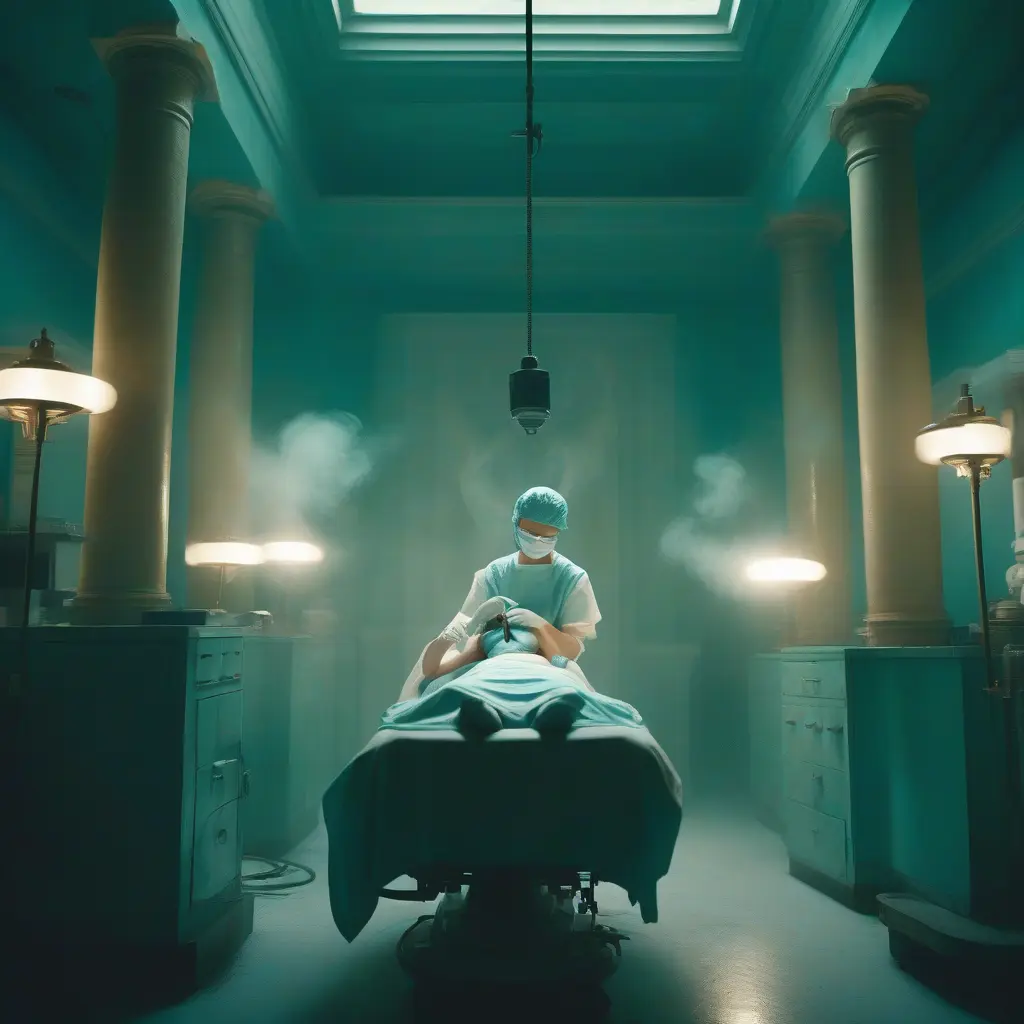
There is a specific, medicinal smell that clings to the history of the transgressive image—not the popcorn and stale soda of the multiplex, but the sharp, sickly-sweet tang of diethyl ether. We often mistake the birth of the 'head film' for a product of the 1960s counterculture, assuming that the visual language of the hallucination required the chemical catalysts of the LSD era to truly manifest. This is a historical fallacy. Decades before the midnight movie became a sanctuary for the chemically enhanced, the silent screen was already vibrating with the tremors of the drug-induced delirium. These early experiments in 'medical' fantasy didn't just depict a character’s altered state; they invented the very grammar of cinematic subjectivity that would eventually define the cult experience.
At the heart of this forgotten movement lies a fascinating intersection of Victorian morality and avant-garde exploration. In the 1910s and early 20s, filmmakers discovered that the 'surgical vision' or the 'ether dream' provided a convenient loophole. It allowed them to depict the forbidden, the erotic, and the surreal under the guise of scientific observation. By placing a character under anesthesia, the director was suddenly liberated from the constraints of linear realism. The screen could dissolve into a nightmare of double exposures, swirling smoke, and atavistic regressions. This was the primordial soup of cult cinema—a space where the logic of the waking world was discarded in favor of a visceral, internal truth.
Consider the 1920 production A Sister to Salome. On the surface, it is a drama about an opera singer, Elinore Duane, undergoing throat surgery. But the narrative is merely a delivery system for the hallucinatory payload. As the ether takes hold, the film ruptures. The sterile operating room vanishes, replaced by the decadent, blood-soaked grandeur of ancient Rome. Elinore becomes a figure of antiquity, a 'much-admired' ghost in a world of marble and betrayal. This isn't just a flashback; it is a total sensory realignment. The film suggests that beneath the skin of modern respectability lies a reservoir of primal memory, accessible only through the chemical breach of the mind's defenses.
This trope of the 'medical hallucination' became a recurring motif in the era’s more adventurous productions. It allowed for a type of visual excess that would otherwise be censored. If a character sees a demon, it’s a moral failing; if they see a demon while under the influence of a surgeon’s sponge, it’s a 'clinical study.' This sleight of hand birthed some of the most enduring imagery in the cult canon. We see echoes of this in the way modern masters of the uncanny use medical trauma to unlock psychic doors—think of the cold, clinical horrors of Cronenberg or the dissolving realities of Lynch. They are all descendants of Elinore Duane’s ether-induced Roman holiday.
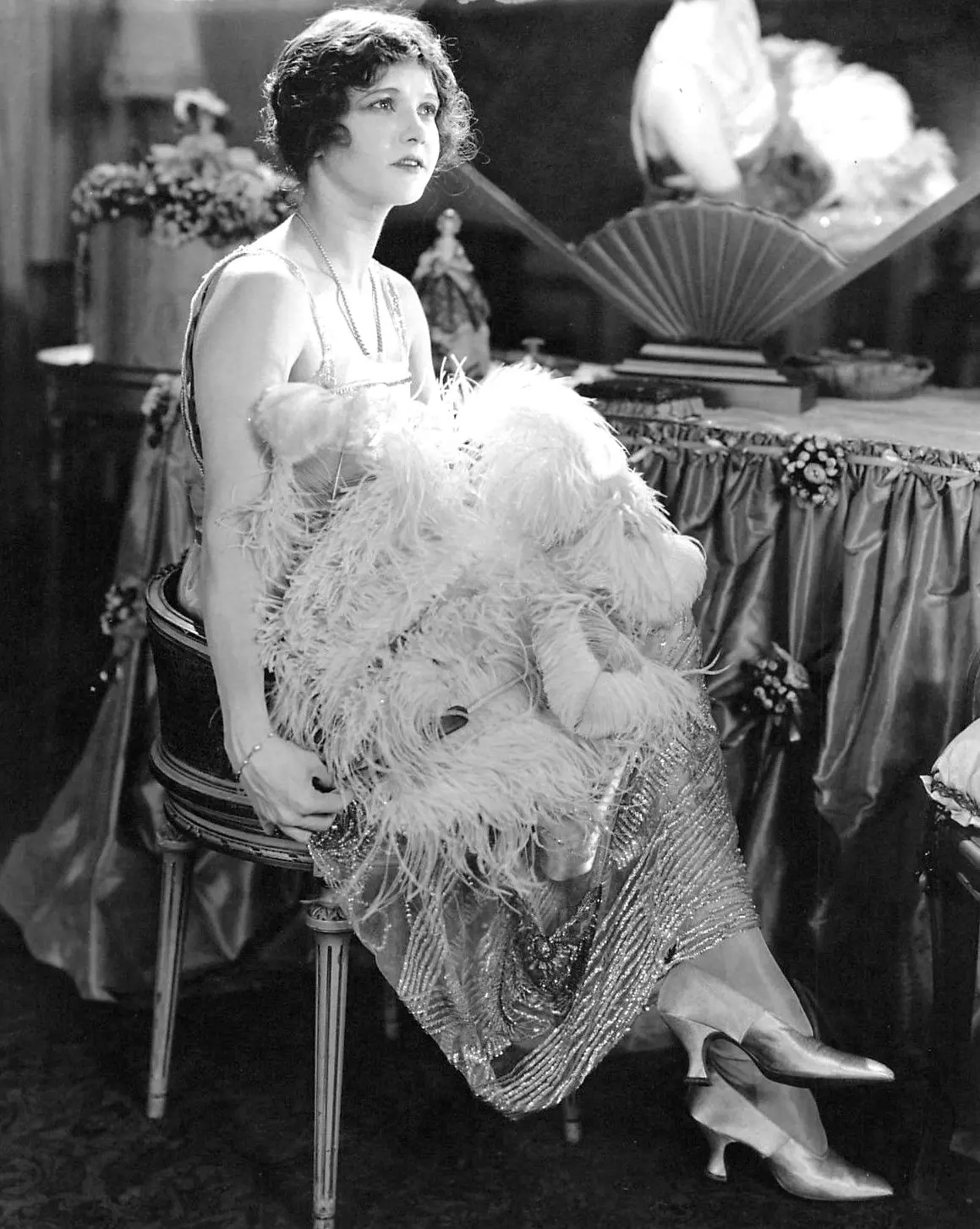
While the surgical dream provided a high-concept escape, the 'Vice' films of the 1910s explored a darker, more urban delirium. These films, often masquerading as cautionary tales, were the true ancestors of the exploitation cult. They obsessed over the 'opium den' and the 'cocaine parlor' as liminal spaces where the social order collapsed. In these shadows, the protagonist—often a 'fallen' figure like the one portrayed in A Fool There Was—becomes a vessel for the audience’s voyeuristic desires. The 'Vamp' archetype, popularized by Theda Bara, wasn't just a character; she was a narcotic presence, a human drug that induced a state of moral and physical decay in her victims.
The visual language here is heavy with the 'narcotic silhouette.' Directors used high-contrast lighting and deep shadows to suggest a world that was literally being consumed by its own atmosphere. In Heedless Moths (1921), the blurring of identity between a model and a sculptor’s wife takes on a feverish, almost hallucinatory quality. The film plays with the idea of the 'double,' a theme that would become a staple of psychological cult cinema. When the boundaries of the self become as fluid as smoke in a poorly ventilated room, we are witnessing the birth of the fractured protagonist—the quintessential hero of the midnight movie.
The silent hallucination was never about what the character saw; it was about the camera becoming the drug itself, distorting the very fabric of the frame to match the character’s unraveling psyche.
To understand why these films resonate so deeply with the modern cult sensibility, we must look at their technical audacity. Without the crutch of CGI, silent-era pioneers had to invent physical ways to represent the mental 'trip.' They used:
These weren't just 'tricks.' They were an attempt to create an unreliable frame. In a standard film, the camera is an objective observer. In the cult-proto-hallucination, the camera is a participant in the madness. This subjectivity is what binds the viewer to the screen in a state of 'devotional' watching. We aren't just looking at the character; we are inhabiting their distorted consciousness. When we watch a film like Fantômas: In the Shadow of the Guillotine, the elusive nature of the villain—his constant shifts in appearance—creates a sense of ontological instability that feels remarkably modern, almost psychedelic in its refusal to offer a stable 'truth.'
The fascination with 'otherness' and altered states often manifested in films that explored the fringes of society or the wild, untamed corners of the world. In The Secret of the Swamp, the environment itself takes on a heavy, oppressive quality that feels like a waking dream. The swamp is a place where 'scientific' logic (the protagonist's goal) is constantly threatened by the primeval, stagnant reality of the landscape. This tension between the rational mind and the irrational environment is a core pillar of cult cinema—the idea that there are places (physical and mental) where the rules of the world simply do not apply.
Similarly, the 'Social Hygiene' films of the era, such as The Age of Desire or the various 'fallen woman' narratives, used the threat of disease or moral ruin as a way to explore the 'underworld.' These films were often shown in 'men-only' or 'women-only' screenings, creating a clandestine, ritualistic atmosphere that mirrors the secret history of the midnight movie. The audience wasn't just there to be educated; they were there to witness the forbidden. The 'delirium' in these films wasn't always chemical; sometimes it was the social delirium of the outcast, the person who has seen too much and can never return to the light of the 'normal' world.
As the silent era gave way to the talkies, the raw, uninhibited visual language of the hallucination was largely suppressed by the rise of more rigid narrative structures and the implementation of the Hays Code. The 'ether dream' was sanitized, reduced to a mere plot device rather than an aesthetic manifesto. However, the seeds had already been sown. The European avant-garde of the 1920s took these early experiments and pushed them into the realm of pure surrealism, leading directly to the works of Buñuel and Cocteau.
But for the cult film historian, the most interesting lineage is the one that leads to the 'underground.' When we look at the psychedelic cinema of the late 60s—films like Performance or The Trip—we see the same obsession with the blurring of identity, the same use of disorienting visual techniques, and the same fascination with the 'chemical gateway' that we found in A Sister to Salome. The only difference is the substance. The ether has been replaced by more modern molecules, but the cinematic intent remains identical: to break the frame and let the madness in.
Ultimately, the 'ether-saturated lens' of the silent era reminds us that cult cinema is not a genre defined by its release date or its budget, but by its relationship to the audience's psyche. A cult film is a film that demands a surrender of the ego. It asks us to step into the operating room, breathe deeply of the fumes, and allow the screen to show us what lies behind our own eyes. Whether it is a Roman fantasy from 1920 or a neon-soaked nightmare from 2024, the goal is the same: to achieve a state of collective, celluloid-induced delirium.
We continue to worship at these altars because they offer the one thing that mainstream, 'sober' cinema cannot: a glimpse into the infinite. The early pioneers of the silent hallucination knew this instinctively. They understood that the projector was not just a machine for showing pictures, but a device for inducing a trance. As we dig through the archives and unearth these flickering, ether-soaked relics, we aren't just looking at history. We are looking at the blueprints of our own obsessions, the first tremors of a midnight that never ends.