
Cult Cinema Deep Dive
The Flicker’s Forbidden Gospel: Tracing the Primal Subversions of Cinema’s Early Fringe Mavericks
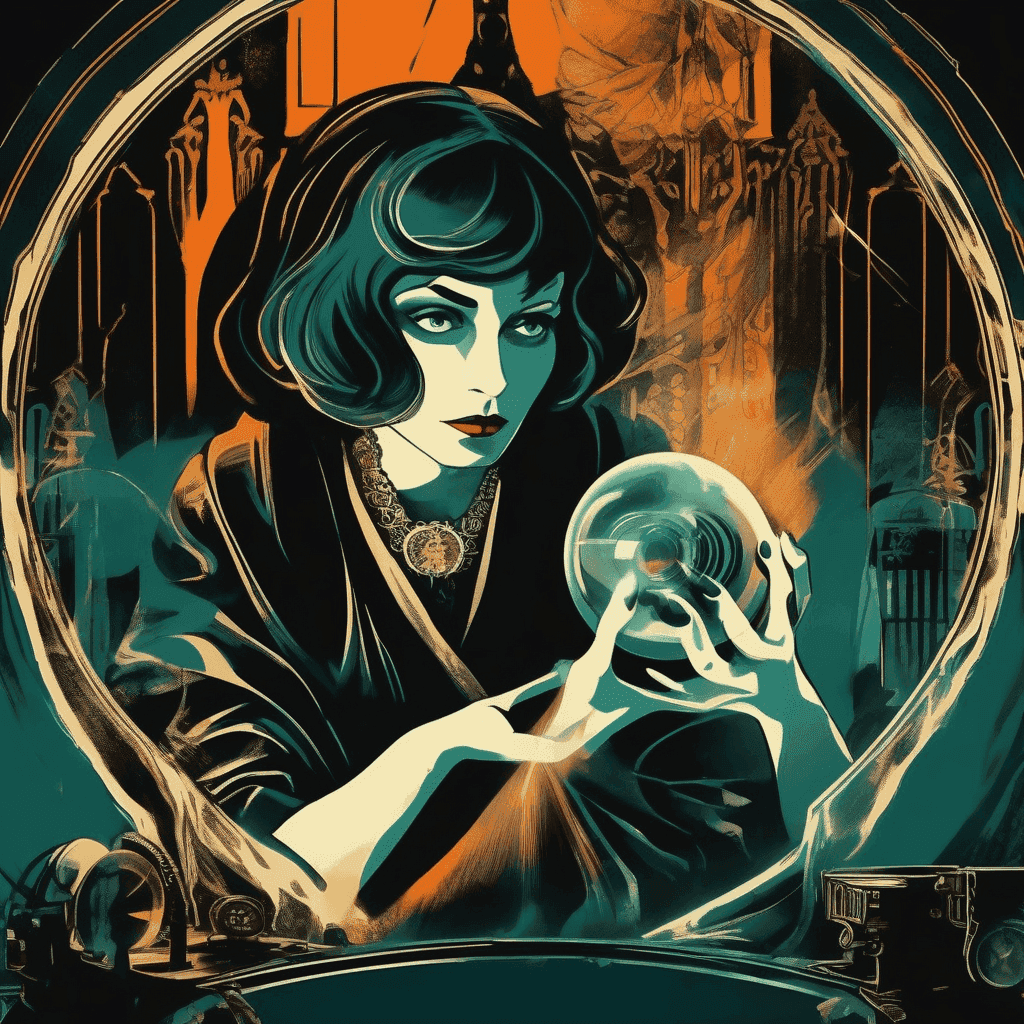
“Explore the secret history of cult cinema through the lens of early 20th-century anomalies, where genre-bending narratives and moral outliers first ignited the flame of niche obsession.”
When the modern cinephile speaks of cult cinema, the mind often drifts toward the neon-soaked midnight screenings of the 1970s or the transgressive underground of the 1980s. Yet, the true genesis of the cult movie—that specific, electric brand of cinematic deviance—was forged much earlier, in the nitrate shadows of the silent era. The genetic code of the 'midnight movie' was spliced in an age when the medium was still defining its own boundaries. It was a time of radical experimentation, where narrative anarchy and moral ambiguity were not just artistic choices, but necessary rebellions against a burgeoning status quo.
The Occultist’s Lens: Mysticism as the First Cult Catalyst
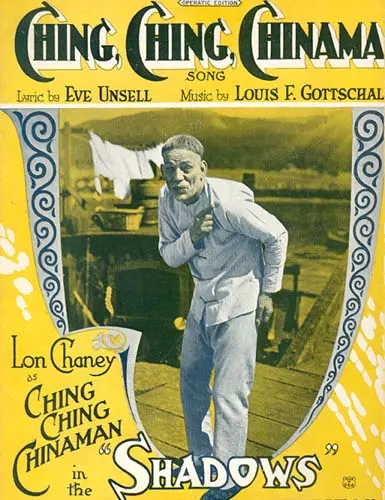
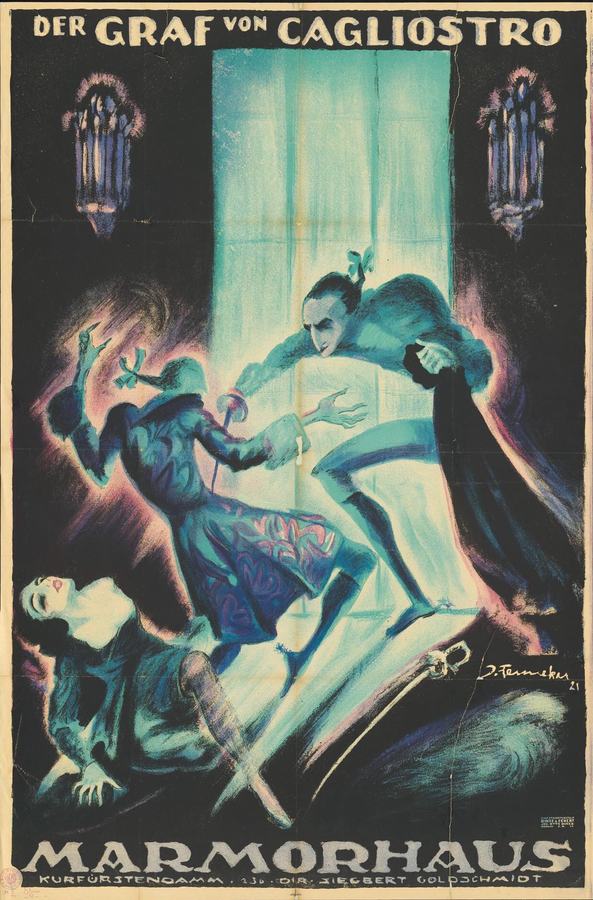
Cult cinema has always thrived on the esoteric, and the early century was no stranger to the allure of the arcane. Consider the impact of Der Graf von Cagliostro, a film that delved into the lurid tales of secret societies and magic during the reign of Louis XVI. By focusing on the figure of the Italian occultist Giuseppe Balsamo, the film tapped into a primal curiosity that would later define the horror-cult genre. This wasn't merely entertainment; it was a ritualistic exploration of the unknown. Similarly, the 1917 film One Million Dollars introduced audiences to a criminologist rewarded with a mystical crystal globe by a Buddhist priest. These films established a precedent for the 'supernatural object' trope, a staple that would eventually lead to the obsessive fandoms surrounding films like 'Hellraiser' or 'The Evil Dead'.
The fascination with the unseen and the unexplainable provided a fertile ground for niche obsession. When a film like The Tell-Tale Step brought the shadowy world of the Black Hand to American screens, it didn't just tell a story of crime; it invited the audience into a secret world. This 'insider' perspective is the hallmark of cult cinema—the feeling that you are privy to a reality that the mainstream ignores. The blind daughter Lucia and her father Giovanni Pallazzi represented the 'other,' the immigrant experience filtered through a lens of suspense and secret societies, creating a magnetic pull for audiences who felt themselves to be outsiders.
The Transgressive Heroine: Defying the Silent Virgin Archetype
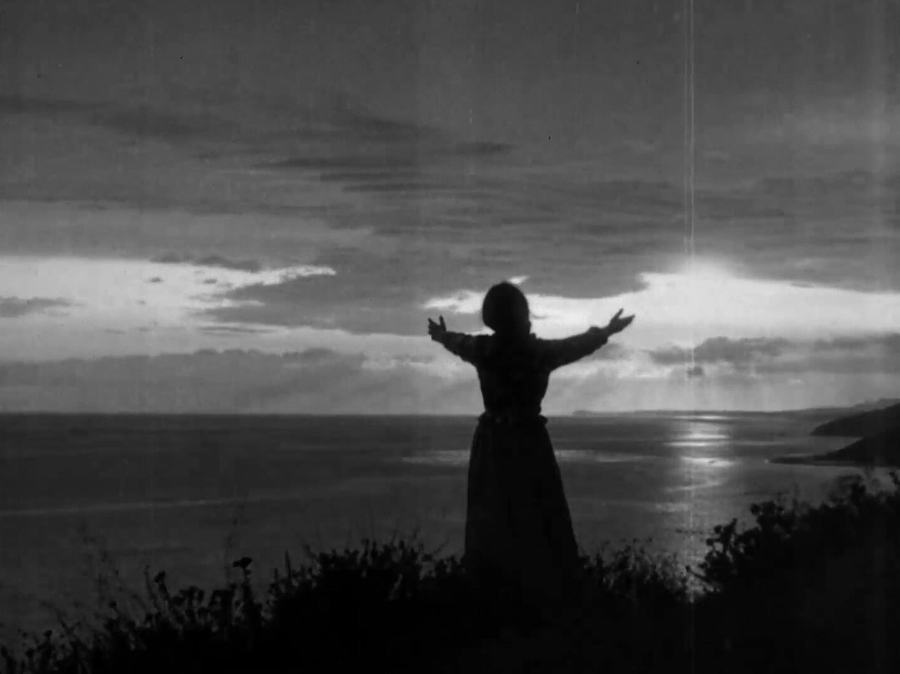
Long before the 'Final Girl' or the 'Femme Fatale' became academic subjects, early cinema was experimenting with women who refused to play the victim. Theda Bara, in The She Devil, embodied the 'vamp'—a character of exotic, spirited peasant roots who manipulated and discarded suitors with a ferocity that shocked contemporary audiences. This brand of female agency was dangerously alluring, laying the groundwork for the cult of the anti-heroine. In The Gun Woman, we see a saloon owner who takes justice into her own hands after being betrayed by a lover. This subversion of the Western genre, where the woman is neither a damsel nor a domestic fixture, predates the revisionist Westerns of the 1960s by decades.
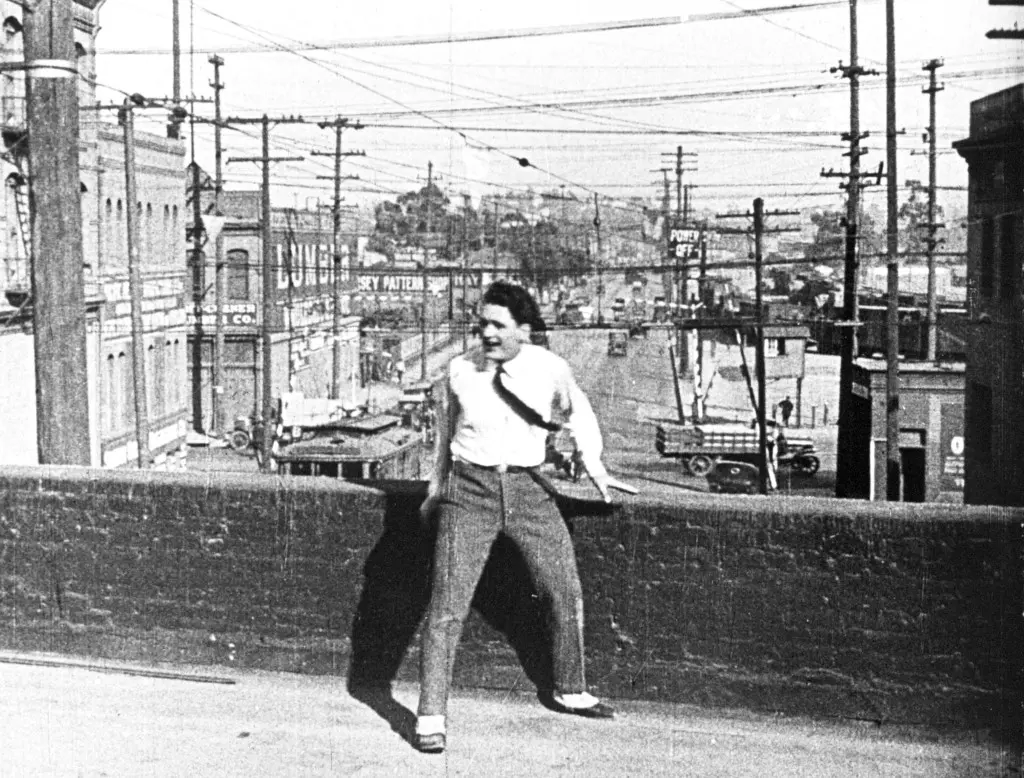
Even in more traditional dramas like The Selfish Woman or Social Ambition, we see the cracks in the moral facade. The 'selfish' Lucille or the socially ambitious wives were not just villains; they were complex representations of desire and rebellion against the domestic sphere. This complexity is what draws a cult following—a refusal to adhere to simple binary morality. In The Woman Conquers, the protagonist Ninon Le Compte leaves society behind for the harsh Hudson Bay area, proving that the 'cult of the survivor' was a narrative force even in 1922. These films allowed audiences to witness a different kind of womanhood, one that was rugged, ambitious, and often morally gray.
The Aesthetic of Anarchy: Vertov and the Newsreel as High Art
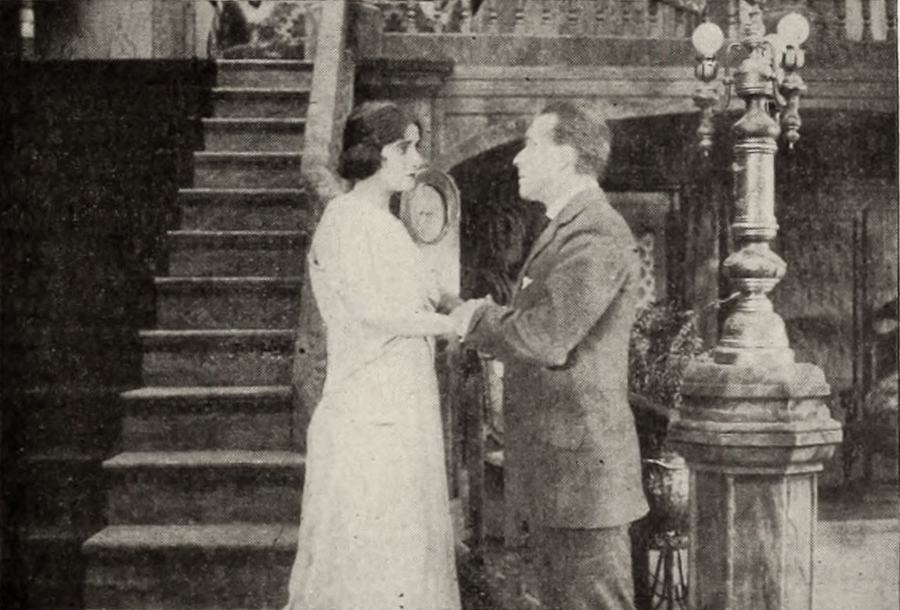
If cult cinema is defined by its rejection of standard narrative structures, then Dziga Vertov is its patron saint. His Kino-Pravda series (notably No. 5 and No. 13) transformed the newsreel from a simple document into a 'film poem.' By documenting Russian life with a radical, rhythmic editing style, Vertov and his collaborators, Elizaveta Svilova and Mikhail Kaufman, invented a visual language that felt alien and revolutionary. This was the birth of the avant-garde cult, where the medium itself becomes the message. The 'Yesterday, Today, Tomorrow' poem of Kino-Pravda No. 13 was not just about the October Revolution; it was about the revolution of the eye.
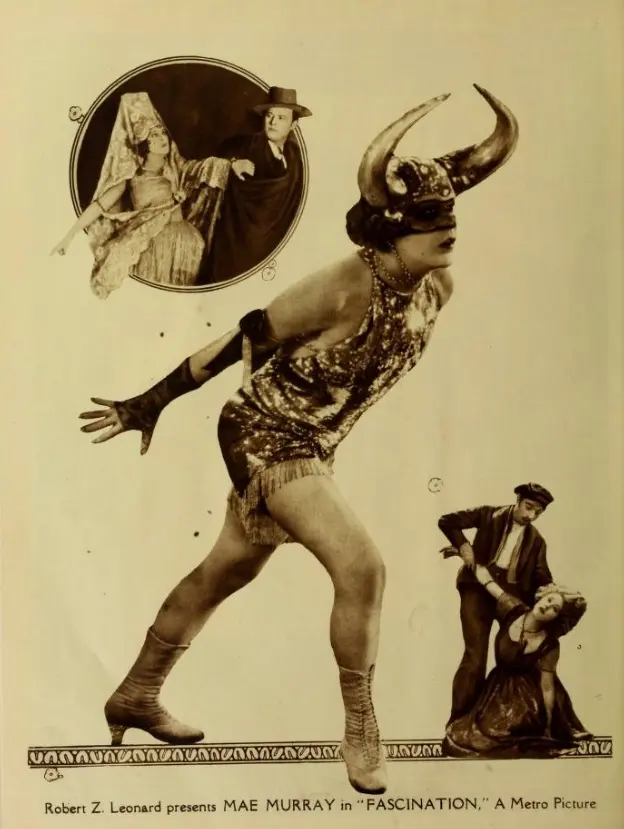
This experimental pulse can also be found in the early animation of the era. Invisible Ink, featuring a hand-drawn clown who interrupts his own creator, was a meta-narrative masterpiece long before 'meta' was a buzzword. It challenged the boundaries between the creator and the created, a theme that would later haunt cult classics like 'Videodrome' or 'In the Mouth of Madness.' This self-awareness, this breaking of the fourth wall, is a key ingredient in the cult experience, as it acknowledges the artifice of cinema and invites the viewer to participate in the game.
The Moral Abyss: Sodom, Gomorrah, and the Spectacle of Sin
Cult films often thrive on the forbidden, and nothing was more forbidden in the early 20th century than the explicit depiction of moral decay. Sodom and Gomorrah (1922) used biblical allegory to showcase a level of luxury, leisure, and eventual destruction that fascinated and repelled audiences. The film’s focus on the young model Mary and her choice between true love and the multimillionaire Jackson Harber served as a critique of modern materialism, yet its lavish production values made it a spectacle of the very sins it condemned. This duality—the condemnation and celebration of 'the forbidden'—is the core of the cult movie’s magnetic power.
Similarly, The Birth of a Nation, while rightfully condemned today for its racism and historical revisionism, remains a foundational text in the study of cult behavior and 'forbidden' cinema. It demonstrated how a film could galvanize an audience, for better or worse, creating a fervor that transcended the screen. It is the ultimate example of cinema as a social force, albeit a destructive one, and it forced the industry to confront the power of the image. On the opposite end of the spectrum, films like The Good Provider explored the Jewish immigrant experience with a sensitivity that created its own dedicated community of viewers. By depicting the transformation of Julius Binswanger from a poor peddler to a prosperous man, the film spoke to a specific cultural identity, fostering a 'cult of recognition' among those who saw their own lives reflected on screen.
Genre Mutations: From The Scarlet Runner to The Night Rider
The early century was a laboratory for genre mutation. The serial format, as seen in The Scarlet Runner, with its twelve episodes of high-powered automobile adventures, created a proto-fandom. Audiences didn't just watch a movie; they followed a character, Christopher Race, through unrelated but thrilling exploits. This episodic devotion is a direct ancestor to the 'fandom' culture of today. Meanwhile, the Western was already beginning to eat itself. The Rope's End and The Night Rider took the archetypes of the frontier and stripped them down to their most visceral elements. These were short, sharp shocks of cinema that prioritized action and atmosphere over complex plotting—a trait shared by the grindhouse films of the 70s.
In Just Squaw, the narrative of abandonment and racial identity provided a darker, more embittered look at the American West. The story of Fawn and her half-Indian brother refused the easy heroics of the 'cowboy' mythos, opting instead for a tragedy of identity and blood. This willingness to explore the 'unhappy' or 'unresolved' ending is a hallmark of the cult film. It leaves the audience with questions rather than answers, ensuring that the film lingers in the mind long after the lights come up. Even in comedy, such as Bungalow Troubles or Sis Hopkins, the humor often stemmed from social friction and the 'misfit' nature of the characters, rather than simple slapstick. Sis Hopkins, the 'coarse country girl,' was a disruptor, a proto-punk figure who upended the social order of the general store.
The Legacy of the Forgotten: Why We Seek the Silent Fringe
Why do we continue to excavate these forgotten reels? Because in films like Salainen perintömääräys or Tangled Hearts, we find the raw, unpolished energy of a medium that didn't yet know it had to be 'respectable.' These films were the wild west of creativity. Whether it was the marital discord of La verità nuda or the high-seas distress of Livets Omskiftelser, there was a sense of urgency and discovery in every frame. The cult movie is, at its heart, a search for authenticity in the margins. It is a rejection of the polished, the predictable, and the safe.
The 'midnight' spirit is not about the time of day a film is shown; it is about the state of mind it induces. It is the feeling of discovering a secret, of joining a congregation of the disenfranchised. From the Italian muscle-man epics like Maciste poliziotto to the intense Russian dramas like Tsar Ivan Vasilevich Groznyy, these early outliers prove that cinema has always been a place for the strange, the transgressive, and the misunderstood. As we move further into the digital age, the nitrate ghosts of the past—the Gun Women, the Cagliostros, and the Kino-Pravda visionaries—continue to haunt our collective subconscious, reminding us that the most enduring art is often that which was never meant for the masses.
In conclusion, the 'Flicker’s Forbidden Gospel' is a testament to the enduring power of the cinematic outlier. By revisiting these early 20th-century works, we don't just see the history of film; we see the history of our own obsessions. We see the first sparks of a flame that still burns in the hearts of every cinephile who has ever sought out a film because it was 'different,' because it was 'weird,' or because it spoke a language that only they could understand. The cult of cinema is as old as the camera itself, and as long as there are stories that defy the norm, there will be a midnight audience waiting in the dark to receive them.
Community
Comments
Log in to comment.
Loading comments…