
Deep Dive
The Outlier’s Grimoire: Decoding the 1910s Celluloid Anomalies That Invented Cult Obsession
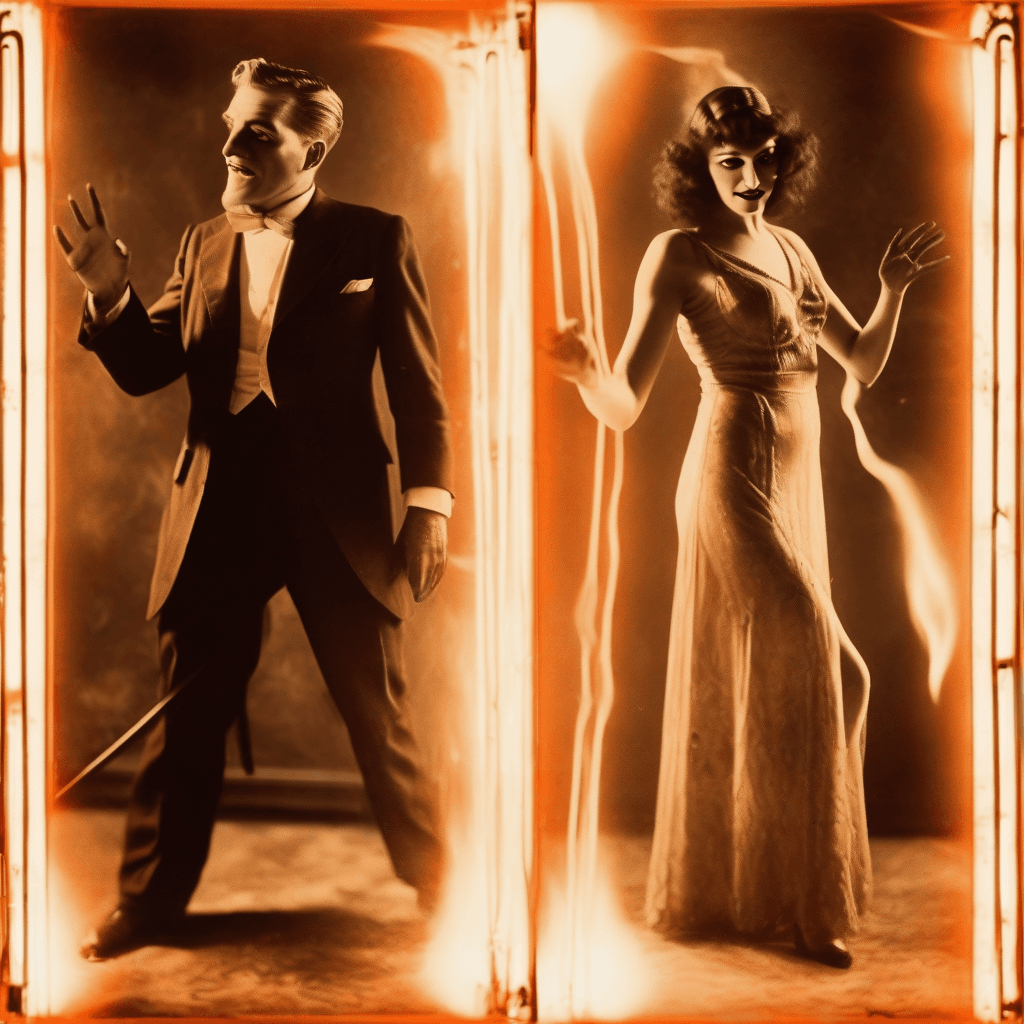
“A deep dive into the transgressive, weird, and socially defiant reels of the 1910s that laid the foundational blueprint for modern cult cinema and midnight movie culture.”
The concept of the "cult film" is often tethered to the neon-soaked midnight screenings of the 1970s or the VHS-driven discoveries of the 1980s. However, as any seasoned film historian or obsessive cinephile knows, the DNA of the transgressive, the weird, and the socially defiant was encoded into the celluloid long before the term "cult" was ever whispered in a theater lobby. To understand the roots of our modern obsession with the cinematic fringe, we must look back to the 1910s—a decade where the rules of storytelling were still being written, and where a series of bizarre, melodramatic, and often shocking anomalies laid the groundwork for everything we now define as cult cinema.
The Faustian Spark: Supernatural Subversion
Every cult movement needs a touch of the occult, a flirtation with the forbidden that separates the casual viewer from the devotee. In 1917, Satan's Rhapsody (Satanas rapsodia) provided exactly that. This Faustian tale of an old woman making a pact with Mephisto to regain her youth—under the condition that she must never love—is a primal ancestor to the dark fantasies of Polanski or Cronenberg. It established the "forbidden deal" as a core cult trope, where the protagonist's desires lead them into a surreal, inescapable nightmare. The visual language of such films, often tinted with eerie hues, invited a gaze that was less about passive consumption and more about an immersive, almost ritualistic experience.
Similarly, The Image Maker explored the mystical and the ancient, transporting audiences to ancient Egypt where a Prince of Tsa, bored by feasts, seeks adventure in a boatman's garb. These films weren't just stories; they were aesthetic escapes into the "other." They utilized the exotic and the supernatural to bypass the mundane reality of the early 20th century, a characteristic that remains a hallmark of cult fandom today.
The Social Outcast and the Revenge Narrative
If cult cinema is defined by its embrace of the marginalized, then the 1910s were a goldmine of proto-cult icons. Take, for instance, The Serpent (1916). The narrative of Vania, a peasant girl assaulted by a Duke who later becomes a famous actress to enact her revenge, is a direct precursor to the "rape and revenge" subgenre that would later haunt 42nd Street grindhouses. Vania is the quintessential cult protagonist: a victim who transforms into a powerful, albeit morally complex, force of nature. This theme of the social outlier reclaiming power is echoed in The Girl Alaska, where Mollie McCrea disguises herself as a boy to survive the Yukon. These stories of gender-bending and identity-stripping were radical for their time, challenging the rigid social hierarchies of the era and providing a blueprint for the subversive characters that cult audiences adore.
The tension between individual desire and societal expectation is a recurring motif. In The Weakness of Man, we see the tragic results of a man forced into an aristocratic marriage while his heart remains with an actress. This critique of the "proper" social order—and the celebration of the "improper"—is the very soul of the cult gaze. We don't root for the lawyer in Chains of the Past; we empathize with the woman who finds her married life repugnant. We are drawn to the friction, the failure of the system, and the messy humanity that leaks through the cracks of polite society.
The Medical Oddity and Public Panic
Cult cinema has always had a voyeuristic relationship with the grotesque and the clinical. Before we had the body horror of the late 20th century, we had dramatized public information films like Dr. Wise on Influenza (1919). Created during the grip of the Great Influenza, these films were meant to educate, but their stark, often terrifying imagery of sickness and death gave them a secondary life as objects of morbid fascination. They represent the "found footage" or "industrial film" niche of cult collecting—films that were never intended to be art but became compelling through their sheer, unvarnished strangeness.
This fascination with the "red plague" and societal decay is further explored in Remorse, a Story of the Red Plague and The Rights of Man: A Story of War's Red Blotch. These titles, dripping with sensationalism, promised a look into the shadows of the human condition. They were the "exploitation" films of their day, using real-world fears to create a heightened, melodramatic reality that feels surprisingly modern in its cynicism.
Genre Bending: From Westerns to Weirdness
The 1910s were a period of intense experimentation where genres hadn't yet been calcified into the predictable structures we see today. True Blue (1918) might look like a standard Western, but its focus on an Englishman in Arizona inheriting a ranch introduces a fish-out-of-water element that subverts the traditional frontier myth. Similarly, Roarin' Dan features a hero who is a "wild cowboy of good intentions but addicted to gambling," a far cry from the pristine, moralistic heroes of the mainstream. These characters—flawed, addicted, and often on the wrong side of the law—are the ancestors of the anti-heroes that populate cult classics like *The Harder They Come* or *El Topo*.
Even the shorts of the era displayed a penchant for the absurd. The Stage Hand (1920), featuring Larry, a stagehand who ruins everything he touches, is a masterclass in chaotic energy. Cult audiences have always been drawn to films where things "go wrong," whether it's a technical failure or a character whose very existence is an affront to order. This lineage of slapstick-as-anarchy can be traced directly to the "midnight movie" spirit of celebrating the beautiful mess.
The Femme Fatale and the Gaze of Obsession
No discussion of cult cinema is complete without the figure of the mysterious, often dangerous woman. In Colomba (1918), we are introduced to an elegant femme fatale who keeps men trapped in a web of romantic fantasies. This archetype—the woman who is both the object of desire and the architect of destruction—is a cornerstone of noir and its cult derivatives. The obsession she inspires in the characters on screen mirrors the obsession the film inspires in its audience. We see a similar dynamic in The Love Swindle, where Diana Rosson must navigate a sea of unwelcome suitors, using her wit and wealth to maintain her autonomy.
These films were often dismissed by contemporary critics as mere "melodrama," but it is precisely that heightened emotionality—the "too-muchness"—that defines the cult experience. Whether it is the intense rivalry of the mountain clans in The Stronger Love or the tragic irony of The Blindness of Virtue, these films operate on a frequency that is louder, darker, and more vibrant than the middle-of-the-road fare of the time.
The Unofficial Canon: Why These Misfits Matter
Why do we still look back at films like The Triumph of the Weak (1918) or The Running Fight? It’s because they represent the first time cinema dared to be ugly, complicated, and niche. The Triumph of the Weak, following a paroled woman trying to reclaim her child from an institution, deals with the crushing weight of the legal system and the resilience of the marginalized. The Running Fight gives us a crooked banker using his daughter's name for a secret account, a cynical take on the American dream that feels like a precursor to the corporate thrillers of the 70s.
Even the most obscure titles in this list, like The Genet (a study in color of a small animal used for trapping rodents) or Horseshoe and Bridal Veil, contribute to the cult ethos. They represent the "curio"—the film that exists for a singular, strange purpose and is rediscovered decades later by a viewer who finds beauty in its specificity. Cult cinema is a broad church, and its pews are filled with everything from Faustian epics to rodent documentaries.
Conclusion: The Eternal Midnight
The 1910s were not just the "early days" of movies; they were the wild west of the imagination. Before the studio system could fully sanitize the medium, filmmakers were exploring the darkest corners of human nature, from the political intrigue of Julius Caesar to the patriotic fervor and secret inventions of My Country First. They were experimenting with color, with narrative structure, and with the very boundaries of what was acceptable to show on screen.
When we watch a modern cult classic, we are seeing the echoes of these early anomalies. We are seeing the ghost of Vania’s revenge, the shadow of Mephisto’s bargain, and the chaotic energy of the stagehand. These films were the first to prove that cinema could be more than just a diversion; it could be a ritual, a rebellion, and a lifelong obsession. The cult gaze didn't start in a midnight theater in 1975; it started in the flickering, silent, and wonderfully strange world of the 1910s. As we continue to unearth these forgotten reels—from Mystic Mush to A Pistol-Point Proposal—we aren't just looking at history; we are looking at the blueprint of our own cinematic souls.
The next time you find yourself captivated by a film that feels "off," "weird," or "uniquely transgressive," remember that you are part of a century-old tradition. You are a descendant of the audiences who marveled at the color of The Genet and shivered at the implications of The Serpent. The outlier’s grimoire is vast, and its pages are still being turned, one flickering frame at a time.
Community
Comments
Log in to comment.
Loading comments…