
Deep Dive
The Occult of the Ordinary: How Early Cinema’s Misfit Reels Prefigured the Midnight Movie Ritual
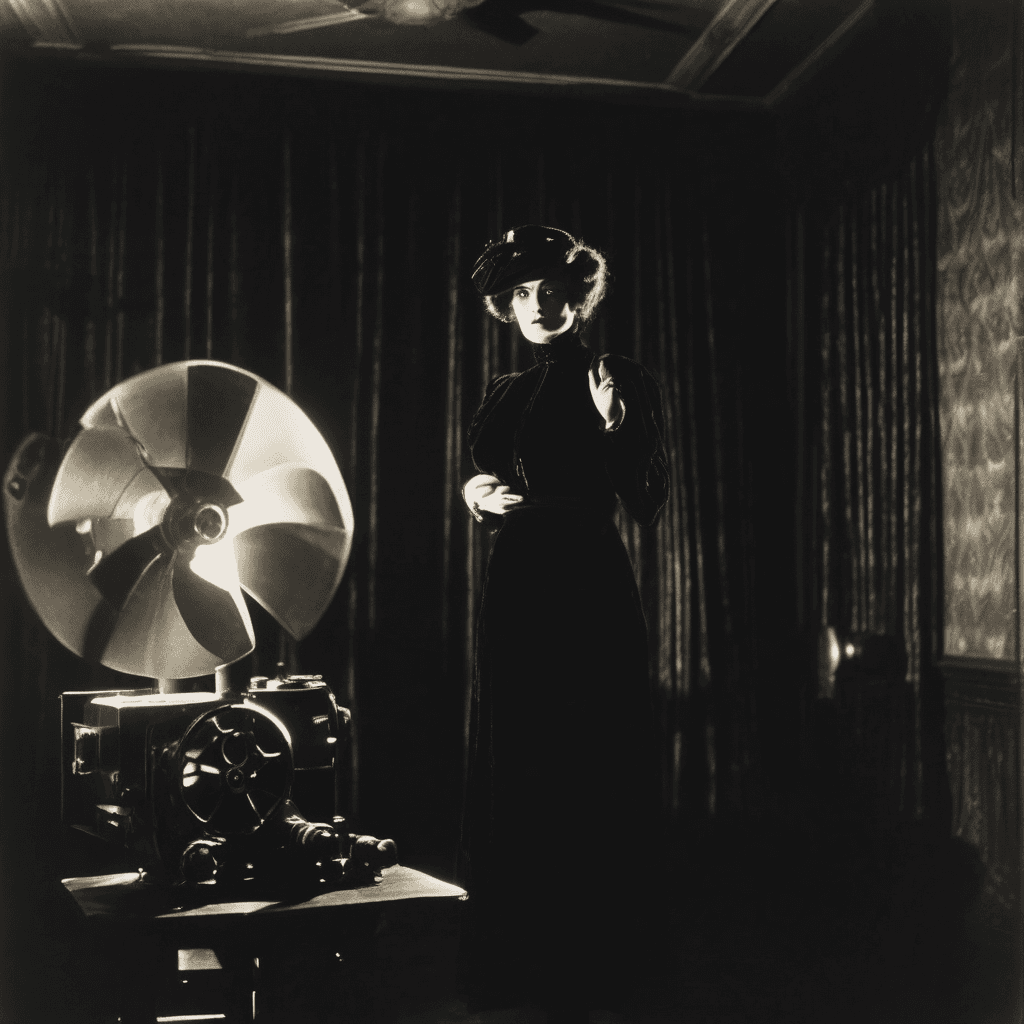
“A deep dive into the transgressive, bizarre, and genre-defying films of the 1910s that laid the foundations for modern cult cinema obsession.”
To understand the modern midnight movie, one must look beyond the neon-soaked 1970s and dive deep into the nitrate-stained shadows of the early 20th century. Cult cinema is often defined by its relationship with the audience—a ritualistic, obsessive, and frequently transgressive engagement with the moving image. While the term "cult film" didn't exist in the 1910s, the DNA of the deviant reel was already being spliced into the celluloid of the era. These were the films that refused to fit into the burgeoning Hollywood mold, opting instead for moral ambiguity, stylistic excess, and narratives that challenged the social status quo. From the high-stakes espionage of The Pagan God to the surrealist fantasies of Peer Gynt, the foundations of niche obsession were laid long before the first screening of The Rocky Horror Picture Show.
The Transgressive Feminine: Icons of Obsession
The cult gaze has always been drawn to the powerful, the dangerous, and the misunderstood woman. In the silent era, this archetype was perfected by actresses who embodied a sense of "otherness." Take, for instance, The Tiger Woman (1917). As Princess Petrovich reviews her life of "unmitigated evil" while facing execution, the film invites a form of dark empathy that is a hallmark of cult worship. This isn't just a morality tale; it is a celebration of the anti-heroine. Similarly, Salome (1918) explores the intersection of religious fervor and erotic obsession, a theme that would later define the works of cult directors like Ken Russell or Pier Paolo Pasolini. The image of Salome dancing for the head of John the Baptist is a primal flicker of the transgressive energy that fuels midnight screenings.
These films provided a blueprint for the "diva" cult, where the performer becomes a deity. In Borrowed Plumage, we see the kitchen maid Nora donning the finery of the aristocracy, a subversion of class that resonates with the camp sensibilities of later cult classics. The act of "donning a mask" or performing an identity is central to the cult experience. Whether it is the identity-bending in The Wild Olive, where Miriam Strange grapples with her indigenous heritage, or the social masquerades in Merely a Maid, early cinema was obsessed with the fluidity of the self. This fluidity is exactly what attracts marginalized audiences to specific films, creating a bond that transcends the screen.
Genre-Bending and the Birth of Cinematic Dread
Horror, Fantasy, and the Macabre
The cult of the macabre found its first true expressions in the silent era’s flirtations with horror and the supernatural. Der Vampyr (1920) and Pest in Florenz (1919) are not merely early genre entries; they are atmospheric experiments that prioritize mood over traditional narrative logic. Pest in Florenz, with its tale of an evil seductress bringing a city to its knees during a plague, prefigures the "body horror" and "social decay" tropes of modern cult cinema. The visual language of these films—stark shadows, distorted perspectives, and a sense of impending doom—created a template for the expressionist nightmares that would follow.
Even the more "grounded" thrillers of the time possessed a strange, unsettling energy. Mitternacht (Midnight, 1918) uses the safe-cracking mystery as a vehicle for exploring domestic terror, while The Case of Lady Camber (1915) delves into the poisonous dynamics of a philandering Lord and his invalid wife. These films often featured what we now call "the twist," a narrative device that rewards repeat viewings. In His Wife's Friend, the arrival of an old suitor into a marriage defined by a passion for chess (rather than romance) creates a tension that is almost Hitchcockian. This psychological depth is what keeps these films alive in the minds of cinephiles, long after the nitrate has crumbled.
The Serial Obsession: From Adventure to Fanaticism
Before the binge-watching era, there was the serial. The Adventures of Kathlyn (1913) and The Ventures of Marguerite (1915) were more than just movies; they were weekly rituals. The character of Kathlyn, battling wild animals and native kings in India, represented a new kind of screen hero—one that invited a fanatical level of devotion. This episodic nature of early cinema encouraged a "completist" mindset, a core component of cult fandom. The audience didn't just watch Kathlyn; they lived her adventures, collecting lobby cards and discussing her latest escape with the same fervor modern fans reserve for complex cinematic universes.
This sense of adventure often crossed into the bizarre. Die Luftpiraten (The Air Pirates, 1920) and Flying Colors (1917) pushed the boundaries of what was physically possible on screen. In Flying Colors, a Yale athlete turned detective uses his pole-vaulting skills to solve crimes—a premise so delightfully absurd it could easily be the plot of a 1980s cult action flick. This embrace of the "high concept" and the "ridiculous" is a key ingredient in the cult cocktail. It is the willingness to be "too much"—too daring, too silly, or too strange—that separates the cult object from the mainstream product.
Social Subversion and the Moral Outlier
Cult cinema often finds its home in the "forbidden." In the 1910s, films like Common Property (1919) tackled themes that were profoundly uncomfortable for the general public. The film’s depiction of a decree nationalizing women as "common property of the state" is a shocking piece of political provocation. While it functioned as anti-Russian propaganda, its central conceit is so transgressive that it lingers in the mind as a dark, dystopian fantasy. Similarly, The Innocent Sinner (1917) and A Wife on Trial (1917) explored the "underworld milieu" and the moral complexities of poverty and marriage, often siding with the "sinner" over the judgmental society.
These films acted as a mirror to the anxieties of a world in flux. The Soul of Youth (1920) portrayed the "life of sin" on the streets with a grit that was rare for its time, while Through Dante's Flames (1914) used the imagery of the Inferno to tell a story of counterfeiting and police raids. There is a raw, unpolished quality to these narratives that feels "authentic" in a way that polished studio productions do not. This authenticity is what cult audiences crave—a sense that they are seeing something "real," even if it is wrapped in the artifice of a silent melodrama.
The Comedy of the Absurd
We cannot discuss cult cinema without mentioning the role of the absurd. An Amateur Devil (1920) features a young man trying to disgrace his family name by working as a... well, the title says it all. This kind of self-aware, subversive humor is a direct ancestor to the "anti-comedy" found in modern cult circles. Tillie's Tomato Surprise (1915) and The Soft Boiled Yegg (1920) utilized physical comedy and surreal situations to poke fun at the very medium of film. Even the shorts, like Nearly Married (1920) or Kärlek och björnjakt (Love and Bear Hunting, 1920), displayed a whimsical disregard for traditional storytelling, opting instead for kinetic energy and visual gags that bordered on the dadaist.
The Documentary as Otherness
Even the early documentary (or "actuality") films contributed to the cult of the strange. Atop of the World in Motion (1916) brought the "alien" landscapes of arctic Alaska and Siberia to audiences who had never seen an ice floe or a dog sled run. These films functioned as a form of "travelogue cult," where the fascination with the exotic and the "unseen" created a niche market for ethnographic curiosities. Our Bridge of Ships (1918) and Horseshoe and Bridal Veil (1920) might seem like straightforward propaganda or travelogues, but to a modern eye, they are artifacts of a lost world, possessing a haunting, spectral quality that invites a different kind of obsessive analysis—the kind that looks for ghosts in the machinery.
Conclusion: The Eternal Flicker of the Misfit Reel
The 50 films discussed here—from the high-society drama of Baccarat (1919) to the gritty Western justice of Eastward Ho! (1919)—represent a cross-section of a cinematic era that was far more experimental and daring than it is often credited for. These were the anomalies, the outliers, and the misfits. They were films like The Hidden Truth (1919), where a Western singer befriends an abused wife, or The Hellion (1919), which deals with the dark consequences of greed and insanity. They were narratives that didn't always provide happy endings or clear moral lessons.
When we watch Peer Gynt (1915) today, we aren't just watching an adaptation of Ibsen; we are witnessing the birth of the cinematic fantasy epic, complete with the "ne'er-do-well" protagonist who finds salvation in the most unlikely of places. When we seek out The Empty Cab (1918) or The Lost Detective (1917), we are participating in the same ritual of "finding the forgotten" that drives the modern cult film collector. The silent era was not just the beginning of cinema; it was the beginning of the cinematic obsession. It was the moment when the flicker on the screen stopped being a novelty and started being a mirror for our darkest, strangest, and most beautiful impulses. The "midnight movie" didn't start at midnight; it started the moment the first projector was turned on in a dark room, and a small group of people decided that what they were seeing was more than just a movie—it was a way of life.
As we continue to unearth these nitrate treasures, from Snares of Paris (1919) to The Joan of Arc of Loos (1916), we find that the line between the past and the present is thinner than we thought. The "cult gaze" is an ancient one, and as long as there are films that defy the mainstream, there will be an audience waiting in the shadows to claim them as their own. The occult of the ordinary remains, flickering eternally in the heart of the misfit reel.
Community
Comments
Log in to comment.
Loading comments…