
DbcultAccessing Vault...
Cult Cinema Deep Dive
Senior Film Conservator
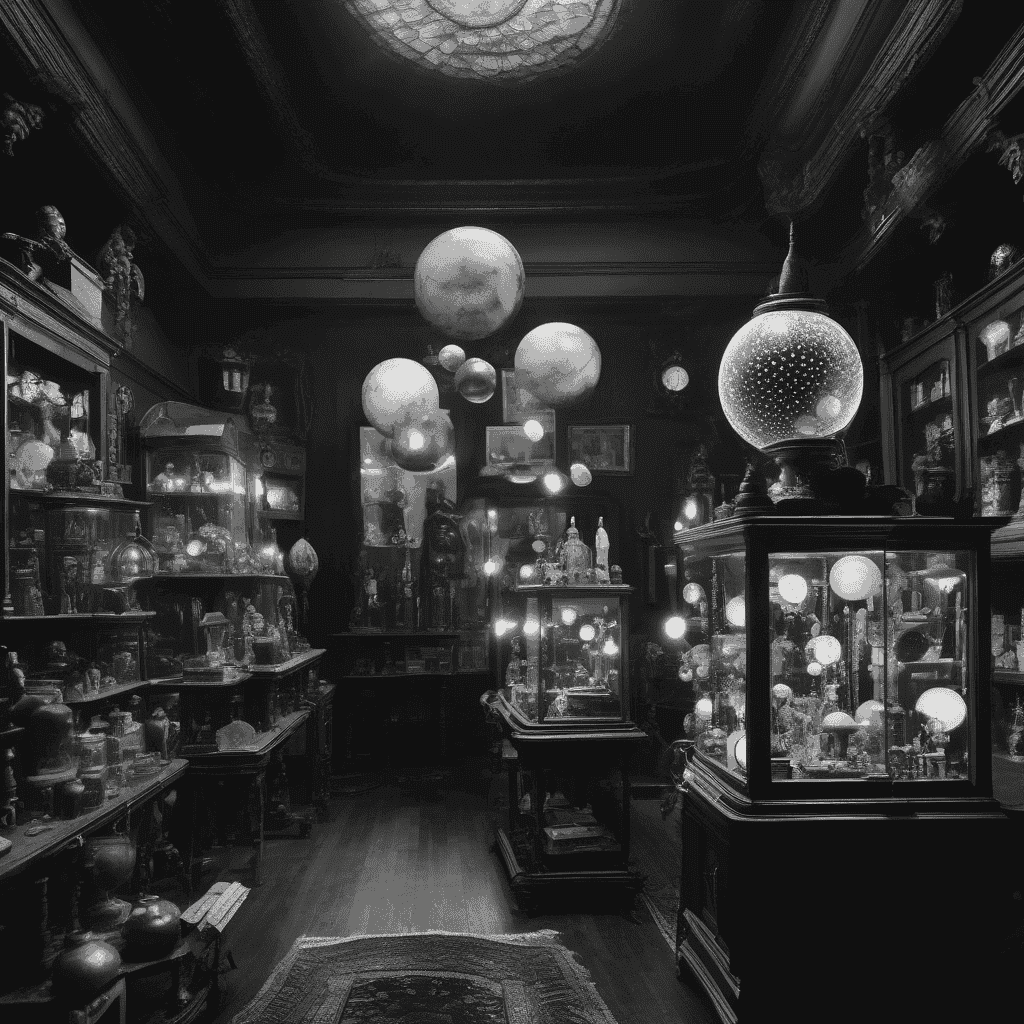
The concept of the 'cult movie' is often tethered to the neon-drenched midnight screenings of the 1970s or the VHS-trading circles of the 1980s. We think of The Rocky Horror Picture Show or the transgressive filth of John Waters. However, the psychological architecture of the cult gaze—that specific, obsessive mode of spectatorship that prioritizes the strange, the marginal, and the aesthetically defiant—was actually constructed decades earlier. In the flickering shadows of the 1910s, a period often dismissed as the 'primitive' infancy of the medium, a series of cinematic anomalies were quietly sowing the seeds of what would become the cult phenomenon. These were not the polished prestige pictures of the era, but rather the outliers: the pulp serials, the psychological fever dreams, and the social melodramas that pushed against the boundaries of early 20th-century respectability.
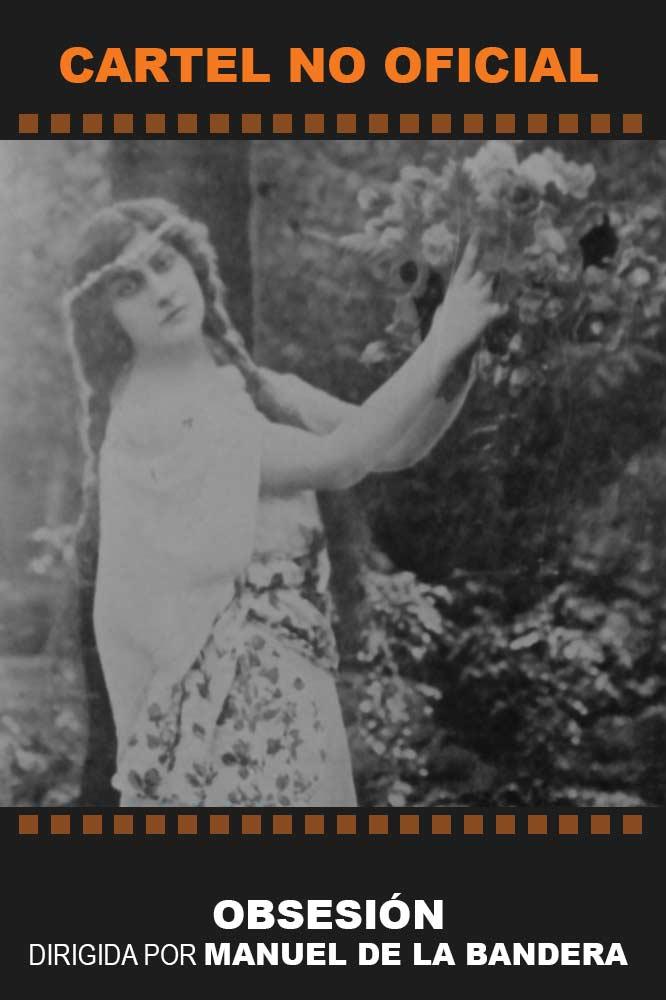
To understand the roots of cult obsession, one must look at the 1916 curiosity The Romantic Journey. In this film, we see a protagonist suffering from 'ennui'—that very modern sense of listless boredom that often drives audiences toward the unconventional. Peter, the social lion, finds himself in a mysterious antique shop run by Ratoor, an East Indian hypnotist. This setting is more than a plot device; it is a recurring motif in cult cinema—the 'liminal space' where the mundane meets the magical. The presence of hypnotism as a central theme in films like this (and others like The Yellow Menace) mirrors the hypnotic relationship the cult viewer has with the screen. Ratoor’s enslavement of Cynthia through mental suggestion is a primitive, perhaps accidental, allegory for the way certain films 'capture' their audience, leading to the repeat viewings and ritualistic devotion that define cult culture.
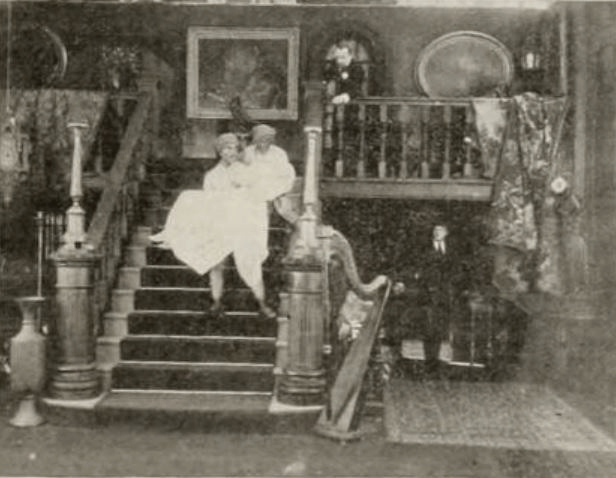
Cult cinema thrives on the 'Other'—the villain who is more interesting than the hero, or the vigilante who operates outside the law. The Yellow Menace (1916) introduced Ali Singh, a Mongolian scientist of 'depth and originality' who embodies the fanatical ambition found in later cult icons. While the film carries the unfortunate xenophobia of its time, Ali Singh’s transition from a thinker to a 'brutal fiend' provides a blueprint for the complex, often sympathetic antagonists of the 1910s. Similarly, The Purple Mask (1916) offers Patricia Montez, a socialite who moonlights as a benefactor for the suffering poor in Paris. This duality—the secret identity, the mask, the performative rebellion—is the foundational DNA of the 'camp' and 'superhero' cults that would dominate the late 20th century. These films weren't just stories; they were spectacles of identity, inviting the audience to imagine themselves as something more than their rigid social roles allowed.
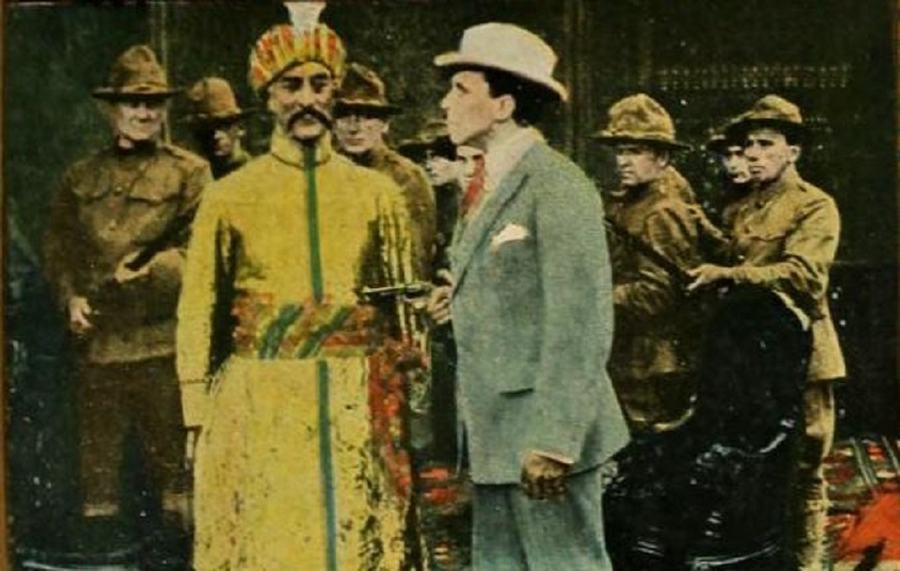
One of the hallmarks of a true cult film is a sense of place that is slightly 'off'—a world that operates on its own surreal logic. Take, for instance, the 1917 comedy Where D'Ye Get That Stuff?. The film is set in a small European town called 'Eczema.' The very choice of this name suggests a subversive, slightly grotesque sense of humor that feels remarkably ahead of its time. It’s the kind of detail that a casual viewer might ignore, but a cult obsessive would champion. The plot involves a soda fountain worker named Sallie getting tangled up with white slavers and murder plots, blending the mundane with the extreme in a way that prefigures the 'trash' aesthetic of later decades. This collision of low-brow comedy with high-stakes crime creates a tonal dissonance that is a hallmark of the cult experience.
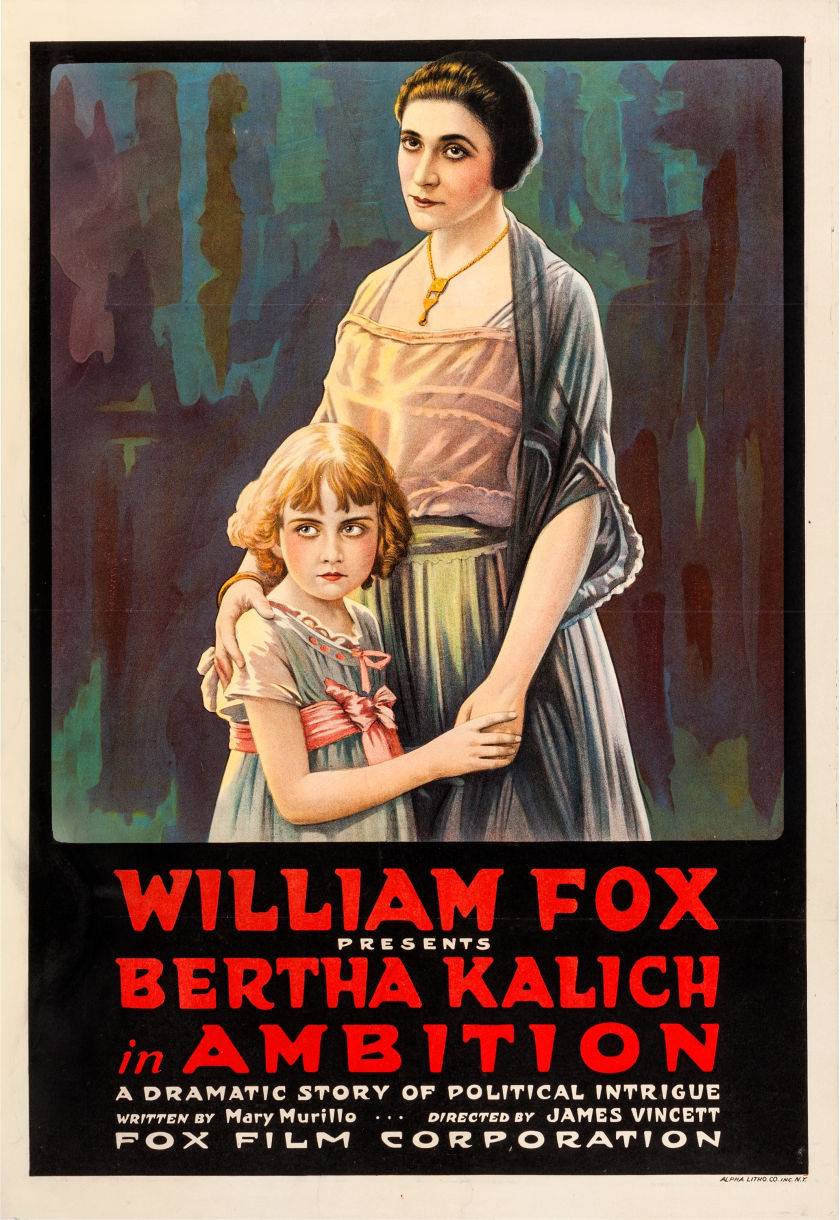
Long before David Lynch or Darren Aronofsky explored the disintegration of the self, the 1917 Hungarian film Gólyakalifa (The Stork Caliph) was delving into the fractured psyche. Based on the novel by Mihály Babits, the film deals with a man living a double life in his dreams—a theme that resonates deeply with the cult audience's desire for escapism and the exploration of the 'shadow self.' The 1910s were a time of rapid industrialization and social change, and films like Gólyakalifa captured the resulting anxiety. This internal conflict is also seen in The Two Edged Sword, where Dorothy, bored with her marriage to the hardworking Gordon, seeks out a farm vacation that leads to a dangerous flirtation. These narratives of boredom and the subsequent search for 'the real' or 'the dangerous' are the primary drivers of the cult impulse.
Cult cinema is often defined by its willingness to tackle subjects that the mainstream avoids. In the 1910s, this transgression manifested in films like The Woman Suffers (1918) and Sold for Marriage (1916). The former deals with seduction, revenge, and the societal double standards placed upon women, while the latter explores the dark reality of a Russian girl being sold into marriage in the United States. These films used the 'melodrama' tag as a Trojan horse to deliver biting social critiques. For the modern viewer, these reels are 'cult' because they reveal the hidden undercurrents of their era—the anxieties about immigration, gender roles, and the commodification of beauty. They possess a raw, unvarnished quality that makes them feel more 'honest' than the sanitized classics of the silent age.
Finally, the cult of the 'epic' cannot be ignored. Films like Napoleon, Parsifal (1912), and Les amours de la reine Élisabeth (1912) offered a grandiosity that bordered on the religious. Parsifal, with its quest for the Holy Grail, and Les amours de la reine Élisabeth, starring the legendary Sarah Bernhardt, were treated as events rather than mere movies. This 'event cinema' fostered a ritualistic environment where the audience wasn't just watching a film; they were participating in a cultural moment. The sheer scale of these productions—the elaborate costumes, the historical weight, the theatrical acting—created a sense of awe that is the precursor to the 'fandom' culture we see today. When we look at the obsessive detail in The Cloister and the Hearth or the historical pageantry of Ireland, a Nation, we see the beginnings of the 'completist' mindset that drives fans to memorize every frame of their favorite epics.
The 1910s were not just a stepping stone to the 'Golden Age' of Hollywood; they were a wild, experimental frontier where the rules of cinema were being written and broken simultaneously. Films like Rübezahls Hochzeit, with its mountain spirits and elves, or Den grønne Bille, with its ruthless criminal underworld, provided the imaginative fuel for generations of filmmakers to come. These movies were the original 'midnight movies,' watched in nickelodeons and traveling carnivals by audiences who were hungry for something different. They are the 'forbidden flickers' that remind us that the heart of cinema has always been found in the strange, the beautiful, and the utterly bizarre. To truly appreciate the cult movies of today, we must first pay homage to the silent anomalies of the 1910s—the primitive reels that first taught us how to obsess.
Whether it is the tragic romance of La signora delle camelie or the high-stakes sports drama of Sporting Life, the 1910s offered a spectrum of human experience that was both grounded in reality and soaring in its ambition. These films, though often lost or forgotten by the general public, remain etched in the DNA of the medium. They are the artifacts of a time when cinema was still a mystery, a flickering light in the dark that promised to show us things we had never seen before. In the end, that is the essence of cult cinema: the promise of the unseen, the allure of the unknown, and the eternal power of the flicker.