
Cult Cinema
The Irresistible Magnetism: Unpacking Cult Cinema's Enduring Allure and Rebel Fandom
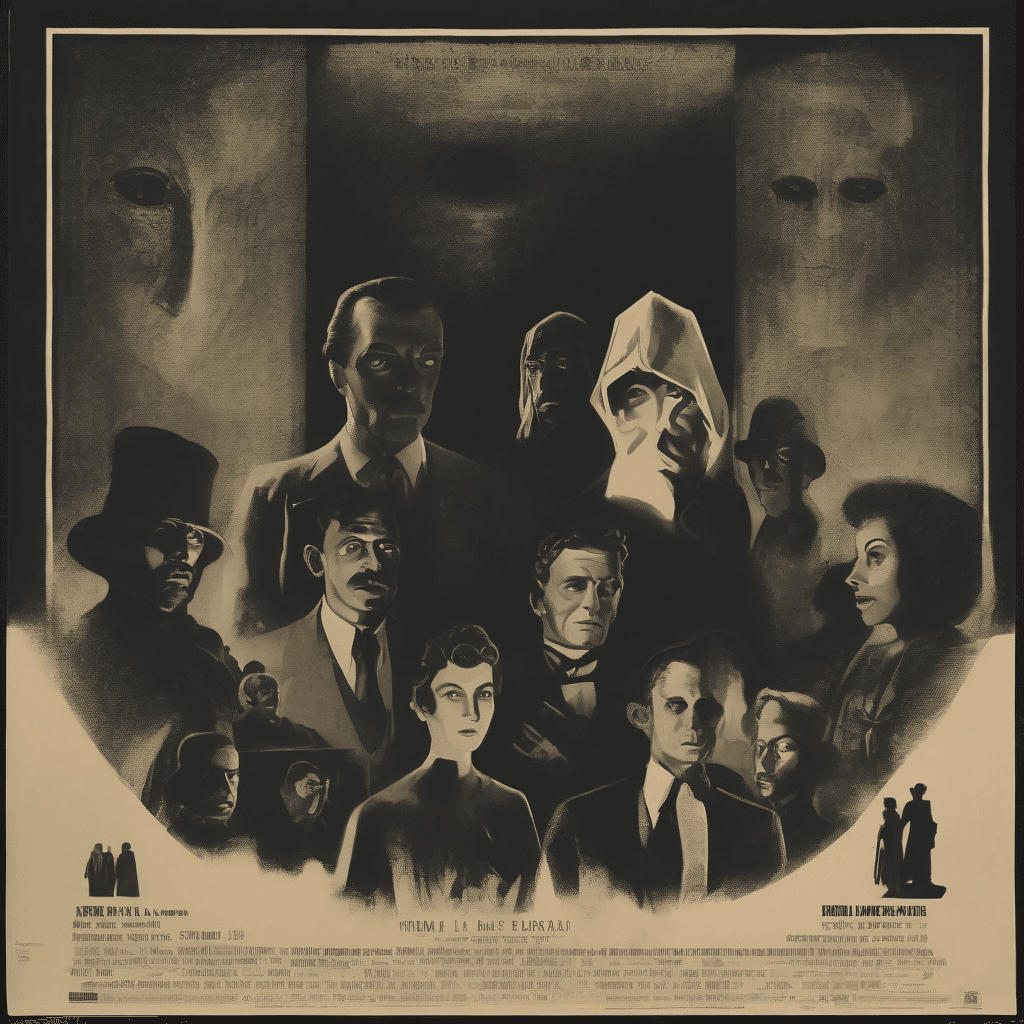
“Cult cinema thrives in the shadows, a realm where unconventional narratives and maverick visions forge unbreakable bonds with devoted audiences. This deep dive explores the enduring allure of films that defy mainstream categorization, finding their true power in the embrace of the fringe.”
In the vast, glittering galaxy of cinema, where blockbusters dominate screens and critical darlings garner accolades, there exists a peculiar, often overlooked constellation: cult cinema. These are not merely films that are popular; they are films that are worshipped. They are the cinematic outcasts, the misfits, the strange and the sublime, which, against all odds—and often in defiance of initial critical or commercial failure—have carved out an enduring legacy. What is it about these unconventional films, from the silent era's forgotten curios to modern-day midnight marvels, that fosters such fervent, almost religious, devotion among their rebel fandoms? It's an irresistible magnetism, a unique blend of transgressive themes, narrative audacity, and a profound sense of communal discovery that elevates them from mere entertainment to cinematic sacraments.
The Genesis of Obsession: Early Sparks of Cinematic Rebellion
The roots of cult cinema stretch back to the very dawn of the medium, long before the term 'cult film' even existed. Even in the nascent days of filmmaking, certain pictures, whether by design or accident, possessed an unconventional spirit that set them apart. These were often films that challenged societal norms, explored uncomfortable truths, or simply presented stories in ways that diverged sharply from the prevailing tastes of the time. While we might not retroactively brand every early outlier as a 'cult classic,' they undeniably laid the proto-cult foundations.

Consider the dramatic weight and moral quandaries of early narrative films. A title like The President, which delves into a judge confronting his illegitimate daughter's trial for infanticide, would have been profoundly transgressive for its era. Such a narrative, steeped in themes of societal judgment, hypocrisy, and the tragic consequences of concealed truths, echoes the thematic daring that would later become a hallmark of cult films. It’s a stark reflection of human fallibility that bypasses easy answers, inviting a deeper, perhaps uncomfortable, engagement from its audience.
Similarly, films that explored the plight of the social outcast resonated with a certain segment of viewers. The Sage Hen, for instance, depicts a woman driven from her town by cruel gossip, highlighting themes of ostracism and resilience. This narrative arc—the individual against the unyielding tide of societal judgment—is a powerful motif that cult cinema frequently embraces, offering solace and validation to those who feel marginalized. These early cinematic narratives, though often simple in execution, carried an emotional and moral complexity that could captivate and polarize, laying the groundwork for a more nuanced audience reception.

Even within established genres, there were films that pushed boundaries. The adventurous spirit of Dead Men Tell No Tales, a pirate tale brimming with conspiracy and danger, or the blended reality and fiction of Shipwrecked Among Cannibals, an early travelogue interspersed with fictionalized encounters, demonstrated a willingness to experiment with narrative structure and genre conventions. This genre-bending, this refusal to be neatly pigeonholed, is a defining characteristic of films that later achieve cult status. They refuse to play by the rules, challenging audience expectations and offering something genuinely unique.
The silent era also gave us early adaptations like Scrooge, which, while perhaps not 'cult' in the modern sense, showcased how fantastical or moralistic tales could be brought to life with a distinct vision. These films, often produced independently or on the fringes of major studios, fostered a spirit of creative freedom. They allowed for eccentricities, for stories that might not have immediate mass appeal but possessed an undeniable artistic integrity or thematic depth that would resonate deeply with a select few. This unconventional approach, an inherent maverick spirit, is the primordial soup from which cult cinema eventually emerged.
Beyond the Marquee: Decoding the Characteristics of the Cult Classic
So, what precisely imbues a film with this cult magnetism? It's rarely a singular factor, but rather a confluence of elements that coalesce to create an experience that transcends typical viewership, fostering a dedicated, almost obsessive, following.
Narrative Audacity and Thematic Dissent
At the heart of many cult films lies a profound narrative audacity. These are films that dare to tell stories differently, often embracing non-linear structures, ambiguous endings, or themes that are considered taboo or controversial. From the stark moral dilemmas in early dramas like Closed Doors, where a man commits murder to protect his marriage, to the complex web of betrayal and jealousy in Signori giurati..., these films refuse to offer neat, digestible conclusions. They provoke thought, challenge assumptions, and often leave audiences pondering long after the credits roll.

This thematic dissent can manifest in various ways: a critique of societal structures, an exploration of forbidden desires, or a celebration of the grotesque and the absurd. Films like The Great Accident, with its portrayal of a politician's irresponsible son amidst a prohibition campaign, touch upon the hypocrisy and moral failings of society. These narratives often speak to a counter-cultural sensibility, attracting viewers who feel alienated by mainstream narratives and seek stories that reflect a more complex, often darker, reality.
Aesthetic Singularities and Visionary Directors
Beyond the story itself, cult films are frequently distinguished by their unique aesthetic. This could be a distinctive visual style, innovative cinematography, or a directorial voice that is unmistakably singular. Think of the early cinematic experiments that pushed the boundaries of visual storytelling. While specific examples from the provided list might be hard to pinpoint without visual context, the very act of early filmmakers crafting narratives like The Man Tamer, set in the visually rich world of a circus, or the exotic locales of At the End of the World in Shanghai, suggests a conscious effort to create immersive and distinct cinematic experiences.

A visionary director often imbues a cult film with a palpable sense of authorship, a refusal to compromise on their artistic vision, even if it means alienating broader audiences. This uncompromising approach results in films that feel authentic, raw, and deeply personal. The visual language might be surreal, hyper-stylized, or starkly realistic, but it is always memorable. This auteur vision becomes a powerful draw for those who appreciate cinema as an art form that challenges perception rather than merely confirms it.
The Power of the Unseen and Underrated
A common thread in the cult cinema narrative is initial obscurity or outright failure. Many films now revered as classics were once dismissed, misunderstood, or simply flew under the radar. This post-release appreciation is crucial to their cult status. The feeling of discovering a hidden gem, an underrated masterpiece, creates a sense of ownership and intimacy among fans. It's akin to belonging to a secret society, privy to knowledge that the mainstream has overlooked.

Consider the myriad of early films that, while perhaps not box office sensations, possessed elements that would later be celebrated. A comedic short like The Gum Riot, with its absurd premise of liquor accidentally dropped into a gum vat, might have been a fleeting amusement in its day but embodies the kind of quirky, offbeat humor that later generations of cult enthusiasts would champion. Films like An Innocent Adventuress or The Little Intruder, though perhaps conventional in their time, represent the vast archive of cinematic history waiting to be re-evaluated through a modern lens, potentially revealing proto-cult sensibilities.
The journey from obscurity to adoration is often fueled by word-of-mouth, midnight screenings, and the tireless advocacy of dedicated fans. This process transforms a forgotten film into a cinematic legend, a testament to the idea that true artistic merit can, eventually, find its audience, no matter how long it takes.

Audience as Acolyte: The Ritual of Viewing
Perhaps the most defining characteristic of cult cinema is the unique relationship it fosters with its audience. Unlike mainstream films, which are consumed passively, cult films demand active participation. This can take many forms: repeated viewings to uncover hidden meanings, quoting iconic lines, dressing up as characters, or attending midnight movie screenings that become elaborate, communal rituals.
The shared experience of watching a cult classic in a room full of fellow acolytes creates a powerful sense of belonging. It's a cinematic sanctuary where individuality is celebrated, and shared obsessions forge unbreakable bonds. Whether it's the melodrama of Sweet Lavender, the dramatic tension of Behind Closed Doors, or the adventurous escapism of Captain of the Gray Horse Troop, these films offer a canvas for collective interpretation and celebration. The film itself becomes a focal point for a community of like-minded individuals who find resonance in its unconventional rhythms.
This fandom is not just about liking a movie; it's about identifying with its ethos, its characters, and its message. It's about finding oneself reflected in the film's rebellion, its weirdness, or its profound emotional core. This collective obsession transforms a film into a living, breathing entity, perpetually reinterpreted and celebrated by each new generation of fans.
From Fringe to Forever: The Cult's Enduring Legacy
The journey of a cult film is one of resilience and reinvention. What begins as a marginal curiosity often evolves into a cultural touchstone, influencing subsequent filmmakers, artists, and even broader societal trends. This enduring legacy is a testament to the power of unconventional storytelling and the unwavering loyalty of devoted audiences.

The advent of home video, and later digital streaming platforms, played a pivotal role in solidifying the cult canon. These technologies allowed previously obscure films to be discovered, re-evaluated, and shared more easily than ever before. A film like The Night Horsemen, an early Western drama, or The Great Romance, a royal saga, might have had limited theatrical runs but could find new life and appreciation in the living rooms of eager cinephiles, allowing their maverick visions to propagate.
Today, online communities, forums, and social media amplify this process, turning niche interests into global phenomena. Fans can connect, discuss theories, create fan art, and organize virtual midnight screenings, ensuring that the cult film experience remains vibrant and accessible. This digital ecosystem fosters an environment where films like the dramatic God and the Man or the period piece Redenzione, irrespective of their original reach, can find their designated tribe and continue to inspire dialogue.

The Maverick's Manifesto: Why We Pledge Allegiance
The irresistible magnetism of cult cinema ultimately lies in its ability to offer something profoundly personal and meaningful to its adherents. These films often serve as a mirror for the marginalized, a voice for the voiceless, and a safe space for those who feel out of step with the mainstream. They celebrate individuality, question authority, and explore the fringes of human experience, providing a sense of validation that can be deeply empowering.
The emotional connection forged between a cult film and its audience is often rooted in a shared sense of discovery. To love a cult classic is to be part of an exclusive club, a secret handshake in the vast cinematic underground. This shared passion creates a powerful sense of community, transforming isolated viewers into a collective force, united by their adoration for these unconventional treasures.
Furthermore, cult films often challenge our perceptions of what cinema can be. They push aesthetic and narrative boundaries, forcing us to confront discomfort, embrace ambiguity, and expand our understanding of storytelling. From the dramatic twists of The Little Intruder to the simple, heartfelt narratives like Tansy or Home, each film, in its own way, contributes to the rich tapestry of human experience, albeit through a lens less polished and more daring than its mainstream counterparts.
The very act of seeking out and championing these films is an act of rebellion against the homogenizing forces of popular culture. It's a statement that art should provoke, challenge, and inspire, not just entertain. It's a manifesto for the maverick visionaries who dared to create something different, and for the devoted disciples who continue to keep their flame alive. Whether it’s the escapades of Nell of the Circus, the moral complexities of The President, or the quirky charm of The Gum Riot, these films, and countless others like them, represent the enduring power of stories that refuse to be forgotten.
Conclusion: The Unyielding Power of the Fringe
In a world increasingly dominated by algorithm-driven recommendations and franchise fatigue, the enduring allure of cult cinema serves as a vital reminder of film's capacity for surprise, subversion, and deep, personal connection. These are the films that refuse to die, sustained by the passionate breath of their rebel fandoms. They are the cinematic underground's true treasures, proving that sometimes, the most profoundly impactful stories are not those that shout the loudest, but those that whisper directly to the souls of their devoted followers.
From the earliest, almost forgotten flickers of cinematic rebellion to the vibrant, interactive communities of today, cult cinema continues to exert its irresistible magnetism. It's a testament to the power of unconventional visions to forge undying devotion, creating a legacy that thrives not on mass appeal, but on the profound, personal connection it cultivates, one fervent fan at a time. The fringe, it turns out, is where some of cinema's most powerful and timeless magic truly resides.
Community
Comments
Log in to comment.
Loading comments…