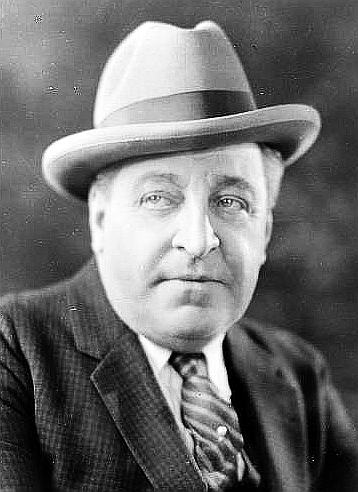
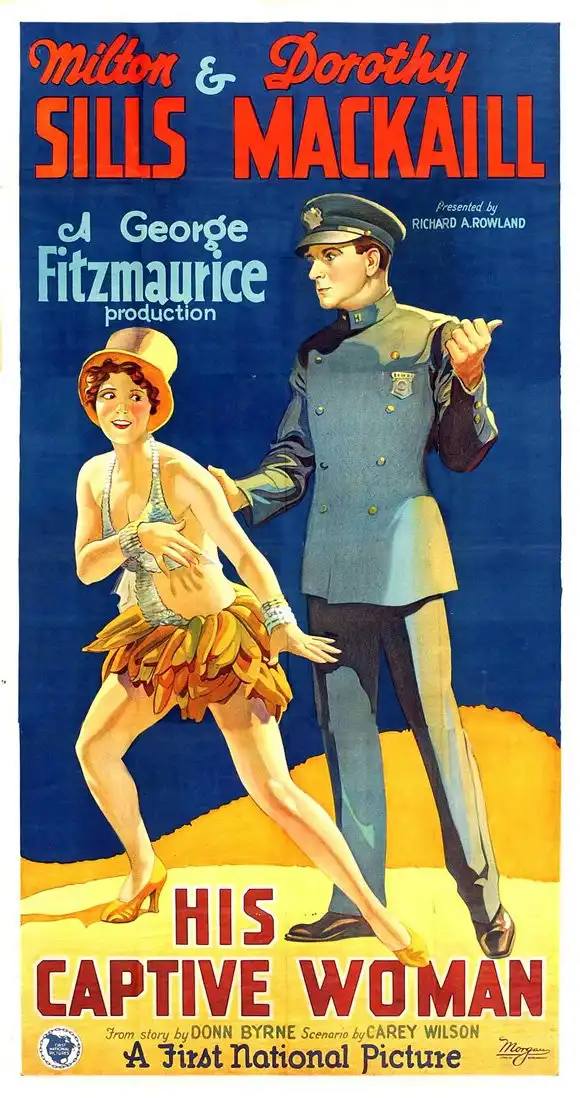
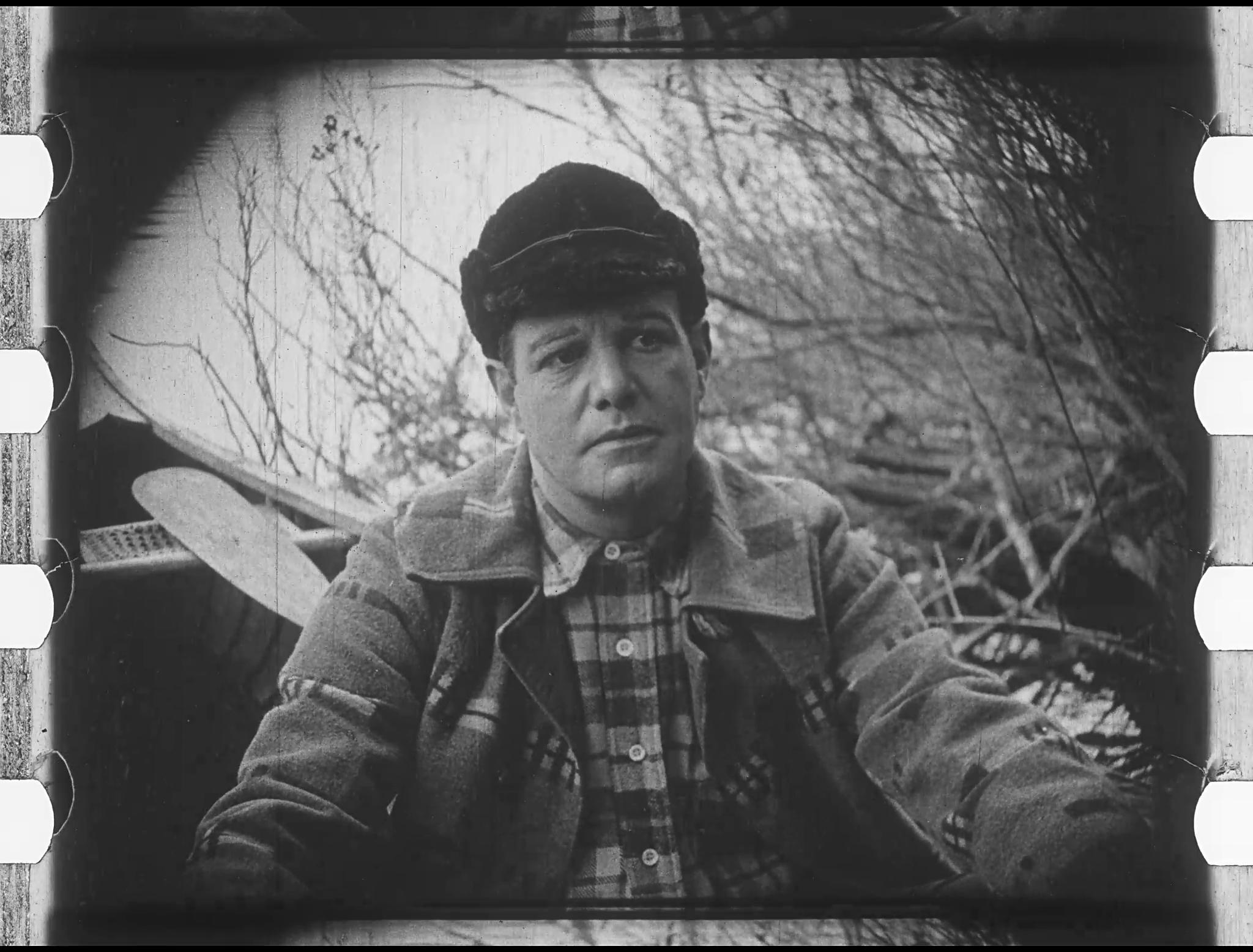
Cherry O'Day is the daughter of Terence O'Day, who runs the Paper Lantern Café in Shanghai. She practices her father's philosophy to "play with men to her heart's content but always keep them at arm's length.

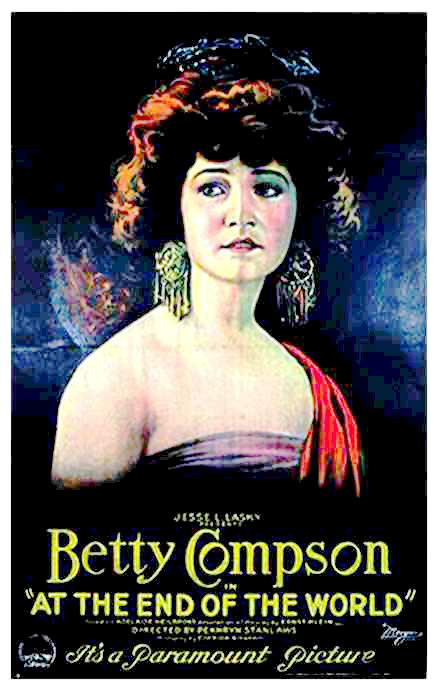
h2 {color:#EAB308; font-size:24px; margin-top:30px; border-bottom:2px solid #C2410C; padding-bottom:5px;} h3 {color:#0E7490; font-size:18px; margin-top:20px;} p {color:white; font-size:16px; line-height:1.8; margin-bottom:20px;} At the End of the World: A Dissection of Decadence and Despair Set in the humid, neon-dr...
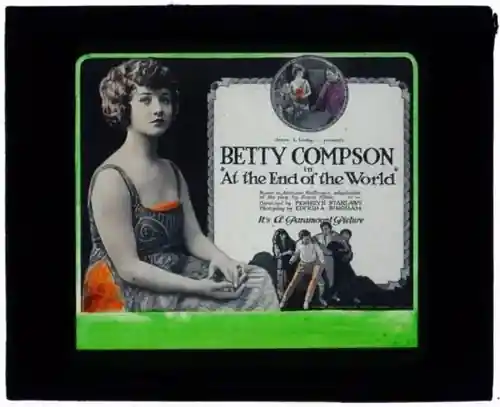
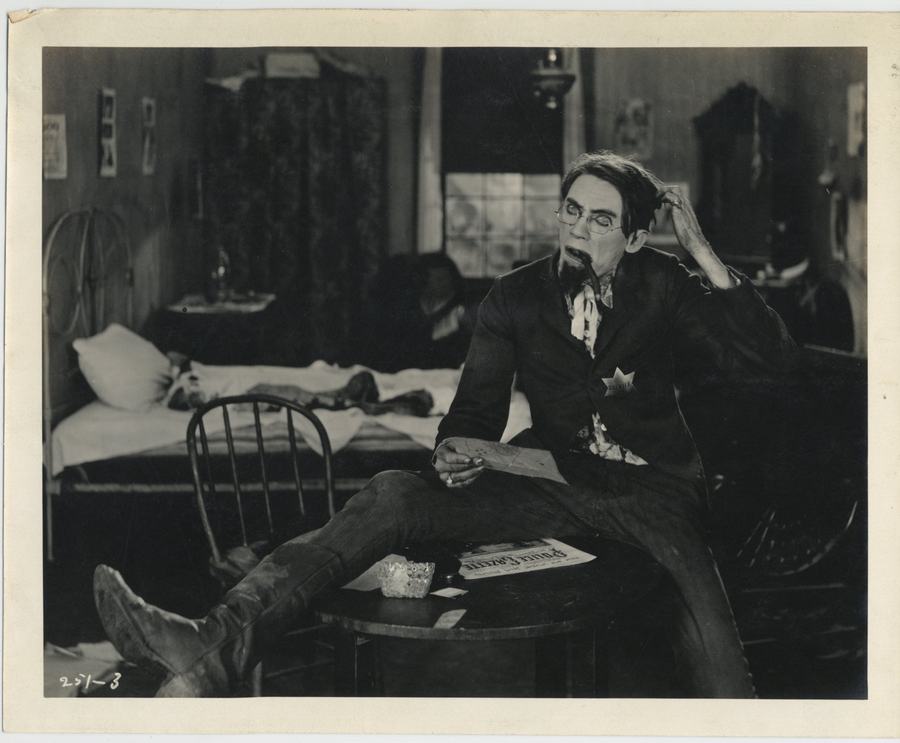
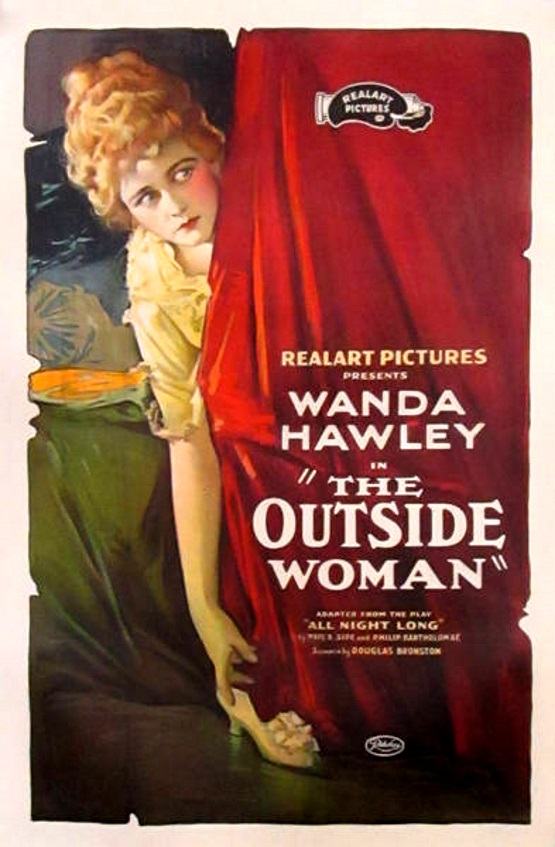
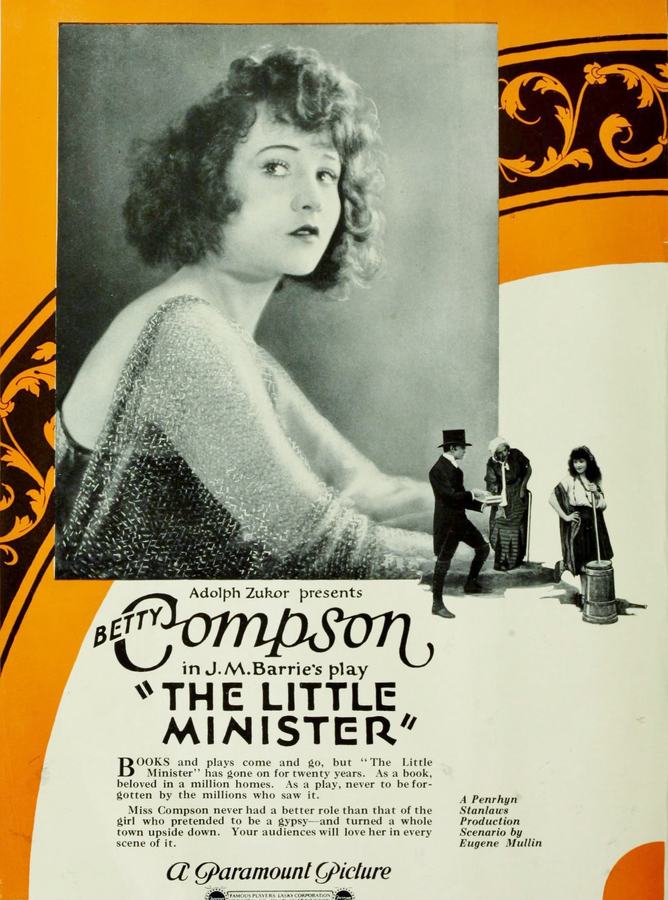
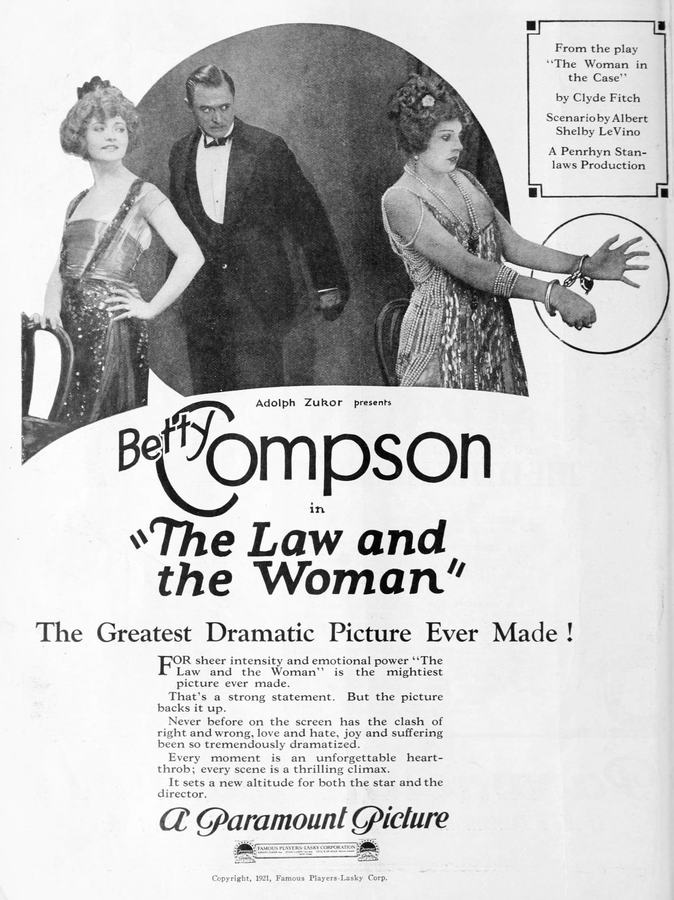
production_art

production_art
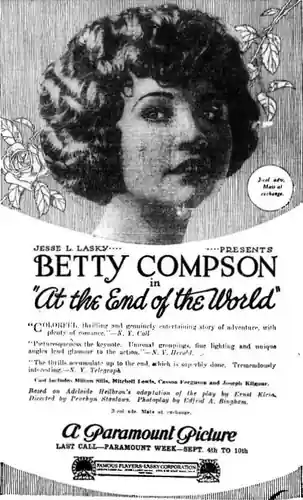
production_art
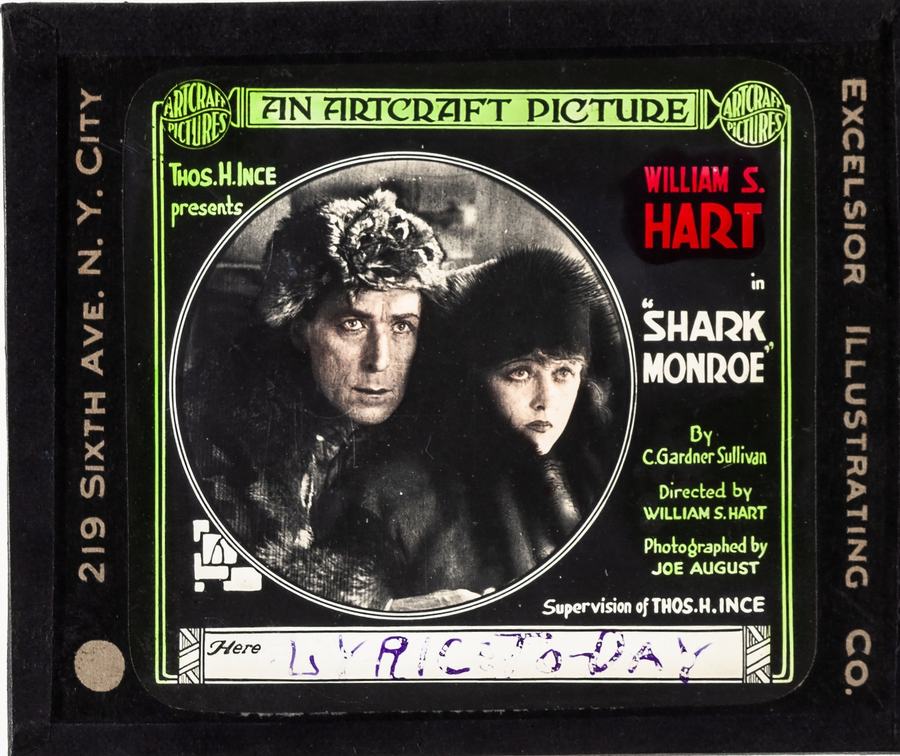
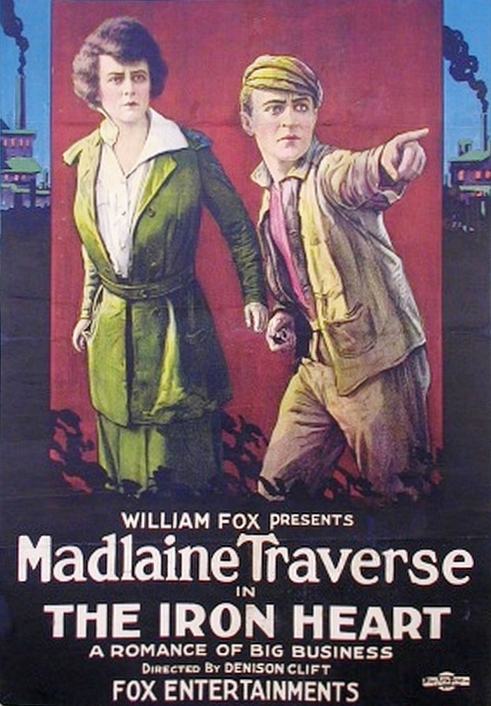
Comparing the cinematic DNA and archive impact of two defining moments in cult history.
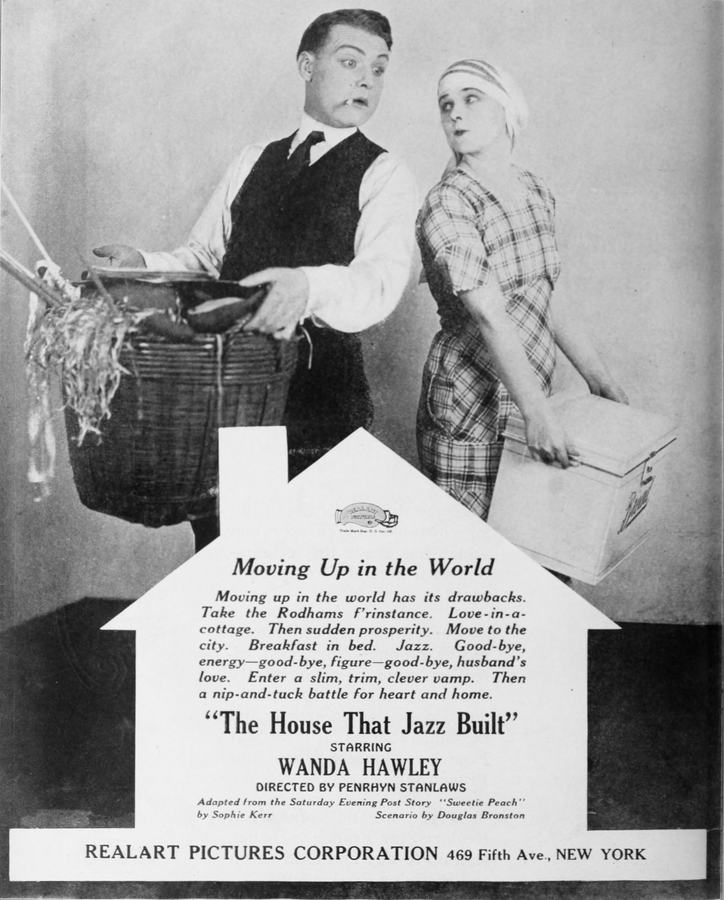
Penrhyn Stanlaws
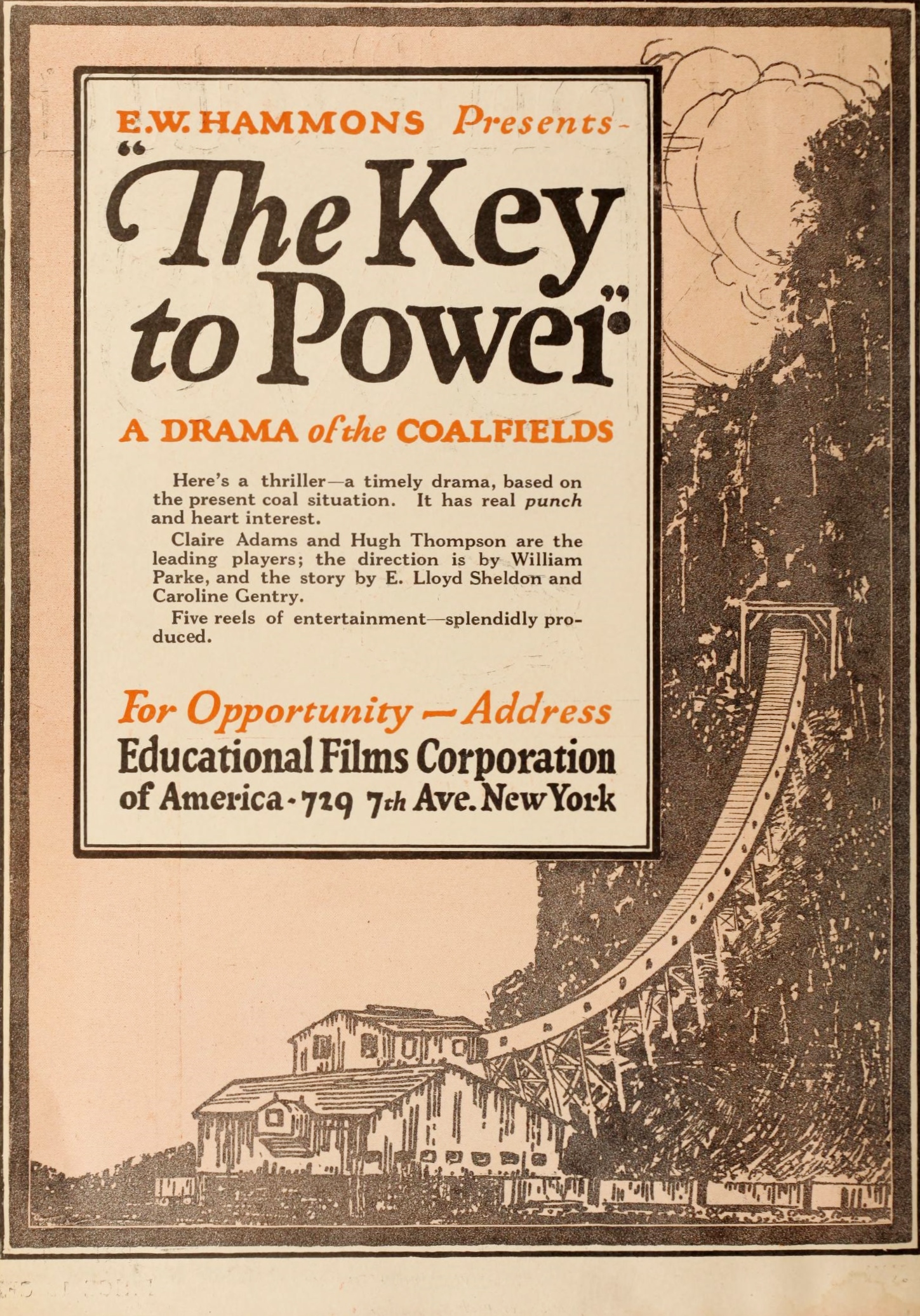
William Parke
Community
Log in to comment.
" h2 {color:#EAB308; font-size:24px; margin-top:30px; border-bottom:2px solid #C2410C; padding-bottom:5px;} h3 {color:#0E7490; font-size:18px; margin-top:20px;} p {color:white; font-size:16px; line-height:1.8; margin-bottom:20px;} At the End of the World: A Dissection of Decadence and Despair Set in the humid, neon-drenched alleyways of Shanghai, At the End of the World emerges as a chiaroscuro masterpiece that refracts the moral ambiguities of the interwar period through the prism of a woman’s..."
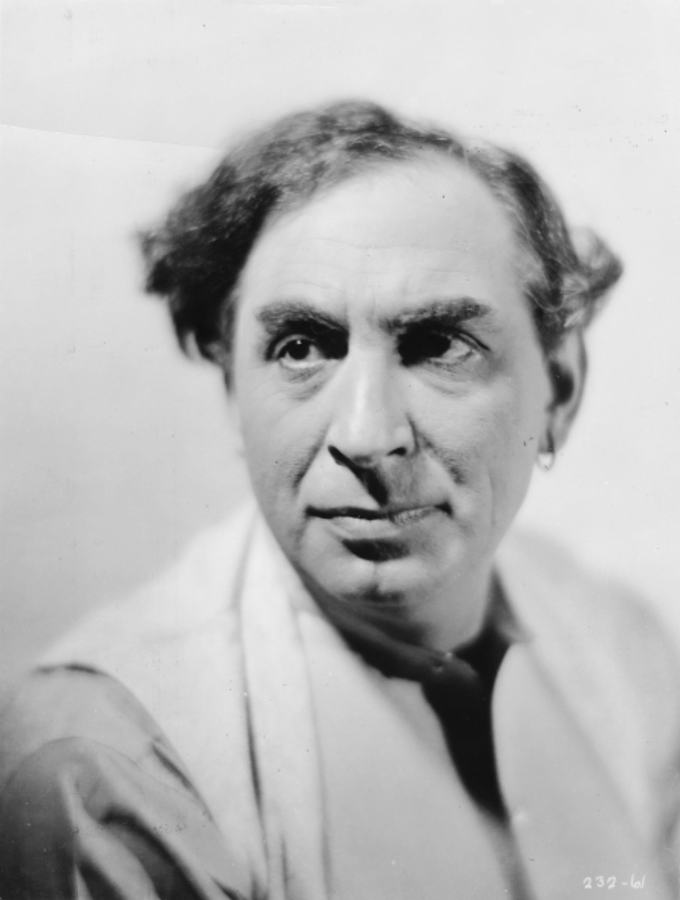
Spottiswoode Aitken
Edfrid A. Bingham, Adelaide Heilbron, Ernst Klein
United States
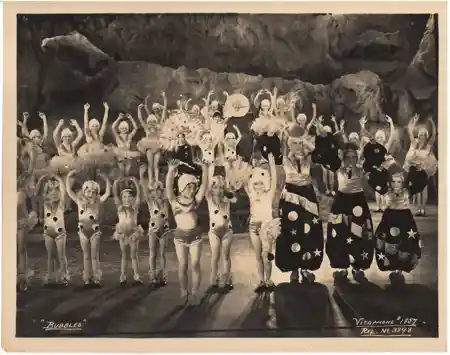

Deep dive into the cult classic
Discover similar cinematic experiences
A Directorial Spotlight on Penrhyn Stanlaws