
Cult Cinema
The Kinetic Outcast: How 1910s Subversive Cinema Engineered the Modern Cult Obsession
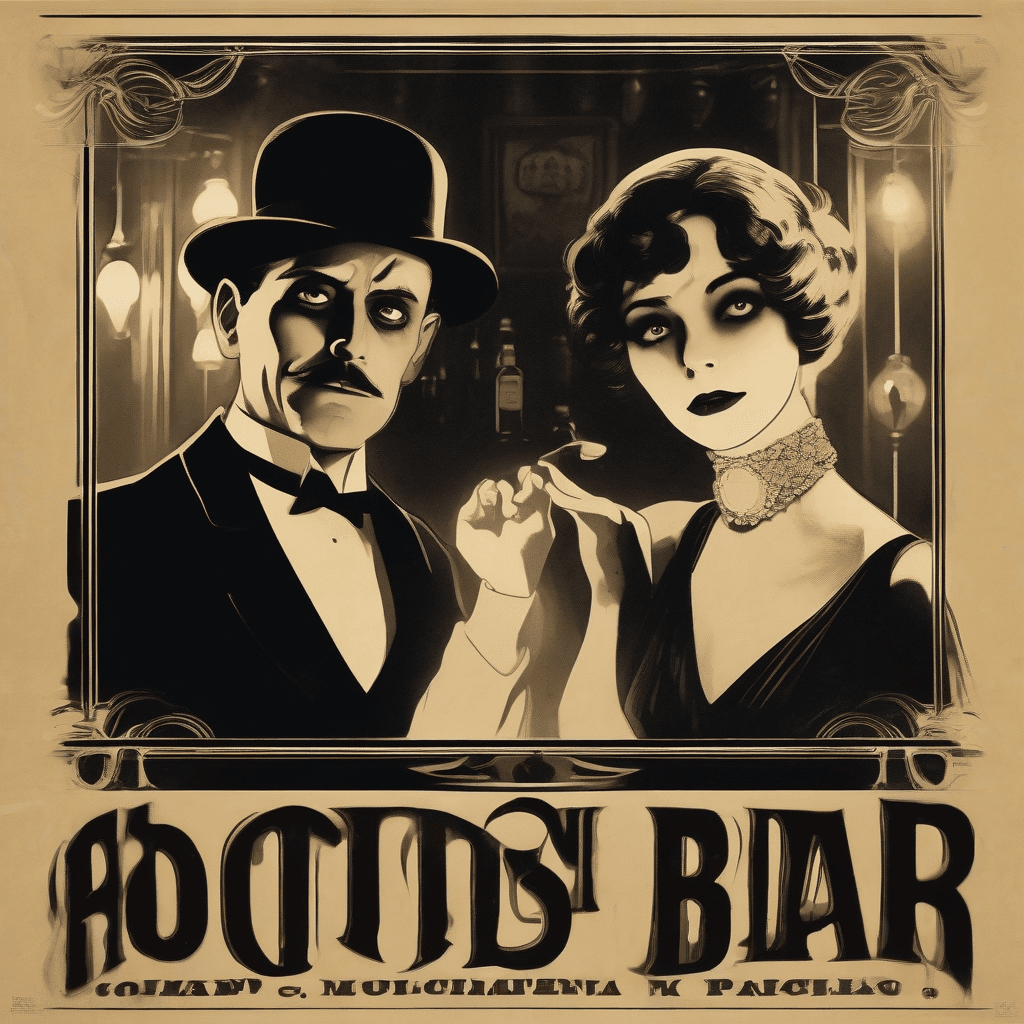
“A deep-dive investigation into how the forgotten rebels and stylistic anomalies of the 1910s silent era provided the foundational DNA for modern midnight movie culture.”
The history of cult cinema is often told as a post-1960s phenomenon, a product of the midnight movie circuit, psychedelic countercultures, and the rise of the video store. We look to the grit of the 1970s or the neon-soaked transgression of the 1980s to find our cinematic rebels. However, the true genesis of the cult gaze—that specific, obsessive mode of viewership that prizes the strange, the subversive, and the stylistically rogue—was forged much earlier. Long before the first screening of The Rocky Horror Picture Show, the 1910s were already producing a gallery of kinetic outcasts: films that defied the burgeoning Hollywood formula to create something far more haunting and ritualistic.
The Hypnotic Gaze: Zatansteins Bande and the Birth of the Cinematic Villain
In the shadow-drenched corridors of early European cinema, we find the roots of the cult antagonist. Consider the 1915 anomaly Zatansteins Bande. The film introduces us to Mr. Zatanstein, a figure whose hypnotic eyes and scary appearance immediately set him apart from the theatrical villains of the era. Entering the "shade bar Flashlight," he represents the archetypal cult leader—a man seeking partners in a bold crime, surrounded by an "apache girl" who stands out in the gloom. This is the primordial soup of the midnight movie aesthetic: the dark bar, the hypnotic presence, and the fringe characters who exist on the edges of polite society.
The cult of personality in film often begins with this sense of the supernatural or the mesmerizing. It is an energy mirrored in Witchcraft (1916), where the persecution of the innocent in New England colonies creates a narrative of the "other." By focusing on Suzette and the "horrible delusion" of the 1690s, the film tapped into a recurring theme in cult cinema: the society that fears what it cannot control. These early reels weren't just stories; they were visual manifestos for the misunderstood, establishing a legacy of films that prioritize the perspective of the persecuted or the occult.
The Independent Maverick: Subverting the Silent Heroine
Cult cinema has always been a sanctuary for the rebellious spirit, particularly for female characters who refused to fit the "damsel in distress" mold. In 1919's Phil-for-Short, we meet Damophilia Illington, a feisty, independent young woman who stands in direct opposition to the "stuffed shirt" bankers of her town. Her story isn't just a romance; it is a proto-feminist rebellion that resonates with the same energy as the cult icons of the 1970s. The "Phil" of the title is a woman who navigates a world of arrogant men with a sharp wit and a refusal to conform.
Similarly, Joan the Woman (1916) takes the historical figure of Joan of Arc and transforms her into a visionary force. When an English officer in the trenches of the Great War sees a vision of Joan, the film bridges the gap between historical epic and psychological thriller. This use of the "vision" as a catalyst for action is a hallmark of cult storytelling—where the internal world of the protagonist is just as vivid, if not more so, than the physical world they inhabit. These films provided a blueprint for the transgressive heroine, a figure who would later evolve into the final girls and outlaw queens of underground cinema.
The Social Outlier and the Architecture of Anxiety
The 1910s were a period of intense social transformation, and the films of the era often reflected a deep-seated anxiety about the urban landscape and the loss of identity. Alone in New York (1913) and The Land of the Lost (1914) captured the terrifying scale of the modern world. In the latter, a shipbuilder's quest for a title for his daughter leads to a confrontation with a fortune-hunting Baron. These narratives of social climbing and betrayal—themes also explored in The Spark Divine—showed characters struggling against a "coldness" and a "constant struggle for social recognition."
This sense of isolation is a key ingredient in the cult film recipe. Whether it is the orphan Jane Eyre in Woman and Wife (1917) navigating the mysterious manor of Edward Rochester, or the school teacher in That Devil, Bateese (1918) losing her way in a remote village, the 1910s were obsessed with the stranger in a strange land. These films utilized the liminal space between the known and the unknown, a space where cult cinema has always thrived. They invited the audience to identify not with the winners of society, but with those wandering the "open places" or trapped in the "murk of the steel works" as seen in The High Hand.
The Aesthetics of the Abnormal: Forgery, Crime, and the Shadow Self
One of the most enduring tropes of cult cinema is the fascination with the double life—the respectable citizen who harbors a dark secret. Jim the Penman (1915) is a masterclass in this obsession. A bank teller with a talent for forgery uses his criminal skills to save a family from ruin, only to be ensnared by a "shady character." This moral ambiguity is the lifeblood of the cult genre. We see it again in In Treason's Grasp (1917), where partners in a munitions factory are torn apart by love and the theft of secret wartime plans. These films moved away from the binary of good vs. evil and toward a more complex, shadow-heavy morality.
The visual language of these films—often dictated by the limitations of early nitrate stock—created a naturally high-contrast, eerie atmosphere that modern cult directors strive to replicate. The "hypnotic gaze" mentioned in *Zatansteins Bande* was not just a plot point; it was a camera technique. The close-ups of eyes, the use of silhouettes in Shadows of Suspicion (1919), and the brooding atmosphere of Fyrvaktarens dotter (1918) all contributed to a sensory experience that felt separate from the "prestige" films of the day. This is the aesthetic of the abnormal, where the film itself feels like a forbidden object.
Ritual and Repetition: The International Cult Pulse
Cult cinema is a global language, and the 1910s saw the emergence of strange spectacles from every corner of the map. From the Ottoman beauty in Binnaz (1919) to the Japanese swordplay of Iwami Jûtarô, these films brought an exotic and often surreal energy to the screen. The story of Binnaz, a famous beauty of the Tulip Age, and the men driven to madness by her, is a precursor to the "femme fatale" cult films of the noir era. Meanwhile, the Danish drama Mellem de yderste Skær explored the harsh realities of life on the edge of the world, further cementing the theme of the geographical and psychological fringe.
Even the seemingly mundane subjects of the era were treated with a ritualistic intensity. Rebuilding Broken Lives (1917), a documentary about the Red Cross providing artificial limbs to maimed soldiers, carries a visceral, body-horror undertone that would not be out of place in a modern cult documentary. The focus on the "maimed" and the mechanical replacement of human parts speaks to a fascination with the fragmented body, a recurring motif in transgressive art.
Conclusion: The Legacy of the 1910s Anomaly
When we watch a cult film today, we are participating in a ritual that began over a century ago. We are looking for the "spark divine" in the darkness, the "hungry heart" that refuses to be satisfied by mainstream platitudes. The 1910s were not just the "infancy" of cinema; they were its most experimental and lawless decade. Films like The Woman and the Puppet (1917) and La Salome (1919) pushed the boundaries of desire and obsession, creating a template for the "midnight movie" long before the clock ever struck twelve.
The kinetic outcasts of the silent era—the forgers, the witches, the independent teachers, and the hypnotic criminals—are the true ancestors of our modern cinematic obsessions. They remind us that the most powerful films are often the ones that exist on the margins, the ones that require us to look closer, to dig deeper, and to embrace the strange. As we continue to unearth these lost reels, we find that the DNA of cult cinema is not a recent mutation, but a primal pulse that has been beating since the very first flicker of light hit the screen.
Community
Comments
Log in to comment.
Loading comments…