
Cult Cinema
The Primal Pulse of the Strange: Decoding the 1910s Silent Anomalies That Birthed Cult Cinema
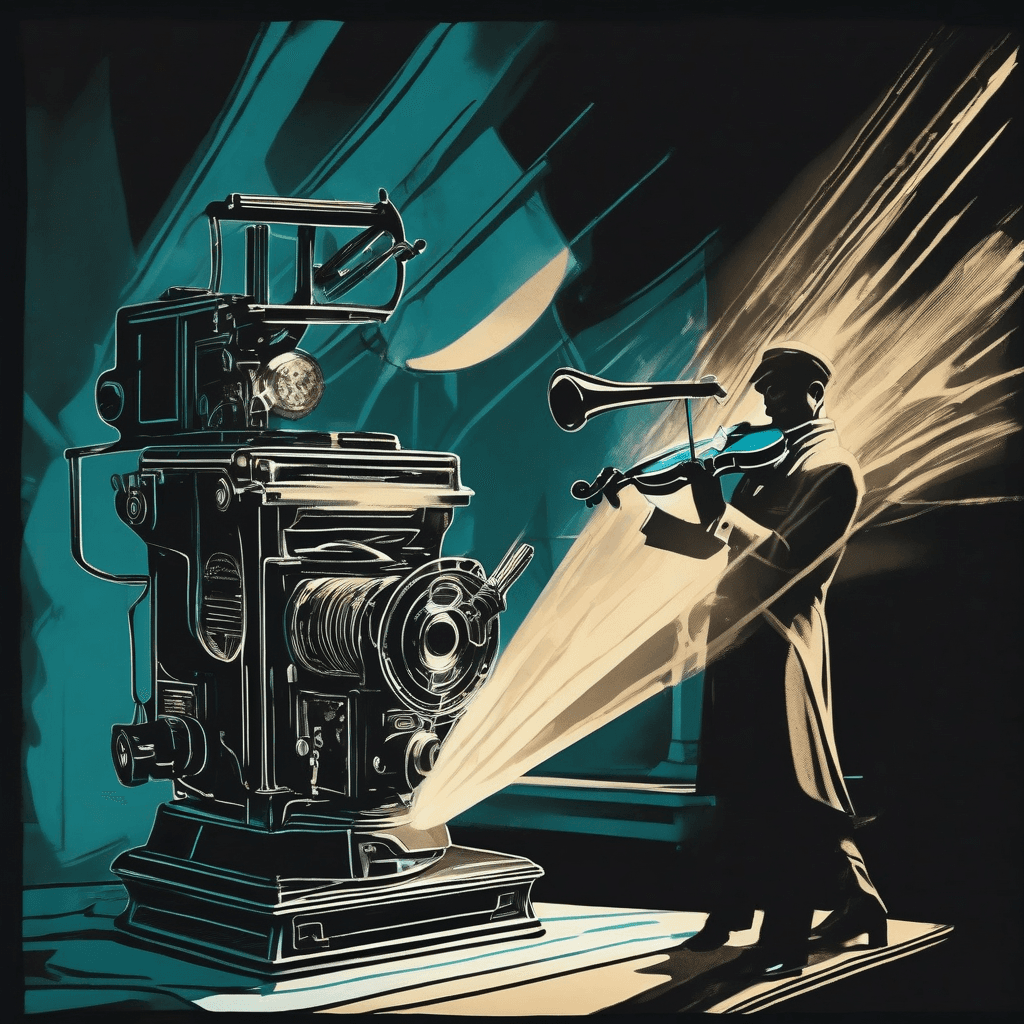
“Explore the forgotten shadows of the 1910s where hypnotic violinists, ruthless financiers, and cabaret outcasts forged the transgressive DNA of modern cult cinema.”
Long before the midnight movie became a staple of the 1970s counterculture, and decades before the term "cult film" was ever whispered in academic circles, the seeds of cinematic obsession were being sown in the nitrate flickers of the 1910s. To understand the cult cinema phenomenon, one must look beyond the neon-soaked aesthetics of the 1980s and delve into the primordial soup of early silent film. It was here, in an era of rapid industrialization and shifting social mores, that the first cinematic oddities emerged—films that defied standard narrative structures, challenged moral boundaries, and invited a level of fanatical devotion that mirrors today's niche obsessions.
The Architecture of the Abnormal: Why the 1910s Matter
The decade between 1910 and 1920 was a laboratory for the moving image. Without the rigid constraints of the Hays Code or the standardized formulas of the Hollywood studio system, filmmakers were free to explore the darker, more eccentric corners of the human experience. This was the era of the transgressive frame. When we examine a film like The Isle of the Dead (1913), we aren't just looking at an early horror piece; we are witnessing the birth of an aesthetic based on symbolic atmosphere rather than literal storytelling. Inspired by Arnold Böcklin’s painting, this film prioritized the macabre and the ethereal, a hallmark of what would later become the cult gaze.
Cult cinema thrives on the "otherness" of its subjects. In the 1910s, this otherness was often found in the collision of the mundane and the supernatural. Take, for instance, The Hypnotic Violinist (1914). The very concept—a musician using mesmerism to control his audience—prefigures the hypnotic pull that cult films have over their viewers. It is a meta-commentary on the power of the screen itself. This fascination with the occult and the psychological was further cemented in Az ördög (1918), where the Devil appears in human guise to challenge the triumph of good over evil. Such narratives didn't just entertain; they unsettled, creating a space for viewers who sought something deeper than the sanitized morality plays of the mainstream.
The Subversive Soul: Performance, Identity, and the Cabaret
If cult cinema is defined by its celebration of the marginalized, then the cabaret and the slum narratives of the silent era are its direct ancestors. Søstrene Morelli (1917) offers a glimpse into the world of show people and the performative nature of identity. The character of "Bella" at the cabaret represents the archetype of the kinetic outcast—the performer whose life is a spectacle, yet who remains fundamentally misunderstood by the "respectable" world. This theme of the misunderstood performer resonates through the decades, from the drag queens of Pink Flamingos to the tragic figures in the works of David Lynch.
Similarly, The Wicked Darling (1919) takes us into the slums, following a girl forced to steal to survive. This isn't just a crime drama; it is an early example of the underground aesthetic. The film explores the moral gray areas of poverty and survival, refusing to offer easy answers. This refusal to conform to traditional hero/villain binaries is a cornerstone of the cult film experience. We see it again in A Child of the Paris Streets (1916), where the underworld family "The Apaches" represents a counter-society with its own rules and rituals. For the cult viewer, these films provide a gateway into a world that feels more authentic, more dangerous, and more vibrant than their own reality.
Morality Under the Microscope: The Hypocrites and the Tigers
Cult cinema often acts as a mirror to societal hypocrisy. In 1915, The Hypocrites took a bold stand against religious and social double standards, using the figure of "Truth" to expose the hidden vices of a squire and his community. This kind of subversive social commentary is what draws audiences to films that the mainstream might find offensive or "difficult." The film's willingness to use nudity and religious critique as narrative tools paved the way for the transgressive cinema of the 1960s and 70s.
The figure of the "unscrupulous financier" or the "corrupt master" also became a recurring motif in these early cult-adjacent works. Dommens dag (1916) introduces us to Michael von Straeten, nicknamed 'The Tiger' for his ruthless cynicism. The fascination with such villainous, larger-than-life characters—men who operate outside the bounds of traditional empathy—is a precursor to the cult of the anti-hero. Whether it is the corrupt pistol factory owner in Captain of His Soul (1918) or the ruthless railroad competitor in The Deadlier Sex (1920), these films explored the psychological depths of power and greed in ways that were both terrifying and magnetic to early audiences.
The Ritual of the Serial: The Million Dollar Mystery
One cannot discuss cult cinema without mentioning the ritualistic viewing experience. Today, we see this in marathon screenings and binge-watching culture, but in 1914, it was the serial that held the public in a state of perpetual obsession. The Million Dollar Mystery, a twenty-three episode serial about a secret society called The Black Hundred, was a cultural phenomenon. It created a community of viewers who would meet weekly to discuss theories, decode clues, and await the next installment. This is the very definition of a cult following.
The serial format allowed for a sprawling, chaotic narrative that often defied logic in favor of sensation. This "sensation over sense" approach is a primary characteristic of cult favorites like The Rocky Horror Picture Show or The Room. The thrill of the chase in Trailed by Three (1920), which took viewers from the Orient to the Antipodes, emphasized the global, adventurous spirit that cult cinema often embodies—a desire to escape the confines of the familiar and explore the vast, perilous unknown.
The Unseen Trauma: War, Loss, and the Melancholy Reel
The 1910s were also defined by the shadow of the Great War, and the cinema of the time reflects a deep, underlying trauma. Defense or Tribute? (1916) used scenes of war throughout history to argue for preparedness, but in doing so, it captured the collective anxiety of a nation on the brink. This melancholy gaze is present in many films of the era, such as Har jeg Ret til at tage mit eget Liv? (1914), a harrowing drama about a father driven to suicide by a failed investment. These films didn't just provide escapism; they provided a space for the communal processing of grief and fear.
The tragedy of Bristede Strenge and the domestic struggles in The Strong Way (1917) further highlight the era's focus on the fragility of the human condition. Cult cinema often finds its home in these raw, emotional spaces—films that are "too real" or "too sad" for the mainstream, yet which resonate deeply with those who feel the weight of the world. Even in comedies like The Man from Mexico (1914), where a man lies to his wife about a jail sentence, there is a sense of the absurd and the desperate that underpins the humor, a proto-noir sensibility that would eventually evolve into the dark comedies of the cult canon.
Gender and Transgression: The Bar Sinister and Beyond
Perhaps the most potent element of cult cinema is its ability to challenge the status quo regarding race, gender, and identity. The Bar Sinister (1917) tackled the complexities of racial identity and the "mulatto" experience, albeit through the limited lens of its time. However, the very act of bringing such "taboo" subjects to the screen is a hallmark of rebel cinema. Similarly, The Weaker Sex (1917) subverted gender roles by having a wife act as her husband's lawyer to save him from a murder charge. These films provided a glimpse of a world where traditional power structures were being interrogated, if not entirely dismantled.
In The Brute Master (1920), we see the exploration of primal, masculine violence and its impact on the feminine experience. These narratives, while often problematic by modern standards, represent the raw, unpolished energy that defines the primitive cult film. They are films of transition, caught between the Victorian past and the modern future, and it is in that friction that the cult spark is ignited.
Conclusion: The Eternal Flicker
The films of the 1910s—from the hypnotic gypsy orchestras of The Hypnotic Violinist to the diamond fields of Lost Money (1919)—were more than just precursors to the talkies. They were the architects of a new kind of obsession. They taught us how to look at the screen with a cultist's eye: to find beauty in the broken, truth in the transgressive, and community in the strange. As we look back at these nitrate ghosts, we see not just the history of film, but the secret history of our own cinematic desires. The cult didn't start in the 1970s; it started in the flickering shadows of the silent era, and it continues to haunt our projectors to this day.
Community
Comments
Log in to comment.
Loading comments…