
Cult Cinema
The Maverick's Midnight Ritual: Unearthing Cult Cinema's Enduring Legacy of Transgression
“Dive deep into the shadowy origins of cult cinema, tracing its rebellious spirit from the silent era's forgotten fringes to its enduring place in the hearts of devoted fans, celebrating films that dared to defy convention.”
Cult cinema. The very phrase conjures images of midnight screenings, fervent fan communities, and films that defy easy categorization. These are not merely movies; they are experiences, shared secrets, and often, a mirror reflecting society’s anxieties, desires, and unspoken taboos. But what defines a cult film, and where did this fascinating phenomenon truly begin? To understand the enduring allure of cinematic transgression, we must journey back to the nascent days of filmmaking, where the seeds of rebellion were sown in the flickering shadows of early reels.
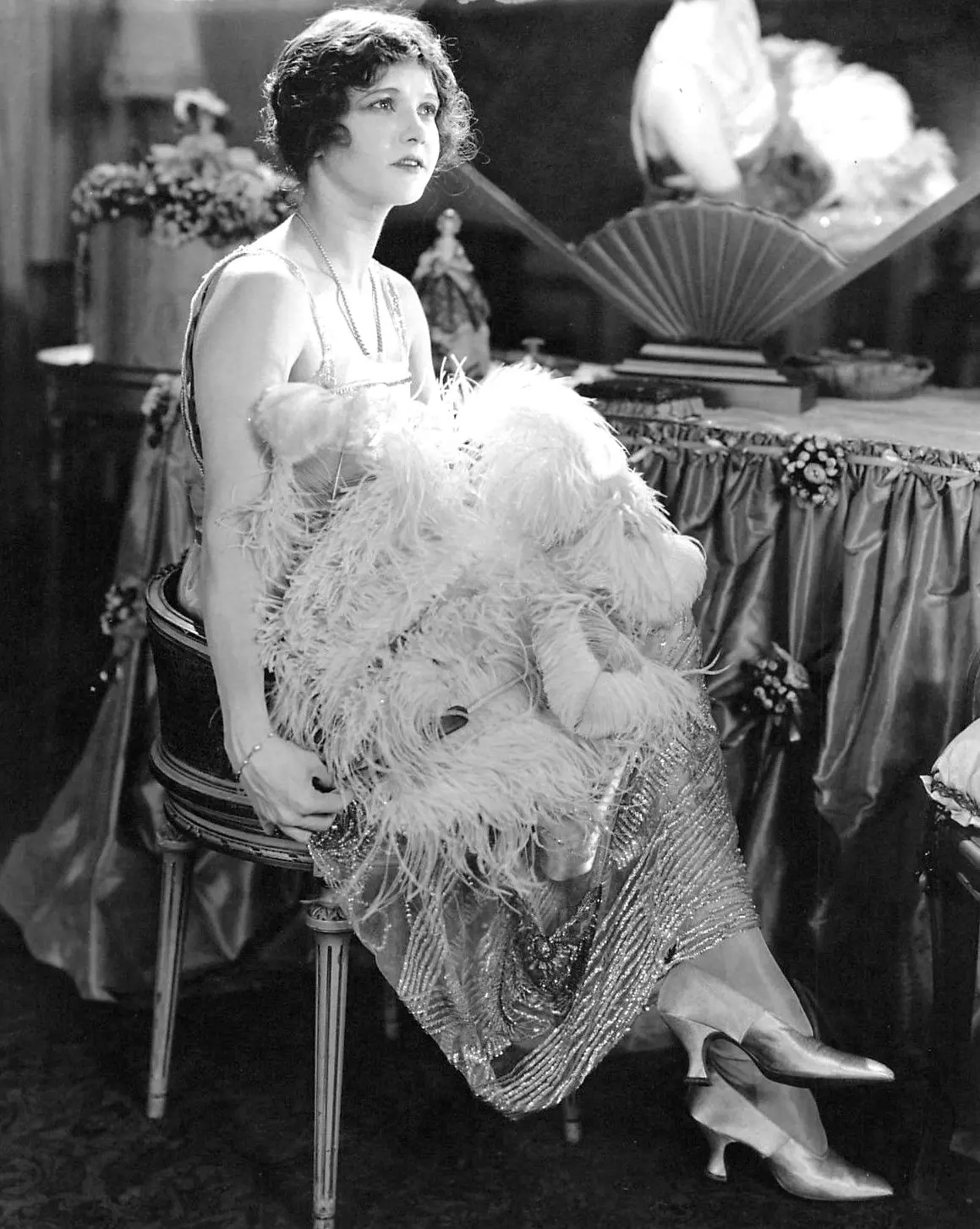
Long before the term 'midnight movie' entered our lexicon, there existed a nascent cinematic landscape brimming with experimental narratives, daring themes, and a raw, untamed energy. These were the proto-cult films, often overlooked by mainstream critics and audiences of their time, yet possessing an undeniable magnetism that would, over decades, resonate with dedicated cinephiles. They challenged moral boundaries, explored the darker corners of the human psyche, and often, simply told stories in ways no one had quite seen before. This deep dive explores the unseen currents that forged cult cinema's enduring power, from its earliest, often controversial, sparks to its current status as a vibrant, essential pillar of film culture.
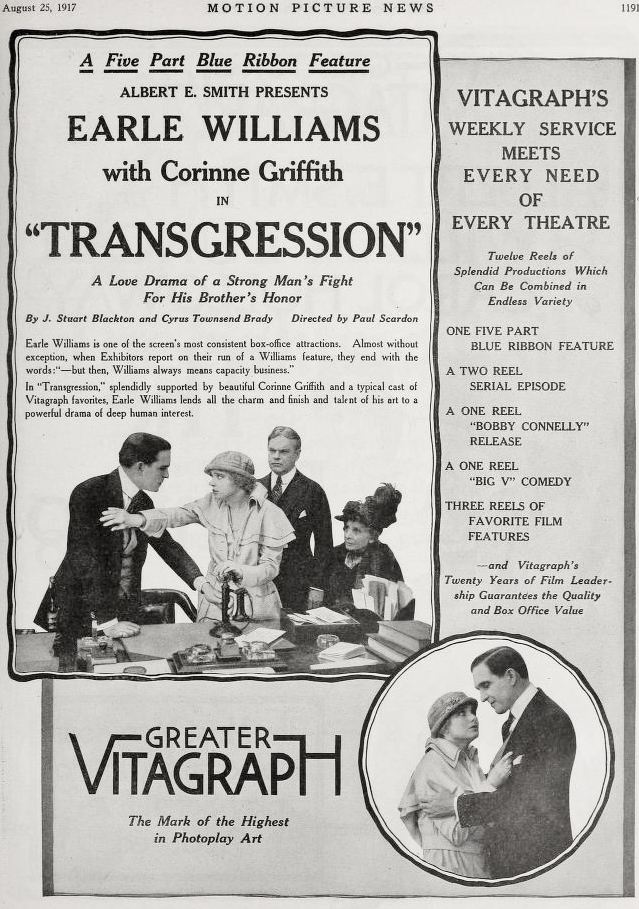
The Dawn of Deviance: Early Cinematic Sparks and Subversive Storytelling
The early 20th century, an era often romanticized for its innocence, was in fact a fertile ground for cinematic deviance. Filmmakers, unburdened by rigid industry codes, experimented freely, often stumbling upon themes and narrative structures that would later become hallmarks of cult status. Consider the sheer audacity of early melodramas that delved into social issues considered scandalous, or genre pieces that pushed the boundaries of what was acceptable on screen.
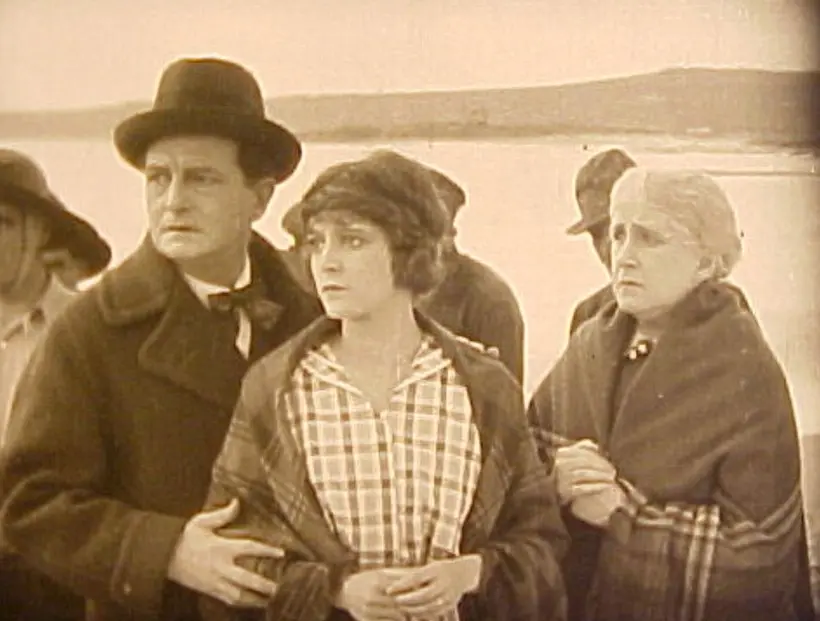
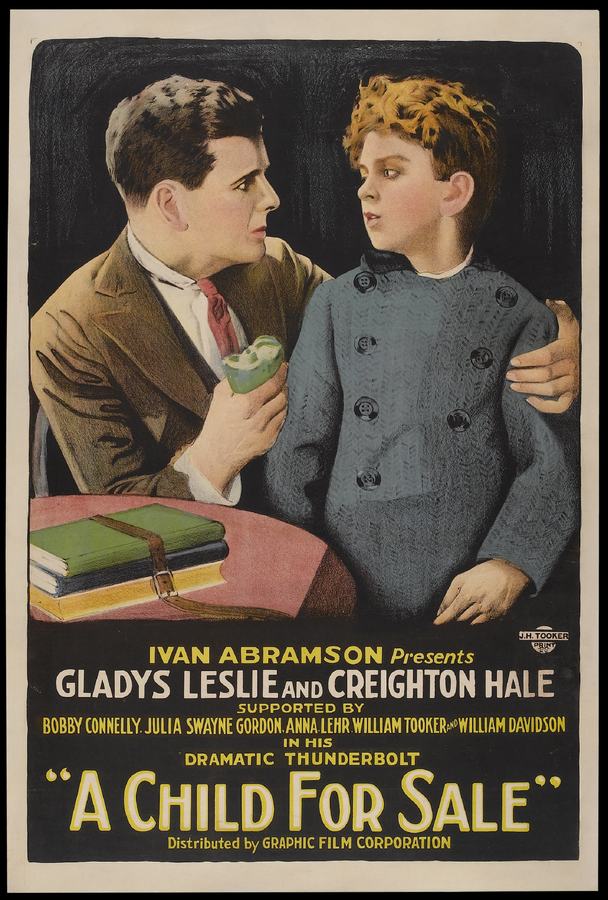
Films from this period, while seemingly quaint by modern standards, possessed a visceral impact for their contemporary audiences. Topics like desperate mothers selling their children, as hinted at in a film titled *A Child for Sale*, or the intricate web of deception and infidelity found in narratives like *The Heart of Nora Flynn* or *The Business of Life*, showcased a willingness to confront uncomfortable truths. These weren't escapist fantasies; they were often gritty, morally complex dramas that forced viewers to grapple with the harsh realities of life, challenging the perceived 'purity' of early cinema. The raw emotionality and often tragic outcomes of these early narratives laid the groundwork for the intense, often uncomfortable viewing experiences that cult films would later embrace.

Moreover, the nascent days of horror and science fiction saw the birth of truly bizarre and unsettling visions. Imagine the impact of an early adaptation like *The Monster of Frankenstein*, or the political allegory of *El apóstol*, which, with its fantastical premise of a president burning Buenos Aires with Jupiter's thunderbolts, must have been a truly mind-bending spectacle for audiences of its time. These films, through their unusual subject matter and often primitive but effective special effects, tapped into primal fears and fascinations, creating a sense of wonder and unease that transcended the mainstream. They were the first whispers of the strange, the fantastic, and the forbidden that would echo through generations of cult classics.
Narrative Anarchy and the Art of the Outcast
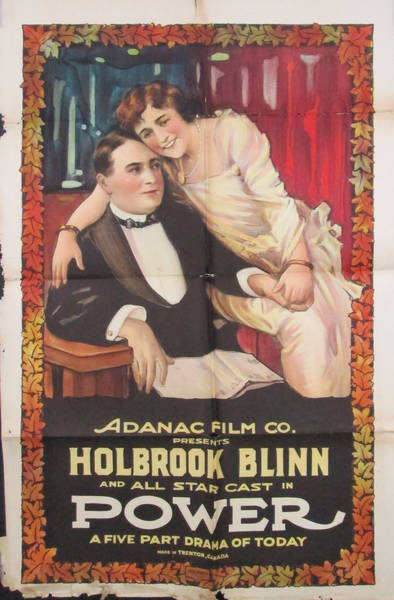
What often sets a cult film apart is its willingness to embrace narrative anarchy – to stray from conventional storytelling, defy predictable resolutions, and explore the lives of outcasts and rebels. Early cinema, perhaps due to its own experimental nature, was a hotbed for such stories. Films like *Called Back*, with its tale of stolen inheritance and vengeful partners, or *The Yellow Pawn*, exploring the sacrifices of love and the jealousy of power, presented characters operating outside societal norms, making morally ambiguous choices that resonated with a segment of the audience.
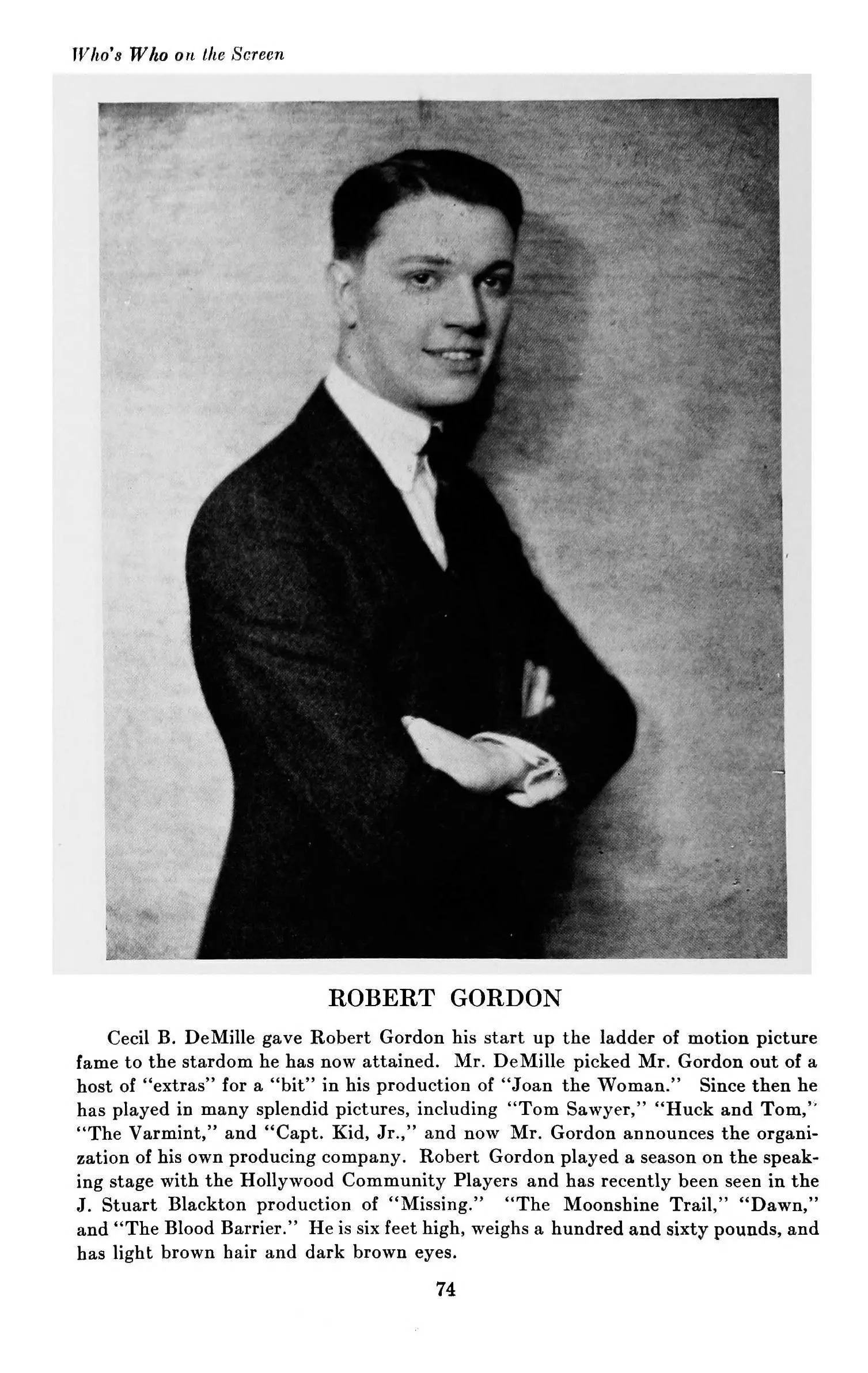
The concept of the 'anti-hero' or the 'sympathetic villain' was not invented by Hollywood's Golden Age; it was forged in these early cinematic experiments. Consider the plight of a character in *Discontented Wives*, struggling with the loneliness of a new life, or the complex motivations of a 'probation wife' forced into a life of crime, as suggested by *The Probation Wife*. These narratives offered a glimpse into lives less ordinary, often with a sense of fatalism or a critique of societal structures. They were the cinematic equivalent of a whispered secret, passed among those who sought something more profound, or perhaps simply more transgressive, than the typical fare.
Even comedies, like *Her Naughty Wink* or *West Is Worst*, while seemingly lighthearted, often featured characters engaged in mild forms of rebellion or social defiance, hinting at a playful subversion of norms. This early embrace of the unconventional, whether through dramatic intensity or comedic mischief, cultivated an audience receptive to films that dared to be different. The maverick spirit of these early filmmakers, unconstrained by later censorship codes, allowed for a creative freedom that many contemporary directors could only dream of, laying the foundation for a cinema of outsiders, by outsiders, for outsiders.
Genre Blurring and the Aesthetic of the Bizarre
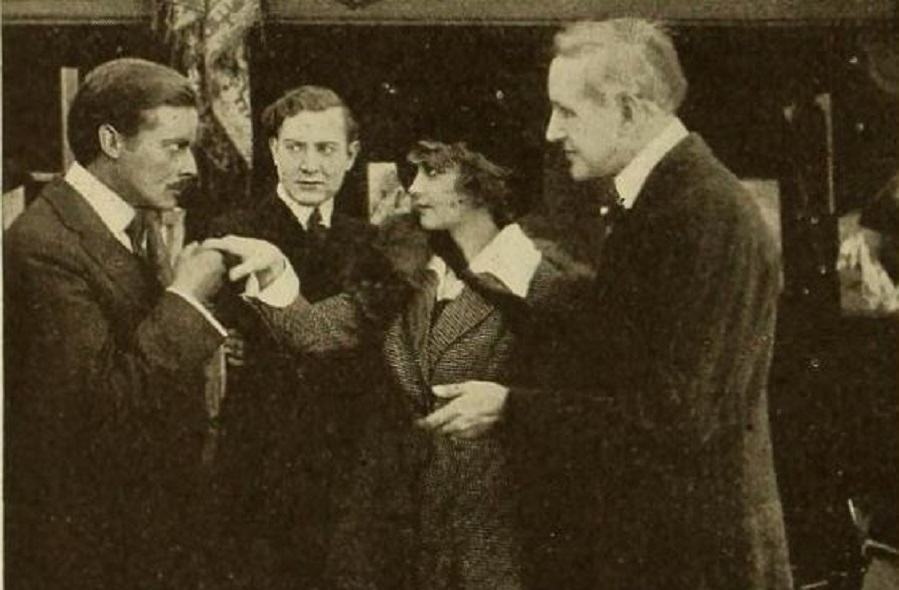
The early 20th century was a melting pot of cinematic styles, where genres were not yet rigidly defined. This fluidity allowed for a unique blending of elements that often resulted in films that were wonderfully, sometimes accidentally, bizarre. A Western like *Trailin'*, featuring a devil-may-care aristocrat investigating his father's murder, or *Man to Man*, where a ne'er-do-well son returns to protect his inheritance, often transcended simple genre classifications, weaving in elements of mystery, drama, and social commentary.

Beyond specific genres, many early films embraced an aesthetic of the unusual, sometimes born of necessity, sometimes of artistic choice. The epic scope and exoticism of films like *Die Herrin der Welt 1. Teil - Die Freundin des gelben Mannes*, with its search for fabled treasures and encounters with evil captors, offered audiences a journey into the fantastical and the unknown. These cinematic journeys, filled with spectacle and melodrama, created a unique visual language that was both captivating and, at times, unsettling. The visual audacity of these films, even if limited by technology, challenged viewers' perceptions and expanded the possibilities of cinematic expression.
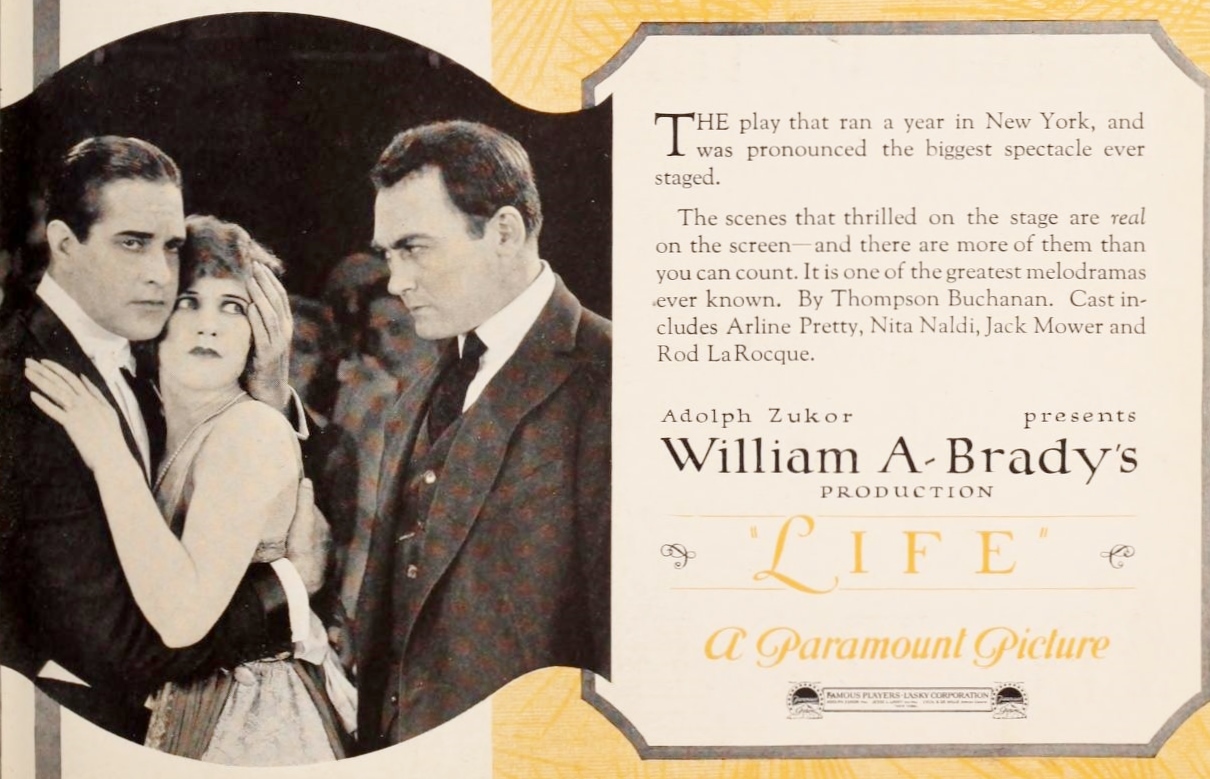
The very nature of silent film, relying heavily on visual storytelling, exaggerated performances, and evocative scores, lent itself to an inherent theatricality that could easily cross into the realm of the surreal or the camp. A film like *Fedora*, a Russian princess's quest for vengeance, or *Più forte del destino* (Stronger than Fate), with its intense dramatic arcs, would have been powerful, almost operatic experiences. This heightened reality, divorced from the naturalism that would later dominate cinema, created a space where the bizarre could flourish, where emotions were writ large, and where the unusual was not just tolerated, but often celebrated by those seeking a different kind of cinematic thrill.
The Rediscovery Factor: From Obscurity to Oracle
One of the defining characteristics of a cult film is its journey from obscurity to revered status. Many of the films from the silent era, now largely forgotten by mainstream audiences, are ripe for rediscovery. Their archaic charm, historical significance, and often surprisingly modern themes make them cinematic artifacts waiting to be unearthed by new generations of enthusiasts. The titles themselves, like *Krondiamanten* (The Crown Diamonds) or *Flimmersterne* (Flickering Stars), evoke a sense of lost grandeur and hidden narratives.
The act of rediscovery is central to the cult experience. It's about finding value in the overlooked, celebrating the unconventional, and forming a connection with a piece of art that speaks to a niche sensibility. For instance, a film like *The Secret Man*, featuring a convict escaping and evading capture, might have been a simple action-thriller for its time, but its raw energy and narrative simplicity could be seen as profoundly influential in retrospect. These films didn't always aim for cult status, but their inherent qualities – their uniqueness, their raw emotion, their defiant spirit – made them candidates for future adoration.
The digital age has only amplified this rediscovery process. What was once confined to dusty archives or rare film prints is now often accessible to a global audience, allowing films like *The Absentee* or *Without Hope*, with their allegorical or dramatic weight, to find their unholy congregation of devotees. This ongoing process of unearthing and re-evaluating cinematic history ensures that the spirit of cult cinema, born in these early, experimental works, continues to evolve and thrive.
The Audience as Acolytes: Forging Fandoms
Cult cinema is as much about the audience as it is about the film itself. From the earliest days, certain films fostered a unique relationship with their viewers, transforming passive spectators into active participants and, eventually, fervent acolytes. This communal catharsis, the shared experience of witnessing something truly out of the ordinary, began to take root even in the early 20th century. While not yet manifesting as dress-up parties or call-and-response screenings, the intense emotional reactions to narratives like *I figli di nessuno* (Children of Nobody), a three-part melodrama, or the dramatic twists of *The World's a Stage*, would have undoubtedly forged strong bonds among viewers.
The very act of seeking out these unconventional films, often shown in smaller venues or after initial runs, was an early form of fandom. It was a conscious choice to step outside the mainstream, to embrace stories that challenged, provoked, or simply entertained in a different way. The shared thrill of the forbidden, whether it was a racy comedy like *Hello, Judge* or a gritty crime drama like *Beating Back*, created a sense of belonging among those who appreciated cinema's more rebellious offerings. This nascent sense of community, built around a shared appreciation for the unusual, is the very bedrock upon which modern cult fandoms are built.
These early audiences, in their quiet devotion, were laying the groundwork for the more overt expressions of cult appreciation we see today. They were the first to recognize the unique magic in films that didn't conform, films that dared to be different, films that spoke to something deeper than fleeting entertainment. The magnetic fringe of early cinema attracted those with a keen eye for originality, cementing the idea that a film's true power isn't always measured by box office success, but by its ability to forge lasting connections and inspire enduring passion.
The Enduring Legacy: A Blueprint for Midnight Movies
The spirit of transgression, narrative anarchy, and audience devotion cultivated in early cinema continues to thrive in the modern cult film landscape. The silent era's bold experiments and overlooked gems provided a crucial blueprint for what would become the 'midnight movie' phenomenon and the broader definition of cult cinema. From the raw, visceral melodrama to the fantastical and the bizarre, these early films demonstrated that cinema's true power often lies in its ability to challenge, provoke, and resonate on a deeply personal level, far beyond the confines of mainstream appeal.
Contemporary cult classics, from *Eraserhead* to *Repo Man* to *The Rocky Horror Picture Show*, owe a debt to these pioneering works. They inherit the tradition of exploring taboo subjects, embracing unconventional aesthetics, and fostering passionate communities. The films of the early 20th century, with their unseen currents of rebellion, proved that a film doesn't need critical acclaim or commercial success to achieve immortality. It needs only to capture the imagination of a dedicated few, to become a shared secret, a ritual, a piece of art that speaks to the soul of an appreciative audience.
In conclusion, cult cinema is not a recent invention; it is a lineage, a continuous thread woven through the entire history of film. Its origins can be traced back to the flickering images of the silent era, to films that dared to be different, to stories that pushed boundaries, and to audiences who sought something more. These early, often forgotten, cinematic treasures are not just historical curiosities; they are the fundamental building blocks of an enduring cultural phenomenon, proving that the maverick's midnight ritual has been captivating hearts and minds since the very dawn of cinema.
Community
Comments
Log in to comment.
Loading comments…