
Cult Cinema Deep Dive
The Maverick's Mosaic: Unearthing the Genetic Seeds of Cult Obsession in Cinema's Early Anomalies
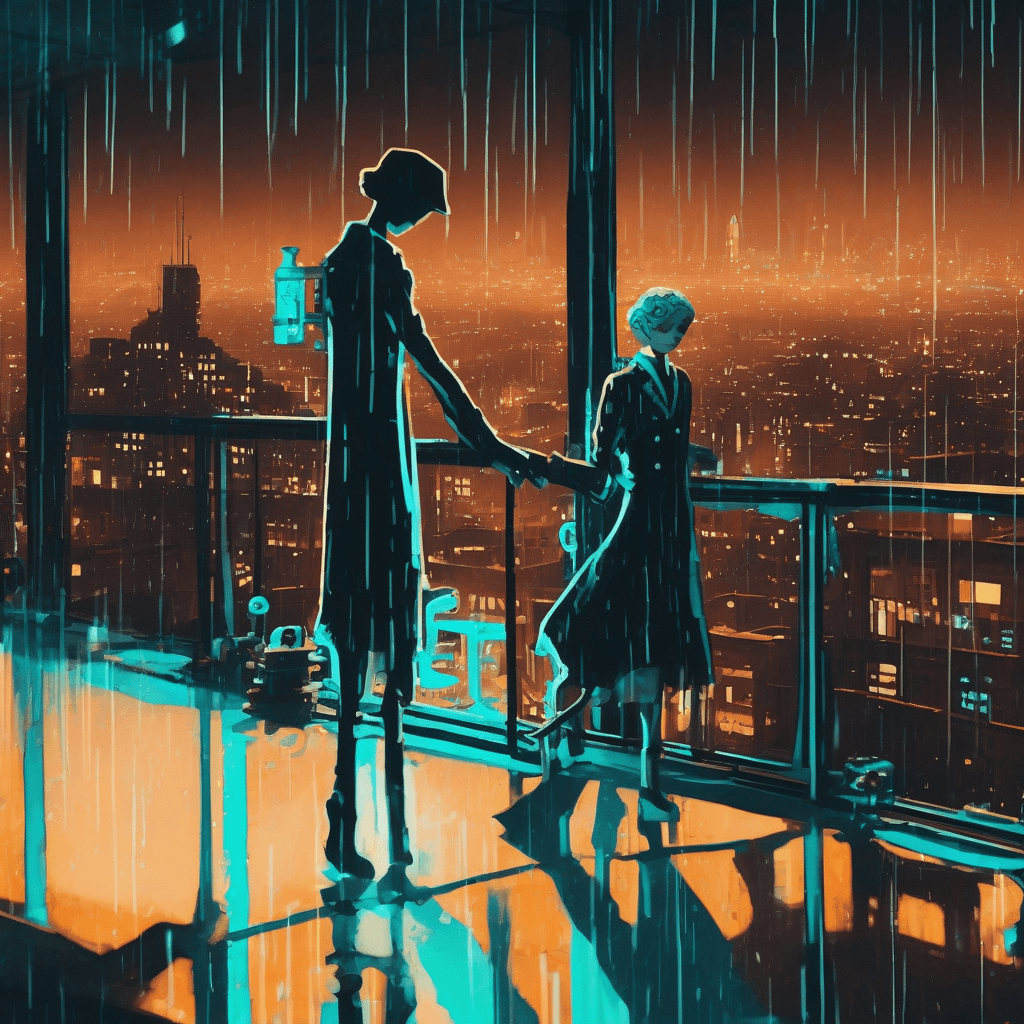
“Explore the hidden lineage of cult cinema by dissecting the transgressive, weird, and wonderful films of the early 20th century that paved the way for modern midnight movie devotion.”
Long before the term "midnight movie" was coined in the smoky theaters of the 1970s, the seeds of cult cinema were already germinating in the fertile, often chaotic soil of the silent era and the early talkies. Cult cinema is defined not just by its content, but by the fervor of its audience—a collective of outliers who find solace in the strange, the transgressive, and the misunderstood. To understand the modern obsession with the weird, we must look back at the early 20th-century anomalies that dared to deviate from the nascent Hollywood formula. These films, ranging from surrealist comedies to gritty underworld dramas, provided the blueprint for what we now recognize as the cult aesthetic: a blend of high art, low-budget grit, and a relentless commitment to the unconventional.
The Dreamlike Isolation of the Urban Outcast
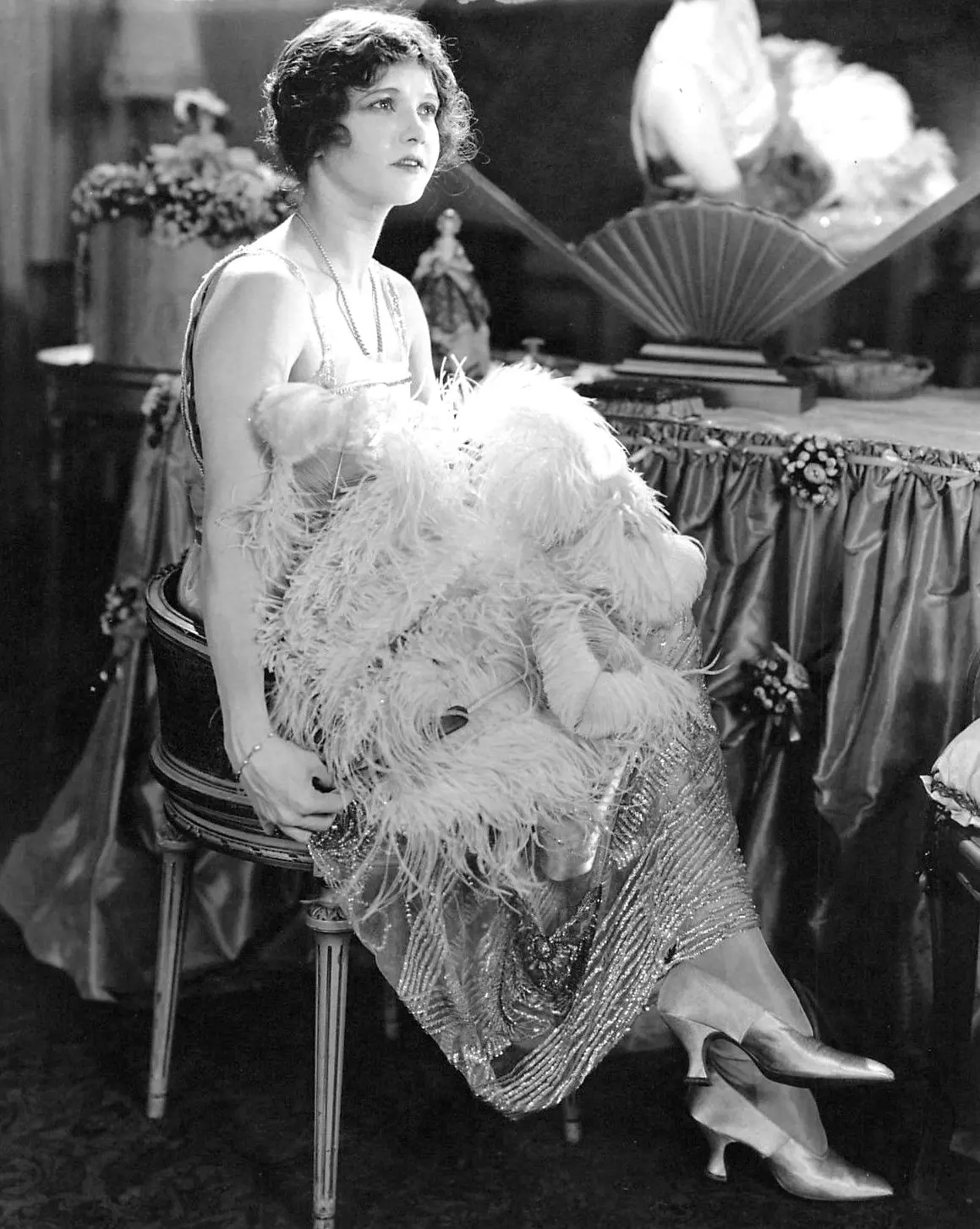
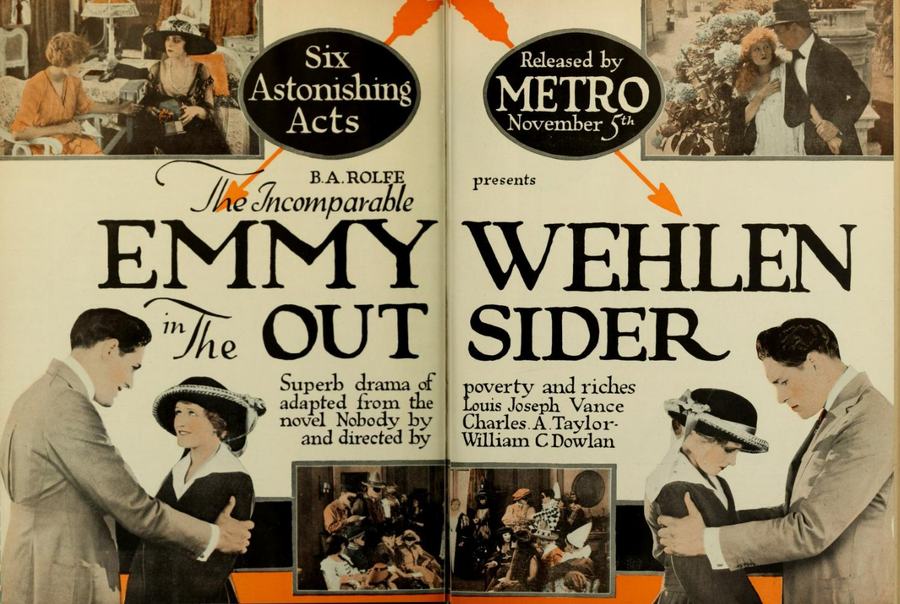
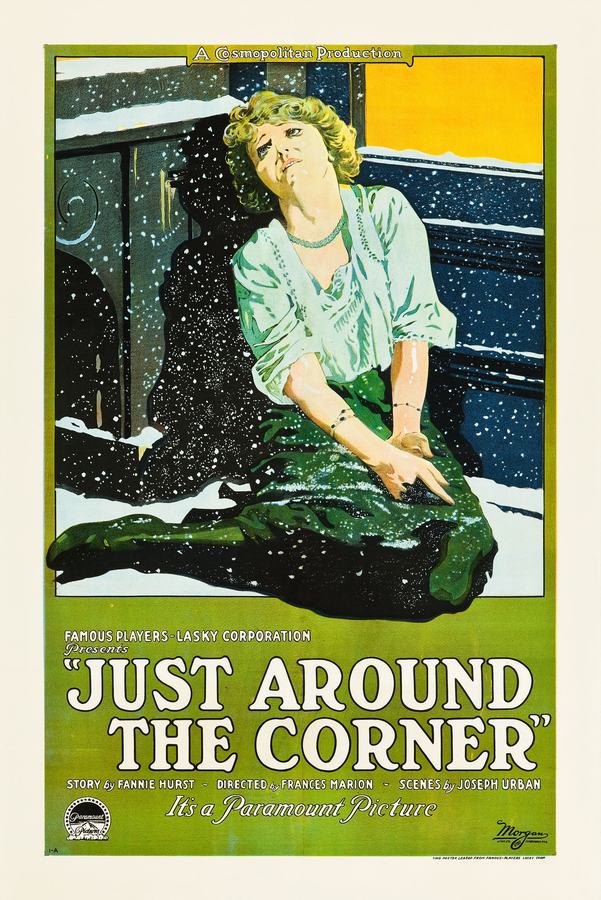
One of the primary hallmarks of cult cinema is the portrayal of the isolated protagonist—the individual who exists on the periphery of polite society. We see a primal version of this in the 1910s and 20s. Take, for instance, the evocative premise of The Outsider. When Sally Manvers, a simple shop girl weary of her mundane existence, falls asleep on a roof only to wake up trapped in a downpour, we are presented with an image of profound cinematic loneliness. This sense of being "locked out" or "locked in" is a recurring motif in cult narratives. It speaks to the disenfranchised viewer who feels similarly trapped by social structures. This atmospheric isolation is mirrored in Just Around the Corner, where the struggles of the Birdsong family on New York’s Lower East Side transform a simple drama into a poignant exploration of the urban fringe.
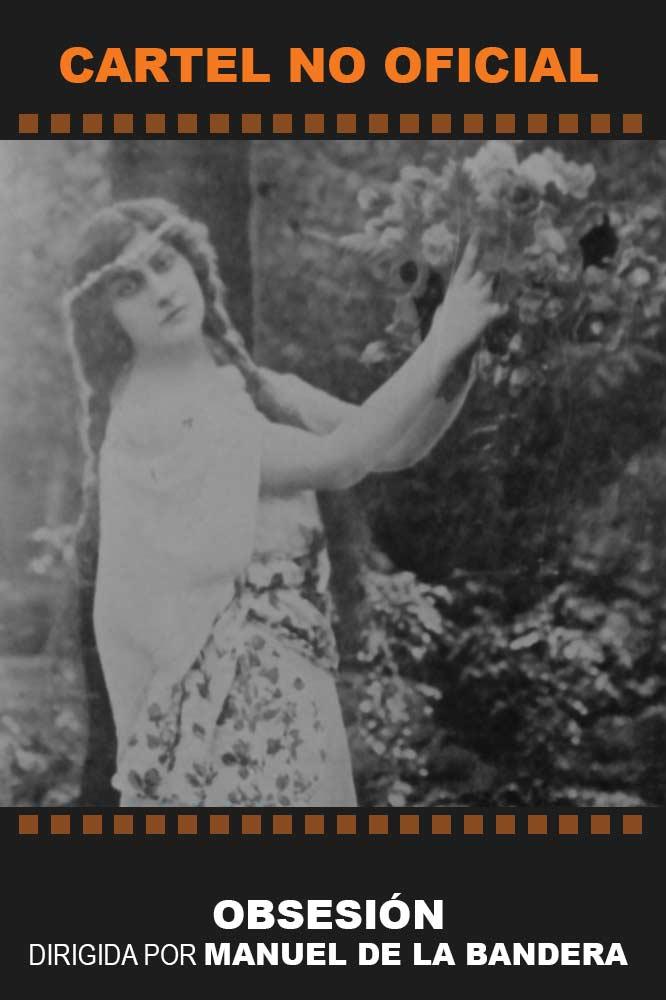
These narratives often leaned into the surreal. In The Lost Bridegroom, the protagonist suffers from aphasia after a head injury and is coerced into robbing his own fiancée’s home. This kind of narrative absurdity—where identity is fluid and the world is inherently hostile or nonsensical—is exactly what draws cult audiences. It challenges the linear, moralistic storytelling of the mainstream, offering instead a fractured mirror of the human experience.
Transgression and the Moral Gray Zone
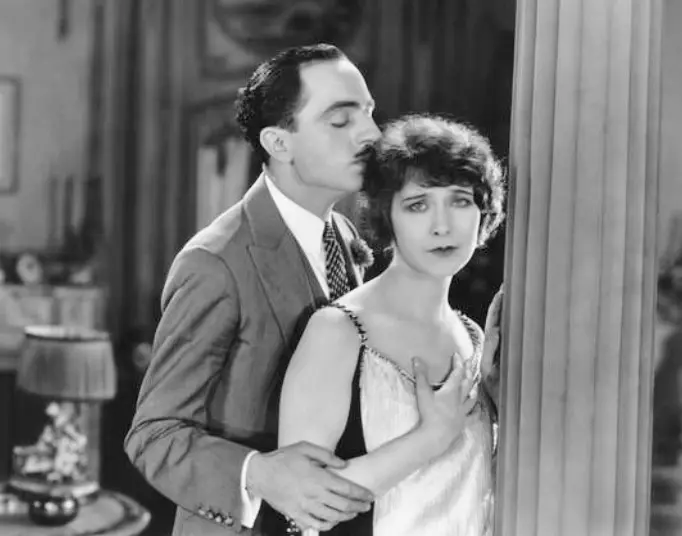
If cult cinema has a heart, it is a transgressive one. The genre thrives on pushing the boundaries of what is socially acceptable, and early cinema was surprisingly bold in this regard. The Halfbreed and Sodoms Ende are quintessential examples of films that explored the darker, more tragic impulses of the human soul. The former, a story of a man destroyed by love, and the latter, a tragedy of Berlin’s artistic life, both refused to provide the easy, happy endings demanded by the burgeoning studio system. They embraced the "downward spiral," a narrative arc that would later define the works of cult icons like John Waters or David Lynch.
Furthermore, films like The Devil's Playground and Manslaughter delved into the decadence and moral decay of the wealthy. In Manslaughter, the depiction of a thrill-seeking society girl whose negligence leads to death—intercut with lurid visions of the fall of Rome—is a masterclass in the kind of high-camp, high-stakes moralizing that cult fans adore. It is both a critique of the elite and a voyeuristic celebration of their excess. This duality is a cornerstone of the cult experience: we are repelled by the behavior on screen, yet we cannot look away.
The Uncanny Valley: Early Special Effects and Surrealism
Before digital effects, filmmakers had to rely on practical ingenuity to create the impossible, often resulting in visuals that are more unsettling and "cultish" than modern CGI. Ernst Lubitsch’s The Doll (1919) is a prime example. The concept of a man marrying a life-like mechanical doll to avoid a real marriage is pure surrealist gold. The artifice of the doll—the way it occupies the space between the human and the inanimate—creates an uncanny atmosphere that resonates with the same energy as later cult classics like Eraserhead. It is weird for the sake of being weird, a defiant stance against the realism that would eventually dominate the medium.
Similarly, the serialized mystery of The Shielding Shadow introduced audiences to the "Treasure Trove" and fantastical elements that would later influence the pulp and sci-fi cults. These films weren't just stories; they were experiences built on mystery and visual trickery. They invited the audience to participate in a secret world, a feeling that modern fandoms replicate through deep-lore analysis and cosplay.
Underworld Rhythms and the Anti-Hero
The cult of the anti-hero also finds its roots here. In The Lone Wolf, we follow Marcel, a waif turned master crook. This celebration of the criminal element—not as a villain to be defeated, but as a protagonist to be admired for his skill and cunning—was a radical departure. The Mysterious Mr. Browning took this a step further, featuring a wealthy man who masquerades as "Red Harrigan," the leader of a Detroit underworld gang. This fascination with the double life and the secret societies of the city’s underbelly is a major draw for the cult crowd, who often see themselves as part of a "secret" audience that knows something the general public does not.
Even the short-form storytelling of the era contributed to this. Bits of Life, an early anthology film, featured "The Bad Samaritan," a story of a half-breed man who becomes a criminal due to the brutality of his upbringing. By presenting these "bits" of broken lives, the film eschewed the grand narrative in favor of the gritty, the specific, and the marginalized. This anthology format would later become a staple of cult horror and sci-fi, allowing for a variety of experimental tones within a single viewing experience.
Genre Anarchy and the Birth of Niche Worship
What truly defines these films as "proto-cult" is their refusal to stay within a single genre. Ruggles of Red Gap blends the irreproachable dignity of an English valet with the rough-and-tumble energy of the American West. The Mutiny of the Elsinore combines high-seas adventure with a gritty look at the squandering of a young man's life. The Scarlet Pimpernel offers a hero who is perceived as a "fop" but is secretly a revolutionary savior. This subversion of expectations—the idea that nothing is quite what it seems—is the lifeblood of cult cinema.
Consider the sheer variety of themes in the films of this era: from the moonshiners of The Trail of the Lonesome Pine to the international scandal of The Caillaux Case, and the bizarre domestic comedy of My Lady Nicotine, where a wife tries to cure her husband's smoking habit with a mysterious substance. These films weren't trying to appeal to everyone; they were specific, often localized, and frequently strange. They were the "niche" before the term existed.
The Enduring Legacy of the Early Misfits
Why do we still look back at films like The Twin Pawns or Are They Born or Made? with such interest? It is because they represent a time when the rules of cinema were still being written. In that lawless period of creativity, filmmakers were free to explore the fringes of human behavior and narrative structure. They created works that were often too strange for the masses but perfect for the devoted few. Whether it is the tragic wait of fifty years in Hope or the symbolic struggle between "Power," "Success," and "Failure" in The Absentee, these films tapped into universal anxieties through a highly stylized, often idiosyncratic lens.
The modern cult film fan is a direct descendant of the viewers who sought out these early anomalies. When we watch a midnight movie today, we are participating in a tradition of rebellion that began with the silent era's genre mutants. We are looking for the "hidden reels," the stories that were too honest, too weird, or too transgressive for the marquee lights of the mainstream. From the mechanical bride in The Doll to the rain-soaked roof of The Outsider, the genetic markers of cult obsession are everywhere, waiting to be rediscovered by a new generation of cinematic outcasts.
In conclusion, the history of cult cinema is not a straight line, but a mosaic—a collection of disparate, often broken pieces that, when viewed together, reveal a hidden history of rebellion. By honoring the Maverick's Mosaic, we acknowledge that the spirit of the fringe has always been with us, flickering in the shadows of the very first projectors, and continuing to burn brightly in the hearts of those who prefer the dark.
Community
Comments
Log in to comment.
Loading comments…