
Cult Cinema
The Midnight Archetype: Unearthing the Genetic Rebellion and Maverick Soul of Cinema’s Earliest Genre Outcasts
“A deep dive into the primal roots of cult cinema, exploring how early 20th-century anomalies and genre-defying reels established the blueprint for modern midnight movie devotion.”
The concept of cult cinema is often associated with the midnight movie era of the 1970s—the era of acid-westerns, transgressive body horror, and counter-culture musicals. However, the genetic blueprint of the cult phenomenon was drafted decades earlier, in the flickering shadows of the silent and early sound eras. To understand why we worship at the altar of the unconventional, we must look back at the maverick spirits who operated on the fringes of the emerging studio systems, creating works that defied classification and invited a unique form of audience devotion.
The Political Rebel and the Banned Frame
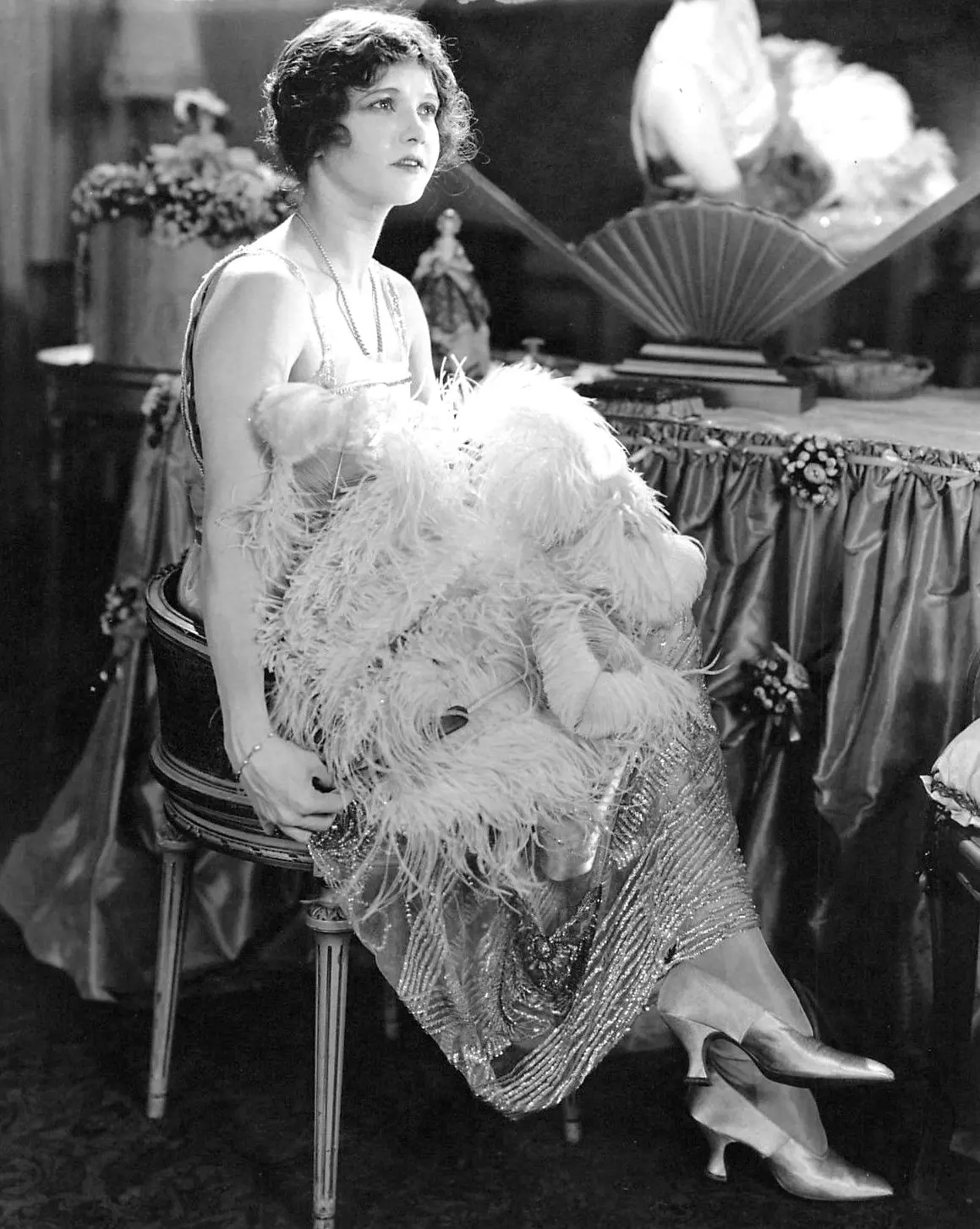
Cult status is frequently born from suppression. When a film is deemed too dangerous, too radical, or too subversive by the powers that be, it gains a second life in the underground. A prime example of this is the 1922 film Bhakta Vidur. This Indian silent drama was famously banned for political reasons, only to be re-released under the title Dharma Vijay. Its journey from a censored artifact to a symbol of resistance is the quintessential cult narrative. It proves that the subversive soul of cinema has always been linked to the act of defiance—a theme that resonates through the ages to modern cult classics that challenge the status quo.
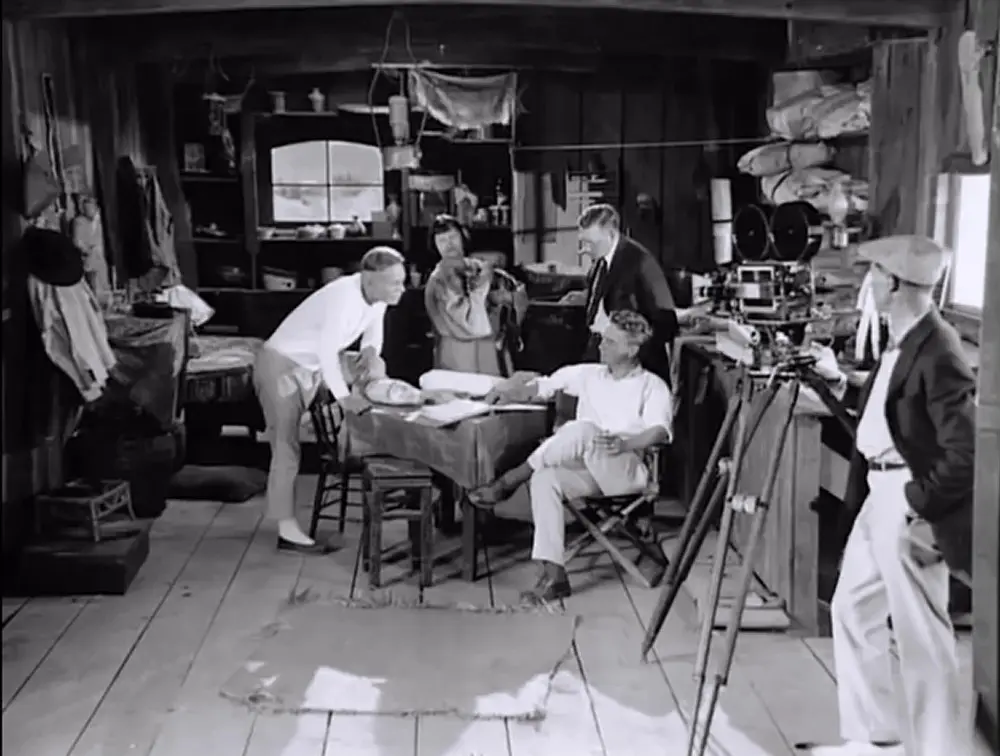
Similarly, propaganda films like The Prussian Cur and Beware! offer a fascinating look at how political urgency can create a specific, albeit controversial, niche. These films, while serving a utilitarian purpose in their time, have evolved into cult curiosities. They represent a moment when cinema was used as a blunt instrument of social engineering, and their modern viewing experience is one of historical deconstruction. The cult audience doesn't just watch a film; they interrogate it, looking for the transgressive rhythms hidden beneath the surface of the narrative.

Genre Defiance: The Birth of the Cinematic Misfit
One of the hallmarks of cult cinema is its refusal to stay within the lines of a single genre. This hybridity was present long before the term "genre-bending" was coined. Take, for instance, A Western Adventurer. By blending the rugged tropes of the Western with the slapstick energy of comedy, it created a tonal dissonance that paved the way for the quirky, off-beat films we celebrate today. This willingness to experiment with form and tone is what separates a standard studio product from a cult anomaly.
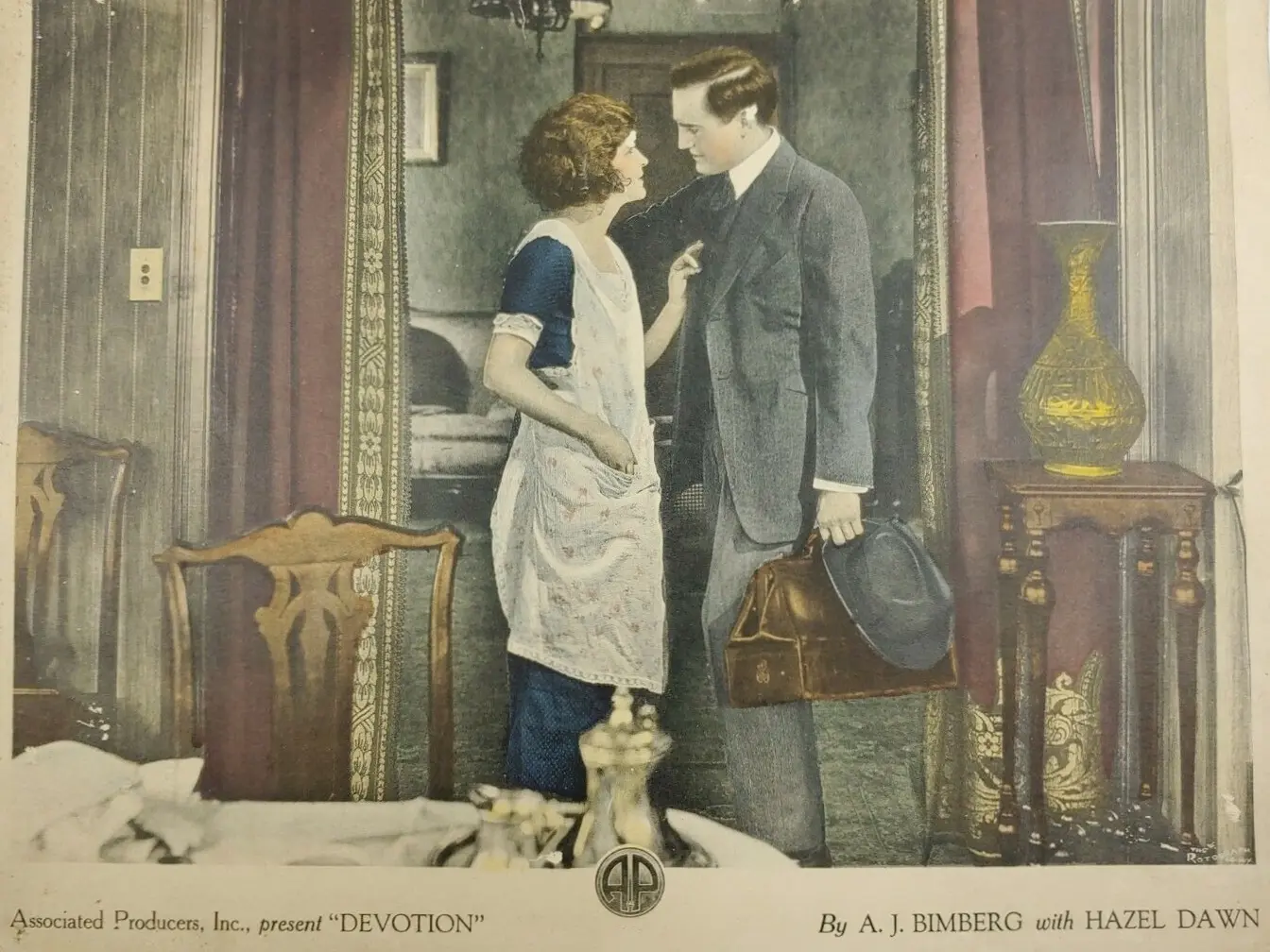
In the realm of action and adventure, films like The Timber Queen and The Great Air Robbery pushed the boundaries of what was physically possible on screen. These weren't just movies; they were spectacles of daring. The daredevil flyers and timber-land heiresses represented a primal energy that appealed to an audience hungry for something beyond the mundane. This "high-octane" spirit is a direct ancestor to the action cults of the 80s and 90s, where the stunt-work becomes as much of a character as the actors themselves.
The Macabre and the Moral Panic
Cult cinema thrives in the dark corners of the human psyche. Early films like The Monster and the Girl and The Hellion delved into themes of insanity, grief, and the supernatural with a raw intensity that often shocked contemporary audiences. In The Hellion, the plot involves a woman driven insane by grief—a narrative choice that highlights the era's fascination with the fragility of the mind. These films were the precursors to the psychological thrillers and horror cults that would eventually dominate the midnight circuit.

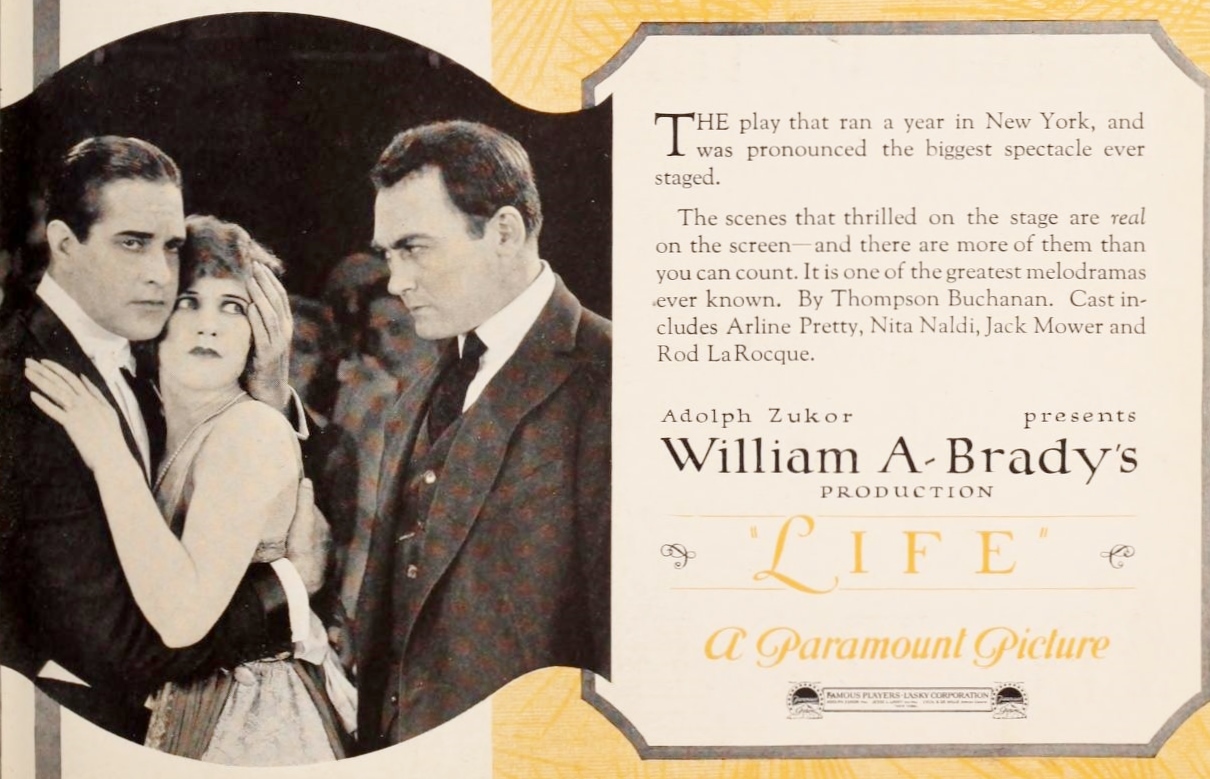
The moralistic undertones of the era also provided fertile ground for cult fascination. Films like Ten Nights in a Bar Room, while intended as temperance dramas, often tipped into the realm of the grotesque or the campy when viewed through a modern lens. The exaggerated portrayals of vice and virtue in The Temptations of Satan or The Scarlet Shadow create a sense of "otherness" that cult fans find irresistible. There is a specific joy in rediscovering these moralistic tales and repurposing them as icons of cinematic camp.

The Aesthetic of the Unusual: From Billions to Jinx
The cult icon is rarely a traditional hero. They are often misfits, outcasts, or eccentrics. In the 1920 film Billions, we see the story of an impoverished poet and a Russian princess—a narrative of high-society eccentricity that feels remarkably modern in its irony. Then there is Jinx, featuring a circus girl who brings chaos wherever she goes. This celebration of the "disruptor" is a central pillar of cult identity. We don't just root for these characters; we see ourselves in their inability to fit into the polished world around them.
Visual storytelling also played a crucial role in establishing the cult aesthetic. Even in short-form animation, like Walt Disney’s Kansas City's Spring Clean-up, we see the early stirrings of a unique visual language. The way these early creators used the frame to distort reality or emphasize the absurd laid the groundwork for the surrealist cult films of the mid-century. Whether it was the chaotic energy of Bungled Bungalows or the romantic melodrama of A Rosa do Adro, the emphasis was always on the unconventional lens.
Global Outliers and the Universal Language of the Fringe
Cult cinema is a global phenomenon, and its roots are spread across every continent. The Italian strongman Maciste, seen in Maciste turista, represents a specific type of localized stardom that eventually transcended borders to become a global cult icon. Similarly, the Portuguese drama A Rosa do Adro speaks to the universal theme of forbidden love, but does so with a regional flavor that gives it a distinct, almost ethnographic appeal for modern collectors.
The exchange of cultural ideas in films like Broken Fetters—which deals with an American diplomat's daughter in China—shows that even in the early 20th century, cinema was exploring the tensions of a globalizing world. These films often contained problematic tropes, but their existence as artifacts of cross-cultural encounter makes them essential viewing for anyone trying to map the renegade history of the medium. They are the "difficult" films of the past that require a sophisticated, dedicated audience to decode.
The Legacy of the Lost and the Found
Many of the films from this era, such as The House of Silence or The Sea Flower, exist today only as fragments or footnotes in trade journals. This scarcity is a key driver of cult devotion. The search for a lost reel, the restoration of a damaged print, and the eventual screening of a "forgotten" masterpiece like The Crimson Gardenia are rituals that define the cult community. The act of preservation becomes an act of worship.
When we look at a film like The Sporting Duchess, with its tale of jealousy and high-stakes horse racing, we see the melodrama that would eventually evolve into the soap-operatic excess of cult television. Or consider A Divorce of Convenience, which uses comedy to navigate the complexities of social contracts—a theme that remains a staple of independent and cult cinema to this day. These films were not just entertainment; they were the primordial ooze from which the modern cinematic landscape emerged.
Conclusion: The Eternal Return of the Cult Soul
The journey from the silent era’s "misfit" reels to today's digital underground is a testament to the enduring power of the unconventional. Cult cinema is more than just a collection of weird movies; it is a testament to the maverick spirit that refuses to be silenced by commercial interests or social norms. From the political defiance of Bhakta Vidur to the eccentric comedy of Nobody's Fool, the early pioneers of the medium understood that the most powerful stories are often found on the periphery.
As we continue to dig through the archives, unearthing titles like The Woman in the Web or The Last Volunteer, we aren't just looking at old movies. We are reconnecting with a lineage of rebellion. We are finding the genetic code of our own obsession. The midnight movie didn't start in the 1970s; it started the moment the first camera was turned toward something strange, something forbidden, and something undeniably human. That spirit lives on in every grainy frame and every unconventional narrative that dares to challenge our perception of what cinema can be.
Ultimately, the cult of the curious is a congregation of those who see the beauty in the broken, the value in the vanished, and the truth in the transgressive. By honoring the early outcasts of the screen, we ensure that the flame of cinematic rebellion continues to burn bright, lighting the way for the next generation of genre-defying visionaries.
Community
Comments
Log in to comment.
Loading comments…