
Cult Cinema
The Midnight Blueprint: Why We Worship the Misfit Masterpieces of Early Cinema
“Discover how the weird, the lost, and the transgressive reels of the early 20th century forged the DNA of modern cult cinema obsession.”
When we discuss the phenomenon of cult cinema, our minds often drift to the neon-soaked midnight screenings of the 1970s or the VHS-fueled obsessions of the 1980s. We think of high-camp musicals and transgressive body horror. However, the true architecture of the cult mindset was drafted much earlier, in the flickering shadows of the silent era and the experimental dawn of the talkies. Long before there were "midnight movies," there were the misfits of the marquee—films that challenged social norms, experimented with fragmented narratives, or simply existed too far outside the mainstream to be forgotten by the few who truly understood them.
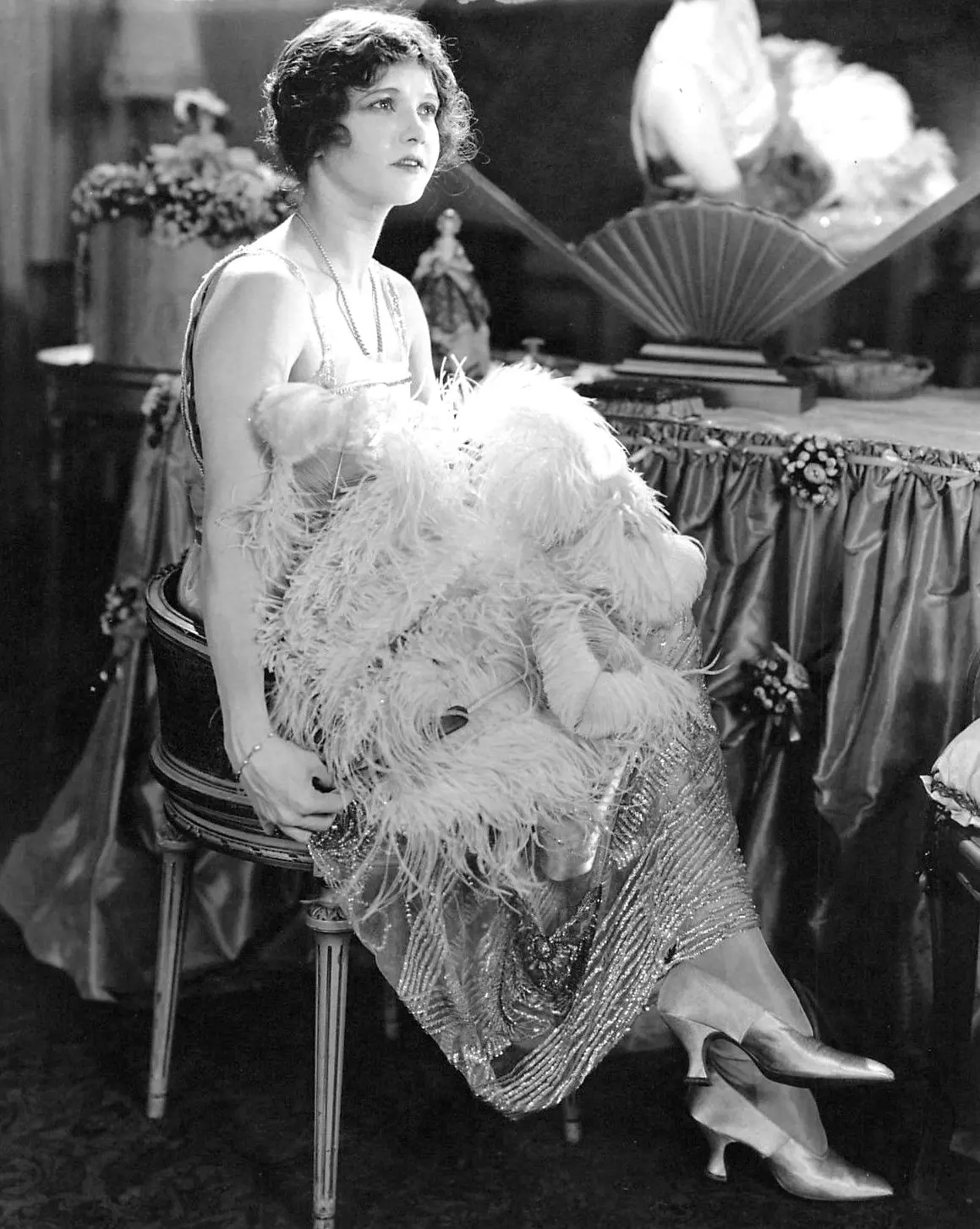
The Birth of the Cinematic Outcast
The essence of a cult film lies in its ability to foster a sense of belonging among those who feel out of step with the status quo. In the early 20th century, this was often achieved through stories that dealt with the underdogs and the marginalized. Take, for instance, the short 1917 film The Under Dog. While the title suggests a simple comedy, it taps into a primal human archetype: the overlooked individual who survives against the odds. This theme resonates through the history of cult cinema, from the bumbling protagonists of slapstick to the anti-heroes of modern noir.
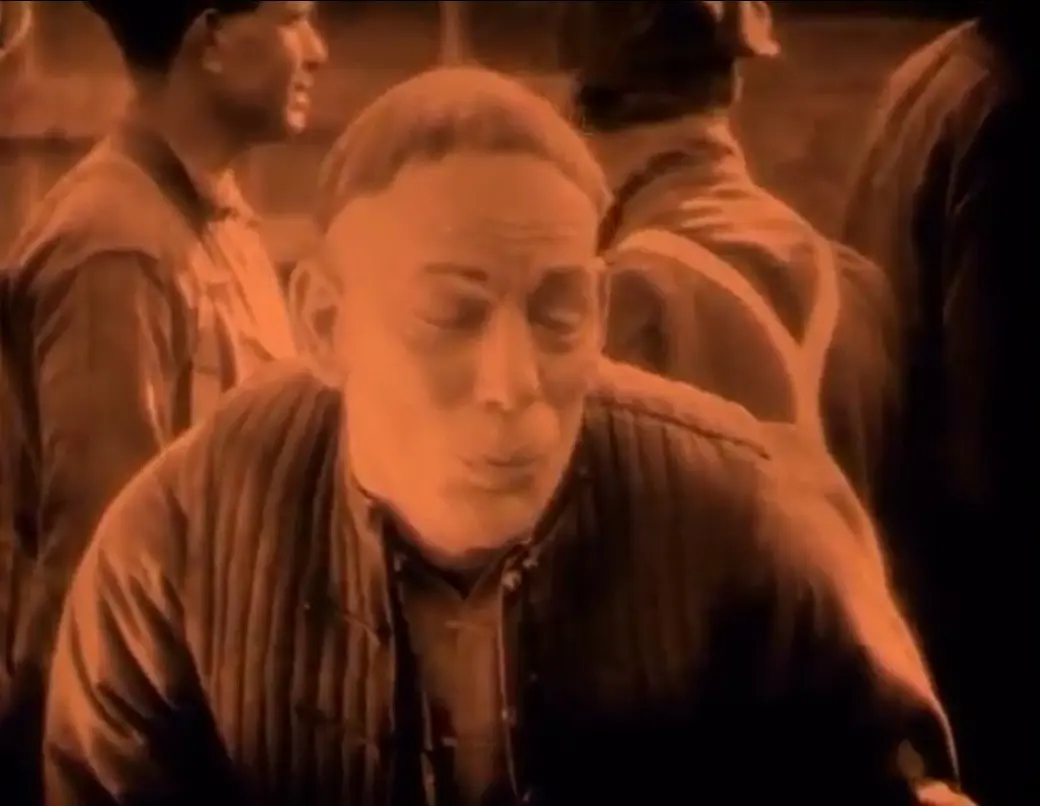
Similarly, The Saphead (1920) showcased a different kind of outlier. Featuring a young Buster Keaton, it presented a simple-minded son of a financier who must navigate a world he doesn't quite fit into. This brand of idiosyncratic performance is a cornerstone of cult devotion. We don't just watch these films; we adopt the mannerisms and the worldviews of these characters who refuse to conform to the rigid structures of their society.
Taboos and the Transgressive Lens
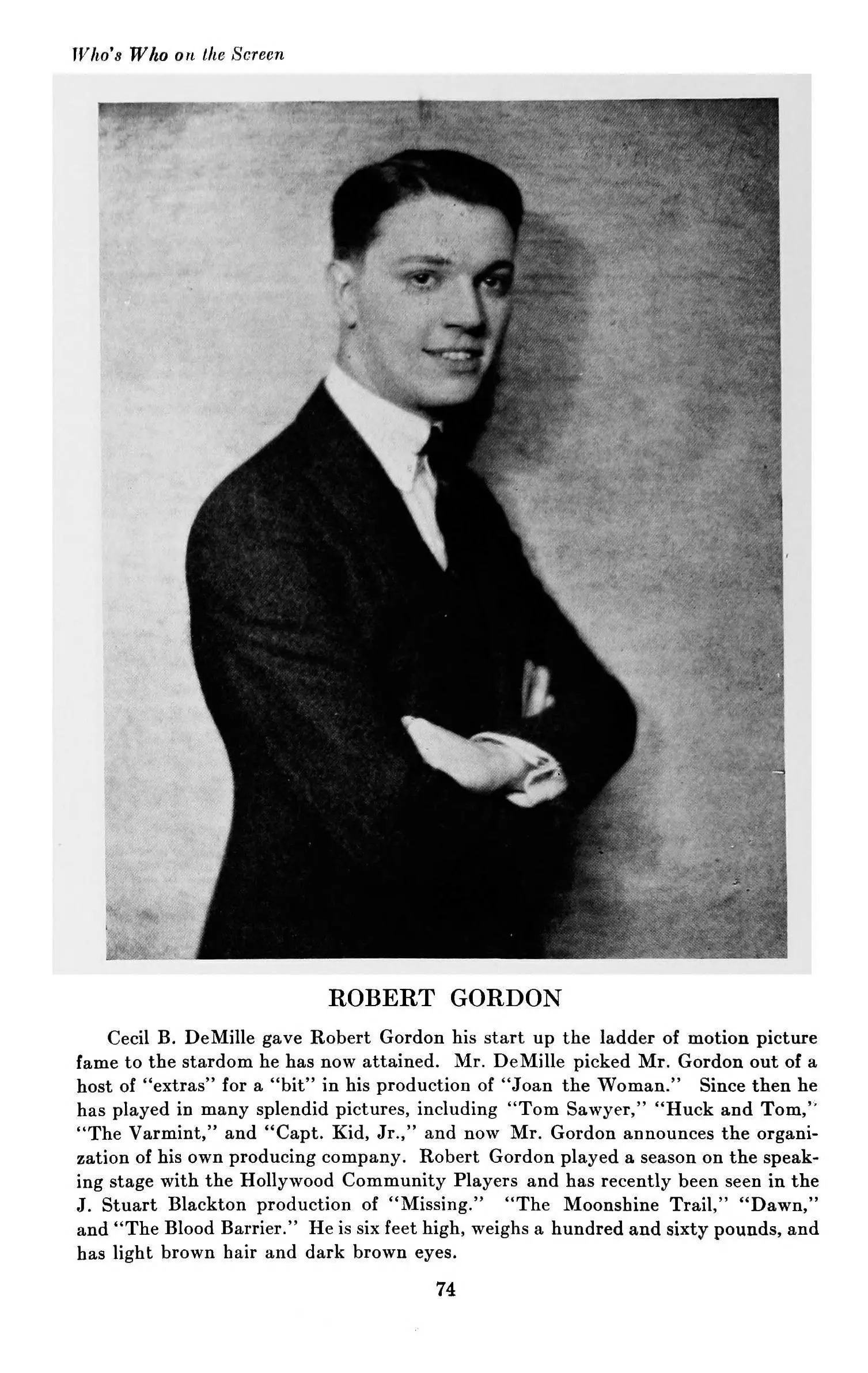
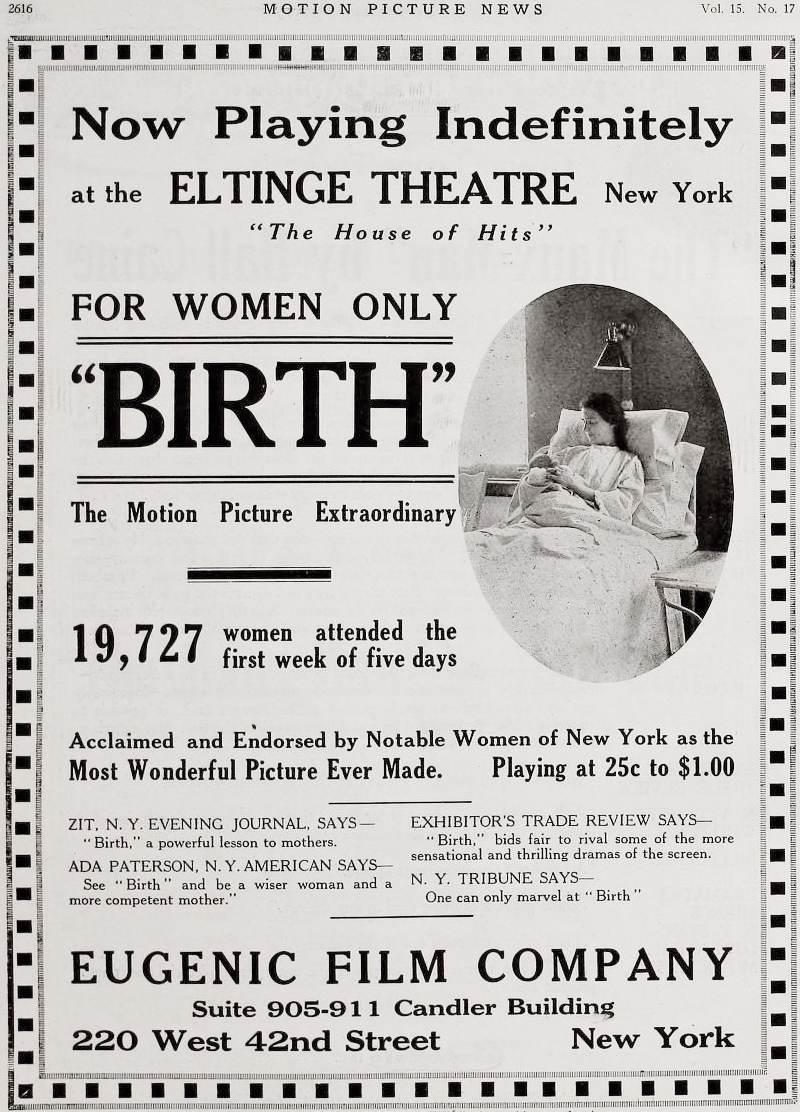
Cult cinema has always been a sanctuary for the forbidden. Even in the early days of the medium, filmmakers were pushing the boundaries of what was considered acceptable. A film like And the Law Says (1916) dealt with the heavy themes of illegitimacy and the abandonment of responsibility, topics that were often whispered about but rarely confronted with such starkness on screen. This willingness to stare into the darker corners of the human experience is what draws a specific, dedicated audience to a film.
Consider the haunting premise of Black Orchids (1917), where a father tells a cautionary tale of a woman being entombed alive to scare his daughter into virtue. This kind of macabre storytelling prefigures the horror cults that would emerge decades later. It isn't just about the scare; it’s about the visceral reaction to the unthinkable. When a film like Opfer des Hasses (1923) depicts the brutal realities of a pogrom during the Russian Revolution, it moves beyond mere entertainment and becomes a testament to the power of cinema to document the unflinching truth of human suffering, attracting those who seek substance over spectacle.
The Mystery of the Lost Reel
Nothing fuels a cult obsession quite like the idea of something that can no longer be seen. The "lost film" is the ultimate holy grail for the cinematic devotee. The Golem (1914), a film about an ancient clay figure brought to life to protect a community, exists now mostly in fragments and history books. Its absence creates a vacuum of mystery that fans fill with imagination and scholarship. The same can be said for The Black Secret (1919), a war-era serial of which only tiny fragments remain. The phantom limb of cinema—the films we know existed but cannot fully experience—creates a unique form of worship where the history of the object is as important as the content itself.
Experimental Rhythms and Visual Anarchy
Cult status is often awarded to films that break the rules of traditional filmmaking. In the early 1920s, the Soviet avant-garde was busy dismantling the very idea of narrative. Dziga Vertov’s Kino-pravda no. 14 (1922) wasn't just a newsreel; it was an experiment in the "cinema-eye." By documenting Russian life through a non-linear, highly edited lens, Vertov and his collaborators provided a blueprint for the experimental cult films of the future. They proved that the camera could be more than a passive observer; it could be a radical participant in the restructuring of reality.
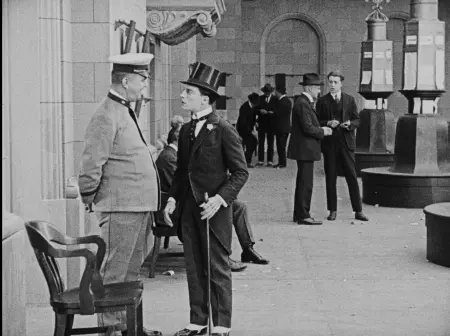
On the other end of the spectrum, we have the grand, stylized visions of Die Nibelungen: Siegfried (1924). Fritz Lang’s masterpiece utilized massive sets and mythological scale to create a world that felt entirely separate from our own. This kind of world-building is a prerequisite for many cult hits. Whether it’s a sprawling fantasy kingdom or the claustrophobic streets of A Manhattan Knight (1920), cult films offer an escape into a meticulously crafted alternate existence.
Genre Bending and the Early Meta-Narrative
The ability to poke fun at oneself or the medium at large is another hallmark of the cult classic. Salome vs. Shenandoah (1919) is a fascinating early example of the burlesque. By presenting an inept theatrical troupe attempting to perform two wildly different dramas simultaneously, the film engaged in a form of meta-commentary that anticipated the self-aware cult comedies of the modern era. It invited the audience to laugh not just at the story, but at the very artifice of performance.
Even in traditional genres like the Western, films like The Call of the Canyon (1923) or Cyclone Jones (1923) often contained elements that deviated from the standard hero’s journey. They focused on the psychological recovery of soldiers or the friction between different types of settlers, adding layers of dramatic complexity that rewarded repeat viewings—a key behavior of the cult film fan.
The International Language of the Fringe
Cult cinema is a global phenomenon, and the early years of the 20th century saw radical works emerging from every corner of the globe. From the Argentine romance of Un romance argentino (1922) to the Norwegian epic Markens grøde (1921), based on Knut Hamsun’s Nobel-winning novel, these films brought unique cultural perspectives to the screen. Markens grøde, in particular, with its critique of industrialization and urban decay, resonated with a segment of the population that felt alienated by the rapid changes of the modern world. This thematic resonance is what allows a film from a century ago to still feel urgent and relevant to a niche audience today.
In Denmark, Uden Fædreland (1914) explored the persecution of religious sects, touching on themes of identity and belonging that are universal. The "cult" of these films often begins with a specific community seeing their own struggles reflected in a story that the mainstream world might ignore. Whether it's the shepherdess-turned-opera-star in A Welsh Singer (1915) or the gambling husband in the Brazilian Exemplo Regenerador (1919), these films captured the nuances of the human condition in ways that were both specific to their time and timeless in their appeal.
Conclusion: The Eternal Flicker
The films mentioned here—from the slapstick chaos of Going! Going! Gone! (1919) to the atmospheric mystery of Alias the Night Wind (1923)—are more than just historical artifacts. They are the primary sources of a rebellious cinematic tradition. They taught us that a film doesn't need a massive box office return to be a success; it only needs a handful of people who see it, love it, and refuse to let it die.
As we look back at these early misfits, we see the sparks that eventually ignited the midnight movie fires. We see the obsession with the lost, the love for the weird, and the devotion to the performer who dares to be different. The midnight blueprint was drawn in black and white, silent and flickering, waiting for us to rediscover the magic in the margins. Every time we gather in a dark theater to watch a film that "no one else gets," we are participating in a ritual that is as old as the medium itself. We are the inheritors of the fringe, the keepers of the unseen, and the true believers in the power of the unconventional reel.
Community
Comments
Log in to comment.
Loading comments…