
Cult Cinema, Deep Dive
The Midnight Communion: Unpacking Cult Cinema's Enduring Allure and Maverick Heartbeat

“Cult cinema transcends mere entertainment, fostering fervent communities around films that defy convention, challenge norms, and often languish in initial obscurity. This deep dive explores the magnetic pull of these cinematic outliers, from their silent-era predecessors to their modern-day resurgen…”
In the vast, ever-expanding universe of film, there exist certain celestial bodies that, despite their initial faintness or perceived irregularity, burn with an intensity that outlasts the brightest blockbusters. These are the cult films, cinematic anomalies that, rather than fading into obscurity, gather fervent devotees, inspire midnight screenings, and ignite passionate, often lifelong, obsessions. What is it about these unconventional narratives, transgressive themes, and maverick visions that allows them to forge such profound connections with their audiences? The answer lies in a complex interplay of rebellion, identity, and the timeless human yearning for belonging.

The Genesis of Obsession: Tracing Cult Cinema's Rebel Roots
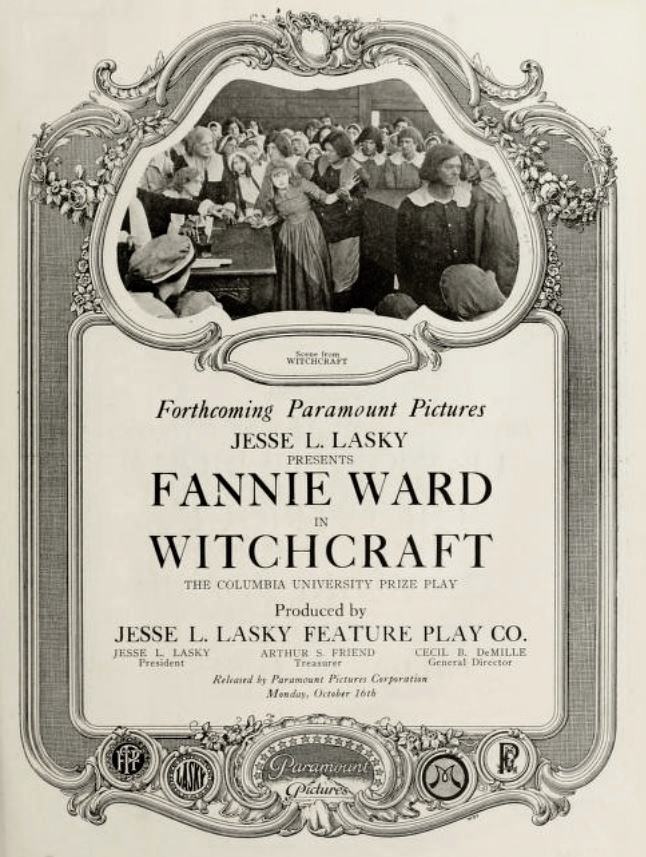
While the term "cult film" gained widespread traction in the latter half of the 20th century, particularly with the rise of midnight movies, the spirit of cult cinema is as old as the medium itself. Long before the digital age, early cinema offered glimpses of what would become the cult aesthetic. Think of the intense melodramas and moral allegories of the silent era, films that, for their time, pushed boundaries of storytelling and visual expression. Even in the nascent days of cinema, a film like Häxan (1922), with its unsettling blend of documentary, fantasy, and horror, delving into the historical perception of witchcraft, undoubtedly found a niche audience captivated by its audacious and unsettling portrayal. Such films, often overlooked by mainstream critics or deemed too bizarre for mass appeal, laid the groundwork for the future.

Many early films, though now largely forgotten by the wider public, carried a certain proto-cult potential. Consider the dramatic intensity woven into narratives like The Marked Woman (1917), where a Nihilist Russian seeks revenge, or the stark portrayal of survival in The Jungle Child (1916). These were stories that grappled with extreme emotions, societal fringes, and unconventional heroes or anti-heroes. Even seemingly straightforward dramas such as Virtuous Wives (1918) or Something to Think About (1920) could, through their heightened emotionalism or unique moral quandaries, resonate deeply with certain viewers, sparking a more profound connection than typical entertainment. The cinematic landscape of the 1910s and 1920s was a fertile ground for these seeds of devotion, even if the concept of a "cult" had yet to fully germinate.

Defining the Undefinable: Characteristics of Cult Masterpieces
What, then, truly defines a cult film? It’s not simply a matter of box office failure or critical dismissal, though these are often common threads. Instead, it’s a confluence of factors that coalesce to create a unique, often idiosyncratic cinematic experience:
Transgression and Taboo
Cult films frequently dare to tread where mainstream cinema fears to go. They explore taboo subjects, challenge societal norms, or present narratives that are morally ambiguous, unsettling, or even shocking. This transgressive quality is often what first attracts an audience weary of conventional storytelling. From the overt exploration of witchcraft in Häxan to the intense melodramas like Tyrant Fear (1920) where women are mere chattels, these films often offered a raw, unfiltered look at human nature and societal ills that was uncommon for their time. The sheer audacity of their themes creates a powerful, unforgettable impression.

Aesthetic Uniqueness and Maverick Visions
Many cult films boast a distinctive visual style, an unconventional narrative structure, or a directorial voice so singular it cannot be ignored. They might experiment with genre, blend disparate elements, or simply present a world utterly unlike anything else. This could manifest in the lavish sets of a religious epic like Christus (1916) or The Life and Passion of Jesus Christ (1905), which, though intended for wide appeal, might have been seen as stylistically bold for their era, captivating viewers through sheer spectacle and emotional weight. Directors like Alfred Hitchcock, even in his early silent works, often displayed a visual flair and narrative tension that prefigured his later, more overtly 'cult' thrillers.
Initial Obscurity and Delayed Recognition
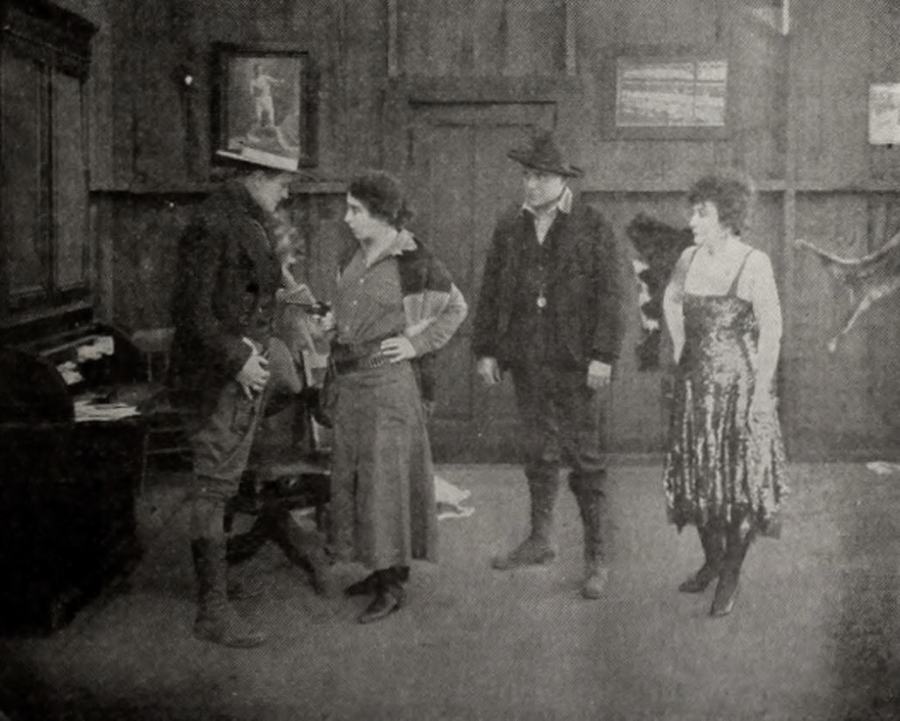
A common trajectory for a cult film is initial failure or obscurity. They might be misunderstood by critics, ignored by audiences, or simply released at the wrong time. However, a dedicated few discover them, champion them, and slowly, painstakingly, build a following. Films like The Human Orchid (1916) or The Girl Who Couldn't Grow Up (1917), which might have been lost to time without dedicated preservation, could have been early examples of films appreciated by a select few. This journey from fringe to phenomenon is a core part of the cult mystique.

Audience Participation and Communal Rituals
Perhaps the most defining characteristic of cult cinema is its interactive fandom. Audiences don't just watch these films; they participate in them. This can range from quoting dialogue, dressing up as characters, or attending elaborate midnight screenings, transforming the viewing experience into a communal ritual. While the organized midnight movie phenomenon is a later development, the seeds of collective fascination are visible even in early cinematic history. Imagine the rapt attention for something as visually unique as Storm P. tegner de Tree Små Mænd (1920), a short animation, or the shared experience of a thrilling chase in Speed (1921), sparking conversations and repeated viewings among friends.

The Psychological Pull: Why We Fall for the Outliers
The allure of cult cinema goes beyond mere appreciation; it's often a deep, personal connection. This psychological magnetism can be attributed to several factors:
Identity and Belonging
For many, cult films offer a sense of identity and belonging. These are often films for the misfits, the outsiders, the ones who don't quite fit into mainstream society. Discovering a cult film can feel like finding a secret language, a hidden club where one's eccentricities are not just tolerated but celebrated. This sense of shared understanding creates powerful communities, uniting individuals who might otherwise feel isolated. The raw emotionality of films like Making a Man (1922), where a snobbish man is forced to confront his prejudices, or the journey of an orphan in Mickey (1918), resonate with themes of self-discovery and challenging societal expectations, fostering a sense of camaraderie among those who relate to such struggles.
Rebellion Against the Mainstream
Embracing a cult film is often an act of rebellion. It's a rejection of the commercially driven, critically acclaimed, and universally palatable. It's a statement that one's tastes are discerning, unconventional, and perhaps even superior. This counter-cultural stance is deeply satisfying for those who feel alienated by mainstream culture. The sheer defiance of expectations in a film like Notorious Gallagher; or, His Great Triumph (1916), where a slum resident finds importance, or the moral complexities in The Price of Malice (1916), offered an alternative to the saccharine narratives often prevalent in early cinema.
The Thrill of Discovery
There's an undeniable thrill in discovering a hidden gem, a film that feels like it was made just for you. This personal connection, often forged through independent exploration rather than widespread marketing, deepens the bond between viewer and film. Early film enthusiasts, poring over sparse reviews or word-of-mouth recommendations for films like The Blazing Trail (1921) or The Challenge of the Law (1920), were arguably the first cultists, finding joy in the unusual and the obscure.
Evolution of the Midnight Movie Phenomenon
While the foundational elements of cult cinema can be traced back to early film, the phenomenon truly exploded with the rise of the midnight movie circuit in the 1970s. Films like The Rocky Horror Picture Show, Eraserhead, and Pink Flamingos found their spiritual home in late-night screenings, attracting audiences eager for something different, something subversive. These were spaces where films could be celebrated, dissected, and transformed into interactive experiences.
Before this formalized circuit, however, the seeds of this communal viewing were already present. Imagine audiences for silent films, particularly those with strong dramatic or comedic elements, engaging with the screen, talking back, or reacting vocally. A film like Officer 666 (1914), a comedy about a millionaire returning incognito, or the slapstick antics of Drink Hearty (1920) and Skinning Skinners (1921), could very well have elicited boisterous reactions and repeat viewings from appreciative crowds, anticipating the participatory nature of later cult audiences. The energy and directness of these early cinematic experiences fostered a unique bond that transcended passive viewing.
The Enduring Legacy of the Cinematic Outlier
Today, cult cinema continues to thrive, adapting to new technologies and viewing habits. Streaming services have opened up vast archives of obscure films, allowing new generations to discover unconventional masterpieces. Online communities, forums, and social media platforms serve as virtual midnight movie theaters, where fans can connect, share theories, and celebrate their shared obsessions.
The influence of cult films extends far beyond their dedicated fanbases. They often inspire future filmmakers, artists, and musicians, shaping the cultural landscape in subtle yet profound ways. What was once considered fringe or niche often infiltrates the mainstream, changing perceptions and expanding the boundaries of what is acceptable or celebrated in cinema. The bold storytelling of a film like Beatrice Cenci (1909), a historical drama based on a tragic Italian noblewoman, or the intricate mystery of The Man Inside (1916), could have influenced subsequent generations of storytellers, pushing them to explore darker themes or more complex characters.
From the earliest days of silent cinema, with its melodramatic excesses and bold visual experiments, to the modern era of digital cults, the power of these cinematic outliers remains undiminished. They are a testament to the idea that true art often flourishes outside the spotlight, nurtured by a passionate few who see beyond convention. The cult film is more than just a movie; it's a shared secret, a communal experience, and a vibrant heartbeat in the vast, diverse body of film history. It speaks to the universal human desire for connection, for meaning, and for stories that resonate with the deepest, most unconventional parts of ourselves. In an increasingly homogenized world, the midnight communion of cult cinema offers a sanctuary for the weird, the wonderful, and the truly unique.
Community
Comments
Log in to comment.
Loading comments…