
DbcultAccessing Vault...
Cult Cinema Deep Dive
Senior Film Conservator
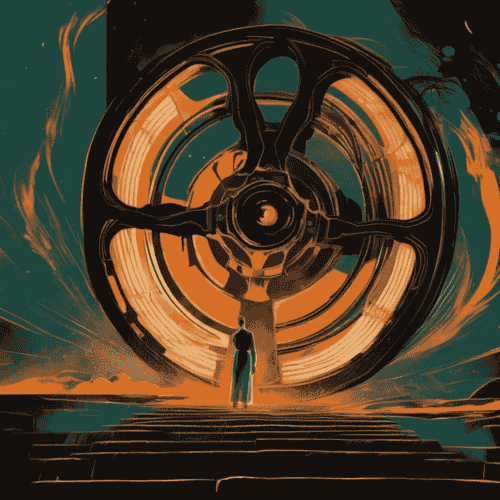
The concept of the "cult film" is often tethered to the neon-soaked midnight screenings of the 1970s or the VHS-fueled obsession of the 1980s. However, to truly understand the subversive soul of niche cinema, one must look back much further. Long before the Rocky Horror Picture Show or the transgressive works of John Waters, the silent era was already forging a Midnight Monolith of deviant storytelling. Between 1910 and 1925, a wave of filmmakers—many forgotten by the mainstream canon—began experimenting with themes of obsession, social decay, and psychological horror that would become the genetic code for modern cult devotion.
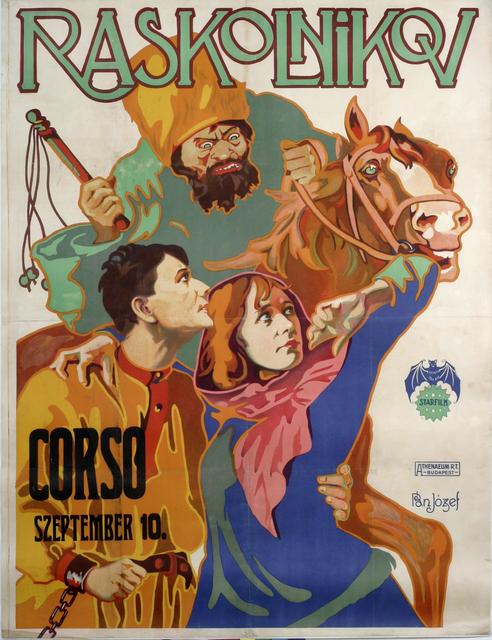
The "cult gaze" is defined by an appreciation for the marginal, the misunderstood, and the magnificent. In the early 20th century, cinema was still defining its moral boundaries. While the big studios sought to create universal moral fables, the fringes were occupied by films like Raskolnikov. This adaptation of Dostoevsky’s masterpiece didn't just tell a story of crime; it delved into the fractured psyche of a man driven by intellectual arrogance. Its visual language, influenced by German Expressionism, provided the blueprint for the psychological cult thrillers of the future.
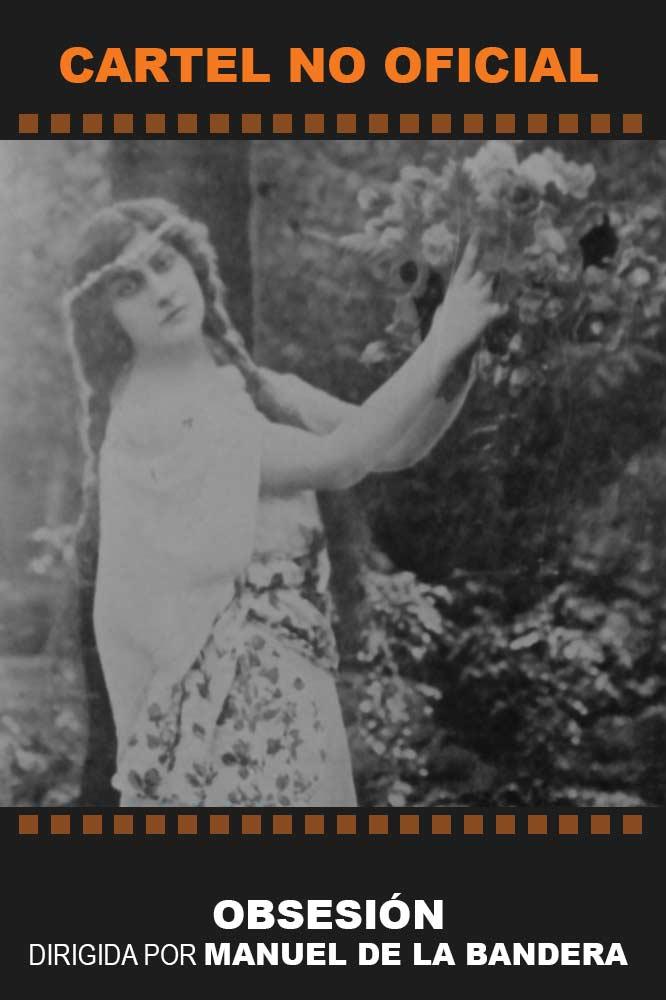
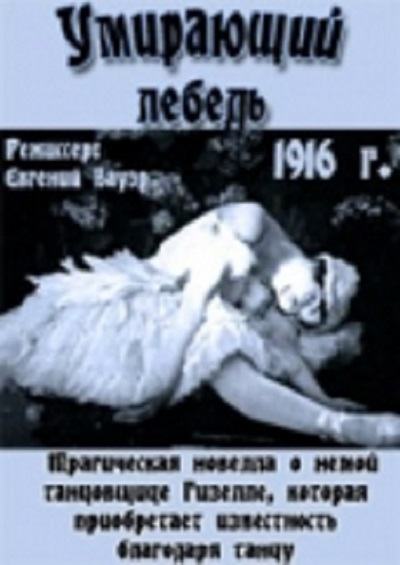
Similarly, the 1917 Russian film Umirayushchiy lebed (The Dying Swan) presented a level of macabre obsession that would make modern horror directors blush. The story of a ballerina who becomes the fixation of an unhinged artist is a direct ancestor to the "tortured artist" trope that permeates cult cinema. These films were not meant for the masses; they were meant for those who sought the shadows, the seekers of cinematic heresy.
Cult cinema thrives on the subversion of social norms. In the 1910s, films like The Moral Code (1917) and Just Outside the Door (1923) explored the hypocrisy of the upper classes and the fluidity of integrity. In The Moral Code, a man’s attempt to protect his family name through a marriage of convenience leads to a spiral of loose morals and broken promises. This focus on the moral grey zone is a hallmark of cult narratives, where the protagonist is rarely a traditional hero.
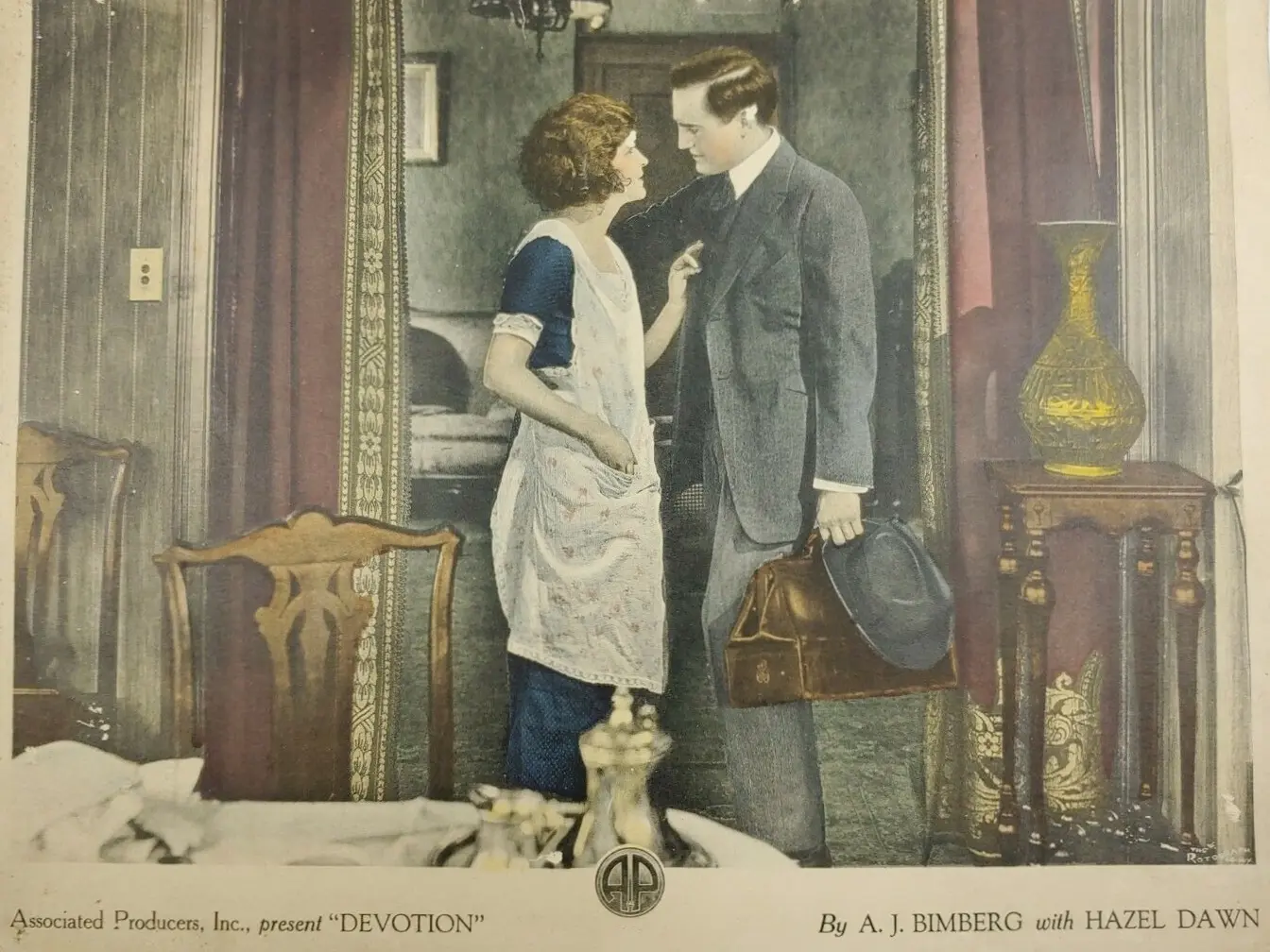
We see a similar defiance in The Hawk (1917), where Count George De Dazetta preys upon society with the help of his wife. This dynamic—the charming criminal couple—prefigures the outlaw romances that would later define the 1960s and 70s cult waves. These films challenged the audience's sympathies, forcing them to align with characters who existed outside the law and conventional morality. They were, in essence, the first rebel reels.
One cannot discuss cult cinema without acknowledging the role of the bizarre. The silent era was rife with genre-bending experiments that defied easy categorization. Take The Silent Mystery (1918), a tale involving Egyptian jewels, mummies, and high-stakes theft. It combined elements of the adventure serial with a supernatural dread that would eventually evolve into the "creature feature" cult subgenre. This penchant for the exotic and the occult provided a sense of escapism that was both thrilling and deeply strange.
Then there is Fifty Candles (1921), a mystery that centers on a philosopher of noble birth facing death in China, only to be saved by an American millionaire. The film's blend of philosophical inquiry and pulp mystery is exactly the kind of high-concept, low-budget execution that modern cinephiles adore. It creates a liminal space between high art and exploitation, a territory where most cult classics reside.
While horror and drama provided the shadows, early comedy provided the bite. Cult cinema often utilizes the absurd to critique the status quo. Films like William Hohenzollern Sausage Maker (1916) and Nutt Stuff (1920) are prime examples of the era's willingness to engage in surrealist satire. The former, a biting piece of wartime propaganda-turned-absurdity, used the medium of animation and live action to mock global figures, while the latter, Nutt Stuff, offered a meta-commentary on the film industry itself, following a director who stages a melodrama on credit.
This self-reflexive humor is a cornerstone of the cult experience. When we watch The Plumber (1914) or Ambrose's Visit (1915), we aren't just seeing slapstick; we are seeing a rejection of domestic tranquility. Ambrose, tasked with endless chores by his mother-in-law, becomes a symbol of the everyday man crushed by societal expectations—a theme that resonates through the ages in films like Fight Club or Office Space.
As the silent era reached its peak, the experimentation became even more radical. Prométhée... banquier (1921) is a testament to the power of the avant-garde. By updating Greek tragedy to the world of high finance, the director created a visual manifesto that challenged the very structure of narrative cinema. It used the banker as a modern Prometheus, chained to his desk, a metaphor that remains strikingly relevant today.
This spirit of experimentation is also evident in Zonnetje (1919) and Constantinople, the Gateway of the Orient (1920). These films functioned as both travelogues and narrative puzzles, offering audiences a glimpse into worlds they would never visit, framed through a lens of mysterious allure. They catered to a specific type of viewer: the intellectual wanderer, the person for whom the cinema was not just entertainment, but a window into the forbidden and the unknown.
Why do we return to these flickering fragments of the past? Because they represent a time of unfiltered creativity. Before the Hays Code and the rigorous standardization of Hollywood, filmmakers were free to explore the darker corners of the human experience. God's Crucible (1921) and V ikh krovi my nepovinny (1917) dealt with political persecution and social upheaval with a raw intensity that modern productions often lack.
The characters in these films—the "black sheep" mentioned in His Turning Point (1915) or the desperate siblings in Down the Mississippi (1917)—are the archetypes of the modern cult hero. They are the outcasts, the dreamers, and the deviants. They remind us that the human condition is not a monolith, but a collection of shattered reflections.
The Midnight Monolith of the silent era is not a relic of the past; it is a living foundation. Every time a new generation of cinephiles discovers a forgotten masterpiece or rallies around a misunderstood flop, they are participating in a tradition that began over a century ago. The 1910s were not just the "infancy" of cinema; they were its wild, rebellious adolescence.
From the psychological depths of Raskolnikov to the satirical bite of William Hohenzollern Sausage Maker, the seeds of subversion were planted deep within the celluloid. As we look forward to the future of film, we must continue to look back at these misfit reels. They are the maps that guide us through the darkness, the blueprints for every midnight obsession yet to come. The cult gaze is eternal, and it was born in the silent, flickering shadows of the 1910s.
In the end, cult cinema is about finding a home in the homeless, a beauty in the broken, and a truth in the transgressive. It is about the devotion to the deviant, a flame that was first lit by the silent masters and continues to burn brightly in the hearts of those who prefer their cinema with a side of the strange.