
Cult Cinema
The Neon Navigator: Decoding the Subversive Soul and Maverick Rhythms of Cinema’s Earliest Genre Outcasts
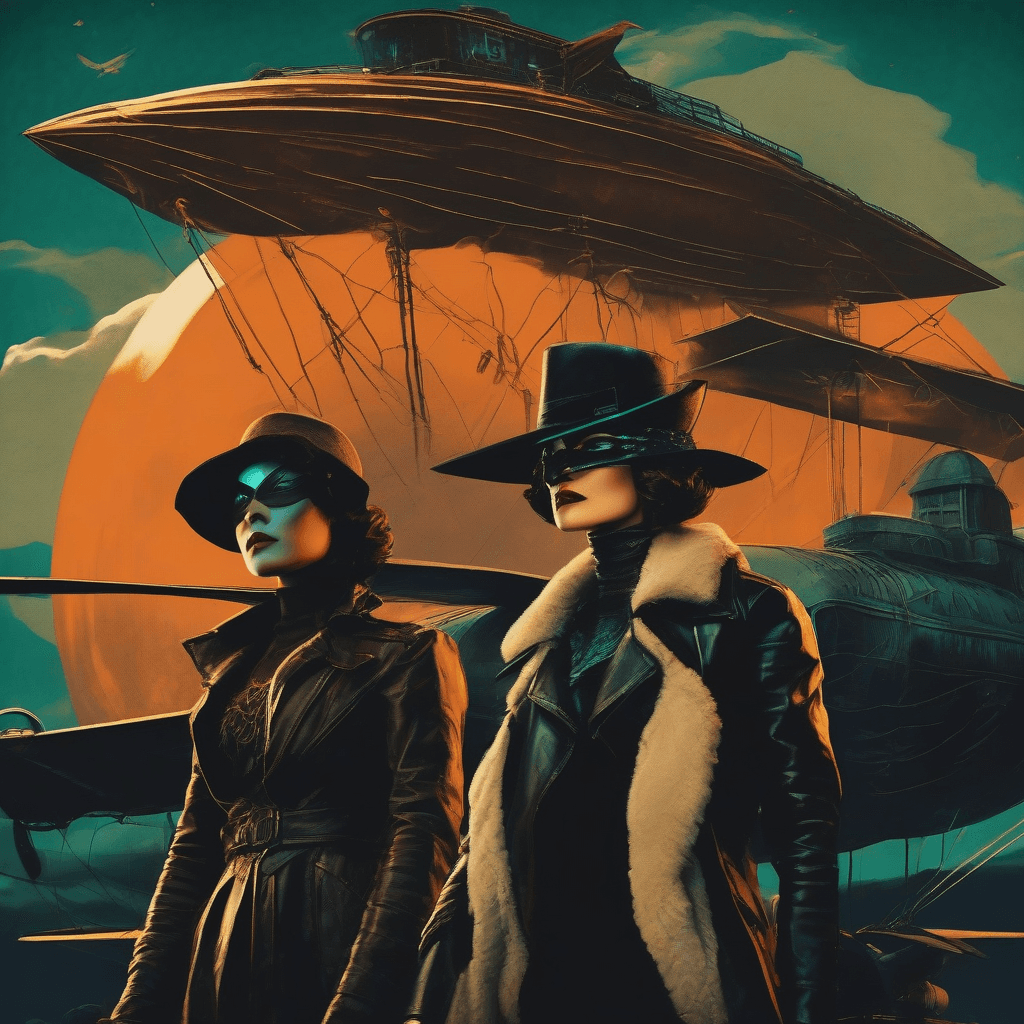
“An in-depth exploration of how the silent era's most daring anomalies, from sky-pirates to masked vigilantes, engineered the DNA of modern cult cinema.”
The concept of cult cinema is often mistakenly tethered to the 1970s midnight movie circuit, a neon-soaked era of Rocky Horror and El Topo. However, the true genetic code of the transgressive and the maverick was written decades earlier, in the flickering shadows of the silent era. To understand the modern obsession with the fringe, we must look toward the Neon Navigator of the early 20th century—those films that defied the burgeoning studio norms to create something raw, strange, and undeniably rebellious.

The Architecture of the Abnormal: Why We Worship the Outcast
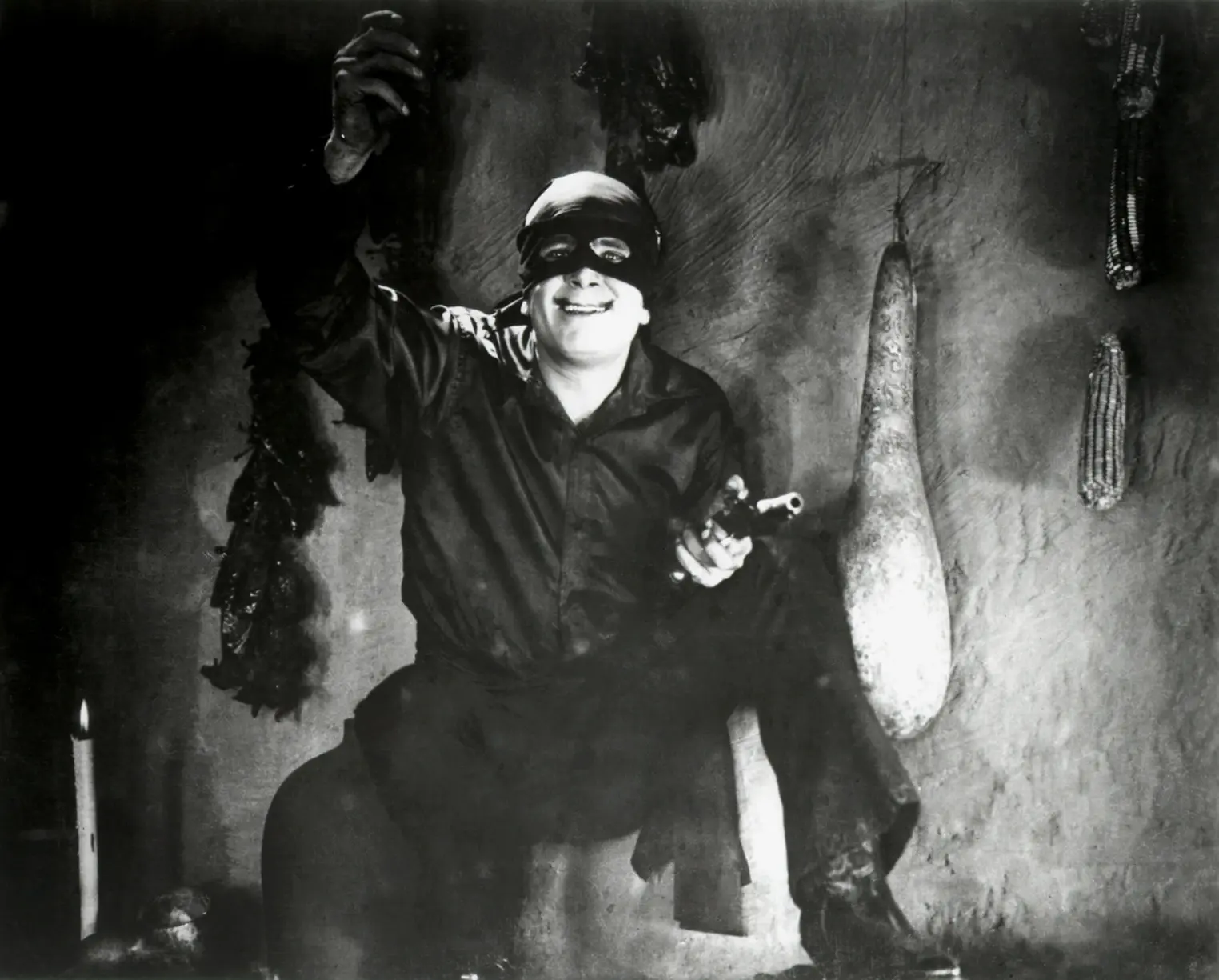
Cult cinema thrives on the "other." It is a sanctuary for stories that do not fit the clean, moralistic arcs of the mainstream. In the early 1900s, this rebellion manifested in characters like those in The Mark of Zorro (1920). While many see Zorro as a simple action hero, his cult appeal lies in the performative duality of his existence. Don Diego Vega, the "seemingly idiotic fop," is a mask—a deliberate subversion of social expectations that allows the courageous vigilante to emerge. This theme of the hidden self is a cornerstone of cult devotion, reflecting the audience's own desire to break free from societal constraints.
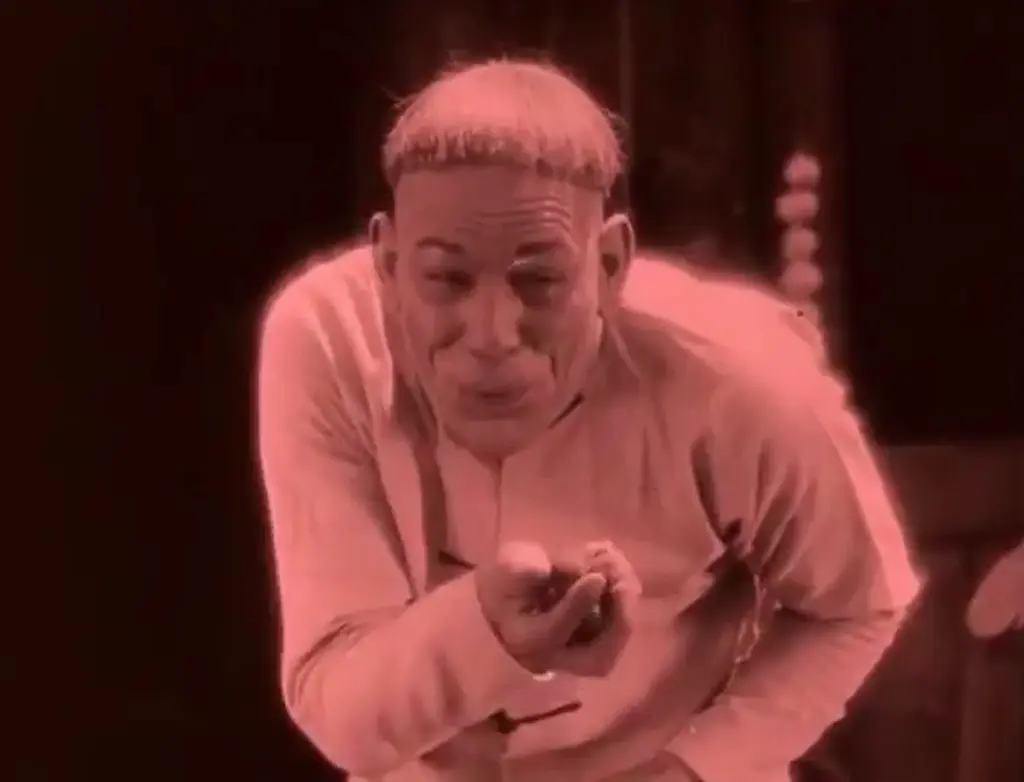
This duality is further explored in the 1920 film The Beggar Prince. Here, a humble fisherman and an egotistical prince swap lives, a narrative device that challenges the rigid class structures of the time. Cult cinema has always been obsessed with the fluidity of identity. Whether it is a prince becoming a pauper or a skypirate donning a tuxedo, these films suggest that reality is a costume we can change at will. The transgressive power of such stories lies in their refusal to accept the status quo, a sentiment that resonates with every generation of misfit filmgoers.

The Sky-Pirate’s Gambit: Filibus and the Birth of Niche Aesthetic
If there is one film that embodies the proto-cult spirit, it is the 1915 masterpiece Filibus. Long before steampunk became a subcultural staple, Filibus introduced audiences to a cross-dressing skypirate who commits robberies from her airship. This is not just a film; it is a manifesto of genre-bending anarchy. Filibus operates outside the law, outside gender norms, and outside the physical limitations of the earth. She is the ultimate maverick icon, a character who exists solely for the thrill of the hunt and the subversion of authority.

The detective who pursues her represents the conventional world, but the audience's loyalty inevitably lies with the pirate. This shift in allegiance—from the law-bringer to the law-breaker—is what defines the cult experience. We gather in dark rooms to root for the anomaly. Films like Filibus provided a blueprint for the high-concept, aesthetically driven cinema that would later define directors like Terry Gilliam or Jean-Pierre Jeunet. The airship, the masks, and the sheer audacity of the character create a visual lexicon that transcends the simple storytelling of its contemporaries.
The Social Fringe: Injustice and the Honor System
Cult cinema often acts as a mirror to the darker aspects of the human condition, focusing on those who have been chewed up and spat out by the system. The Honor System (1917) is a prime example. By depicting the inhumane torment within the Yuma Territorial Prison, the film moved beyond entertainment and into the realm of social critique. It showcased the "corrupt administrators" and the "unjustly convicted," tapping into a primal fear of institutional power. This visceral realism is a precursor to the gritty, exploitation cinema of the 1970s, where the protagonist is often a victim of a broken world fighting for a shred of dignity.
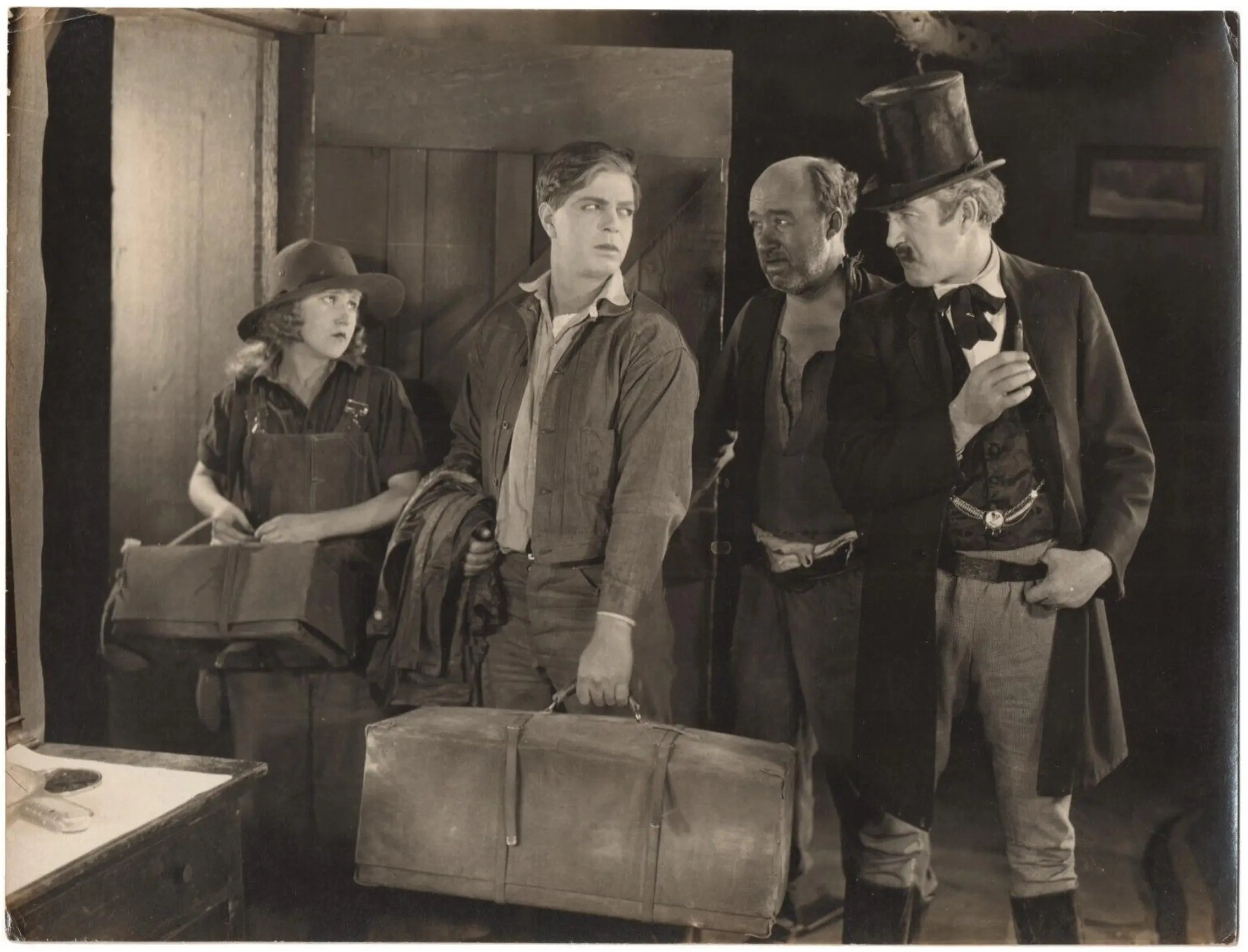
Similarly, The Scarlet Drop (1918) follows a man who, after being declined from fighting in the Civil War, joins a gang of marauders and becomes a fugitive. This narrative of the "rejected soldier" turned outlaw is a recurring motif in cult lore. It speaks to the disenfranchised, those who feel the world has no place for them. In the silent era, these stories were the first sparks of a fire that would eventually burn through the Hays Code and into the radical cinema of the counter-culture.
Apocalypse and Human Nature: The Sin Flood
One of the most fascinating entries in the early cult pantheon is The Sin Flood (1921). Set in a café equipped with flood-proof doors, the film traps a group of disparate characters as the Mississippi River overflows. It is a proto-disaster movie, but its focus is entirely psychological. When faced with certain death, the characters' social masks crumble, revealing their true, often ugly, natures. This theatrical claustrophobia is a hallmark of cult classics like *Night of the Living Dead* or *The Breakfast Club*, where the setting serves as a pressure cooker for human emotion.
The film explores the "warfare of the flesh"—the eternal conflict between our spiritual aspirations and our primal desires. In the context of 1921, this was a daring exploration of morality. Cult audiences are drawn to these liminal spaces where the rules of polite society no longer apply. The Sin Flood reminds us that underneath our fine clothes and social standing, we are all just animals trying to survive the rising tide.
Rebellion Through the Lens: Bobbed Hair and Artistic Colony
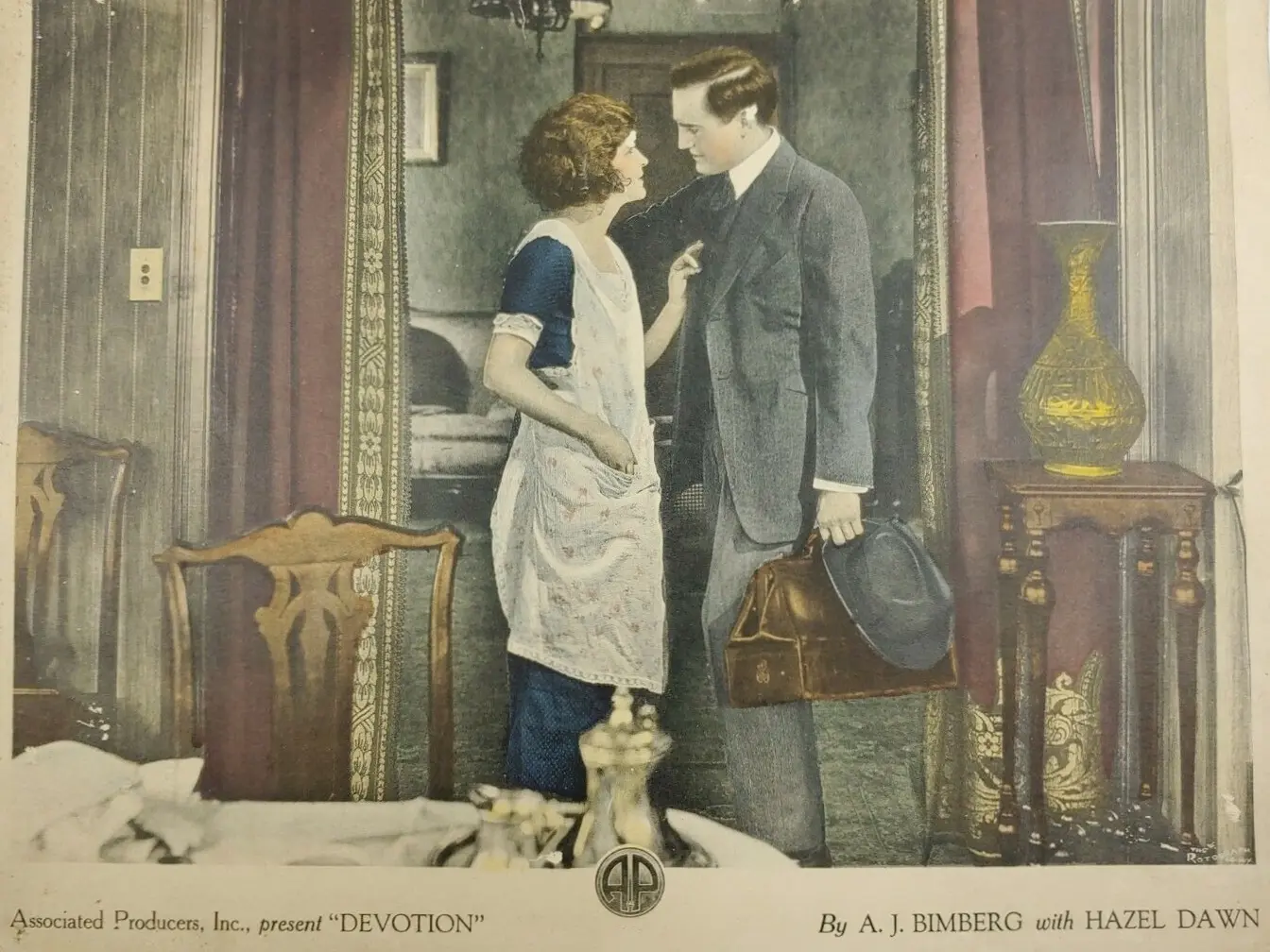
Not all cult cinema is dark and brooding; some of it is born from a joyous rejection of the mundane. Bobbed Hair (1925) tells the story of a young woman who spurns her conventional fiancé to flee to an artists' colony. In the 1920s, bobbing one's hair was more than a fashion choice; it was a political statement. It signaled a break from the Victorian past and an embrace of the bohemian future. This film celebrates the eccentric, the experimental, and the avant-garde, making it an early ancestor of the "lifestyle" cult film.
The artists' colony in the film serves as a sanctuary for those who refuse to conform. Cult cinema, in its essence, is that colony. It is a place where a film like Take Next Car, a short about sabotaging streetcar owners, can be celebrated for its anarchic comedy. It is where Dud's Home Run, a tale of a boy running away from a spanking only to return to another, captures the cyclical absurdity of life. These films don't aim for the universal; they aim for the specific and the strange.
The Physicality of the Real: Nelson-Wolgast and the Cult of Reality
Finally, we must consider the cult of the "real." The Nelson-Wolgast Fight (1910) might seem like a simple sports recording, but in the history of cinema, it represents the audience's obsession with visceral, unscripted intensity. Before the advent of snuff films or extreme horror, these fight films provided a raw look at human endurance and violence. They were often banned or censored, which only increased their underground allure. The forbidden nature of these reels created a secret network of viewers, the very definition of a cult following.
This fascination with reality extends to the "true story" genre, such as Headin' Home (1920), where baseball legend Babe Ruth plays himself. There is a surreal quality to seeing a real-life icon perform a fictionalized version of their own life. It blurs the line between myth and reality, a blurring that cult fans find irresistible. Whether it’s the "true story" of Edith Cavell in The Cavell Case or the dramatized plight of Ramona and her noble Indian lover Alessandro, these films use reality as a springboard for legend.
Conclusion: The Enduring Flame of the Silent Misfits
The films of the early 20th century were not just the building blocks of a new industry; they were the first experiments in a subversive art form. From the masked vigilantes and gender-bending pirates to the prisoners of conscience and the bobbed-haired rebels, the silent era was populated by renegades. These films survived because they spoke to the parts of us that feel out of place in the light of day. They are the Neon Navigators that guided us through the darkness of the 20th century, proving that even in silence, a scream of rebellion can be heard across the ages.
As we continue to gather for midnight screenings and obsess over forgotten reels, we are not just watching old movies. We are participating in a sacred ritual of the unconventional. We are looking for the mark of Zorro in ourselves, dreaming of skypiracies, and waiting for the next flood to show us who we truly are. The cult movie is dead; long live the cult movie.
Community
Comments
Log in to comment.
Loading comments…