
Cult Cinema
The Neon Outlaw's Creed: Unveiling the Transgressive Soul and Maverick Visions of Cinema's Earliest Genre Rebels
“An in-depth exploration of how early cinema's forgotten misfits, from Catalonian tragedies to absurdist comedies, forged the primal DNA of modern cult obsession.”
The history of cinema is not merely a timeline of technological progress and box office triumphs; it is a sprawling, shadowed landscape populated by the ghosts of the unconventional. Long before the term 'midnight movie' was coined, a secret language was being written in the flickering light of the early 20th century. This was the era of the original cinematic outlaws, a time when filmmakers were not just telling stories but were accidentally engineering the very essence of cult cinema. To understand the modern obsession with the strange and the transgressive, we must look back at the films that dared to exist on the fringe, those narrative mutants that refused to conform to the burgeoning standards of Hollywood's golden age.
The Archeology of the Abnormal: Silent Roots of Subversion
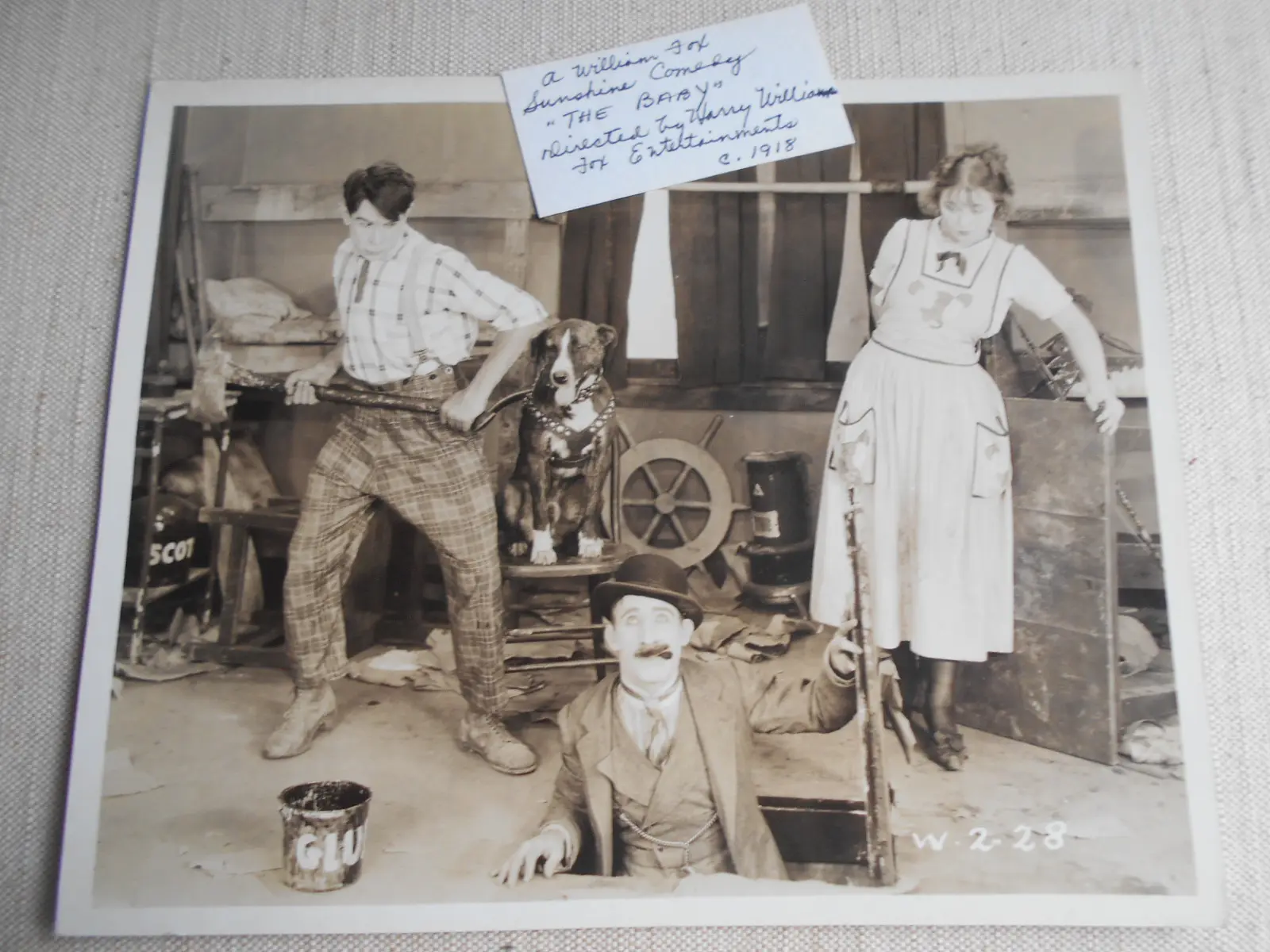
What defines a cult film? It is often an unconventional narrative, a unique visual style, or a thematic preoccupation that resonates with a specific, devoted audience. In the early days, this 'cult' identity was often a byproduct of raw experimentation. Consider the 1915/1921 production of The Baby. In this short comedy, a young man leaves the country for the big city, wins a reward for stopping a runaway horse, and encounters a family of eight children who have been dispossessed. On the surface, it is a simple comedy, but its focus on social displacement and the erratic nature of fortune reflects the primal weirdness that cult fans crave—a world where the rules of reality are slightly skewed.
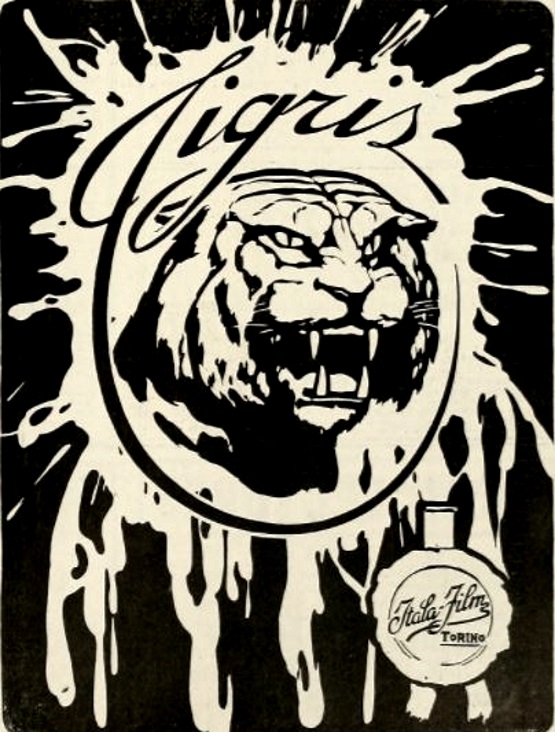
Similarly, the 1913 Italian thriller Tigris presented a cat-and-mouse game between a detective and a criminal gang that felt more like a fever dream than a standard procedural. These films didn't just entertain; they created a midnight mindset that prioritized atmosphere and archetype over linear logic. The criminal 'Tigris' wasn't just a villain; he was a precursor to the stylized antagonists of later noir and cult classics, embodying a maverick spirit that defied the moral simplicity of the era.
The Untamable Spirit: Heroes of the Fringe
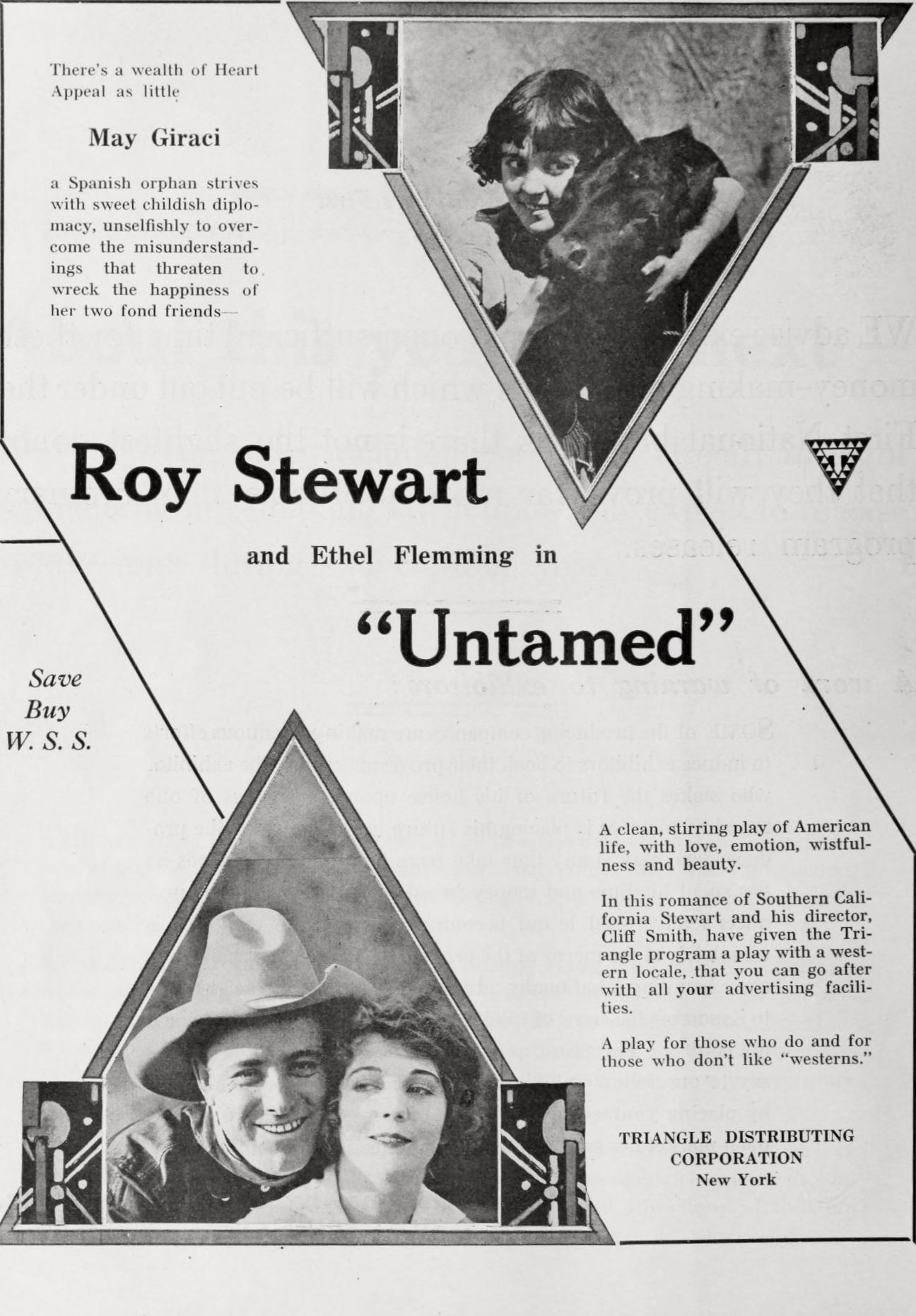
The cult hero is almost always an outsider, a character who cannot or will not fit into the societal machine. We see the genesis of this archetype in The Untamed (1920). Here, 'Whistling Dan' is found in the desert and raised on a ranch, but he remains wild, his hot temper a constant threat to the domestic peace. This untamed persona is the bedrock of cult fascination. Audiences are drawn to characters like Dan because they represent a rebellion against refinement. Whether it’s the 'wild strain' seen in The Wild Strain, where a young woman from a prominent family seeks dangerous adventures, or the titular character in The Little Clown, an orphan raised in the circus, these films celebrate the misfit identity.
Transgressive Narratives and the Taboo
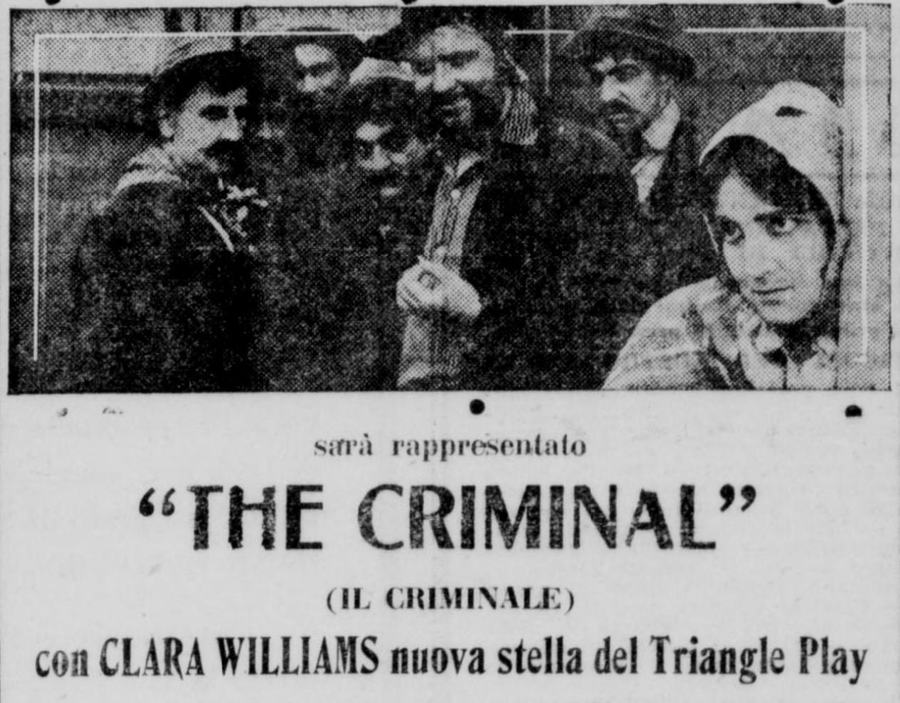
Cult cinema thrives on the forbidden. In the early 20th century, filmmakers were already pushing the boundaries of what was acceptable on screen. Maria Rosa (1916) is a prime example of a transgressive narrative. Set among Catalonian peasants, it tells a dark tale of murder, false imprisonment, and psychological manipulation. Ramon’s obsession with Maria Rosa leads him to frame his rival for murder, creating a cycle of pain that feels more like a modern psychological thriller than a century-old silent film. This dark magnetism is what keeps these films alive in the collective subconscious of cinephiles.
The exploration of the taboo extended to international and cross-cultural narratives as well. The Temple of Dusk and The Illustrious Prince delved into themes of revenge, cultural friction, and sacrifice. In The Illustrious Prince, the Japanese Prince Maiyo seeks to avenge his father's death, a mission that involves the ritual of hara-kiri and a direct confrontation with English society. These films offered a subversive gaze, challenging the Western-centric narratives of the time and providing a blueprint for the global cult cinema of later decades.
Genre Mutations: When Comedy Meets the Macabre
The beauty of the early cult aesthetic lies in its refusal to stay within the lines of a single genre. We see genre mutations everywhere. Save Me, Sadie is a short comedy that involves a fake cannibal to 'cure' a girl of her missionary zeal—a plot that is as absurd as it is darkly funny. This type of narrative anarchy is a hallmark of cult obsession. It’s the same spirit found in All for the Dough Bag, where a man’s valet is his dog, Brownie. These films don't care about being 'correct'; they care about being memorable.
Even the most established icons were subject to this cult transformation. The 1916 version of Sherlock Holmes, while based on a popular character, captured a specific gothic intensity that separated it from later, more sanitized versions. By focusing on the shadowy underbelly of London and the high stakes of royal scandal, it leaned into the noir-precursor elements that would eventually define the cult detective genre.
The Architecture of Obsession: Why We Still Watch
Why do we continue to unearth these forgotten reels? It is because they represent the primal pulse of creativity before it was fully commodified. Films like Bonds of Honor, with its plot of twin brothers and wartime treason, or The Hand of Peril, a deep dive into the world of counterfeiters, show a fascination with identity and deception that remains timeless. They are cinematic anomalies that offer a window into a world of sacred weirdness.
The enduring power of these films lies in their maverick soul. Whether it is the tragic journey in La agonía de Arauco or the domestic instability explored in House of Cards, these stories speak to the universal human experience of being an outsider. They remind us that the 'mainstream' is a narrow path, and that the most interesting things always happen in the shadows of the fringe. The cult movie DNA was forged in these early fires, through the transgressive rhythms of filmmakers who weren't afraid to be different.
The Legacy of the Misfit: From Silent Screens to Midnight Screens
As we look at the unconventional pilgrimage of cinema, it's clear that the early genre mutants paved the way for everything from 1970s grindhouse to modern indie darlings. The rebel heart of a film like Put Up Your Hands!—where an unconventional woman stages a boxing match during a tea party—is the same heart that beats in every cult classic today. It is a rebellion against the mundane, a celebration of the abnormal, and a testament to the undying flame of cinematic subversion.
In conclusion, the neon outlaw's creed is not a written document, but a felt experience. It is found in the spectral flicker of The Soul Market, the melancholy beauty of A Daughter of the Sea, and the violent justice of The Mother of Dartmoor. These films are the genetic ancestors of our current obsessions, the original mavericks who taught us that the most powerful stories are often the ones that the world tried to forget. By embracing these forgotten outliers, we don't just watch movies; we participate in a midnight ritual that spans a century of cinematic defiance.
Community
Comments
Log in to comment.
Loading comments…