
Film History
The Nitrate Grotesque: How the 1920s Obsession with Physicality and Moral Disfiguration Forged the Cult Anti-Hero
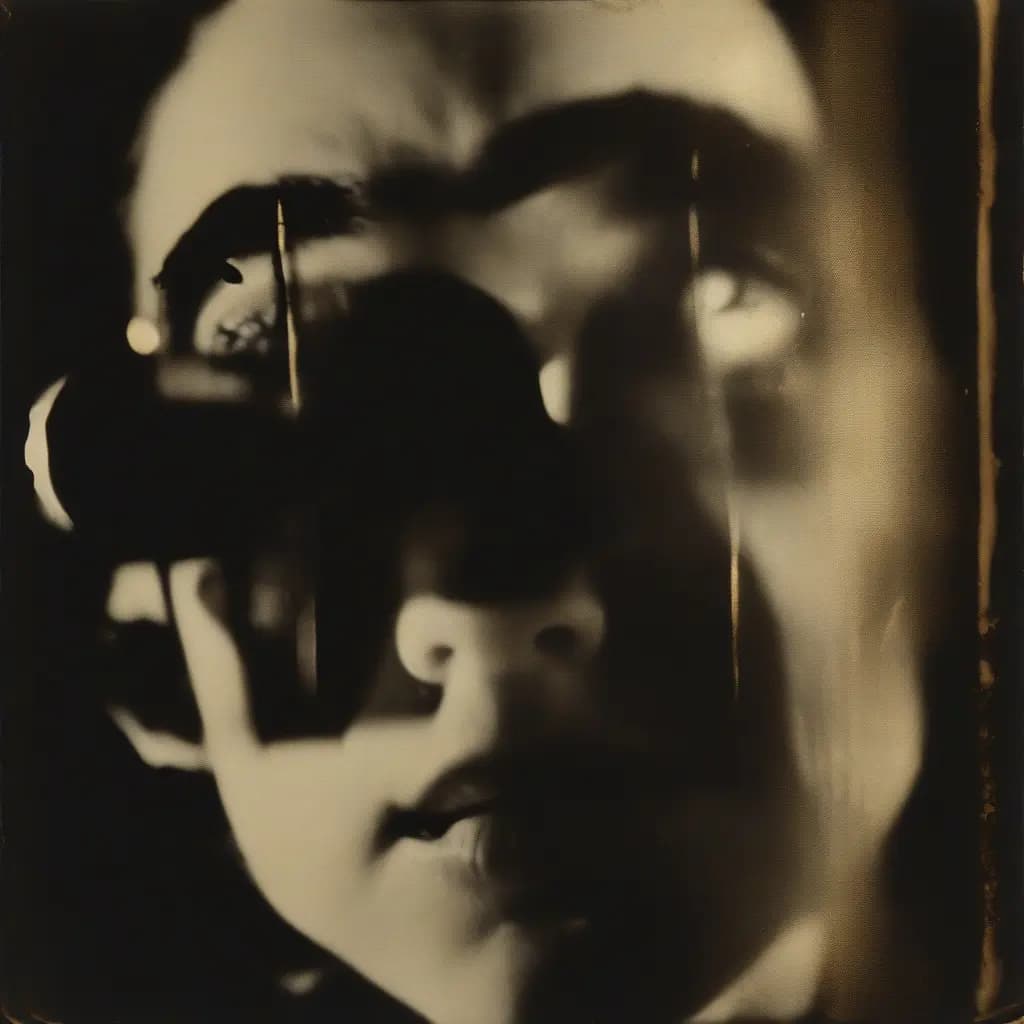
“A deep dive into the visceral, bone-deep origins of transgressive cinema, exploring how the silent era’s fixation on the broken body and the social outcast created the blueprint for today’s cult obsessions.”
There is a specific, metallic tang to the air in a nitrate archive. It smells of vinegar, of slow-motion decay, and of a danger that is both chemical and cultural. Long before the midnight movie became a codified ritual of the 1970s, the seeds of the transgressive were being sown in the flickering, unstable emulsions of the 1910s and 20s. We often look at silent cinema through a lens of nostalgic purity, but beneath the slapstick and the melodrama lay a burgeoning obsession with what I call the Nitrate Grotesque. This was a cinema of the fringe, preoccupied with the mutilated limb, the hypnotic gaze, and the social pariah. It didn't just entertain; it challenged the audience to look at the very things society demanded they ignore.
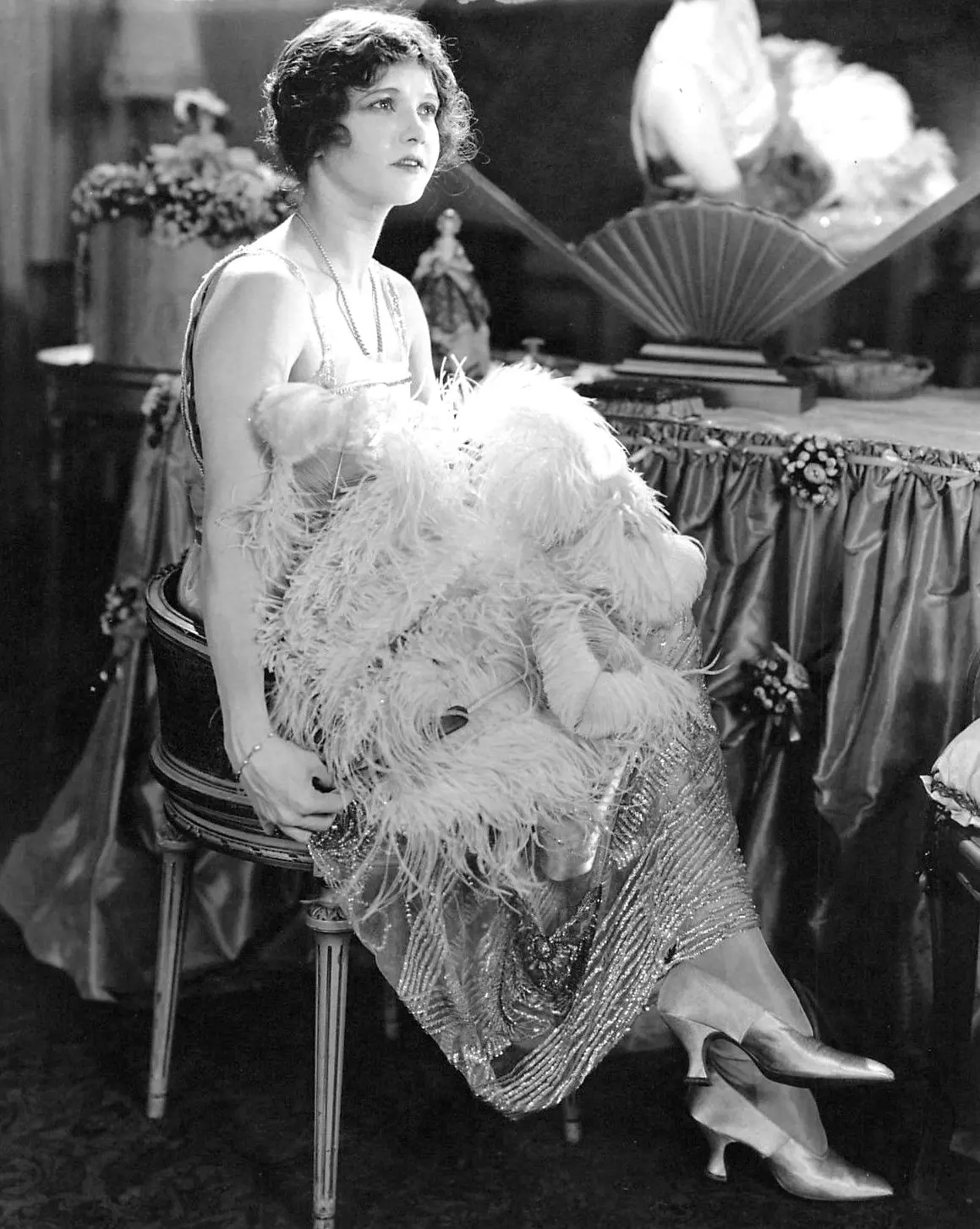
To understand the modern cult anti-hero—the Mad Maxes, the Travis Bickles, the Tetsuos—one must go back to the era where the human body was first treated as a site of profound, often terrifying transformation. The silent screen was a silent confession. Without the safety net of dialogue, the burden of narrative fell entirely upon the physical. When a character was 'broken' on screen, the audience felt the fracture in a way that modern CGI simply cannot replicate. It was visceral. It was atavistic. And it was the true birthplace of the cult mindset.
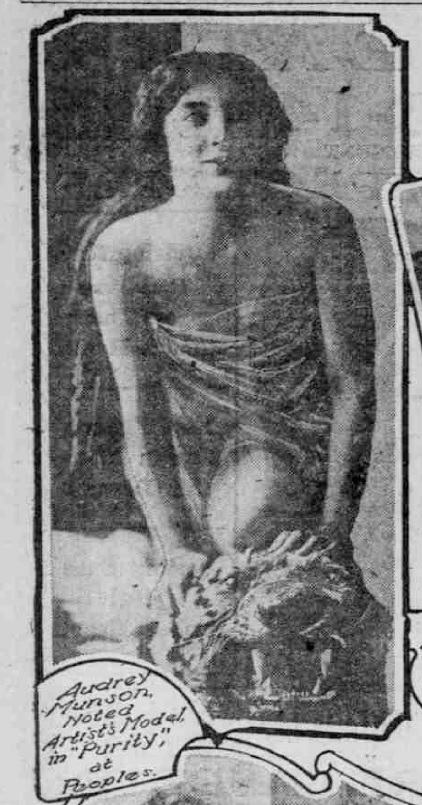
The Man of a Thousand Agonies: Lon Chaney and the Ritual of Deformity
If the cult of the transgressive has a patron saint, it is Lon Chaney. But it wasn't just his ability to apply makeup that made him the 'Man of a Thousand Faces'; it was his willingness to subject his own biology to the demands of the macabre. Consider Wallace Worsley’s The Penalty (1920). Chaney plays Blizzard, a criminal mastermind who had both legs amputated as a child by a negligent doctor. To play the role, Chaney bound his legs behind him in a harness so painful he could only wear it for minutes at a time. This wasn't just acting; it was a ritual of endurance.
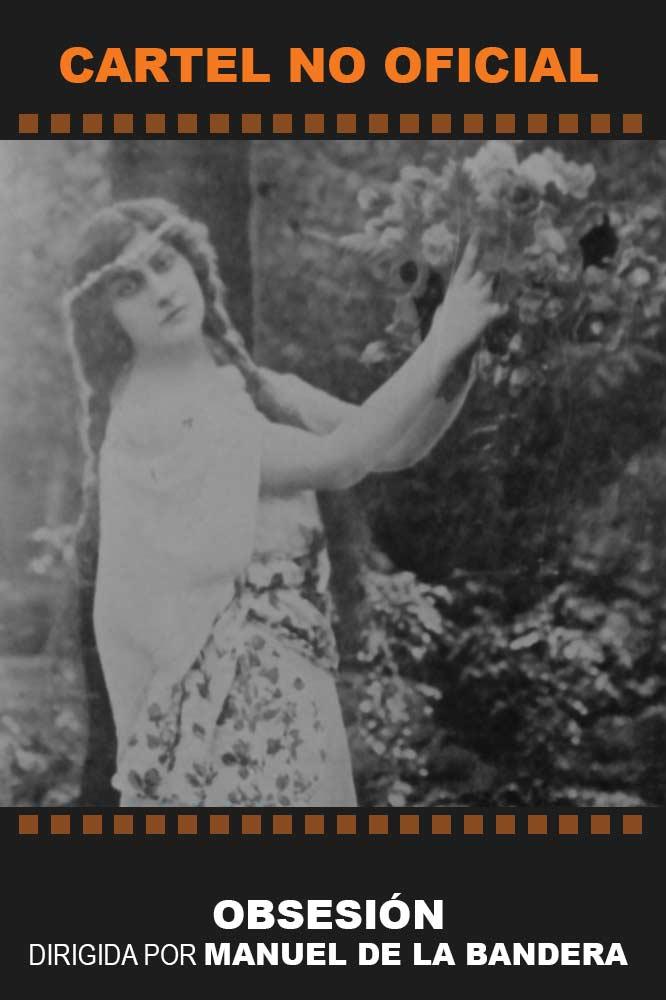
Blizzard is the prototypical cult protagonist. He is a man fueled by a singular, righteous fury against a system that maimed him. He is a weaver, a craftsman of chaos, planning to loot San Francisco not just for wealth, but for a twisted sense of cosmic rebalancing. When we watch The Penalty today, we aren't just watching a crime thriller; we are witnessing the birth of the 'sympathetic monster.' The audience’s loyalty is split between the law and the man who has been literally cut down by it. This moral ambiguity is the oxygen that cult cinema breathes. Blizzard’s physical deformity is not a gimmick; it is the physical manifestation of his social alienation—a theme that would echo through decades of 'outcast' cinema.
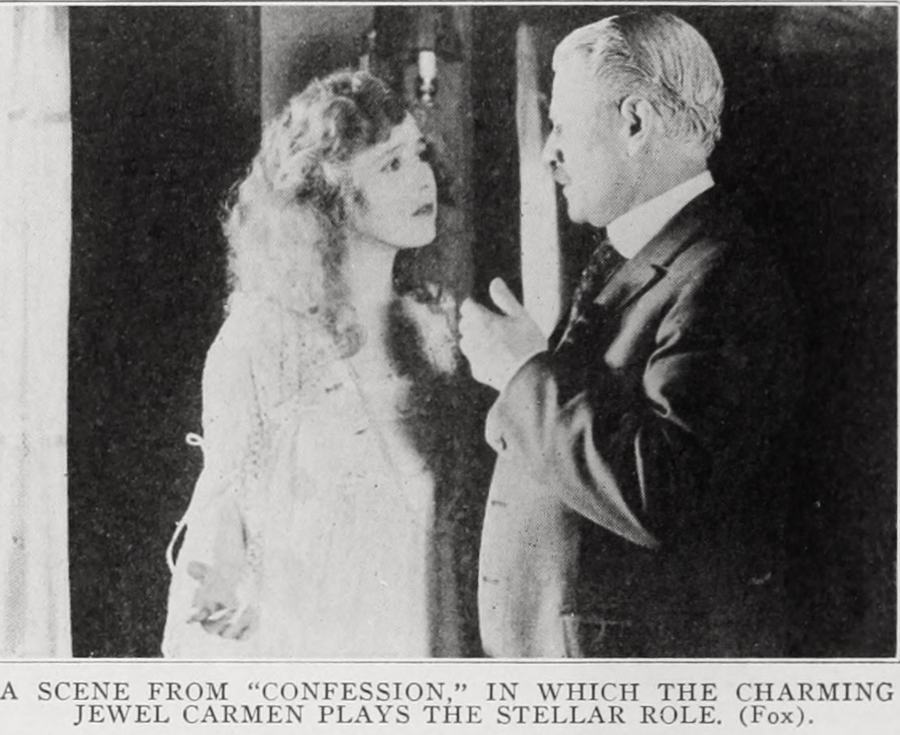
The Scalpel and the Spirit: Medical Nihilism in the Silent North
The obsession with the broken body wasn't limited to the urban underworld. It bled into the wilderness, where the isolation of the landscape mirrored the isolation of the soul. In The Sign Invisible (1918), we encounter Dr. Robert Winston, a man who loses his faith in both God and science when his own mother dies under his scalpel. This is a profound moment of nihilism for 1918. The doctor retreats to the Canadian Northwest, seeking a purgatory where he can avoid the companionship of men and the judgment of the divine.
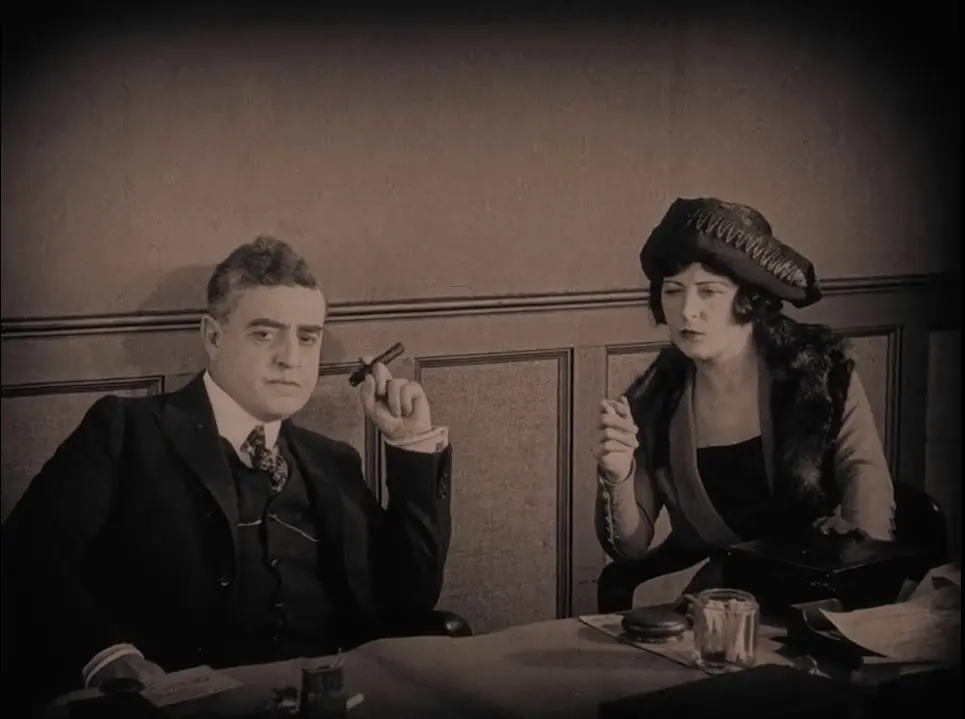
This narrative of the 'broken healer' is a recurring motif in the Nitrate Grotesque. It suggests that the tools of progress—the scalpel, the microscope, the camera itself—are often the instruments of our undoing. The 'sign' that remains invisible is the comfort of a moral universe. For the cult spectator, there is something deeply resonant in the character who walks away from the light. Winston’s self-imposed exile is a precursor to the lone wanderers of post-apocalyptic cinema. He is a man who has seen the 'nothingness' at the center of the surgical theater and chose to live in the silence that followed.
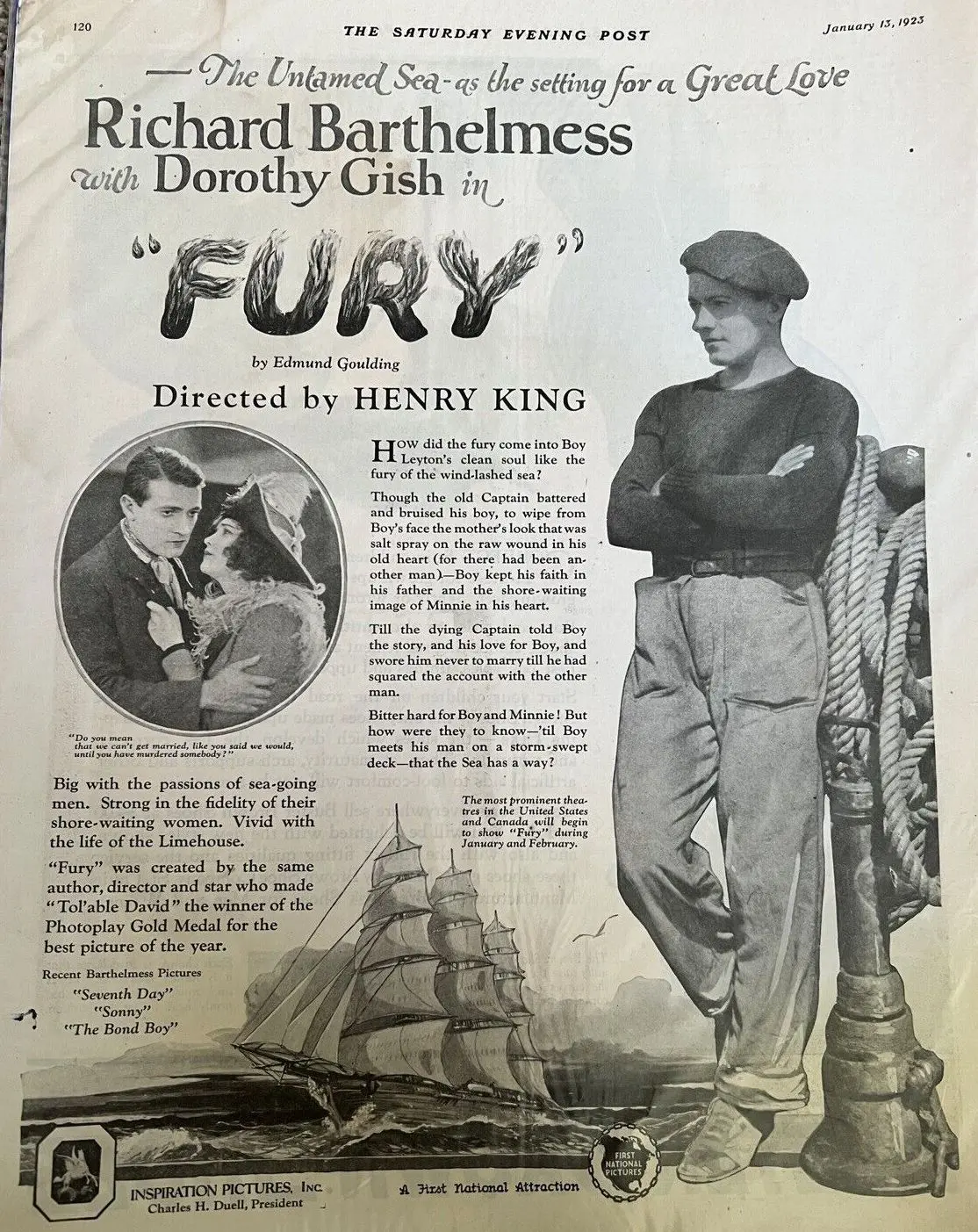
The Architecture of the Reformatory: Gender, Trauma, and the Social Cage
Cult cinema has always been obsessed with the 'institution'—the prison, the asylum, the school. In the silent era, this was often explored through the lens of moral correction. The Crucible (1914) provides a fascinating, almost proto-feminist look at how society punishes the 'misfit.' Jean, raised as a boy by her father, finds her very identity is a crime when she enters the 'civilized' world. Her 'boyish manners' lead her directly into a reformatory—a space designed to crush the individuality out of the 'deviant.'
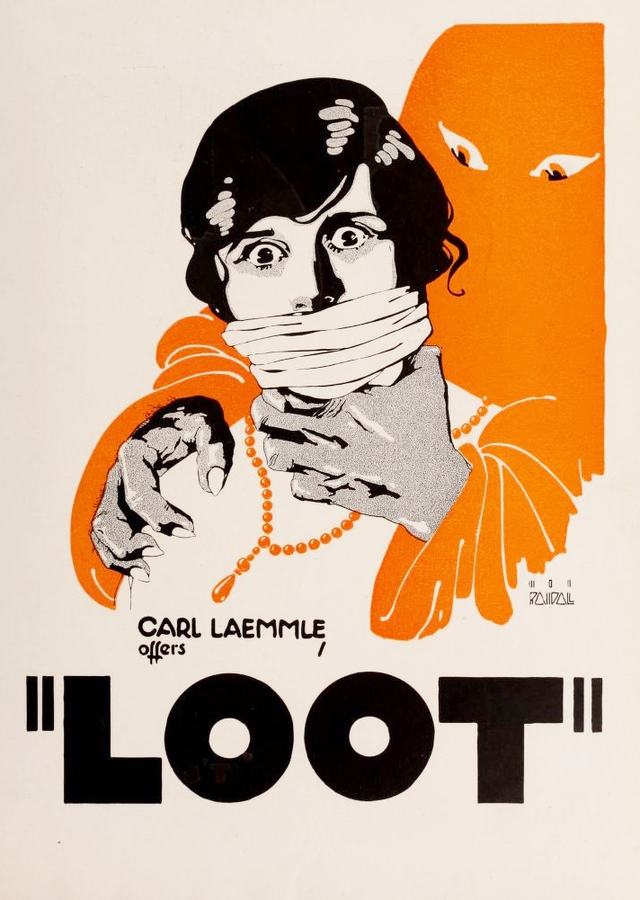
The reformatory in these early films is never just a building; it is a character. It represents the crushing weight of the status quo. Jean’s escape and subsequent meeting with Craig Atwood in the wilderness is a classic cult narrative of the 'outsider finding the outsider.' It taps into the audience's desire to see the cage broken. The Nitrate Grotesque understood that the most terrifying deformity wasn't always on the skin; sometimes, it was the shape of the society trying to force everyone into the same mold. This 'misfit' energy is what draws us to films that operate outside the mainstream—they validate the feeling that the world is a reformatory we are all trying to escape.
The Hypnotic Gaze: Svengali and the Cult of Psychic Control
If the body was the site of trauma, the eyes were the site of the supernatural. The 1920s were obsessed with the idea of the 'mesmeric grip'—the power of one individual to overwrite the will of another. Trilby (1923) brought the infamous Svengali to the screen, a 'wild magician' whose hypnotic power turns an innocent model into a concert singer. Svengali is a classic cult villain because he operates in the shadows of the psyche. He is a predator of the soul, using the 'unseen' forces of magnetism to control the 'seen' world.
"The silent screen was the perfect medium for the hypnotist. In the absence of sound, the gaze became an absolute force of nature, a bridge between the screen and the spectator's own subconscious."
This fascination with psychic control would eventually evolve into the 'mind control' tropes of 1950s sci-fi and the 'cult leader' narratives of modern horror. But in the 1920s, it felt more intimate. It was about the loss of the self. Films like Trilby tapped into a post-war anxiety that our thoughts were no longer our own, that we were all being 'conducted' by forces we couldn't understand. The visual language of the 'hypnotic eye'—often achieved through dramatic lighting and tight close-ups—became a staple of the cult aesthetic, a way to signal that the boundaries of reality were becoming porous.
The Vengeance of the 'Other': Mr. Wu and the Ethics of the Extreme
Perhaps the most controversial aspect of the Nitrate Grotesque was its exploration of cultural 'otherness' and the extreme ethics of revenge. Mr. Wu (1919) is a harrowing example. A Chinese merchant, pushed to the brink by the seduction of his daughter by a Westerner, enacts a revenge so cold and calculated it borders on the nihilistic. He kills his own daughter to preserve family honor and then demands a 'life for a life' from the seducer’s mother. It is a film that refuses to offer a comfortable moral resolution.
Mr. Wu is not a 'villain' in the traditional sense; he is a man operating under a different, older, and more brutal code than the one the audience is used to. This 'clash of codes' is a foundational element of cult cinema. It forces the viewer to step outside their own moral comfort zone and inhabit a perspective that is fundamentally alien. The film’s tension doesn't come from the threat of violence, but from the terrifying logic behind it. This is the 'forbidden' knowledge that cult films often promise—the chance to see the world through the eyes of the person the rest of the world has labeled a monster.
The Tenement Nightmare: Salvage and the Horror of the Domestic
Finally, we must look at the way the Nitrate Grotesque found horror in the everyday. Salvage (1921) takes the tropes of melodrama and twists them into something far more claustrophobic. When Bernice Ridgeway is told her baby has died, she abandons her wealthy life to live in a tenement apartment. The 'salvage' of the title refers to the attempt to find meaning in the wreckage of a life, but the visual setting of the tenement—crowded, dark, and filled with the 'unwanted'—prefigures the gritty urban realism that would later define the 70s grindhouse era.
The tenement is a space where the social safety net has failed. It is a purgatory of the poor. By placing a 'high society' character in this environment, the film creates a jarring contrast that highlights the fragility of the human condition. It suggests that we are all just one tragedy away from the 'grotesque' reality of the fringe. This 'downward mobility' narrative is a staple of cult cinema, from the noir of the 40s to the 'hobo' films of the 80s. It is the fear of being 'unseen' by the world at large, of becoming part of the background noise of the city.
The Eternal Flicker: Why the Grotesque Endures
Why do these century-old reels still feel so dangerous? Perhaps because they were created in a time before the 'rules' of cinema were fully written. There was an experimental, almost lawless energy to the way these early filmmakers approached the human form and social taboos. They weren't afraid of the uncomfortable silence or the lingering shot of a deformed limb. They understood that the 'grotesque' is not just about revulsion; it is about the awe of seeing something that shouldn't exist, yet does.
When we watch a contemporary cult film, we are often just seeing the latest iteration of the Nitrate Grotesque. The flickering ghost of Lon Chaney’s Blizzard lives on in every anti-hero who refuses to be 'fixed' by a society that broke them. The hypnotic eyes of Svengali still stare back at us from the screens of a thousand psychological thrillers. These films are the DNA of our obsession. They are the original 'misfit reels,' and they remind us that as long as there are people who feel broken, there will be a cinema that celebrates the beauty in the break.
- The body as a site of physical and social sacrifice.
- The rejection of traditional moral frameworks in favor of personal codes.
- The use of the camera to explore the 'unseen' and the 'forbidden.'
- The elevation of the social pariah to the status of a protagonist.
The projector may have stopped, and the nitrate may have long since turned to dust, but the shadow of the grotesque remains. It is the light that guides us into the dark corners of the cinematic experience, searching for the truth in the distortion.
Community
Comments
Log in to comment.
Loading comments…