
Film History
The Nitrate Pariah: How Silent Era Social Outcasts Birthed the Modern Cult Protagonist
“Long before the midnight movie era, the silent screen was already forging the identity of the cinematic outcast. Discover how 1910s social pariahs and 'fallen' women created the DNA for today's cult icons.”
The history of cult cinema is often told as a post-1960s phenomenon, a product of the midnight movie circuit and the counter-culture explosion. We look to the leather-clad rebels of the seventies or the neon-soaked deviants of the eighties as the genesis of the 'misfit' hero. But to truly understand why we worship at the altar of the cinematic outsider, we have to look much further back—into the flickering, high-contrast shadows of the 1910s and 20s. It was here, in the nitrate-scented darkness of early cinema, that the archetype of the social pariah was first etched into the celluloid. These weren't just characters; they were the blueprints for every transgressive icon that would follow, from the misunderstood monsters of the thirties to the gritty anti-heroes of modern indie cinema.
The Magdalene Archetype and the Cult of the Wronged
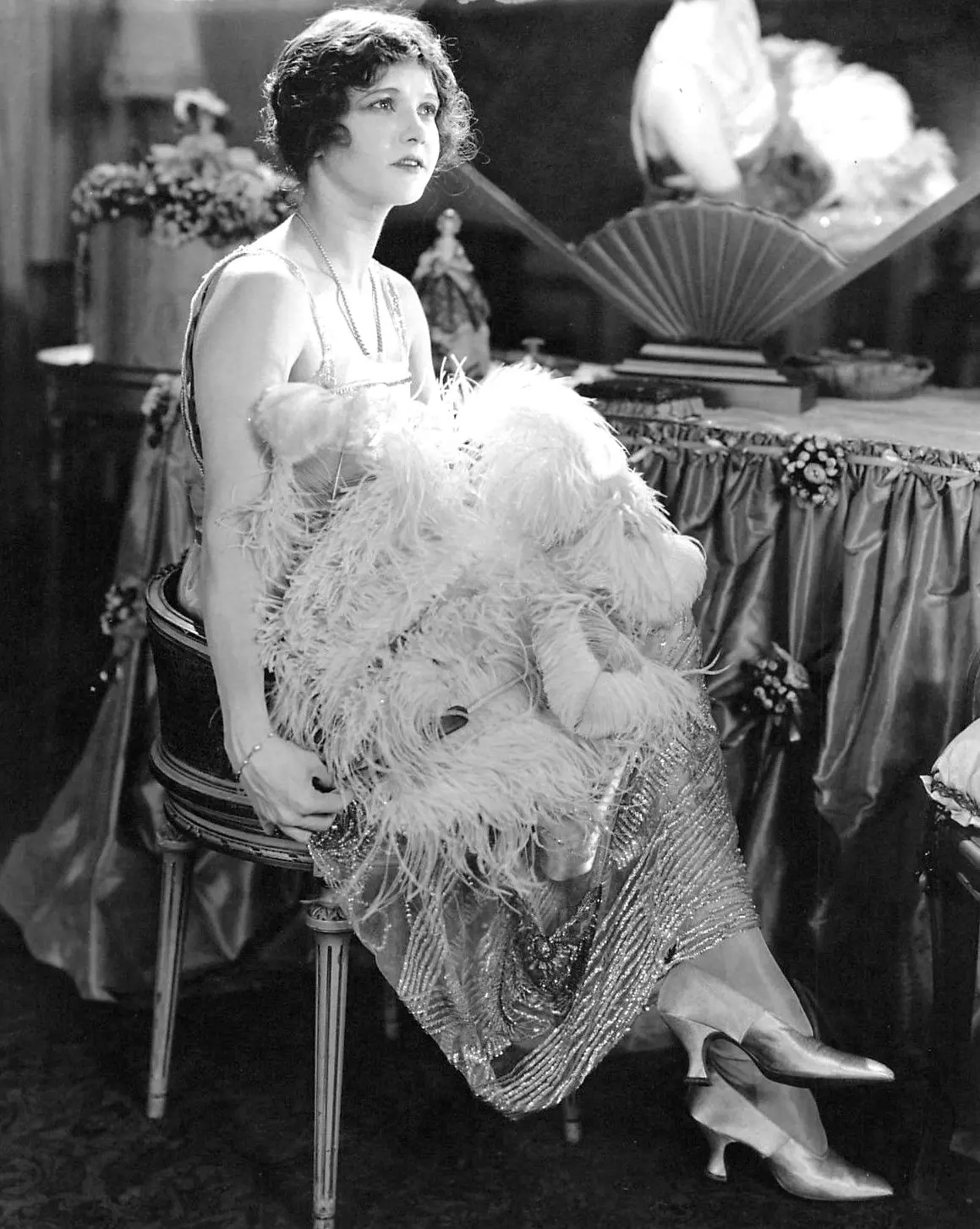
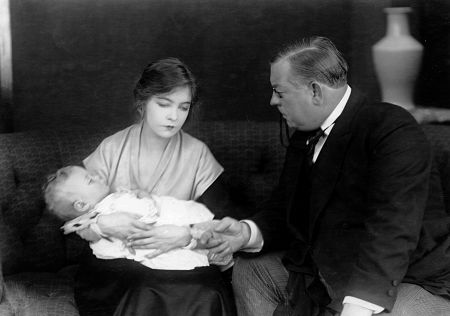
In the early twentieth century, the concept of the 'fallen woman' was a staple of mainstream melodrama, yet in the hands of more daring directors, it evolved into something far more potent: the proto-cult protagonist. Take, for instance, the 1916 film An Innocent Magdalene. On the surface, it follows Dorothy Raleigh, a high-spirited Southern beauty whose life is dismantled by the rigid moralism of her father, Col. Raleigh. But beneath the Victorian sensibilities lies a narrative of profound isolation and rebellion against the 'unreconstructed' status quo.
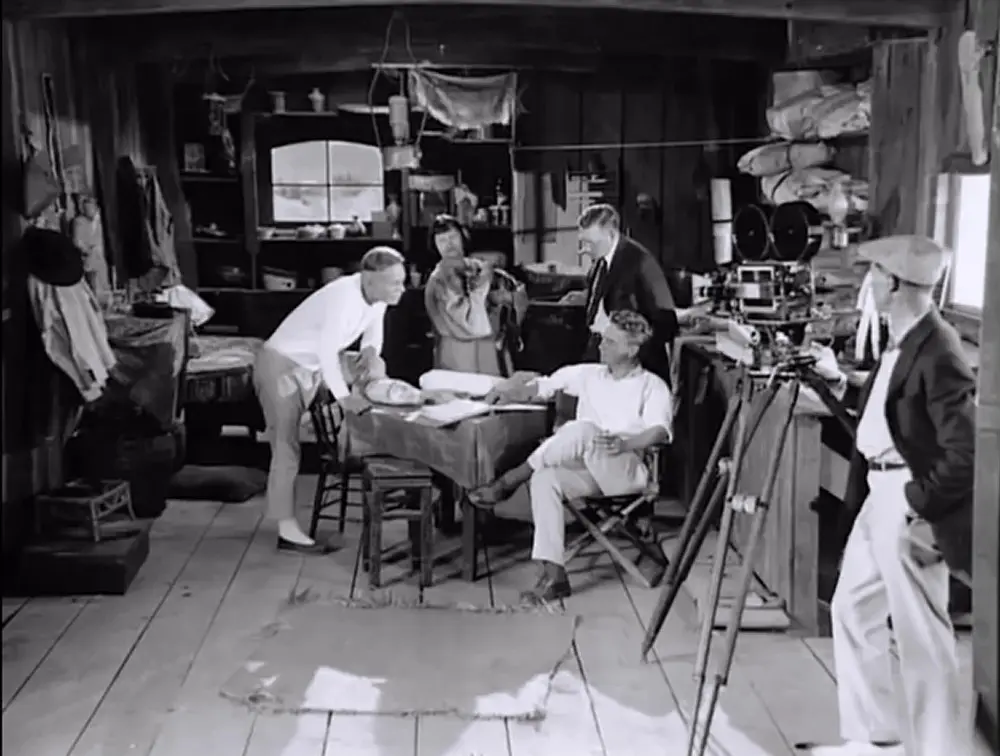
Dorothy is the quintessential cult figure because she exists in the liminal space between social acceptance and total exile. When she is shunned by the townspeople, she doesn't merely wither; she becomes a mirror reflecting the hypocrisy of the 'civilized' world. This is the same DNA we see in the transgressive heroines of the 1970s exploitation boom—women who were pushed to the edge and found a strange, terrifying power in their status as outcasts. The silent era didn't just depict these women; it canonized their suffering as a form of spiritual purity, a theme that resonates deeply with the cult mindset which values the authentic over the respectable.
Souls in Bondage and the Shadow of the Spoiled
Similarly, Souls in Bondage (1916) offers us Rosa, a character perpetually living in the shadow of her 'spoiled' sister. Rosa is framed as an outcast from the start, a figure of inherent tragedy who must navigate a world that has already decided her worth is secondary. This dynamic—the overlooked sibling or the social 'second class' citizen—is a recurring motif in cult cinema. It appeals to the audience's own sense of being 'othered.' When we watch Rosa, we aren't just watching a drama; we are witnessing the birth of the cinematic underdog who eventually refuses to play by the rules of the society that discarded them.
The Underworld as Sanctuary: Dives, Daggers, and Deviance
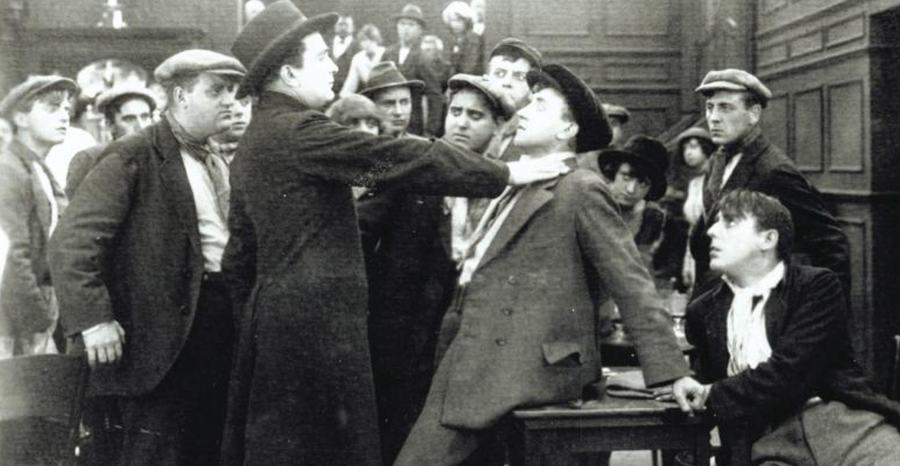
If the drawing rooms of the elite were the settings for mainstream cinema, the 'underworld dive' was the birthplace of the cult aesthetic. In A Daughter of Two Worlds (1920), we are introduced to the domain of 'Black Jerry,' a proprietor of a subterranean social club. When his daughter, Jennie Malone, is accused of forgery, the film explores the friction between the criminal underworld and the 'better living environment' her father craves for her.
"The cult protagonist is never born in the light; they are forged in the places where the respectable fear to tread, in the dives and the alleys where the law is merely a suggestion."
This fascination with the 'dive' as a place of both danger and authenticity is a cornerstone of cult film history. It prefigures the gritty urban landscapes of 1940s noir and the lawless zones of 1980s cyberpunk. The 'Two Worlds' of the title aren't just social classes; they are the fundamental divide in cult cinema: the boring, safe world of the majority versus the vibrant, dangerous world of the minority. Jennie Malone’s struggle to bridge these worlds is the same struggle faced by every cult anti-hero who finds themselves too 'dirty' for the sun and too 'clean' for the shadows.
The Pulse of Life and the Vengeful Immigrant
Consider the raw energy of The Pulse of Life (1917). Here, we have a young Italian woman abandoned by her patron in New York, followed by a brother seeking to avenge her dishonor with a dagger. This is pure, distilled exploitation cinema decades before the term was coined. It deals with immigration, abandonment, and blood-feud retribution—themes that would later define the works of directors like Abel Ferrara or even the early films of Martin Scorsese. The 'immigrant as outsider' is a powerful cult archetype, representing a character who must build their own moral code because the host country's laws offer them no protection.
The Psychological Fracture: Guilt and the Descent into Madness
Cult cinema often thrives on the internal landscape of its characters, particularly when that landscape is crumbling. Long before the psychological thrillers of the 1960s, the silent era was experimenting with the visual representation of a fractured mind. The Bells (1918) is a masterclass in this. It depicts a murderer driven slowly insane by coincidences and suggestive events that trigger his guilt. This isn't just a morality tale; it is a dive into the subjective experience of paranoia.
The use of suggestive visual cues to represent a character's internal decay is a technique that would become a hallmark of German Expressionism and, later, the cult of the 'unreliable narrator.' When the protagonist is haunted by their own actions, they become a figure of morbid fascination. We don't necessarily root for the murderer in The Bells, but we are inextricably bound to his perspective. This voyeuristic intimacy with a damaged psyche is exactly what draws audiences to films like Taxi Driver or Possession. The silent era proved that the most compelling place to be is inside the head of someone who is losing their grip on reality.
The 'Worthless' Man and the Habit of Happiness
Not all silent pariahs were tragic figures of the underworld. Some were social misfits by virtue of their refusal to be miserable. In The Habit of Happiness (1916), Sunny Wiggins is regarded as 'worthless' by his family of social climbers. His crime? A persistent, defiant optimism that clashes with the dour, status-obsessed world around him. While the film is a comedy, the core conflict is one of the individual versus the collective ego.
Sunny Wiggins is the spiritual ancestor of the 'slacker' cult hero. He is the man who refuses to participate in the rat race, the one who finds joy in the 'worthless' things that society ignores. This rejection of traditional success is a recurring theme in films that gain a cult following. Whether it's the Big Lebowski or the protagonists of Richard Linklater’s early work, the 'worthless' man who is actually the only sane person in the room is a role that silent cinema understood perfectly. It challenges the viewer to reconsider what it means to be a 'failure' in a broken society.
- The refusal to conform to social hierarchies as seen in Sham (1921), where a society girl defies her wealthy aunts.
- The 'adopted' outsider, such as the German Shepherd raised by wolves in Where the North Begins (1923), bridging the gap between the wild and the domestic.
- The gambler and family deserter in The Law of Blood (1917), exploring the darker, unredeemable side of the outcast.
- The 'silent woman' who neglects her family for a lumberman in The Silent Woman (1918), a transgressive subversion of the maternal ideal.
Why the Nitrate Ghosts Still Haunt Us
The enduring appeal of these silent era outcasts lies in their purity of purpose. Because these films were made before the rigid enforcement of the Hays Code (though during its formative years of censorship), they often possessed a raw, unfiltered quality that feels surprisingly modern. They dealt with subjects—forgery, infidelity, psychological collapse, and systemic poverty—with a directness that was later sanitized by the studio system. When we rediscover these films today, we aren't just looking at museum pieces; we are looking at the 'lost' history of our own cinematic obsessions.
Cult cinema is, at its heart, an act of reclamation. We reclaim the films that the mainstream forgot, and we reclaim the characters that the 'respectable' world rejected. The nitrate pariahs of the 1910s were the first to show us that the most interesting stories are found on the periphery. They taught us that the social outcast isn't just a victim of circumstance, but a catalyst for change, a disruptor of the status quo, and a beacon for everyone who has ever felt like they didn't belong. As long as there are people who feel outside the frame of the 'perfect' life, the ghosts of the silent era will continue to flicker in the dark, reminding us that the fringe is where the real art happens.
Community
Comments
Log in to comment.
Loading comments…