
Cult Cinema
The Obsidian Archive: Unearthing the Proto-Cult DNA of Cinema’s Silent Renegades

“A deep-dive exploration into how the subversive themes and genre-defying narratives of the 1910s and 20s laid the foundation for modern midnight movie worship.”
Cult cinema is often framed as a modern phenomenon, a product of the 1970s midnight movie circuit where the disenfranchised gathered to worship at the altar of the strange. However, the genetic blueprint of the cult film—characterized by transgression, narrative anarchy, and a fierce rejection of the mainstream—was actually forged in the flickering shadows of the silent era. Long before the term 'cult' was coined, the fringes of the 1910s and 1920s were populated by cinematic anomalies that challenged social norms and experimented with visual language in ways that still resonate with today's underground cinephiles.
The Genesis of the Misfit Narrative
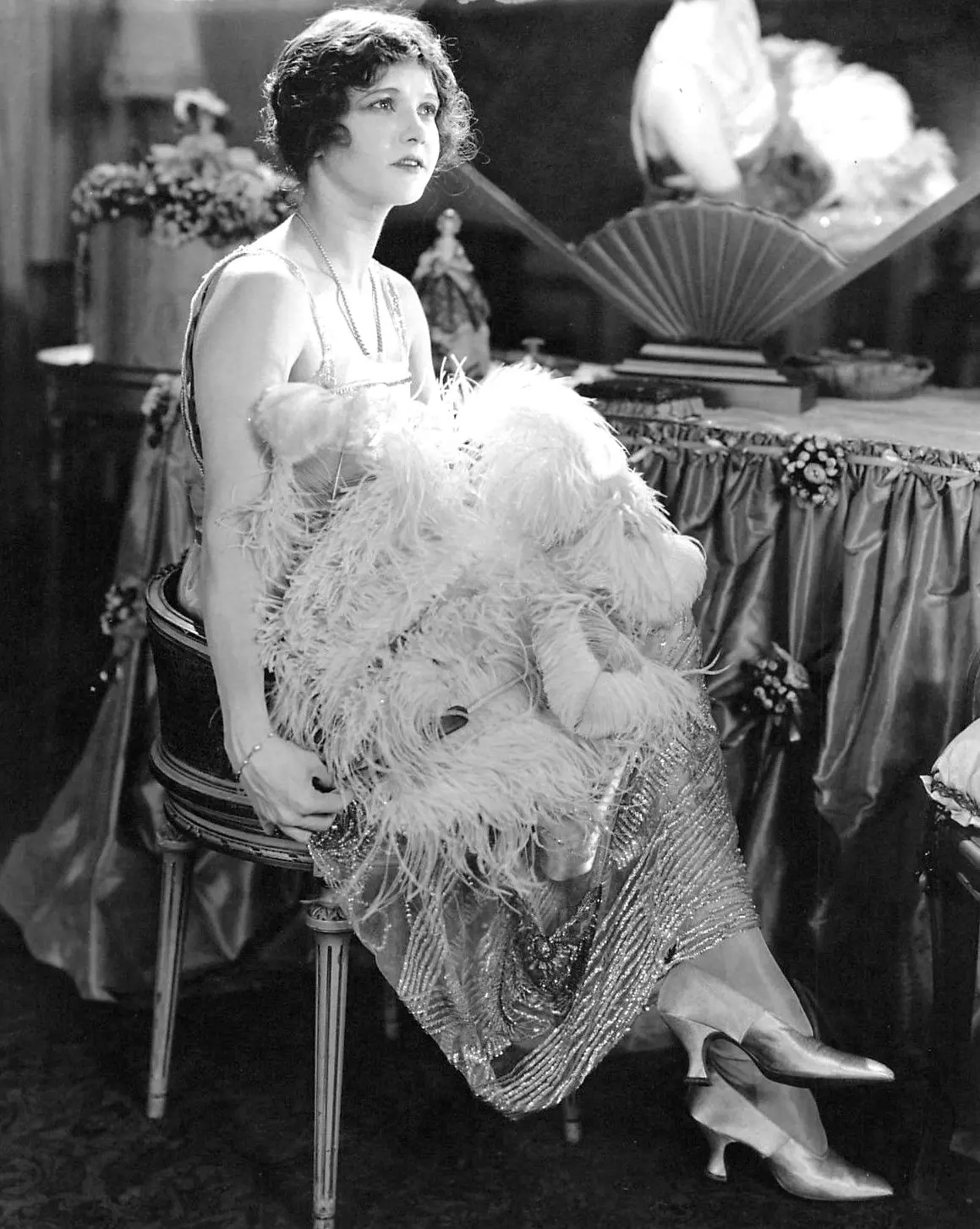
At its core, a cult film is defined by its relationship with its audience. It is a cinema of the 'other,' a space where the marginalized find reflection. In the early 20th century, films like A World Without Men (1914) provided a radical, albeit satirical, glimpse into a society that upended traditional gender hierarchies. By depicting three sisters who vow eternal adherence to single life and harbor a violent disdain for the 'sterner sex,' the film tapped into a primal subversion that would later become a staple of cult feminism. This wasn't merely a comedy; it was an early example of the transgressive impulse that drives niche devotion.
Similarly, the moral complexities found in El pañuelo de Clarita (1919) demonstrate a shift toward the subjective experience. By framing a moral drama through the eyes of a young girl who aids a beggar, the film avoids the heavy-handed didacticism of its contemporaries, opting instead for a poignant, almost ethereal point of view. This focus on the internal world of the 'innocent' observer is a technique that modern cult directors like David Lynch or Guillermo del Toro would eventually perfect.
Genre Anarchy and the Birth of the Anti-Hero
The modern cult obsession with the anti-hero finds its roots in the early Westerns and adventure serials that blurred the lines between law and lawlessness. Jesse James as the Outlaw (1921) is a seminal text in this regard. By depicting the legendary criminal as a man forced into a life of crime by false accusations and the scars of the Civil War, the film invited the audience to sympathize with the 'branded' man. This narrative of the justified outlaw is a cornerstone of cult mythology, appealing to the rebellious spirit of viewers who feel alienated by the rigid structures of society.
Then there is the dual-identity archetype perfected in The Mark of Zorro (1920). While Douglas Fairbanks’ Don Diego Vega presents as a 'seemingly idiotic fop,' his hidden life as Zorro provides a blueprint for the masked vigilante. This duality—the performance of normalcy masking a radical interiority—is precisely what draws cult audiences to characters who live double lives. It is the cinematic equivalent of the 'secret handshake,' a recognition that the most interesting things happen behind the mask.
The Surrealist Spark: Animation and Dream Logic
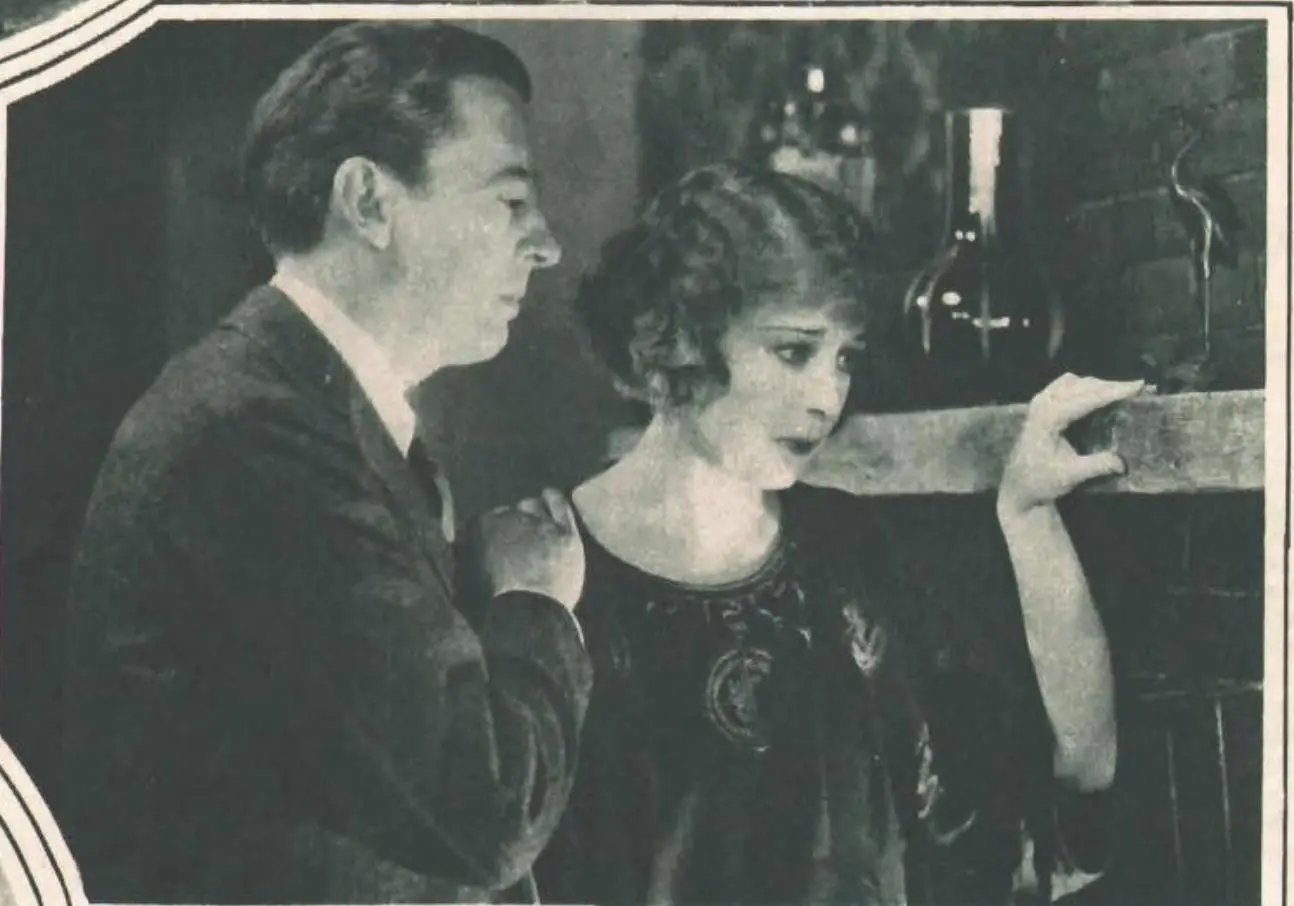
Cult cinema often thrives on the 'uncanny,' that unsettling space where the familiar becomes strange. Early experiments in animation and special effects provided the perfect playground for this. The Dresden Doll (1917) features Ko-Ko, the Inkwell Clown, leaping off the paper to follow a telephone wire into a projector. This meta-commentary on the medium itself, combined with the clown’s surreal love for a mechanical dancing girl, prefigures the avant-garde weirdness of films like *Eraserhead* or *The Triplets of Belleville*.
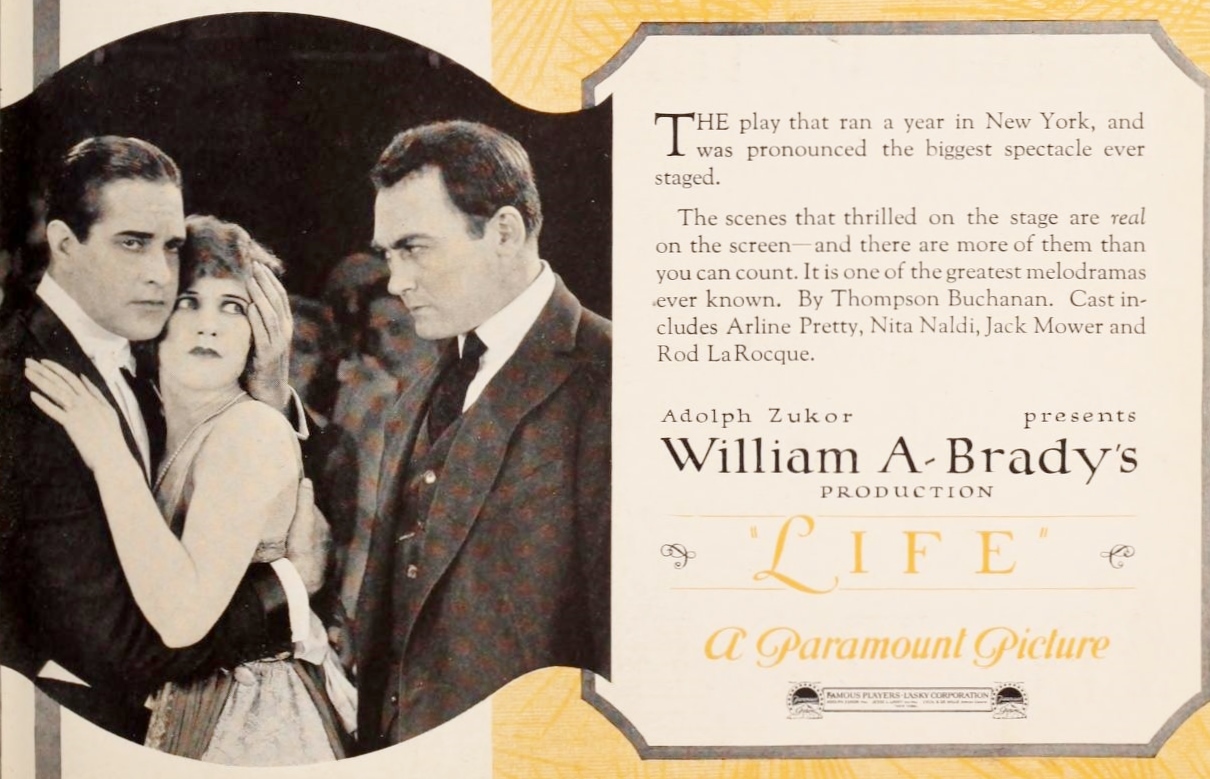
The use of dream logic is perhaps most evident in Prince Pistachio (1921). When a plumber hunts for a gas leak with a lighted candle—an act of pure slapstick absurdity—the resulting explosion transports him to a distant province where he becomes royalty. This 'dream within a film' structure allows for a break from reality that cult fans crave. It is an invitation to leave the mundane world behind and enter a space where the rules of physics and logic are suspended.
The Cinema of Cruelty and Survival
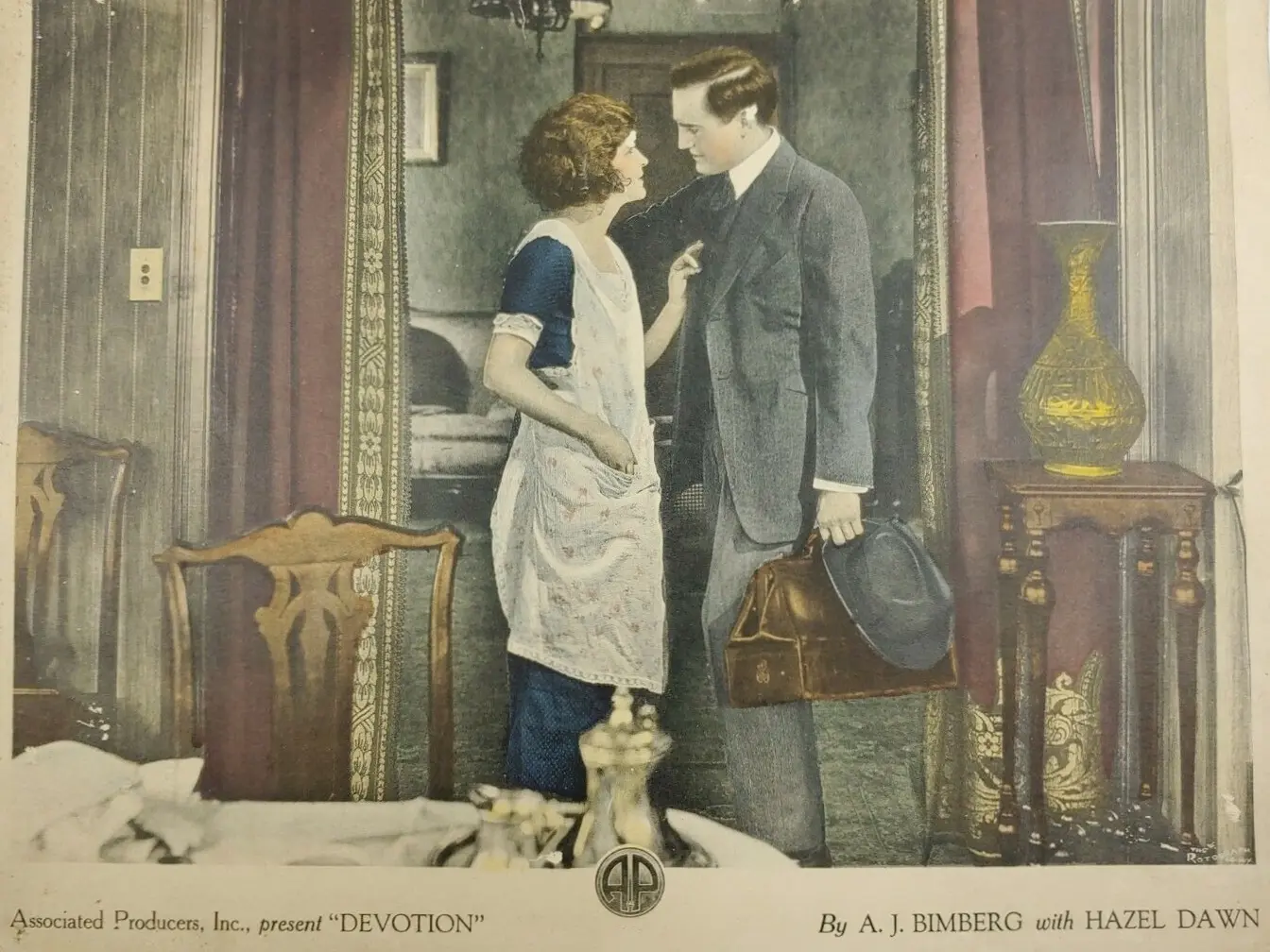
True cult classics often explore the darker, more visceral aspects of the human condition. In the silent era, this was frequently channeled through tales of extreme poverty and moral compromise. Burnt Wings (1920) is a harrowing example, following a struggling artist and his wife in Paris. When threatened by starvation and eviction, the wife is forced into prostitution—a narrative turn that was shocking for its time and remains a stark exploration of the desperation of the fringe. This unflinching look at the cost of survival is a recurring theme in the 'exploitation' branch of cult cinema.
On the other end of the spectrum, we have the 'cinema of endurance.' The Bottom of the World (1920), a documentary chronicling Sir Ernest Shackleton’s ill-fated journey to Antarctica, serves as a proto-cult artifact. The real-life footage of the ship *Endurance* becoming icebound offers a spectacle of human struggle that transcends mere journalism. Cult audiences have always been drawn to the 'real'—to the physical toll of existence—and Shackleton’s journey provides a primal narrative of man against the void.
Social Defiance and the Subversive Soul
Many early films that we now consider 'proto-cult' were those that dared to tackle forbidden subjects. Högre ändamål (1921), a drama set in the 1200s, explores the trauma of a Catholic priest forced to divorce his wife due to the church's vote for celibacy. This critique of religious dogma and the interference of institutions in private life is a deeply subversive theme. Cult cinema is often the only place where such institutional critiques can be voiced without the sanitization of mainstream commercialism.
Similarly, Real Adventure (1917) challenges the domestic expectations of the era. When a woman realizes her wealthy husband is uninterested in her intellect, she takes up law studies to prove her worth. This narrative of intellectual rebellion against a patronizing patriarchy marks the film as a spiritual ancestor to the 'rebel girl' tropes of the 90s indie cult wave.
The Aesthetic of the Unusual
The visual language of cult cinema is often defined by its 'otherness.' Whether it’s the gothic shadows of German Expressionism or the saturated colors of Giallo, the 'look' of a cult film is its calling card. In the early era, films like The Victory of Conscience (1916) or Lavender and Old Lace (1921) utilized lighting and set design to create atmospheres that were both beautiful and haunting. The image of Mary Ainslie waiting 30 years for a fiancé, keeping a light burning in her window, is a potent piece of melodramatic iconography that sticks in the mind long after the credits roll.
Even the shorter, more comedic offerings like Bobby Bumps in Their Master's Voice (1916) or Screen Follies No. 2 (1920) contributed to the cult aesthetic by embracing the chaotic and the nonsensical. These films didn't just entertain; they disrupted. They offered a rhythm of movement and a style of humor that felt distinct from the polite society of the time.
Conclusion: The Eternal Flame of the Fringe
The films of the 1910s and 20s were more than just historical stepping stones; they were the first tremors of a cinematic earthquake. From the gender-bending satire of A World Without Men to the outlaw mythmaking of Jesse James, these works established the themes of rebellion, surrealism, and social critique that define cult cinema today. They remind us that the 'midnight mindset' is not a product of any specific decade, but a timeless human impulse to seek out the strange, the forbidden, and the misunderstood.
As we continue to dig through the Obsidian Archive of early film history, we find that the shadows have always been more interesting than the light. The mavericks who made these films—the directors, the actors, and the animators who refused to play by the rules—are the true ancestors of every cult filmmaker working today. Their legacy is a testament to the enduring power of the fringe, a reminder that as long as there is a mainstream, there will always be a beautiful, bizarre, and brilliant underground waiting to be discovered.
Community
Comments
Log in to comment.
Loading comments…