
Cult Cinema Deep Dive
The Obsidian Reel: Decoding the Primal Deviance and Maverick Rhythms of Early Cinema’s Most Daring Genre Defiants
“Explore the subterranean roots of cult cinema through a deep dive into early 20th-century outliers that challenged morality, form, and the traditional narrative.”
To understand the modern midnight movie, one must look back beyond the neon-soaked 1970s and into the flickering, monochrome shadows of the early 20th century. This era, often dismissed as merely foundational, was actually a hotbed of narrative anarchy and visual rebellion. We call this the Obsidian Reel—a collection of films that existed on the periphery of the burgeoning studio system, daring to explore themes of moral deviance, technical experimentation, and social ostracization. These are the films that provided the genetic blueprint for everything from avant-garde horror to the transgressive underground cinema of today.
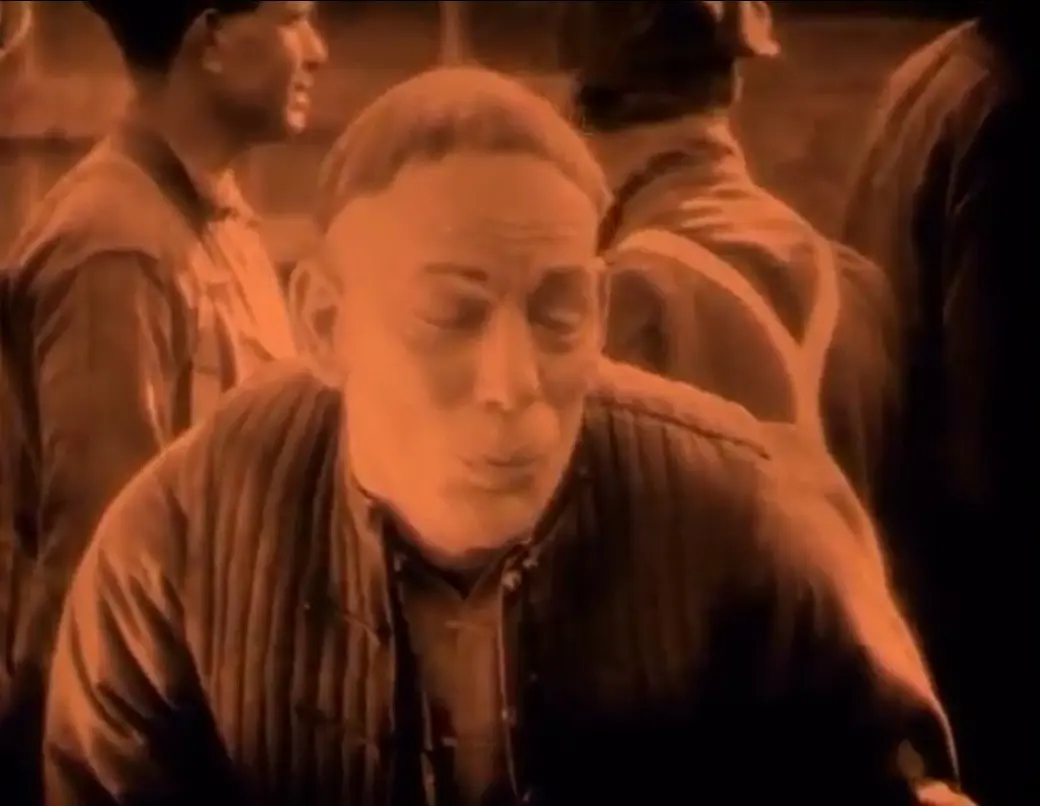
The Misfit Archetype: Jinxes and Sentimental Outcasts
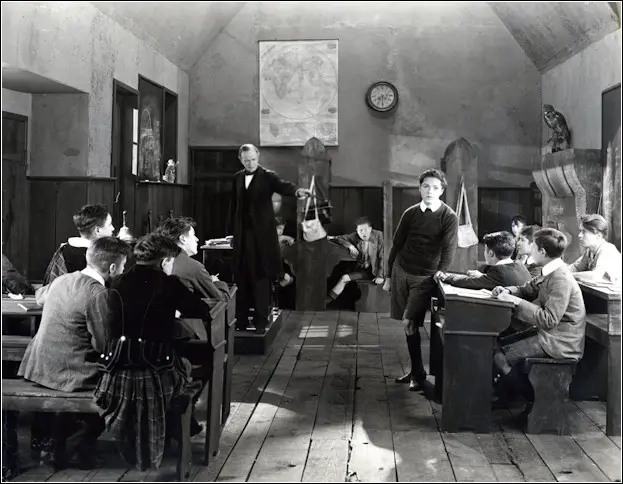
At the heart of any cult obsession is the figure of the outsider. Long before the 'freaks' of the 1930s captured the public imagination, films like Jinx (1919) were already carving out a space for the misunderstood. In Jinx, we see a protagonist who is an agent of chaos within the structured world of the circus. This 'Jinx' girl is not merely a clumsy orphan; she is a proto-cult icon whose very presence disrupts the social order, forcing the performers—and by extension, the audience—to confront the fragility of their carefully curated reality. This theme of the disruptive outsider is echoed in Sentimental Tommy (1921), where a highly imaginative boy rescues a girl and her mother, known as 'The Painted Lady,' from the cruel ostracization of their community. Here, the imagination is not just a tool for play; it is a weapon of rebellion against the crushing weight of societal judgment.

The Moral Labyrinth: Transgression and the Shadow Self
The early cult cinema landscape was frequently populated by characters navigating a moral labyrinth. Consider the dark, fatalistic undertones of The Flower of Doom (1917). Set within the clandestine world of the Hop Sing Tong, the film uses the selection of a red bean to dictate a destiny of murder. This is not just a crime thriller; it is an exploration of predestination and the dark underbelly of urban existence. Similarly, Love Madness (1920) takes a respectable man and plunges him into a life of debasement through his infatuation with a 'moll.' These films dared to show the descent—the messy, unglamorous fall from grace that mainstream Victorian morality sought to keep hidden. In Unto Those Who Sin (1916), the contrast between the shabby stenographer and her resplendent friend highlights the class anxieties and moral compromises of the era, themes that continue to resonate in cult cinema’s obsession with the disenfranchised.
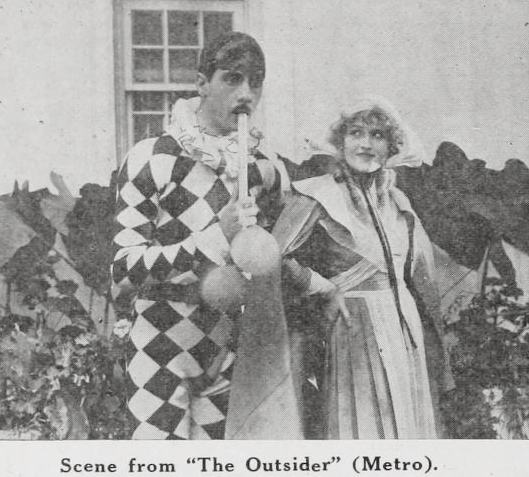
The Architecture of Obsession
Cult cinema is often defined by its obsession with specific, strange details—what we might call the 'fetishistic' element of film. The Mints of Hell (1919) provides a perfect metaphor for this. The film centers on the search for 'flat gold'—gold that is black, soft, and resembles coins from hell. This 'black gold' is the perfect symbol for the cult film itself: a treasure that appears worthless or even repulsive to the general public but holds immense value for the seeker. This sense of seeking something 'other' is also found in The Romantic Journey (1916), where a social lion, suffering from the ennui of high society, finds himself ensnared in a world of hypnotism and antique mysteries. It is the rejection of the mundane in favor of the esoteric that binds these early films to the modern cult ethos.
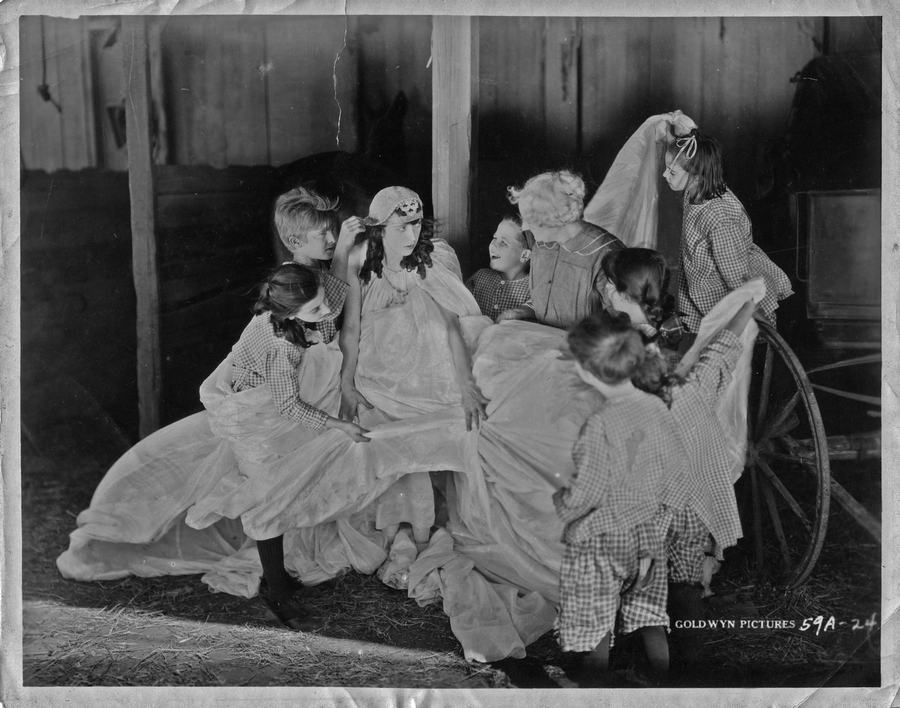
Technical Mutants: The Experimental Spark
Beyond narrative, the Obsidian Reel was a space for technical transgression. Kodachrome Two-Color Test Shots No. III (1922) might seem like a mere historical footnote, but in the context of cult cinema, it represents the primal urge toward visual experimentation. These test shots were not just about color; they were about the limits of the medium itself. When we look at the documentary Kaieteur, the Perfect Cataract (1917), we see a similar drive to capture the 'unseen'—the enormous, terrifying beauty of a waterfall five times the height of Niagara. These films were the precursors to the 'transgressive' visuals of later decades, proving that the cult mind has always been attracted to the raw, the unpolished, and the technologically daring.
Genre Defiance and Narrative Anarchy
If there is one hallmark of the cult film, it is the refusal to stay within the lines. 'Twas Ever Thus (1915) is perhaps the most radical example of this early genre anarchy. The film leaps from the era of cavemen to the American Civil War, suggesting that the primal instincts of man—force, love, and conflict—are eternal. This kind of non-linear, high-concept storytelling was decades ahead of its time. Similarly, His Nibs (1921) plays with the meta-narrative, featuring a theater owner who plays multiple roles within the film being shown. It is a movie about watching movies, a self-reflexivity that would later become a staple of cult classics like The Rocky Horror Picture Show or The Room. These films didn't just tell stories; they questioned the very nature of how stories are told.
The Subversion of Social Norms
The early 20th century was a time of rigid social expectations, yet the Obsidian Reel was filled with films that poked fun at or outright rejected these norms. Friend Husband (1918) features a woman who 'abhors the institution of marriage' but must wed to receive an inheritance. This cynical take on the romantic comedy structure predates the 'anti-romance' cult films of the 90s. In The Little Fool (1921), a husband's theories on marital relations are put to a 'practical test,' exposing the absurdity of male intellectualism when faced with the reality of human emotion. These films were not just entertainment; they were subversive critiques of the status quo, wrapped in the guise of drama or comedy.
The Legacy of the Forgotten
Why do these films, many of which are now lost or obscured by time, continue to hold a spell over the cinematic historian? It is because they represent the unfiltered soul of the medium. Before the Hays Code and the homogenization of the blockbuster, there was a period of wild, untamed creativity. Films like The Bride of Fear (1918), where a suicidal girl is 'saved' only to be turned into a criminal partner, or The Lure of Luxury (1918), which explores the corrupting influence of wealth on a convent-raised girl, offered a darker, more complex view of humanity than their mainstream counterparts. They were the 'midnight movies' of their day, whispered about in the 'Slippery Elm Picture Palace' mentioned in His Nibs.
The enduring power of the Obsidian Reel lies in its ability to speak to the misfit in all of us. Whether it is the 'Jinx' girl causing chaos or the 'Sentimental Tommy' building worlds out of thin air, these characters remind us that cinema is at its best when it is daring, strange, and unashamedly different. As we continue to dig through the archives, unearthing gems like Blue Jeans (1917) or The Spender (1919), we are not just looking at history; we are looking at the roots of our own obsession. The maverick spirit that fueled Liberty (1916), a 20-part Western serial, is the same spirit that fuels the modern indie director working on a shoestring budget. It is a lineage of rebellion, a tradition of the transgressive, and it all began in the flickering light of these early, forgotten masterpieces.
Conclusion: The Eternal Flicker
In the end, the Obsidian Reel is a reminder that the fringe has always been the most fertile ground for innovation. By embracing the weird, the broken, and the defiant, early filmmakers created a legacy that transcends time. They taught us that a film doesn't need to be perfect to be a masterpiece; it just needs to be honest in its deviance. From the 'black gold' of the Yukon to the 'red beans' of the Tongs, the symbols of early cult cinema continue to glow with a strange, radioactive light, beckoning us to leave the safety of the mainstream and venture once more into the midnight shadows of the screen.
Community
Comments
Log in to comment.
Loading comments…