
Cult Cinema
The Secret Language of Shadows: Decoding Cult Cinema's Enduring Mystique and Unseen Fandoms
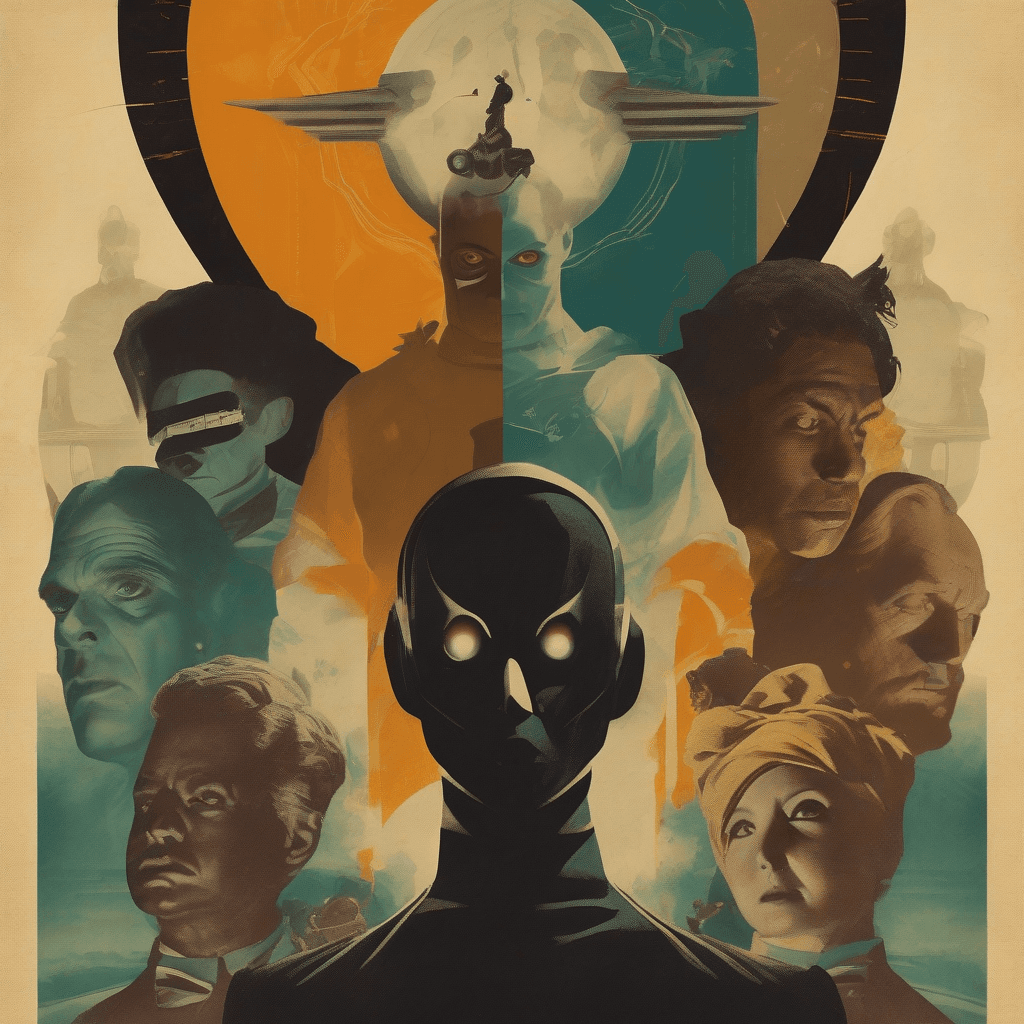
“Dive deep into the enigmatic world of cult cinema, exploring its magnetic allure, the unconventional films that define it, and the passionate communities that keep its flame alive. This article uncovers the hidden narratives and subversive aesthetics that transform overlooked curiosities into belove…”
In the vast, shimmering ocean of cinematic history, where blockbusters ride high on waves of critical acclaim and popular appeal, there exists a deeper, more mysterious current. This is the realm of cult cinema – a rich, often bewildering tapestry woven from films that defy easy categorization, challenge societal norms, or simply resonate with a devoted, niche audience long after their initial release. These aren't just movies; they are experiences, shared secrets, and sometimes, even spiritual awakenings for those who find their peculiar frequencies. Far from the polished narratives of mainstream success, cult films thrive in the shadows, their enduring mystique fueled by a blend of artistic rebellion, unique vision, and the passionate advocacy of their unseen fandoms.
What elevates a film from mere obscurity to the hallowed halls of cult status? It’s rarely about box office receipts or critical accolades. Instead, it’s a complex alchemy of time, context, and the collective consciousness of an audience yearning for something beyond the conventional. Whether a bizarre silent-era drama, a forgotten melodrama, or a genre-bending curiosity, these films often share a common thread: they speak a secret language that only a select few initially understand, but which, over time, becomes a rallying cry for a community of like-minded cinephiles.
The Genesis of the Unconventional: Crafting the Cult Blueprint
The roots of cult cinema stretch back to the very dawn of filmmaking, a time when the medium itself was an experimental frontier. Before rigid genre conventions solidified, early filmmakers often stumbled upon narratives and aesthetics that, by modern standards, feel strikingly unconventional. Films like the dramatic 'Mortal Clay,' with its dark premise of a young girl forced into an unwanted marriage, or the intense 'Flames of the Flesh,' exploring themes of betrayal and revenge, hint at an early willingness to delve into the more extreme facets of human experience. These melodramas, often dismissed or misunderstood in their own time, possess an emotional intensity and narrative audacity that can, retrospectively, be seen as proto-cult. They dared to be different, to explore the raw, often unsettling corners of the human psyche, laying a blueprint for future cinematic rebellion.
Consider the silent era's comedies, like 'Seven Bald Pates' or 'Don't Weaken!' Their slapstick humor and often absurd situations might have been fleeting entertainment for contemporary audiences, but for modern viewers, they offer a fascinating glimpse into the nascent stages of comedic timing and character-driven eccentricity. The sheer oddity of some of these early works, even those with simple premises like 'The Paper Hanger' or 'Snooky's Fresh Heir,' often forms the bedrock of their eventual cult appeal. They are cinematic time capsules, revealing a purity of vision unburdened by later industry constraints, and in their quaint strangeness, they find a new resonance.
Beyond the Marquee: Where Mainstream Fails, Fandom Flourishes
Many cult films were not born into glory. They were often critical failures, box office bombs, or simply slipped through the cracks of popular consciousness. Yet, their initial reception is rarely the final word. The journey from obscurity to cult classic is a testament to their inherent, if initially unrecognized, power. Think of films that, like 'The Thirteenth Chair' or 'Blind Wives,' explored dark psychological territories or complex social dynamics. While perhaps not universally acclaimed upon release, their willingness to tackle challenging themes or experiment with narrative structures laid the groundwork for future appreciation.
This phenomenon highlights a crucial aspect of cult cinema: its independence from mainstream validation. The magnetic pull of a cult film often lies in its ability to offer an alternative, a counter-narrative to the dominant cinematic discourse. Whether it's the peculiar romance of 'Rent Free' or the high-stakes adventure of 'Terror Island,' these films often possess an authenticity or a stylistic quirk that speaks directly to a segment of the audience that feels underserved by Hollywood's more conventional offerings. They become hidden gems, passed along through whispers and recommendations, forming the core of burgeoning, devoted communities.
The Maverick Visionaries: Crafting Unique Cinematic Worlds
At the heart of every cult classic lies a singular vision, often the brainchild of a maverick filmmaker unafraid to defy expectations. These creators infuse their work with a distinct aesthetic, a peculiar sensibility, or a thematic depth that sets their films apart. The westerns of the early era, such as 'Riders of Vengeance' or 'The River's End,' while rooted in popular genre tropes, might have introduced narrative twists or character complexities that gave them an edge, making them stand out in a crowded field. The dramatic tension in a film like 'The Danger Signal,' exploring abuse and societal pressure, or the intricate plot of 'A Splendid Hazard,' driven by Napoleonic obsession, showcases a commitment to storytelling that prioritizes impact over broad appeal.
Cult films often revel in their own weirdness, embracing the idiosyncratic rather than shying away from it. The fantastical elements of 'Neptune's Daughter,' with its mermaid princess seeking vengeance, or the quirky charm of 'Hulda from Holland,' about a determined Dutch girl, demonstrate how unusual premises can captivate imaginations. These films don't just tell stories; they invite viewers into unique worlds with their own rules, logic, and emotional landscapes. This immersive quality fosters a deep connection, transforming casual viewers into lifelong devotees.
Transgression and Taboo: Pushing Cinematic Boundaries
A significant portion of cult cinema's appeal stems from its willingness to explore themes and subjects considered taboo or transgressive by mainstream standards. Whether it's challenging moral conventions, depicting graphic violence, or delving into psychological depths, these films often push the boundaries of what is acceptable or comfortable for an audience. Early dramas like 'Without Honor,' depicting a weak-willed man driven to flee his family, or 'The Voice of Love,' featuring an astrologer suspected of murder, touched upon societal anxieties and moral ambiguities that resonated with certain viewers, perhaps those who felt alienated by more conventional narratives.
The very act of engaging with a transgressive film can be a liberating experience, allowing audiences to confront uncomfortable truths or explore forbidden desires in a safe, cinematic space. This is where films initially deemed controversial or shocking find their enduring power. They become artifacts of cultural rebellion, celebrated for their audacity and their refusal to conform. The underground appeal grows precisely because these films dare to go where others fear to tread, offering a cathartic release for those who feel similarly outside the lines.
The Audience as Co-Creator: Forging Communities in the Dark
Perhaps the most defining characteristic of cult cinema is the indispensable role of its audience. Unlike passive consumers of mainstream entertainment, cult film fans are active participants, often transforming the viewing experience into a ritual. This communal aspect is vital, as shared appreciation deepens the bond with the film and with fellow enthusiasts. Whether it's the spirited exchanges at a midnight screening or the online discussions dissecting every frame, the audience becomes a co-creator of the film's legacy.
The sheer joy of discovering a film like 'The Money Corral,' a western with a unique premise, or the compelling drama of 'When Love Is King,' about a monarch seeking genuine affection, and then sharing that discovery, is a powerful force. These films provide a common language for individuals who might otherwise feel isolated, creating a sense of belonging and shared identity. The obscure nature of many cult films means that finding them feels like unearthing a secret, and sharing that secret builds a stronger, more dedicated community.
The Ritual of Rediscovery: Finding Meaning in the Margins
Many cult films undergo a fascinating process of rediscovery and re-evaluation. What might have been dismissed as a quirky genre piece or an artistic misstep upon its initial release can, years or even decades later, be hailed as a masterpiece. This shift often occurs as cultural contexts change, allowing new generations to perceive themes or artistic merits that were overlooked by contemporary critics. Films like 'The Governor's Lady,' a drama about ambition and poverty, or 'The Lost Chord,' whose plot remains somewhat enigmatic, could easily have been forgotten. Yet, for certain audiences, their unique qualities persist, waiting for the right moment to be appreciated.
The enduring appeal of cult cinema lies in its ability to transcend its original time and place, offering fresh perspectives to new viewers. The intricate plot of 'The Hordern Mystery,' or the social commentary hinted at in 'Under Suspicion,' might hold different meanings for audiences today than they did a century ago. This temporal elasticity allows cult films to remain relevant, continually sparking discussion and inspiring new interpretations. Each viewing becomes a deeper dive, uncovering layers previously unnoticed, reinforcing the film's status as a profound and multifaceted work.
The Enduring Resonance of the Outlier: Why Cult Films Captivate
Ultimately, cult cinema's power lies in its ability to resonate on a deeply personal level. These films often speak to the outsider experience, celebrating individuality and offering solace to those who feel marginalized. They provide a space where the unconventional is not just accepted but revered. Whether it's the dramatic intensity of 'The Stormy Petrel,' the poignant narrative of 'Home Wanted,' or the lighthearted escapism of 'In the Movies,' these films offer a diverse array of experiences that cater to a wide spectrum of tastes, united by a desire for something distinct.
Their narratives, even if initially seen as flawed or peculiar, often possess an emotional honesty or a stylistic boldness that leaves an indelible mark. This authenticity is a powerful draw, contrasting sharply with the often-formulaic nature of mainstream productions. Cult films are not afraid to be raw, strange, or imperfect, and it is precisely these qualities that forge such strong bonds with their audiences.
Genre Benders and Uncategorizable Gems: The Spectrum of Cult Appeal
The cult canon is not limited to any single genre. It embraces everything from horror and science fiction to drama, comedy, and even early westerns. Films like 'Sunset Sprague' or 'The Money Corral' might be straight westerns, but their specific narrative beats or characterizations could have set them apart, earning them a devoted following. Comedies such as 'Gasoline Gus,' with its tale of a conman and an accidental oil strike, or the chaotic 'Short and Snappy,' about two men sharing one suit, demonstrate that humor, especially the absurd or slapstick variety, can be a potent ingredient for cult status.
The true strength of cult cinema lies in its boundless inclusivity. It welcomes films that defy easy categorization, that blend genres, or that simply march to the beat of their own drum. From the adventurous spirit of 'From Two to Six' to the intricate relationships in 'The Interloper,' each film, in its unique way, contributes to the rich tapestry of cult appreciation. This diversity ensures that there is always a new, unusual cinematic experience waiting to be discovered, keeping the cult flame burning brightly for generations of cinephiles.
In conclusion, cult cinema is more than a collection of forgotten or niche films; it is a living, breathing phenomenon that celebrates individuality, artistic freedom, and the power of collective passion. It’s a testament to the idea that true cinematic value isn't always measured by initial success but by a film's ability to forge an enduring, often unconventional, connection with an audience. These films, from the earliest silent experiments to contemporary outliers, continue to speak their secret language in the shadows, inviting us to listen, to participate, and to find our own unique place within their unseen fandoms. They remind us that the most profound cinematic experiences often lie just beyond the marquee's gleam, waiting to be unearthed and cherished.
Community
Comments
Log in to comment.
Loading comments…